
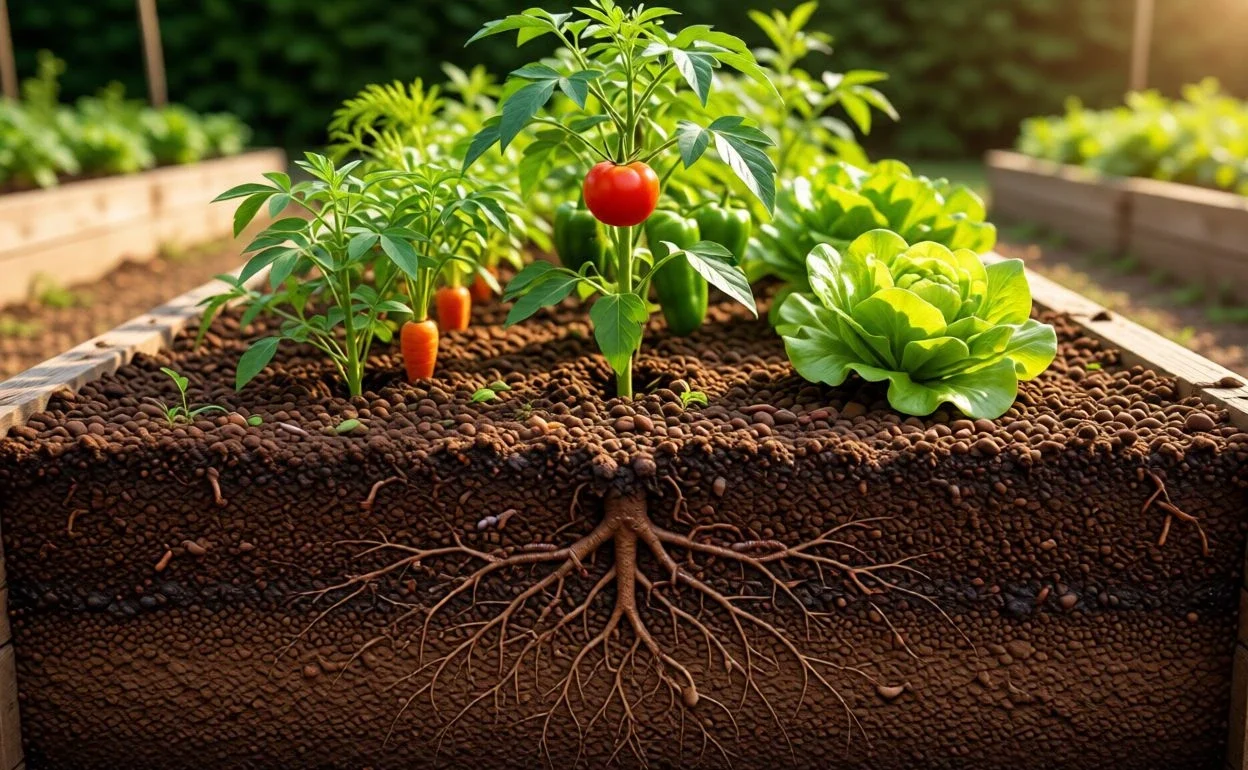

If you want your vegetable garden to thrive, the secret starts right beneath your feet—your soil. The right soil can make all the difference between crunchy carrots and wilted leaves.
You might wonder what kind of soil works best or how to prepare it for planting. This guide will help you understand exactly what your soil needs to grow healthy, delicious vegetables. Stick with me, and you’ll discover simple tips that can transform your garden into a vibrant, productive space.
Ready to dig in? Let’s get started!
Choosing The Right Soil
Choosing the right soil is crucial for a thriving vegetable garden. Soil for vegetable gardening affects how well plants grow and how much they produce. The best soil for vegetable gardening must hold nutrients, drain water properly, and support root growth. Picking the best gardening soil for vegetables helps your plants stay healthy and strong.
Understanding Soil Types
Gardening soil for vegetables comes in different types. Each type has unique qualities that help or hurt plant growth.
- Sandy soil: Drains quickly but does not hold nutrients well.
- Clay soil: Holds water and nutrients but drains slowly.
- Loam soil: A balanced mix of sand, silt, and clay. It is the best soil for gardening vegetables.
Loam soil is often the top choice because it keeps moisture and nutrients while allowing air to reach roots.
Checking Soil Ph
The right pH level is key for nutrient absorption. Most vegetables prefer a pH between 6.0 and 7.0.
| pH Level | Effect on Vegetables |
|---|---|
| Below 6.0 | Too acidic, limits nutrient uptake |
| 6.0 – 7.0 | Optimal for most vegetables |
| Above 7.0 | Too alkaline, some nutrients become unavailable |
Improving Soil Quality
Good gardening soil for vegetables often needs improvement. Here are simple ways to boost soil quality:
- Add organic matter: Compost or aged manure enriches soil.
- Use mulch: Helps retain moisture and controls weeds.
- Test soil regularly: Adjust pH and nutrients as needed.
Choosing Between Garden Soil And Potting Mix
For outdoor beds, use gardening soil for vegetables that improves your garden’s natural soil. For containers, choose potting mix designed for vegetables.
| Soil Type | Best Use | Key Features |
|---|---|---|
| Garden Soil | Outdoor beds | Contains natural minerals, may need amendment |
| Potting Mix | Containers and raised beds | Lightweight, drains well, often includes fertilizer |
Table of Contents
Soil Types For Vegetables
Choosing the right soil for vegetable gardening is crucial for a healthy and productive garden. Different vegetables need different types of soil to grow well. Understanding the soil types for vegetables helps you pick the best soil for vegetable gardening. This knowledge improves your chances of a bountiful harvest. The best gardening soil for vegetables is rich, drains well, and holds nutrients. Let’s explore common soil types and how they work for your vegetable garden.
Clay Soil
Clay soil has very small particles that stick together tightly. It holds water and nutrients well but drains slowly. This can cause roots to stay too wet, which is bad for many vegetables. Clay soil is dense and hard to dig.
- Good for plants needing moisture, like broccoli and cabbage.
- Needs organic matter to improve drainage and texture.
- Mix compost or sand to make it lighter.
Sandy Soil
Sandy soil has large particles and feels gritty. It drains quickly but does not hold nutrients well. This means plants can dry out fast and lack food. Sandy soil warms up quickly in spring, helping early planting.
- Best for root vegetables like carrots and potatoes.
- Add organic matter to improve water and nutrient retention.
- Regular watering is essential for sandy soil.
Loamy Soil
Loamy soil is the best soil for gardening vegetables. It is a balanced mix of sand, silt, and clay. Loam holds nutrients and water well but drains excess water. It is soft and easy to work with.
- Ideal for most vegetable plants.
- Rich in organic matter and nutrients.
- Supports strong root growth and healthy plants.
Silty Soil
Silty soil has fine particles, feels smooth and slippery. It holds water better than sandy soil but can become compacted and hard for roots. Silty soil is fertile and retains nutrients well.
- Good for leafy vegetables like lettuce and spinach.
- Improve drainage by adding organic matter.
- Protect from erosion by covering with mulch.
Peaty Soil
Peaty soil is dark, rich in organic matter, and retains moisture well. It is acidic and may not suit all vegetables. Peaty soil can be light and fluffy but needs lime to balance pH.
- Great for acid-loving plants like potatoes.
- Add lime to reduce acidity for most vegetables.
- Mix with sand or compost to improve texture.
Comparing Soil Types For Vegetables
| Soil Type | Water Retention | Nutrient Holding | Best For | Improvement Tips |
|---|---|---|---|---|
| Clay | High | High | Broccoli, Cabbage | Add compost, sand |
| Sandy | Low | Low | Carrots, Potatoes | Add organic matter, water often |
| Loamy | Medium | High | Most vegetables | Maintain organic matter |
| Silty | Medium | High | Lettuce, Spinach | Add compost, mulch |
| Peaty | High | Medium | Potatoes, Acid-loving plants | Add lime, sand |
Soil Testing Basics
Healthy plants start with the best soil for vegetable gardening. Knowing the soil’s condition helps grow strong vegetables. Soil testing basics guide gardeners to find the right balance of nutrients and pH. Testing soil ensures it is the best soil for gardening vegetables in your garden. This step is key before planting any seeds or seedlings.
What Is Soil Testing?
Soil testing checks the nutrients, pH level, and texture of the soil. It tells you if the soil has enough nutrients like nitrogen, phosphorus, and potassium. These are vital for plant growth. Testing also reveals if the soil is too acidic or alkaline for vegetables.
Why Test Soil For Vegetable Gardening?
- Identify nutrient deficiencies: Avoid weak plants and poor harvest.
- Adjust pH levels: Most vegetables prefer a pH between 6.0 and 7.0.
- Save money: Apply only needed fertilizers and amendments.
- Improve soil texture: Help roots grow deep and strong.
How To Collect A Soil Sample
- Use a clean trowel or soil probe.
- Take samples from 6 to 8 spots in your garden.
- Dig 6 inches deep for vegetable beds.
- Mix the samples in a clean bucket.
- Take about 1 cup of the mixed soil for testing.
- Label your sample with garden location and date.
Reading Soil Test Results
| Test Parameter | Ideal Range for Vegetables | What It Means |
|---|---|---|
| pH Level | 6.0 – 7.0 | Below 6.0: Too acidic; Above 7.0: Too alkaline |
| Nitrogen (N) | Medium to High | Low: Stunted growth; High: Leafy but few fruits |
| Phosphorus (P) | Medium to High | Low: Poor root and flower development |
| Potassium (K) | Medium to High | Low: Weak stems and poor fruit quality |
Choosing The Best Soil For Gardening Vegetables After Testing
Use the test results to improve your gardening soil for vegetables. Add lime to raise pH or sulfur to lower it. Include compost or manure to boost nutrients. Mix sand or peat moss to improve soil texture. The goal is to create the best gardening soil for vegetables in your plot.
Improving Soil Fertility
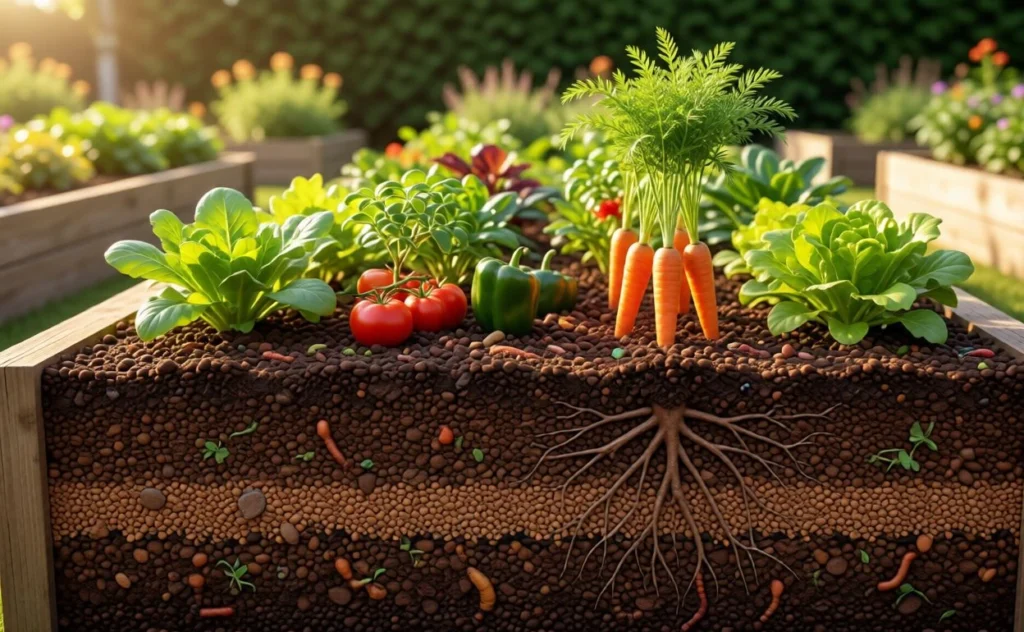
Good soil for vegetable gardening is the foundation of a healthy garden. Improving soil fertility means making the soil rich in nutrients that plants need. The best soil for vegetable gardening holds water well and drains excess moisture. It is full of organic matter and has the right pH balance. Using the best gardening soil for vegetables helps plants grow strong and produce more food. Understanding how to improve your gardening soil for vegetables ensures a successful harvest season.
Adding Organic Matter
Organic matter improves the texture and nutrient content of the soil. It makes the soil soft and helps it hold water. Compost, manure, and leaf mold are common sources of organic matter.
- Compost: Rich in nutrients and beneficial microbes.
- Manure: Adds nitrogen but must be well-aged.
- Leaf mold: Improves soil structure and moisture retention.
Spread a 2-3 inch layer of organic matter on your garden bed. Mix it into the top 6-8 inches of soil before planting.
Testing And Adjusting Soil Ph
The best soil for gardening vegetables has a pH between 6.0 and 7.0. Soil pH affects nutrient availability. Use a simple soil test kit to check your soil’s pH.
- If the soil is too acidic (below 6.0), add lime to raise the pH.
- If the soil is too alkaline (above 7.0), add sulfur or organic matter to lower the pH.
Adjusting pH helps plants absorb nutrients better. It improves the overall health of your gardening soil for vegetables.
Using Natural Fertilizers
Natural fertilizers feed the soil and plants without harmful chemicals. They release nutrients slowly and improve soil life.
| Fertilizer Type | Key Nutrients | Benefits |
|---|---|---|
| Bone Meal | Phosphorus, Calcium | Supports root growth and flowering |
| Blood Meal | Nitrogen | Promotes leafy green growth |
| Kelp Meal | Potassium, Trace minerals | Improves stress resistance |
Use natural fertilizers according to package instructions. Avoid over-fertilizing to keep your soil balanced.
Organic Amendments
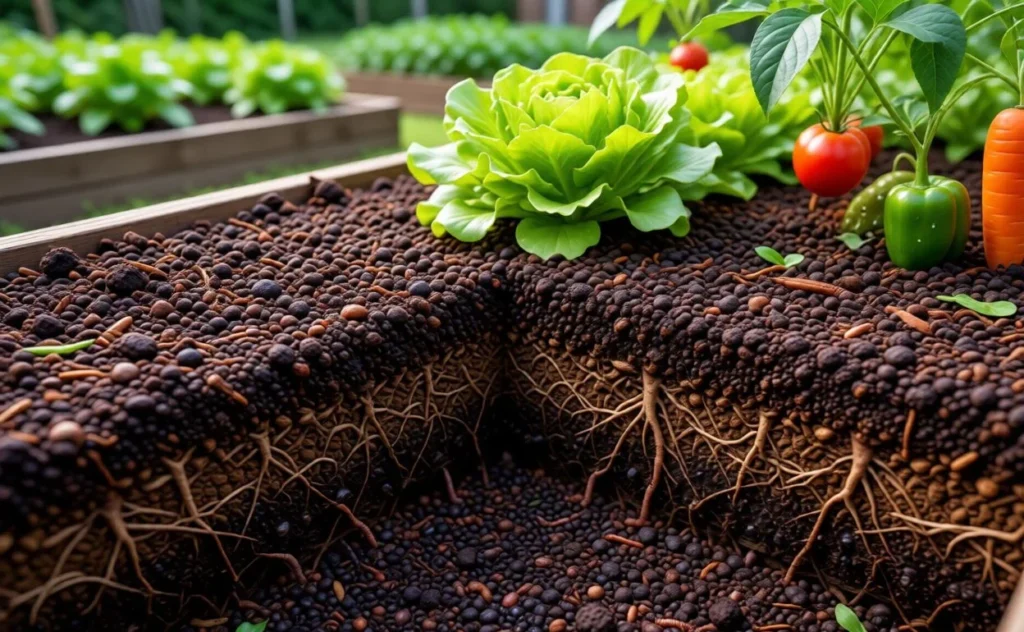
Soil for vegetable gardening plays a key role in healthy plant growth. The best soil for vegetable gardening is rich, loose, and full of nutrients. Organic amendments improve soil quality by adding natural materials. These materials help retain moisture, increase nutrients, and support beneficial microbes. Using the best gardening soil for vegetables means regularly adding organic amendments to keep the soil fertile and alive.
What Are Organic Amendments?
Organic amendments are natural materials added to soil to improve its structure and fertility. They include compost, manure, leaf mold, and more. These amendments break down over time, releasing nutrients slowly. They help create the best soil for gardening vegetables by making the soil soft and rich.
Common Types Of Organic Amendments
| Amendment | Benefits | Use in Vegetable Gardening |
|---|---|---|
| Compost | Rich in nutrients, improves soil structure | Mix into soil before planting |
| Manure | High in nitrogen and organic matter | Use aged manure to avoid burning plants |
| Leaf Mold | Improves moisture retention | Work into topsoil for better water holding |
| Peat Moss | Increases acidity and moisture retention | Good for light, sandy soils |
Benefits Of Using Organic Amendments
- Improves soil texture by making clay or sandy soils easier to work with.
- Increases nutrient content naturally without chemicals.
- Enhances water retention, reducing the need for frequent watering.
- Supports beneficial soil organisms like earthworms and microbes.
- Reduces soil erosion by improving soil structure.
How To Add Organic Amendments To Gardening Soil For Vegetables
- Clear the area of weeds and debris.
- Spread a 2-3 inch layer of your chosen organic amendment over the soil.
- Use a garden fork or tiller to mix the amendment into the top 6-8 inches of soil.
- Water the soil lightly to help settle the amendment.
- Repeat this process every season for best results.
Drainage And Aeration
Soil for vegetable gardening needs good drainage and aeration to help plants grow strong. Drainage lets extra water flow out so roots don’t sit in water. Aeration means air can reach the roots easily. Both are important for healthy roots and better vegetable growth. Using the best soil for vegetable gardening helps keep the right balance of water and air.
Drainage: Why It Matters
Good drainage prevents water from pooling around roots. Waterlogged soil stops roots from getting oxygen and can cause root rot. Plants need air as much as water. Gardening soil for vegetables should let water drain fast but still hold some moisture. This keeps roots happy and healthy.
- Water drains through sandy or loamy soils easily.
- Clay soils drain slowly and can hold too much water.
- Adding organic matter improves drainage in heavy soils.
Aeration: How It Helps Roots Breathe
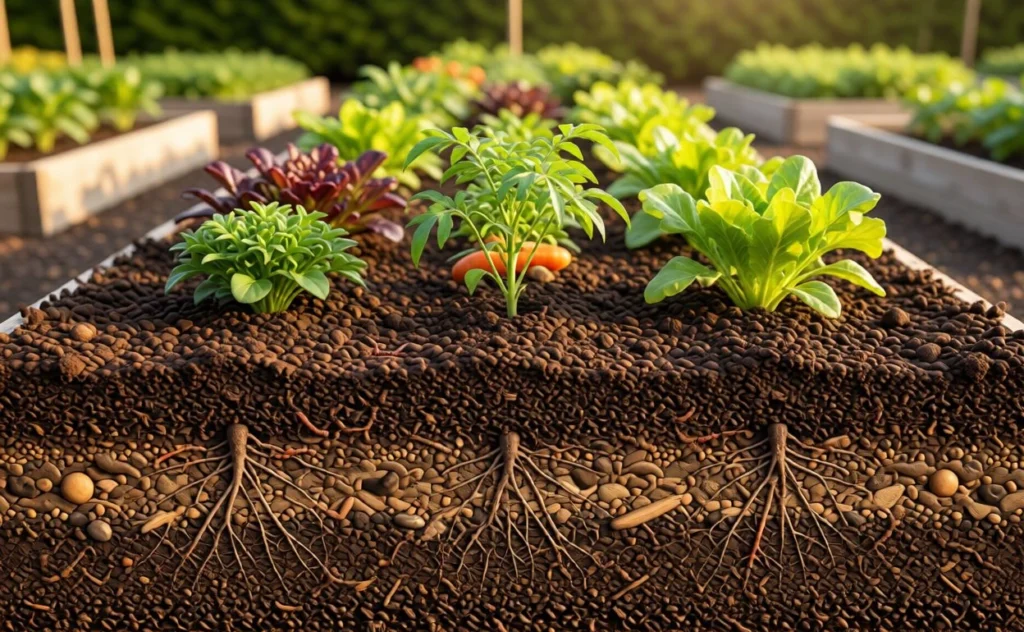
Roots need air to grow well. Aeration allows oxygen to reach the root zone. Without air, roots can weaken and plants may stop growing. The best gardening soil for vegetables has small spaces called pores. These pores hold air and water. Good aeration supports strong root systems and healthy plants.
- Loosen soil regularly to improve air flow.
- Add compost or peat moss to increase pore spaces.
- Avoid compacting soil by stepping on garden beds.
Balancing Drainage And Aeration
Finding the right mix of drainage and aeration is key. The best soil for gardening vegetables usually has a balance of sand, silt, clay, and organic matter. This mix:
| Soil Type | Effect on Drainage | Effect on Aeration |
|---|---|---|
| Sandy Soil | Drains quickly | Good air flow |
| Clay Soil | Drains slowly | Poor air flow |
| Loamy Soil | Balanced drainage | Balanced aeration |
Best soil for vegetable gardening often means loamy soil with added organic matter. This mix holds enough water and lets air in easily. Such soil supports strong roots and healthy vegetables all season.
Maintaining Soil Health
Maintaining soil health is a key step in growing strong, healthy vegetables. Good soil for vegetable gardening provides plants with nutrients, water, and air. Keeping the soil rich and balanced helps plants fight pests and grow better.
Choosing the best soil for vegetable gardening is important. But maintaining that soil’s health over time is just as crucial. Healthy soil supports roots and holds moisture well. It also lets air reach plant roots.
Improving Soil Structure
Soil structure affects how water and air move through the soil. Good structure helps roots grow easily.
- Add organic matter like compost or aged manure to improve soil texture.
- Use mulch to protect soil from erosion and moisture loss.
- Avoid compacting soil by not walking on garden beds.
Balancing Soil Nutrients
Plants need the right nutrients to grow. Soil can lose nutrients after many growing seasons.
- Test soil every 1-2 years to check nutrient levels.
- Add natural fertilizers like compost or bone meal to replace lost nutrients.
- Rotate crops to prevent nutrient depletion.
Maintaining Proper Ph Levels
The pH level of soil affects nutrient availability. Most vegetables prefer slightly acidic to neutral soil (pH 6.0-7.0).
| pH Level | Effect on Vegetables | How to Adjust |
|---|---|---|
| Below 6.0 | Nutrients less available | Add lime to raise pH |
| 6.0 to 7.0 | Best for most vegetables | Maintain with organic matter |
| Above 7.0 | Nutrients less available | Add sulfur to lower pH |
Encouraging Beneficial Microorganisms
Microorganisms break down organic matter and release nutrients. They keep the soil healthy.
- Add compost to feed microbes.
- Avoid too much chemical fertilizer or pesticides.
- Keep soil moist but not waterlogged.
Frequently Asked Questions
What Type Of Soil Is Best For Vegetable Gardening?
Loamy soil is best for vegetable gardening. It holds moisture well and drains excess water. It also provides good nutrients and air for roots.
How Can I Improve Poor Soil For Vegetables?
Add organic matter like compost or aged manure. This improves soil texture and adds nutrients. Mixing it well helps plants grow better.
Why Is Soil Ph Important For Vegetable Growth?
Soil pH affects nutrient availability to plants. Most vegetables prefer a pH between 6. 0 and 7. 0. Testing soil pH helps you adjust it correctly
How Often Should I Test Soil For Vegetables?
Test your soil every 1 to 2 years. Regular testing helps monitor nutrient levels and pH. It guides you on needed soil amendments.
Can I Use Garden Soil In Containers For Vegetables?
Garden soil is often too heavy for containers. Use a light, well-draining potting mix instead. This helps roots get air and water easily.
What Role Does Soil Drainage Play In Vegetable Gardening?
Good drainage prevents waterlogging, which harms roots. Soil should drain well but still keep some moisture. Raised beds help improve drainage in heavy soils.
How Much Compost Should I Add To Vegetable Soil?
Add compost at about 2 to 3 inches depth before planting. Mix it into the top 6 to 8 inches of soil. This boosts nutrients and soil health.
Conclusion
Good soil makes vegetable gardening easier and more fun. It helps plants grow strong and healthy. Add compost and keep soil loose for better air and water flow. Test soil often to know what it needs. Healthy soil means better vegetables for your family.
Take time to care for your soil each season. Small efforts bring big rewards in your garden. Enjoy fresh, tasty veggies grown right in your yard. Soil is the heart of your garden’s success.