

Do you want to fill your space with beautiful, colorful flowers but don’t know where to start? Growing flowers can seem tricky, but it’s easier than you think.
With just a few simple steps, you can watch your garden bloom and enjoy the fresh beauty right outside your door. You’ll discover easy tips to help your flowers thrive, whether you have a big backyard or just a small balcony.
Keep reading, and you’ll be amazed at how quickly your green thumb can grow!
Choosing Flower Types
Choosing the right flower types is an important step in learning how to grow flowers successfully. Knowing which flowers suit your garden’s conditions makes the process easier and more enjoyable. It helps you understand how do you grow flowers that thrive and bloom beautifully. The steps to grow a flower start with picking varieties that match your climate, soil, and sunlight. This guide covers key points to help you with the steps to growing a flower that fits your space.
Understanding Climate And Growing Zones
Flowers grow best in certain climates and zones. Choosing flowers suited to your area means fewer problems. Check your USDA hardiness zone to find plants that survive your winters. Some flowers need warm weather, while others like cooler temperatures.
- Warm climate flowers: Marigolds, Zinnias, Sunflowers
- Cool climate flowers: Pansies, Snapdragons, Sweet Peas
- All-season flowers: Daffodils, Tulips, Lavender
Considering Sunlight And Soil Type
Sunlight and soil affect flower growth. Some flowers need full sun, about 6-8 hours of direct light daily. Others prefer partial shade or full shade. Check how much sun your garden gets before choosing flowers.
Soil type matters too. Flowers need soil that drains well but holds some moisture. Clay soil holds water but drains slowly. Sandy soil drains quickly but may dry out.
| Flower Type | Sunlight Needs | Soil Preference |
|---|---|---|
| Petunias | Full Sun | Well-drained, loamy |
| Hostas | Partial Shade | Rich, moist soil |
| Impatiens | Shade | Moist, fertile soil |
Table of Contents
Choosing Flower Types Based On Purpose
Your flower choice changes based on what you want. Flowers can attract pollinators, provide color, or grow for cutting. Decide your goal before picking flowers.
- For attracting bees and butterflies: Sunflowers, Coneflowers, Lavender
- For bright colors: Geraniums, Marigolds, Zinnias
- For bouquets and cutting: Roses, Lilies, Dahlias
Annuals Vs. Perennials
Understanding annuals and perennials helps with garden planning. Annual flowers live one season and bloom fast. Perennials return every year, growing slowly but lasting longer.
- Annuals: Quick bloom, must replant yearly
- Perennials: Longer life, less work after first year
Choose based on how much time you want to spend and the look you want.
Selecting The Right Soil
Understanding how to grow flowers starts with choosing the perfect soil. The soil acts like the foundation for your plants. It provides water, air, and nutrients that flowers need to thrive. Picking the right soil makes the steps to growing a flower easier and more successful. Knowing how do you grow flowers well means paying close attention to soil type and quality.
Selecting The Best Soil Type For Flowers
Different flowers need different soil types. The three main soil types are sandy, clay, and loamy. Each has unique features:
| Soil Type | Characteristics | Best For |
|---|---|---|
| Sandy Soil | Drains quickly, low nutrients | Succulents, roses |
| Clay Soil | Holds water, heavy, nutrient-rich | Perennials, shrubs |
| Loamy Soil | Balanced texture, drains well | Most flowers, including annuals |
Loamy soil is often best for beginners. It helps you follow simple steps to grow a flower with less effort.
Improving Soil Quality For Healthy Flowers
Good soil makes the steps to growing a flower easier. You can improve soil by:
- Adding compost to increase nutrients
- Mixing in sand for better drainage
- Using mulch to keep moisture
- Testing soil pH and adjusting it
Healthy soil supports strong roots and colorful blooms. It also helps you learn how to grow a flower that lasts.
Testing Soil For Optimal Flower Growth
Testing your soil is a key step in how do you grow flowers. It tells you about nutrient levels and pH. You can buy a simple soil test kit. Follow these easy steps:
- Take soil samples from different spots in your garden
- Mix samples and dry them
- Use the test kit to check pH and nutrients
- Adjust soil based on test results
Proper soil testing helps you follow the steps to grow a flower more precisely.
Planting Techniques
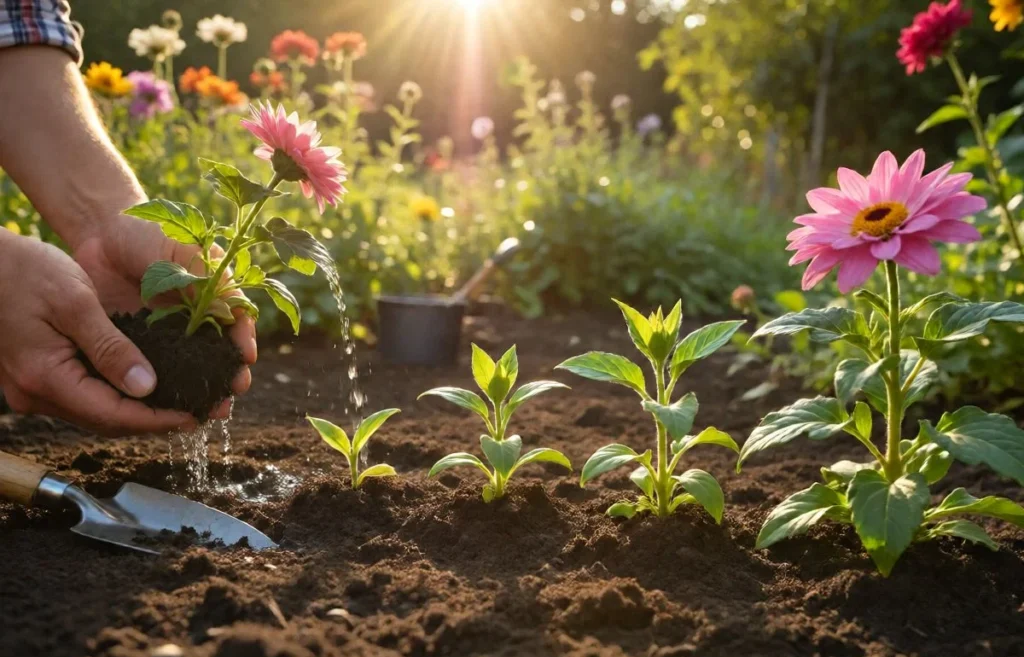
Understanding how to grow flowers starts with mastering the right planting techniques. These methods affect the growth, health, and beauty of your flowers. Knowing how do you grow flowers properly ensures vibrant blooms and strong plants. The steps to grow a flower include preparing the soil, choosing seeds, and planting with care. Follow these steps to growing a flower to enjoy a colorful garden full of life.
Choosing The Right Soil
Good soil is the foundation for healthy flowers. Use well-draining soil rich in organic matter. Test the soil pH; most flowers prefer a pH between 6.0 and 7.0.
- Loosen the soil to allow roots to spread easily.
- Add compost or aged manure to improve fertility.
- Remove stones and debris for better root growth.
Planting Seeds And Seedlings
Plant seeds or seedlings at the correct depth to encourage strong roots.
| Plant Type | Seed Planting Depth | Seedling Spacing |
|---|---|---|
| Small flowers (e.g., marigolds) | 1/4 inch | 6-8 inches apart |
| Medium flowers (e.g., zinnias) | 1/2 inch | 12 inches apart |
| Large flowers (e.g., sunflowers) | 1 inch | 18-24 inches apart |
Watering After Planting
Water flowers gently after planting to settle the soil around roots. Keep the soil moist but not soaked. Use a fine spray to avoid washing away seeds.
- Water early in the morning or late in the evening.
- Avoid overwatering to prevent root rot.
- Check soil moisture daily during dry periods.
Using Mulch For Protection
Mulch helps keep soil moist and controls weeds around your flowers.
- Spread 2-3 inches of organic mulch like wood chips or straw.
- Keep mulch a few inches away from plant stems.
- Renew mulch layer as needed during the growing season.
Watering Tips
Watering plays a key role in how to grow flowers successfully. Without the right water, flowers cannot thrive or bloom fully. Knowing how do you grow flowers with proper watering helps keep plants healthy and vibrant. The steps to growing a flower always include learning when and how much to water. Below are simple watering tips to guide you through the steps to grow a flower well.
How Often Should You Water Flowers?
Most flowers need water about once or twice a week. This depends on the weather and soil type.
- Water more in hot, dry weather.
- Water less in cool, rainy weather.
- Check soil moisture before watering.
Tip: Stick your finger into the soil. If it feels dry two inches down, it’s time to water.
Best Time To Water Flowers
The best time is early morning or late afternoon. This helps water soak into the soil and reach roots.
Watering during midday can cause water to evaporate quickly. It can also stress the plants under the hot sun.
How Much Water Do Flowers Need?
Flowers need enough water to reach deep roots. A good rule is to give about 1 inch of water per week.
| Type of Flower | Water Amount | Frequency |
|---|---|---|
| Annuals (e.g., marigolds) | 1 inch | Twice a week |
| Perennials (e.g., daylilies) | 1 inch | Once a week |
| Succulents | Less than 1 inch | Every 2 weeks |
Watering Techniques For Healthy Flowers
- Use a watering can or hose with a gentle spray.
- Avoid watering leaves to reduce disease risk.
- Focus on watering the base or soil around the plant.
- Water slowly to let moisture reach deep roots.
Signs Your Flowers Need Water
- Wilting or drooping leaves.
- Dry, cracked soil surface.
- Leaf edges turning brown.
Learning the signs helps you adjust watering and keep flowers healthy.
Sunlight Requirements
Sunlight plays a crucial role in how to grow flowers successfully. Knowing the sunlight requirements helps plants grow healthy and bloom beautifully. Different flowers need different amounts of sunlight. Understanding these needs is one of the important steps to grow a flower well. This guide explains the sunlight needs for various flowers and how to use this knowledge in your garden.
What Is The Ideal Sunlight For Flowers?
Sunlight is the energy source for flowers. It helps them make food through photosynthesis. Most flowers need at least 6 hours of direct sunlight each day to thrive. Some flowers grow well in less light, while others need full sun.
Here are the common sunlight categories for flowers:
- Full Sun: 6 or more hours of direct sunlight daily.
- Partial Sun/Partial Shade: 3 to 6 hours of sun or filtered light.
- Shade: Less than 3 hours of direct sunlight, mostly indirect light.
Choosing The Right Spot For Your Flowers
Finding the correct place for your flowers depends on their sunlight needs. For steps to growing a flower, place sun-loving flowers in open areas. Shade-loving flowers do better near trees or buildings.
Here are quick tips:
- Observe your garden’s sunlight during the day.
- Match flower types with the sunlight they need.
- Adjust the position if flowers look weak or don’t bloom.
Sunlight Needs Of Popular Flowers
| Flower | Sunlight Requirement | Notes |
|---|---|---|
| Sunflowers | Full Sun | Need strong sunlight to grow tall and bright. |
| Impatiens | Shade to Partial Sun | Prefer less direct sunlight, great for shaded spots. |
| Marigolds | Full Sun | Require at least 6 hours of sun daily. |
| Hostas | Shade | Thrive in low light, perfect for shaded gardens. |
Fertilizing Flowers
Fertilizing flowers is a key step in growing healthy, vibrant plants. Knowing how to grow flowers involves more than planting seeds and watering. Fertilizers give flowers the nutrients they need to bloom beautifully. Understanding how do you grow flowers with the right nutrients will improve your garden’s success. This section covers the best methods and tips for fertilizing flowers, a vital part of the steps to grow a flower and the steps to growing a flower.
What Fertilizer Do Flowers Need?
Flowers need a balance of three main nutrients: nitrogen (N), phosphorus (P), and potassium (K). These are often shown as N-P-K numbers on fertilizer packages. Each nutrient has a special role:
- Nitrogen (N) helps leaves grow strong and green.
- Phosphorus (P) supports root growth and flower production.
- Potassium (K) aids overall health and disease resistance.
Choose a fertilizer with balanced N-P-K numbers like 10-10-10 for most flowers. Some flowering plants may need more phosphorus for better blooms.
How Often Should You Fertilize Flowers?
Fertilize flowers based on their growth stage and type. Here is a simple schedule:
| Growth Stage | Fertilizing Frequency | Notes |
|---|---|---|
| Seedlings | Every 2-3 weeks | Use a diluted fertilizer solution |
| Growing plants | Every 4-6 weeks | Use balanced fertilizer |
| Flowering stage | Every 3-4 weeks | Use fertilizer higher in phosphorus |
Best Methods To Fertilize Flowers
Different methods suit different gardens. The main ways include:
- Granular Fertilizer: Sprinkle around the base and water in.
- Liquid Fertilizer: Mix with water and apply directly to soil or leaves.
- Slow-Release Fertilizer: Apply once; nutrients release over time.
- Organic Fertilizer: Use compost, manure, or bone meal for natural feeding.
Choose a method that fits your garden size and plant needs.
Signs Your Flowers Need Fertilizer
Watch your flowers for these signs:
- Pale or yellowing leaves
- Slow growth or fewer blooms
- Leaves dropping early
- Weak stems
These signs mean flowers lack nutrients. Fertilizing can help revive them.
Pest And Disease Control
Learning how to grow flowers involves many steps. One key part is pest and disease control. Pests and diseases can harm your plants and stop them from blooming. Understanding how to protect your flowers helps you enjoy their beauty longer. Knowing how do you grow flowers includes keeping them healthy and safe from bugs and illness.
Pest Identification
Knowing which pests attack your flowers is important. Common pests include aphids, spider mites, and caterpillars. Each pest looks different and causes unique damage. Check your plants regularly for:
- Small insects on leaves or stems
- Holes in leaves or petals
- Sticky residue or webbing
- Yellow or brown spots
Early spotting helps control pests before they spread.
Natural Pest Control Methods
Use natural ways to protect your flowers. These methods are safe and eco-friendly. Some steps to grow a flower with fewer chemicals include:
- Introduce ladybugs or lacewings that eat pests
- Spray plants with soapy water to remove insects
- Use neem oil, a natural insect repellent
- Plant herbs like basil or marigold to repel bugs
Preventing And Managing Diseases
Flower diseases can spread quickly. Common diseases are powdery mildew, rust, and blight. Follow these steps to prevent and manage diseases:
- Choose disease-resistant flower varieties
- Avoid overhead watering to keep leaves dry
- Remove and destroy infected plant parts
- Provide good air circulation around plants
Healthy plants resist diseases better.
Using Chemical Treatments Safely
Chemicals can help when natural methods fail. Use pesticides and fungicides carefully. Follow these rules:
| Tip | Reason |
|---|---|
| Read and follow label instructions | Prevents harm to plants and people |
| Apply in early morning or late evening | Reduces harm to pollinators |
| Wear gloves and protective gear | Keeps you safe |
| Do not overuse chemicals | Prevents resistance and damage |
Regular Monitoring And Care
Steps to growing a flower include checking plants often. Look for signs of pests or diseases every week. Early action stops problems from growing. Keep soil healthy with proper watering and fertilizing. Strong plants fight pests and diseases better.
Frequently Asked Questions
What Is The Best Soil For Growing Flowers?
Flowers grow best in well-drained, fertile soil rich in organic matter. Loamy soil with good drainage helps roots breathe. Avoid heavy clay or sandy soils without amendments.
How Much Sunlight Do Flowers Need Daily?
Most flowers need at least 6 hours of sunlight each day. Morning sun is gentler and better for delicate blooms. Some shade-loving flowers do well with 3-4 hours of sun.
How Often Should I Water My Flower Garden?
Water flowers deeply about once or twice a week. Soil should be moist but not soggy to prevent root rot. Early morning watering helps avoid leaf diseases.
When Is The Best Time To Plant Flower Seeds?
Plant flower seeds in spring after the last frost date in your area. Some flowers can also be sown in late summer for fall blooms. Follow seed packet instructions for best results.
How Can I Protect Flowers From Pests Naturally?
Use companion planting, like marigolds, to repel pests naturally. Handpick insects or spray water to remove aphids. Avoid harsh chemicals to keep flowers and bees safe.
What Fertilizer Is Best For Growing Flowers?
Balanced fertilizers with equal nitrogen, phosphorus, and potassium work well for flowers. Use slow-release or organic fertilizers to feed plants gently. Apply according to package directions to avoid overfeeding.
How Do I Deadhead Flowers To Encourage Growth?
Remove faded or dead flowers by pinching or cutting just above the next leaf set. This helps the plant focus energy on new blooms. Deadheading extends the flowering period and keeps plants tidy.
Conclusion
Growing flowers brings joy and brightens your space. Start with good soil and choose the right seeds. Water them regularly and give enough sunlight. Watch your plants grow day by day. Patience helps flowers bloom fully and beautifully. Enjoy the colors and fresh scents around you.
Gardening can be simple and fun for everyone. Keep trying and learn from each season. Your garden will become a lovely place to relax. Flowers add life and happiness to any home.