

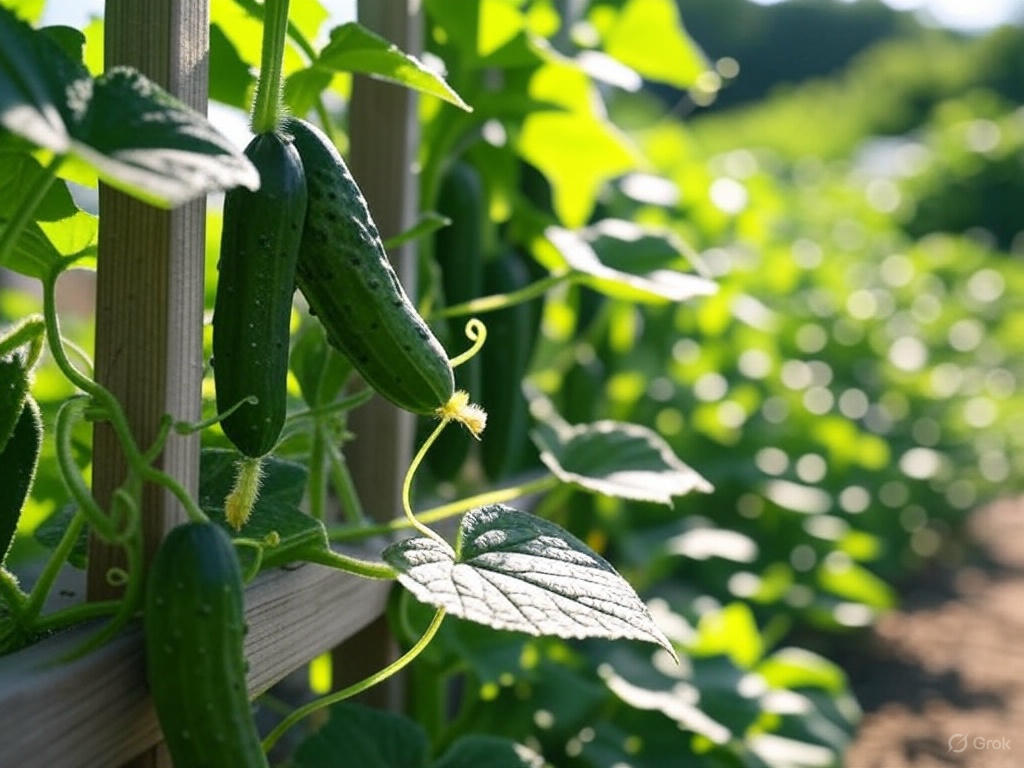
Growing cucumbers on a trellis is simple and rewarding. It saves space and keeps plants healthy.
Now we talk about How to Grow Cucumbers on a Trellis. Cucumbers thrive when grown vertically. Using a trellis supports the vines and helps cucumbers grow straight and clean. This method improves air circulation, reducing the risk of diseases. It also makes harvesting easier, ensuring you get fresh cucumbers all season long.
Whether you have a small garden or a large plot, growing cucumbers on a trellis is a smart choice. This guide will help you understand the steps needed for successful trellis gardening. Let’s explore how you can enjoy a bountiful harvest of cucumbers with this effective gardening technique.

Choosing The Right Trellis
Growing cucumbers on a trellis can transform your garden into a vertical oasis. This method not only saves space but also keeps the plants healthier. Choosing the right trellis is crucial for supporting the vines and ensuring a bountiful harvest. An effective trellis promotes air circulation, reduces pests, and makes harvesting easier. Here’s how to select the best trellis for your cucumber plants.
Table of Contents
Types Of Trellises
Various types of trellises cater to different gardening needs. Understanding these options helps in deciding which one suits your space and style.
- Vertical Trellis: Ideal for square foot gardening cucumbers, this type uses vertical space efficiently. It allows you to grow more plants in a limited area.
- A-Frame Trellis: Provides excellent support and stability. It’s perfect if you plan to grow several cucumber varieties. It allows for easy access during harvest.
- Fence Trellis: Simple and effective. It uses an existing fence as support. This option is great for backyard gardens.
- Arbor Trellis: Adds an aesthetic appeal to your garden. It creates a shaded walkway while supporting the cucumber vines.
Here’s a table to help you decide which trellis might be best for you:
| Trellis Type | Space Required | Support Level | Best For |
|---|---|---|---|
| Vertical Trellis | Minimal | Medium | Square Foot Gardens |
| A-Frame Trellis | Moderate | High | Multiple Varieties |
| Fence Trellis | Minimal | Medium | Backyard Gardens |
| Arbor Trellis | Large | High | Decorative Gardens |
Material Considerations
The material of your trellis affects its durability and the health of your cucumber plants. Choose materials that can withstand weather changes and support the weight of growing vines.
- Wood: A popular choice for its natural look. Ensure it is treated to resist rot. It suits gardens with a rustic theme.
- Metal: Provides robust support and longevity. It’s perfect for areas prone to strong winds. It can withstand heavy vines and is less likely to sag.
- Plastic: Lightweight and affordable. A good choice for temporary setups. It’s easy to handle and move around.
- Bamboo: Eco-friendly and flexible. It blends well with any garden style. It’s strong enough for moderate vine support.
Consider the following factors when choosing materials:
- Weather Resistance: Can the material handle rain, sun, and wind?
- Weight Capacity: Is it strong enough for how many cucumbers per square foot you plan to grow?
- Maintenance: How often will it need repairs or replacement?
Images of cucumber trellis designs can inspire your choice. Ensure your trellis allows for ample air circulation. This prevents issues like cucumber plant leaves turning yellow due to poor airflow.
Selecting Cucumber Varieties
Growing cucumbers on a trellis can transform your garden into a vertical oasis. Selecting the right cucumber varieties is crucial for successful trellising. This choice affects growth, yield, and ease of care. Explore bush and vining types to find the best fit for your trellis garden.
Bush Vs. Vining
Understanding the difference between bush and vining cucumber varieties is essential. Bush cucumbers are compact and suitable for square foot gardening cucumbers. They don’t require much space, making them ideal for small gardens. These types typically produce fewer cucumbers per square foot but are easier to manage.
- Compact growth
- Less space required
- Ideal for container gardens
Vining cucumbers, on the other hand, are perfect for trellis gardening. They spread out and climb, utilizing vertical space efficiently. This allows for more cucumbers per square foot, maximizing yield. Vining types thrive when given support, such as a trellis, to climb.
- Requires support structures
- Higher yield potential
- Utilizes vertical space
Choosing between bush and vining varieties depends on your garden space and goals. For those with limited ground space, bush varieties are ideal. If vertical gardening is your focus, vining types are the best choice.
Best Varieties For Trellising
When selecting cucumber varieties for trellising, focus on vining types. These varieties thrive on structures like trellises. Below are some of the best options for trellis gardening:
- Marketmore 76: Known for its disease resistance and consistent yield. Perfect for vertical growth, offering a bountiful harvest.
- Suyo Long: A traditional Asian variety that grows long and straight. Its vigorous vines make it ideal for trellises.
- Sweet Success: A seedless variety that climbs well. Produces smooth, uniform cucumbers perfect for salads.
These varieties flourish when supported by trellises. Images of cucumber trellis can inspire your setup. Proper trellising prevents cucumber plant leaves turning yellow by ensuring good air circulation.
| Variety | Features |
|---|---|
| Marketmore 76 | Resistant to diseases, high yield |
| Suyo Long | Long, straight fruit, vigorous vines |
| Sweet Success | Seedless, smooth fruit |
Choose wisely to ensure a thriving trellis garden. Select varieties that suit your space and yield goals.
Preparing The Soil
Growing cucumbers on a trellis is a great way to save space and keep your garden neat. Before you start planting, it’s important to prepare the soil properly. Good soil preparation ensures healthy growth and a bountiful harvest. Let’s dive into the details of soil type and nutrient requirements for your cucumber plants.
Soil Type
Choosing the right soil type is crucial for cucumber growth. Cucumbers thrive in well-drained, loamy soil. They prefer soil that holds moisture but also drains well to prevent root rot. Here are some key points to consider:
- Well-Drained Soil: Ensure your soil does not retain excess water.
- Loamy Texture: A mix of sand, silt, and clay provides the best texture.
- pH Level: Aim for a pH between 6.0 and 6.8.
If your soil is not ideal, you can amend it. Adding organic matter like compost improves soil structure and drainage. Here’s a simple table to help you identify the right amendments:
| Soil Type | Amendment |
|---|---|
| Clay Soil | Sand, Compost |
| Sandy Soil | Organic Matter, Peat Moss |
| Loamy Soil | Compost |
Ensure your planting area receives full sun. Cucumbers need at least 6-8 hours of sunlight per day. This is especially important for square foot gardening cucumbers. Knowing how many cucumbers per square foot can help you plan your garden better. Typically, one cucumber plant per square foot is ideal.
Nutrient Requirements
Cucumbers are heavy feeders. They require a nutrient-rich soil to grow well. Here are the essential nutrients cucumbers need:
- Nitrogen (N): Promotes leafy growth. Too much nitrogen can lead to lush leaves but fewer fruits.
- Phosphorus (P): Encourages root development and fruit production.
- Potassium (K): Enhances overall plant health and disease resistance.
Besides these primary nutrients, cucumbers also benefit from secondary nutrients like calcium and magnesium. A balanced fertilizer with a ratio of 5-10-10 (N-P-K) is often recommended. Here’s how to apply it:
- Before planting, mix the fertilizer into the top 6 inches of soil.
- During the growing season, side-dress the plants with additional fertilizer.
- Water the soil well after each fertilizer application.
Organic options like compost and aged manure are also excellent. They provide a slow-release source of nutrients. Watch out for signs of nutrient deficiencies. If cucumber plant leaves turn yellow, it could indicate a lack of nitrogen or other nutrients.
Understanding how to grow cucumbers on a trellis involves knowing the right soil and nutrients. By preparing the soil well, you ensure a healthy and productive cucumber crop.
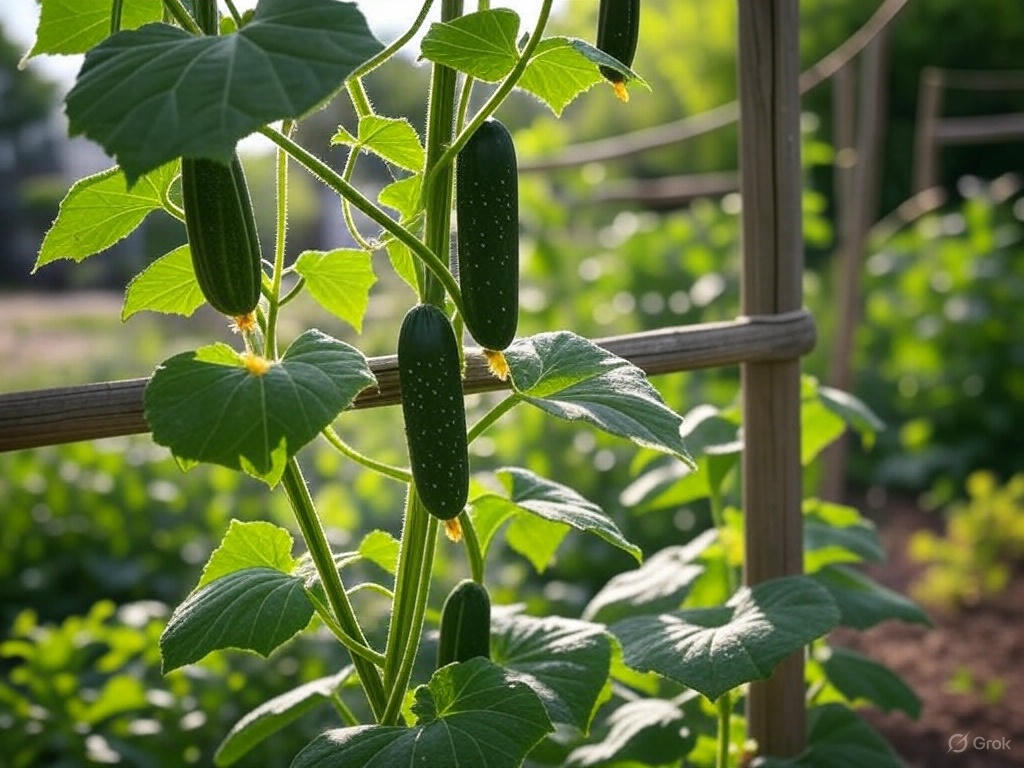
Planting Techniques
Growing cucumbers on a trellis can be a rewarding gardening endeavor. It maximizes space and improves air circulation. Proper planting techniques are crucial. They ensure healthy growth and a bountiful harvest. Let’s explore some effective methods for planting cucumbers on a trellis. This guide will help you understand the key aspects of spacing, depth, and timing. These factors contribute to successful cucumber cultivation.
Spacing And Depth
Correct spacing and depth are vital for cucumber growth. Understanding how to grow cucumbers on a trellis begins with these basics. Crowding can lead to poor air circulation and disease.
For square foot gardening cucumbers, follow these guidelines:
- Space plants 12 inches apart. This allows for optimal growth.
- Plant seeds about 1 inch deep. This ensures proper seedling emergence.
Consider the following table for a quick reference:
| Factor | Recommendation |
|---|---|
| Spacing | 12 inches apart |
| Depth | 1 inch deep |
Spacing not only affects growth but also how many cucumbers per square foot you can cultivate. Proper spacing is crucial for healthy plants. It helps prevent issues like cucumber plant leaves turning yellow. This can be caused by overcrowding and poor air flow.
Timing For Planting
Timing your planting is as important as spacing and depth. Cucumbers thrive in warm soil. Cold soil can hinder germination. Knowing the right time to plant ensures a good start for your cucumbers.
Consider these tips for timing:
- Plant seeds after the last frost date. Soil should be at least 70°F.
- Use images of cucumber trellis setups for planning. This helps visualize your space and timing needs.
Here’s a simple timeline:
| Action | Time |
|---|---|
| Check last frost date | Before planting |
| Ensure soil is warm enough | 70°F or warmer |
| Plant seeds | After soil warms |
Timing affects how to grow cucumbers on a trellis successfully. Planting too early can lead to stunted growth. Ensure the soil is warm enough for the best results.
Trellis Installation
Growing cucumbers on a trellis is an efficient way to maximize your garden space. This vertical gardening method keeps plants healthy and makes harvesting easier. Trellis installation is a crucial step in ensuring your cucumbers thrive. A well-installed trellis supports the weight of growing vines and allows for better air circulation. Let’s explore how to set up your trellis for a bountiful cucumber harvest.
Height And Stability
Choosing the right height and ensuring stability are key factors in trellis installation. A typical cucumber trellis should be around 5 to 6 feet tall. This height supports the full growth potential of cucumber vines. It also keeps the fruit off the ground, reducing the risk of pests and diseases.
Stability is crucial for a successful trellis. A strong gust of wind can topple a flimsy structure, damaging your plants. Consider these tips:
- Use sturdy materials like wood, metal, or PVC pipes.
- Anchor your trellis securely into the ground.
- Ensure the trellis can support the weight of multiple vines.
Here’s a simple table to help you choose materials based on stability and cost:
| Material | Stability | Cost |
|---|---|---|
| Wood | High | Moderate |
| Metal | Very High | High |
| PVC | Moderate | Low |
Regularly check the trellis for any signs of wear or instability, especially after storms. With the right height and stability, your cucumber vines will flourish.
Positioning In The Garden
The position of your trellis in the garden affects the growth and productivity of your cucumber plants. Proper positioning ensures your plants get enough sunlight, which is essential for healthy growth.
Consider these factors for optimal positioning:
- Sunlight: Cucumbers need full sun. Place your trellis in an area that receives at least 6-8 hours of direct sunlight daily.
- Space: For square foot gardening cucumbers, allocate one plant per square foot. This spacing prevents overcrowding and promotes healthy growth.
- Wind Protection: Position the trellis to block strong winds, which can damage the vines.
Images of cucumber trellis setups can inspire and guide you. Ensure the trellis is placed where you can easily access it for maintenance and harvesting. Be mindful of nearby plants; avoid shading those that require full sun. Observe your cucumber plant leaves turning yellow; it could indicate insufficient sunlight or other issues.
By carefully considering the positioning in your garden, you’ll set the stage for a thriving cucumber crop.
Cucumber Care
Growing cucumbers on a trellis is a great way to maximize space and improve yield. With proper cucumber care, your plants will thrive and produce delicious fruits. Learning how to grow cucumbers on a trellis involves understanding their watering and fertilization needs. These aspects are crucial for maintaining healthy plants and ensuring a bountiful harvest.
Watering Practices
Watering your cucumbers correctly is essential for their growth. Cucumbers need consistent moisture, especially during the fruiting period. Follow these practices to keep your plants hydrated:
- Consistency: Water your cucumber plants regularly. Avoid letting the soil dry out completely.
- Deep watering: Ensure the water reaches the root zone. Shallow watering can lead to weak root systems.
- Morning routine: Water in the morning to minimize evaporation and fungal diseases.
Keep an eye on your cucumber plant leaves. If they start turning yellow, it might indicate inconsistent watering or nutrient issues.
| Watering Frequency | Amount per Plant |
|---|---|
| Every 3-4 days | 1-2 inches |
In square foot gardening, cucumbers require careful watering to thrive. Knowing how many cucumbers per square foot can help you determine the exact watering needs for your garden setup.
Fertilization Tips
Proper fertilization is vital for cucumber growth. Cucumbers are heavy feeders and need nutrients to produce healthy fruits:
- Balanced fertilizer: Use a balanced fertilizer to provide essential nutrients.
- Organic options: Consider organic fertilizers like compost or well-rotted manure.
- Timing: Fertilize at planting and again during flowering.
Monitor your plants for signs of nutrient deficiency. Images of cucumber trellis setups often show lush green vines, indicating healthy nutrient levels.
- Start with a soil test to determine nutrient needs.
- Apply fertilizer every 4-6 weeks.
- Adjust based on plant response and growth.
Fertilization ensures strong plants and increases yield. Understanding cucumber care is key to mastering how to grow cucumbers on a trellis.
Pest And Disease Management
Growing cucumbers on a trellis can save space and promote healthier plants. However, managing pests and diseases is crucial to ensure a bountiful harvest. Understanding common threats and taking preventive steps can keep your cucumber plants thriving. Let’s explore how to grow cucumbers on a trellis effectively while keeping those pesky invaders at bay.
Common Pests
Cucumbers can attract various pests that may harm your plants. Knowing the common culprits helps in tackling them swiftly.
- Aphids: Tiny insects that suck sap from leaves. They can cause curling and yellowing of cucumber plant leaves.
- Cucumber Beetles: These beetles chew on leaves, stems, and fruits, sometimes spreading diseases.
- Spider Mites: Small, spider-like pests that create webs under leaves. They cause leaf discoloration and spotting.
- Whiteflies: Small, white-winged insects that feed on plant juices. They can weaken the plants significantly.
Here’s a quick reference table for pest symptoms:
| Pest | Symptoms |
|---|---|
| Aphids | Curling leaves, yellowing |
| Cucumber Beetles | Chewed leaves, disease spread |
| Spider Mites | Leaf discoloration, spotting |
| Whiteflies | Weak plants, sap loss |
Preventive Measures
Preventing pests is easier than dealing with infestations. Implementing these measures can safeguard your cucumber plants:
- Regular Inspections: Check leaves and stems weekly for signs of pests. Early detection prevents spread.
- Companion Planting: Grow marigolds or nasturtiums near cucumbers. They repel pests naturally.
- Natural Pesticides: Use neem oil or insecticidal soap. They are effective and safe for cucumber plants.
- Healthy Soil: Maintain well-drained soil with compost. Healthy soil fosters strong plants that resist pests.
For square foot gardening cucumbers, ensure you know how many cucumbers per square foot you can grow. This reduces overcrowding, which can attract pests. Use images of cucumber trellis setups to optimize space and airflow, minimizing pest attraction.
Keep your cucumber trellis free from debris. This prevents hiding spots for pests. Make sure to remove any leaves turning yellow promptly. They can attract unwanted insects and lead to disease.
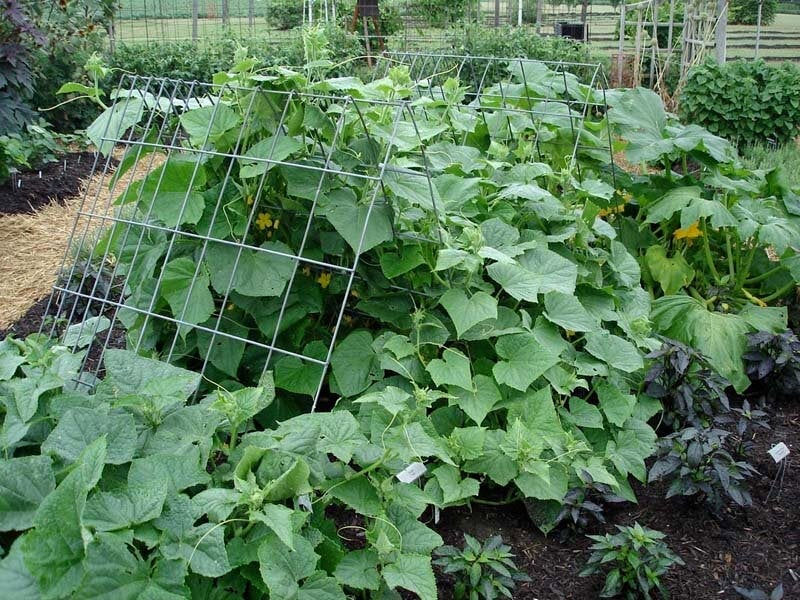
:max_bytes(150000):strip_icc()/lean-to-cucumber-trellis-8e1b7829cbf14456aa078a68fcb12552.png)
Frequently Asked Questions
How Do I Get My Cucumbers To Grow Up A Trellis?
Train cucumber vines to climb by gently tying them to the trellis with soft ties. Plant cucumbers near the base of the trellis. Regularly guide tendrils towards the trellis. Ensure they receive sunlight and water. Prune excess leaves to promote growth and air circulation.
Do Cucumbers Grow Better On The Ground Or On A Trellis?
Cucumbers grow better on a trellis. It improves air circulation and reduces disease risk. Trellises also save space and make harvesting easier. Growing on the ground can lead to diseases and pest problems. Choose a sturdy trellis for optimal growth.
Should I Water Cucumbers Every Day?
Water cucumbers deeply 1-2 times a week. Adjust based on soil moisture and weather conditions. Overwatering can harm plants. Consistent watering promotes healthy growth and prevents bitterness. Check soil regularly to ensure proper hydration. Mulching helps retain moisture. Avoid daily watering unless in very hot, dry climates.
What Is The Trick To Growing Cucumbers?
Ensure cucumbers receive full sun and well-drained soil. Water consistently and provide support for vines. Use mulch to retain moisture and control weeds. Fertilize with a balanced fertilizer every few weeks. Regularly check for pests and diseases to maintain healthy growth.
How Do You Grow Cucumbers On A Trellis?
To grow cucumbers on a trellis, plant seeds at the base. Train vines upward.
What Is The Best Trellis For Cucumbers?
A sturdy, vertical trellis with strong support. Ensure it can handle cucumber weight.
How Tall Should A Cucumber Trellis Be?
A cucumber trellis should be 5-6 feet tall. This height supports full vine growth.
Conclusion
Growing cucumbers on a trellis is rewarding. It saves space and simplifies harvesting. Healthy plants need sunlight, water, and nutrient-rich soil. Support vines with ties for better growth. Regularly check for pests and diseases. Trellises help cucumbers grow straighter and cleaner.
This method improves air circulation and reduces rot. Start small and learn as you go. Enjoy fresh cucumbers in salads and snacks. Gardening brings joy and healthy food. Remember to be patient. Nature takes its time. Happy planting!