
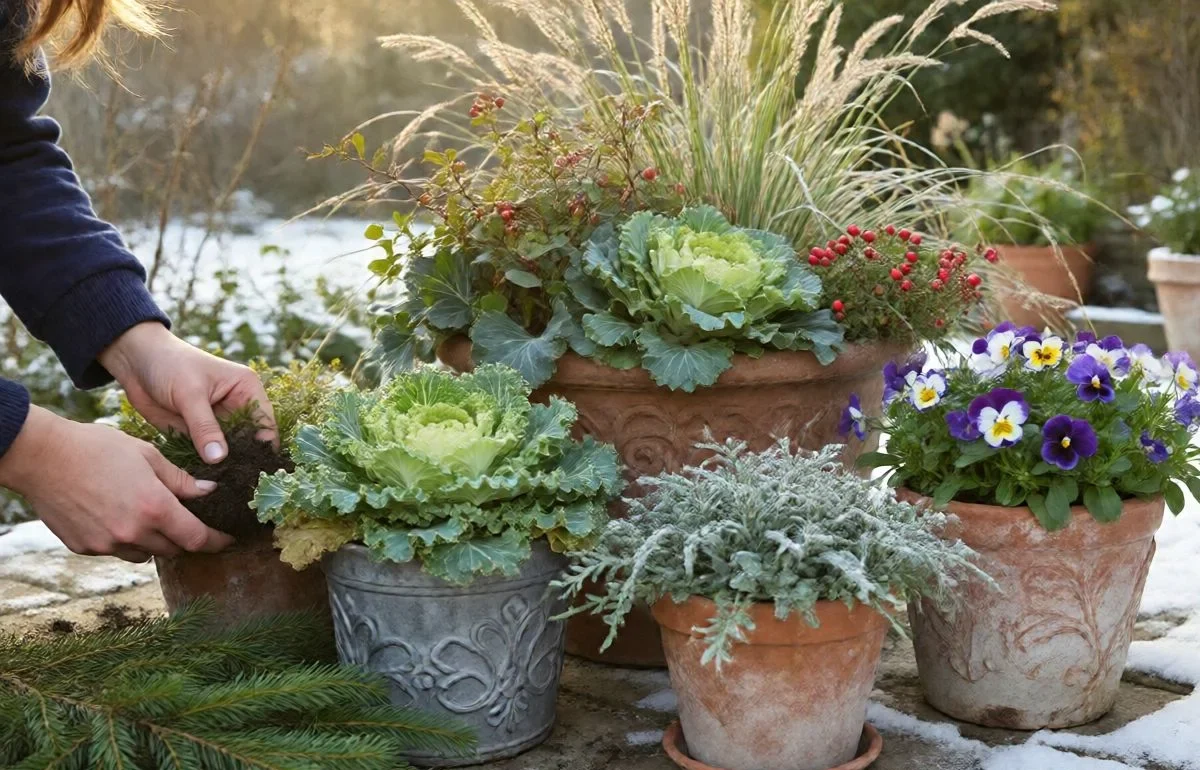

When winter arrives, it’s easy to think your outdoor plants have to take a break too. But what if you could keep your garden alive and colorful, even in the coldest months?
You don’t need a green thumb or a big yard to enjoy beautiful outdoor container plants all winter long. With the right choices, your pots can brighten up chilly days and add life to your porch or patio. Keep reading to discover which plants thrive in winter and how you can care for them to create a stunning, frost-resistant garden that lasts until spring.
Choosing Hardy Plants
Choosing hardy plants is key for successful outdoor container plants for winter. These plants survive cold, wind, and frost better than most. Picking the best plants for winter containers means your garden stays lively even in harsh weather. Hardy plants need less care and keep your planting containers for winter looking fresh longer. Focus on species that thrive in cold to make the most of your container plants for fall and winter.
Understanding Plant Hardiness
Plant hardiness means a plant’s ability to survive cold temperatures. It depends on the plant’s genetics and where it originally grew. Hardy plants can handle freezing weather without damage. Knowing your area’s climate zone helps pick the right plants. The USDA Hardiness Zone Map is a good tool for this.
Top Hardy Plants For Winter Containers
| Plant Name | Type | Winter Features |
|---|---|---|
| Boxwood | Evergreen Shrub | Maintains green leaves all winter |
| Heuchera | Perennial | Colorful leaves that resist frost |
| Pansies | Flowering Annual | Bright blooms in cold weather |
| Hellebores | Perennial | Blooms in late winter or early spring |
| Evergreen Ferns | Fern | Keep texture and color through winter |
Factors To Consider When Choosing Hardy Plants
- Sunlight: Some plants need full sun, others prefer shade.
- Water needs: Choose plants with similar watering needs.
- Container size: Bigger plants need larger pots to survive winter.
- Soil type: Well-draining soil prevents root rot in cold weather.
- Plant height: Taller plants offer structure; shorter plants add ground cover.
Maintaining Hardy Plants In Winter Containers
- Water plants moderately to avoid drying out.
- Use mulch to protect roots from freezing.
- Place containers in sheltered spots to reduce wind damage.
- Check plants regularly for signs of stress or pests.
- Remove dead leaves to keep containers tidy.
Table of Contents
Best Evergreens For Containers
Outdoor container plants for winter brighten cold months with green hues and texture. Choosing the best evergreens for containers keeps your space lively and fresh. Evergreens stay green all year, making them the best plants for winter containers. They thrive in chilly weather and add structure to your outdoor decor. Using the best container plants for winter means less work and more beauty. Planting containers for winter with hardy evergreens ensures a stunning look even in snow. These container plants for fall and winter need little care but give a big impact.
Spruce Evergreens For Winter Containers
Spruce trees offer a classic look and strong winter survival. Their needles stay bright and firm. Spruces come in many sizes, perfect for small or large containers.
- Dwarf Alberta Spruce: Slow-growing, cone-shaped, ideal for small spaces.
- Blue Spruce: Blue-green needles, adds color contrast in winter.
Boxwood: The Versatile Evergreen
Boxwood is a popular choice for winter containers. It shapes well and stays green through cold months.
- Can be trimmed to neat shapes or left natural.
- Hardy in many climates and easy to care for.
Holly: Bright Berries And Deep Green Leaves
Holly shrubs bring color with their red berries and glossy leaves. They create interest and festive vibes.
- Choose female plants for berries.
- They grow well in pots and tolerate cold weather.
Juniper: Tough And Textured
Junipers offer a range of textures and shades. They are low maintenance and perfect for winter planting containers.
- Needle-like foliage adds unique texture.
- Varieties include upright and spreading forms.
| Evergreen Type | Key Features | Container Size | Care Level |
|---|---|---|---|
| Dwarf Alberta Spruce | Compact, cone-shaped, slow growth | Small to Medium | Low |
| Blue Spruce | Blue-green needles, color contrast | Medium to Large | Medium |
| Boxwood | Dense foliage, easy shaping | Small to Large | Low |
| Holly | Red berries, glossy leaves | Medium | Medium |
| Juniper | Varied textures, tough | Small to Large | Low |
Seasonal Color Additions
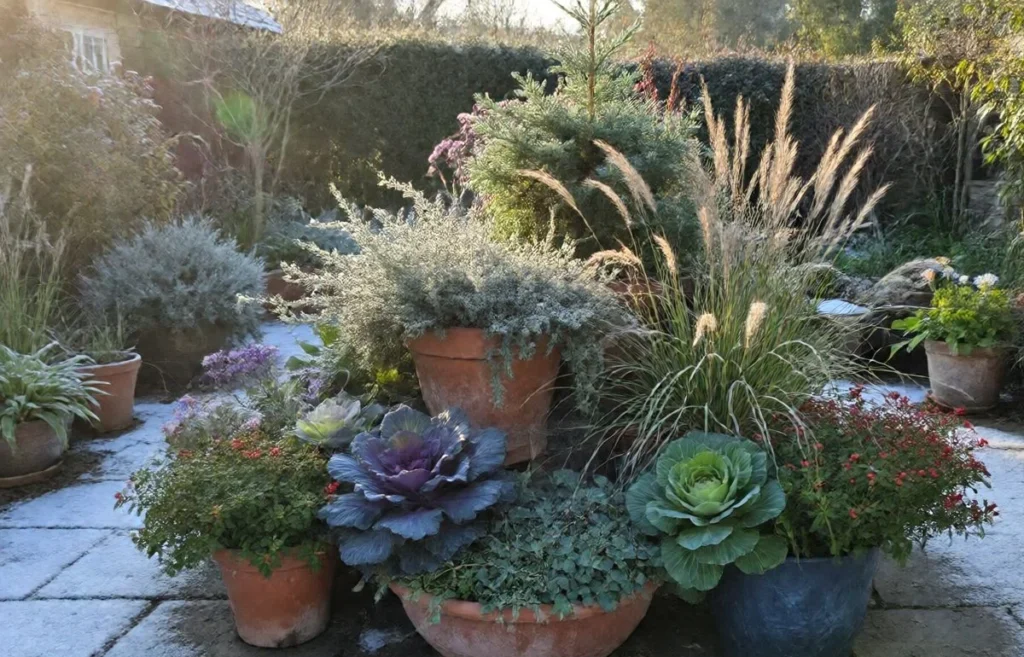
Outdoor container plants for winter bring life and color when most gardens fade. Choosing the best plants for winter containers adds charm to any porch or patio. Seasonal color additions make planting containers for winter exciting and vibrant. Using the best container plants for winter keeps your space lively through cold months. Container plants for fall and winter offer a simple way to brighten chilly days.
Choosing Bright And Bold Colors
Bright colors catch the eye in winter’s dull landscape. Plants with red, orange, or yellow leaves create warmth. Many winter-hardy plants keep their colors well. For example, pansies and ornamental kale show strong, lasting hues. Evergreen shrubs like boxwood add deep green tones. Mixing these colors creates a lively container display.
Using Seasonal Blooms For Color
Some outdoor container plants for winter bloom even in cold weather. Winter jasmine and hellebores provide early flowers. These blooms add gentle colors like white, pink, or purple. Plant them with evergreens to balance color and texture. This approach brightens planting containers for winter beautifully.
Incorporating Foliage For Year-round Interest
Foliage adds color and texture without flowers. Some plants change leaf color in fall and winter. Heuchera offers purple and red leaves, great for containers. Ornamental grasses add movement and soft colors. Mixing foliage plants with blooms keeps containers fresh longer.
Tips For Arranging Seasonal Plants
- Place taller plants in the back or center.
- Use medium height plants around the tall ones.
- Fill edges with low-growing, spreading plants.
- Mix different leaf shapes and colors for interest.
- Keep soil moist but not soggy for best growth.
Winter Care For Colorful Containers
Protect plants from freezing winds by placing containers near walls. Use mulch to keep roots warm. Water plants less often but do not let soil dry out. Remove dead leaves to keep containers tidy. This care helps seasonal color additions last all winter.
Winter Care Tips
Outdoor container plants for winter need special care to survive cold months. Winter care tips help keep plants healthy and looking good. Using the best plants for winter containers and the right planting containers for winter makes a big difference. These tips work well for container plants for fall and winter. Follow simple steps to protect your best container plants for winter from frost and cold winds.
Protecting Plants From Frost
Frost can damage outdoor container plants for winter quickly. Cover containers with burlap, frost cloth, or old blankets at night. Move smaller containers to sheltered spots like porches or against walls. Avoid letting water sit on leaves in cold weather. This can cause frost damage.
Watering Tips For Winter Containers
Watering is important for best plants for winter containers. Water only when the soil feels dry. Overwatering can freeze and harm roots. Use lukewarm water to avoid shocking plants. Early morning watering is best. It lets moisture soak in before cold nights.
Choosing The Right Soil And Fertilizer
Use well-draining soil in planting containers for winter. This stops water from freezing around roots. Add slow-release fertilizer to feed container plants for fall and winter. Avoid high nitrogen fertilizers that encourage leaf growth. Focus on root health and plant strength instead.
Placement And Shelter
- Place containers where they get sunlight during winter days.
- Keep plants away from harsh winds and drafts.
- Group containers together to create warmth.
- Elevate pots off cold surfaces to protect roots.
Pruning And Cleaning
Trim dead or damaged leaves from best container plants for winter. This stops disease and pests. Remove fallen leaves from soil surface. Clean containers to reduce mold and fungi risks. Healthy plants survive winter better.
Protecting Roots From Frost
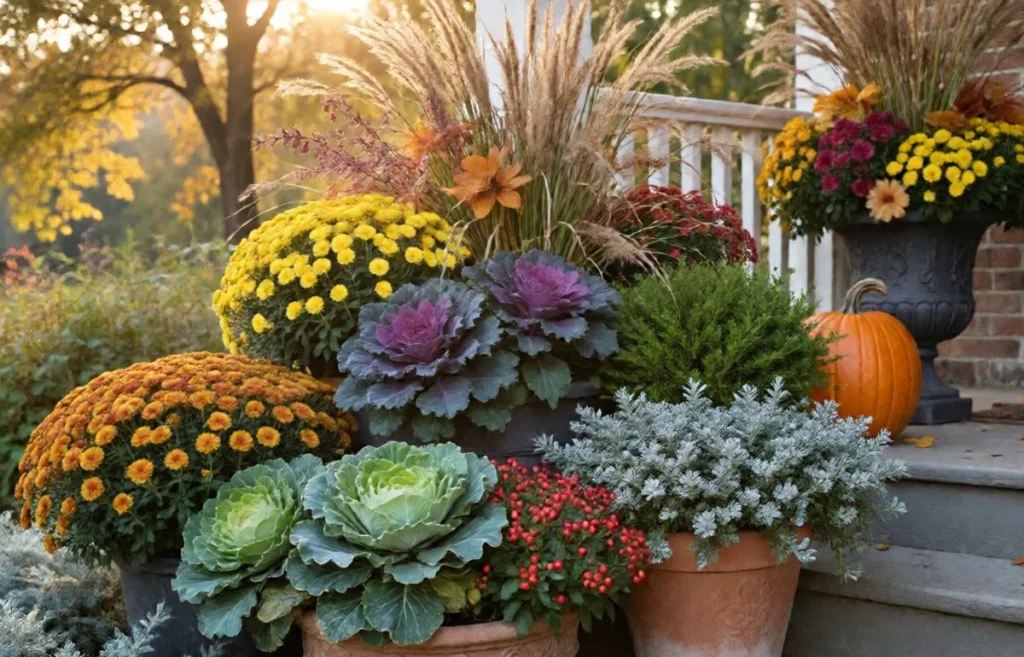
Outdoor container plants for winter need special care to survive cold weather. Protecting roots from frost is key to keeping these plants healthy. Roots are sensitive and can easily get damaged by freezing temperatures. The best plants for winter containers often have hardy roots, but extra protection helps them last through frost. Using the right planting containers for winter and adding insulation around roots can make a big difference. Container plants for fall and winter thrive longer when their roots stay warm and safe. This section explains simple ways to protect roots from frost.
Using Mulch To Insulate Roots
Mulch is a natural, easy way to keep roots warm. It acts like a blanket, holding heat in the soil. Use organic materials like:
- Straw
- Wood chips
- Shredded leaves
Spread 2-3 inches of mulch on top of the soil in your containers. This layer reduces temperature swings and protects roots from freezing. Mulch also keeps moisture in the soil, which helps plants stay healthy during winter.
Choosing The Right Container Material
Containers made from certain materials protect roots better. Look for containers that have good insulation properties, such as:
| Container Material | Insulation Quality | Notes |
|---|---|---|
| Fiberglass | High | Lightweight and retains heat well |
| Wood | High | Natural insulator, protects roots from cold |
| Plastic | Moderate | Less insulation but lightweight and affordable |
| Ceramic | Low | Can crack in freezing temperatures |
Using the best container plants for winter in insulated containers helps roots stay safe from frost.
Wrapping Containers For Extra Protection
Wrapping containers adds a shield against freezing temperatures. Wrap with materials such as:
- Burlap
- Bubble wrap
- Foam insulation
Secure the wrapping with twine or tape. This method keeps cold air from reaching the soil and roots. Wrapping is especially helpful for plastic or ceramic containers that do not insulate well.
Placing Containers In Sheltered Spots
Location affects how well container plants survive winter. Place containers near walls or under eaves to block cold winds. Grouping pots together also helps them stay warmer. Avoid spots where water can collect and freeze around the roots. These simple steps protect roots and improve plant survival in winter.
Ideal Container Materials
Choosing the right ideal container materials is essential for successful outdoor container plants for winter. The material affects how well your plants survive cold temperatures. It also influences moisture retention and insulation. Picking the wrong container can harm best container plants for winter. Containers must protect roots from freezing and allow proper drainage. The best plants for winter containers thrive in containers that balance durability and breathability. Understanding different planting containers for winter helps you keep your container plants for fall and winter healthy and vibrant all season.
Terracotta And Clay Pots
Terracotta and clay are popular for container plants for fall and winter. These pots are porous, which lets air and moisture pass through. This helps prevent root rot. They are heavy, so they resist tipping in winter winds. But terracotta can crack in freezing temperatures if water inside freezes. To protect, bring them indoors during harsh freezes or use insulated covers.
Plastic Containers
Plastic containers are lightweight and affordable. They retain moisture well, which benefits best container plants for winter. Plastic is less likely to crack in cold weather compared to clay. Many come in dark colors, which absorb heat and keep roots warmer. Choose thick, high-quality plastic for better insulation. Ensure good drainage holes to avoid waterlogging.
Wooden Planters
Wooden containers provide natural insulation for outdoor container plants for winter. They keep soil warmer by blocking cold winds. Cedar and redwood resist rot and last longer outdoors. Treat wood with non-toxic sealants to increase durability. Wooden planters are heavy, so they stay stable in wind. They blend well with garden landscapes and support healthy plant growth.
Metal Containers
Metal pots look stylish and modern. They are durable but conduct cold quickly. This can harm roots during freezing weather. To use metal safely, line pots with insulating materials like foam or burlap. Avoid placing metal containers directly on cold surfaces. Metal is best for short-term use or mild winter areas.
Comparing Container Materials For Winter Gardening
| Material | Pros | Cons | Best For |
|---|---|---|---|
| Terracotta/Clay | Porous, breathable, heavy | Can crack in freezing weather | Drought-tolerant plants |
| Plastic | Lightweight, moisture-retentive, affordable | Less breathable, can overheat roots | Moisture-loving plants |
| Wood | Natural insulation, durable, attractive | Needs sealing, can rot over time | Most winter-hardy plants |
| Metal | Strong, stylish, durable | Conducts cold, can harm roots | Short-term or mild winters |
Creative Container Arrangements
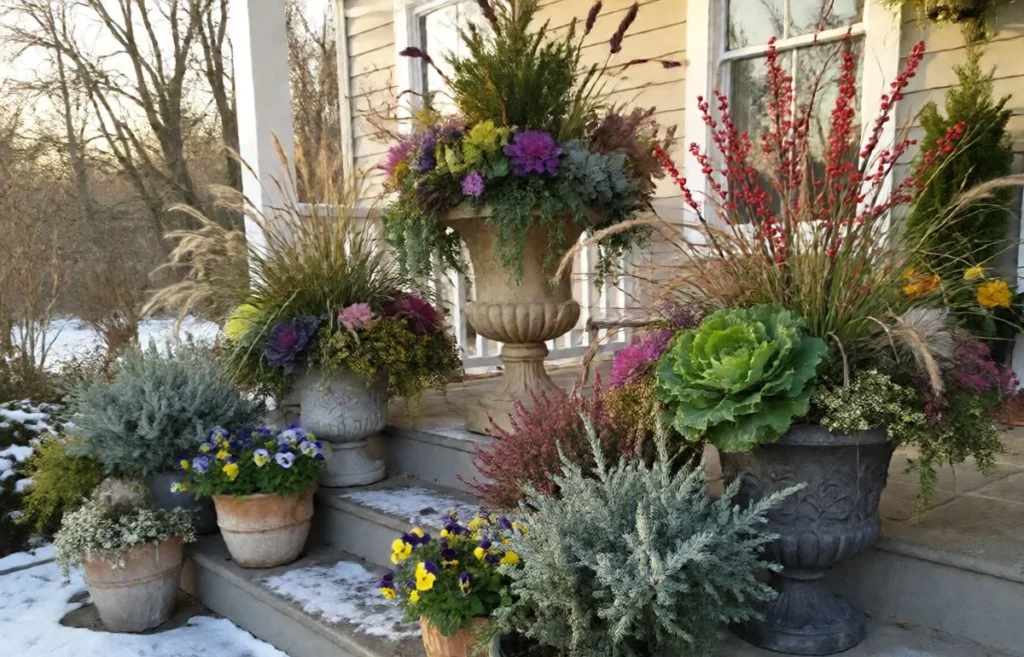
Outdoor container plants for winter bring life to chilly days. Creative container arrangements keep your garden bright and inviting. Choosing the best plants for winter containers helps your outdoor space stay colorful. Planting containers for winter is a fun way to add charm. Using the best container plants for winter offers variety and texture. Container plants for fall and winter create a warm, cozy feel despite the cold.
Choosing The Right Plants For Winter Containers
Pick hardy plants that survive cold temperatures well. Evergreens, ornamental cabbages, and pansies are popular choices. These plants stay vibrant and healthy through winter. Mix plants with different colors and shapes for interest. Avoid plants that need a lot of warmth or sun. Focus on those labeled as winter-hardy or frost-resistant.
Layering For Depth And Texture
Layer plants to add depth and texture to your containers. Start with tall plants in the center or back. Use medium-height plants around the tall ones. Add trailing plants on the edges to soften the container sides.
- Tall plants: Evergreens like juniper or small conifers
- Medium plants: Heathers and ornamental kale
- Trailing plants: Ivy or creeping thyme
Layering creates a rich, full look that draws the eye.
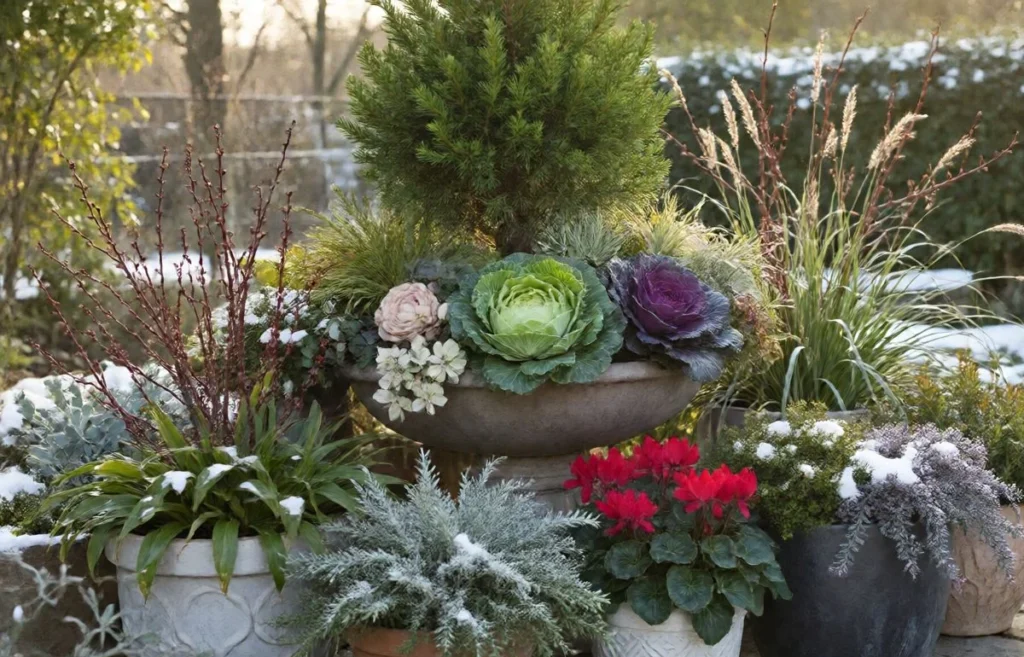
Using Color To Brighten Winter Days
Colors brighten dull winter landscapes. Choose plants with bold reds, purples, and greens. Ornamental cabbages offer striking purple and white leaves. Winter berries add red or orange pops. Mix dark greens with bright hues for contrast.
| Plant | Color | Winter Hardiness |
|---|---|---|
| Pansies | Yellow, Purple, Blue | High |
| Heathers | Pink, White, Purple | High |
| Winterberry | Red | High |
Container Selection And Arrangement Tips
Choose containers that protect roots from freezing. Thick ceramic or wooden pots work well. Avoid thin plastic pots that crack in cold. Group containers close to create warmth and shelter.
- Place larger containers at the back or corners.
- Use smaller pots to fill gaps and add layers.
- Elevate some containers on stands for variety.
Adding Decorative Elements For Interest
Decorative touches enhance winter container displays. Use pinecones, twigs, or dried flowers. Add stones or small ornaments for texture. Fairy lights add sparkle during dark evenings.
- Natural elements blend well with plants.
- Keep decorations simple to avoid clutter.
- Change decorations seasonally for freshness.
Frequently Asked Questions
What Are The Best Outdoor Container Plants For Winter?
Evergreens like boxwood and holly are great for winter containers. Pansies and ornamental cabbage add color and survive cold weather well.
How Do I Protect Outdoor Container Plants From Frost?
Move containers to a sheltered spot or wrap them with burlap. Mulch the soil surface to keep roots warm during frost.
Can I Use Flowering Plants In Winter Containers?
Yes, cold-hardy flowers like cyclamen and hellebores bloom in winter. They brighten containers and survive chilly temperatures.
How Often Should I Water Outdoor Winter Container Plants?
Water sparingly since plants grow slower in cold weather. Check soil moisture and water only when the top feels dry.
What Soil Is Best For Outdoor Winter Containers?
Use well-draining potting soil mixed with compost. Good drainage prevents root rot in cold, wet conditions.
Should I Fertilize Winter Container Plants Outdoors?
Fertilize lightly with a slow-release fertilizer in early winter. Avoid heavy feeding, as plants grow slowly in cold weather.
How Do I Prevent Outdoor Container Plants From Drying Out?
Wind and cold can dry plants quickly. Place containers in sheltered spots and water when soil feels dry.
Conclusion
Outdoor container plants bring life to cold winter days. Choose hardy plants that can survive frost and snow. Use good soil and water them just enough. Group containers for extra warmth and protection. Move pots to sheltered spots during strong winds.
Add mulch to keep roots warm and moist. These small steps help your plants thrive all winter. Enjoy a splash of green even in the coldest months. Your winter garden can stay bright and healthy with care.