
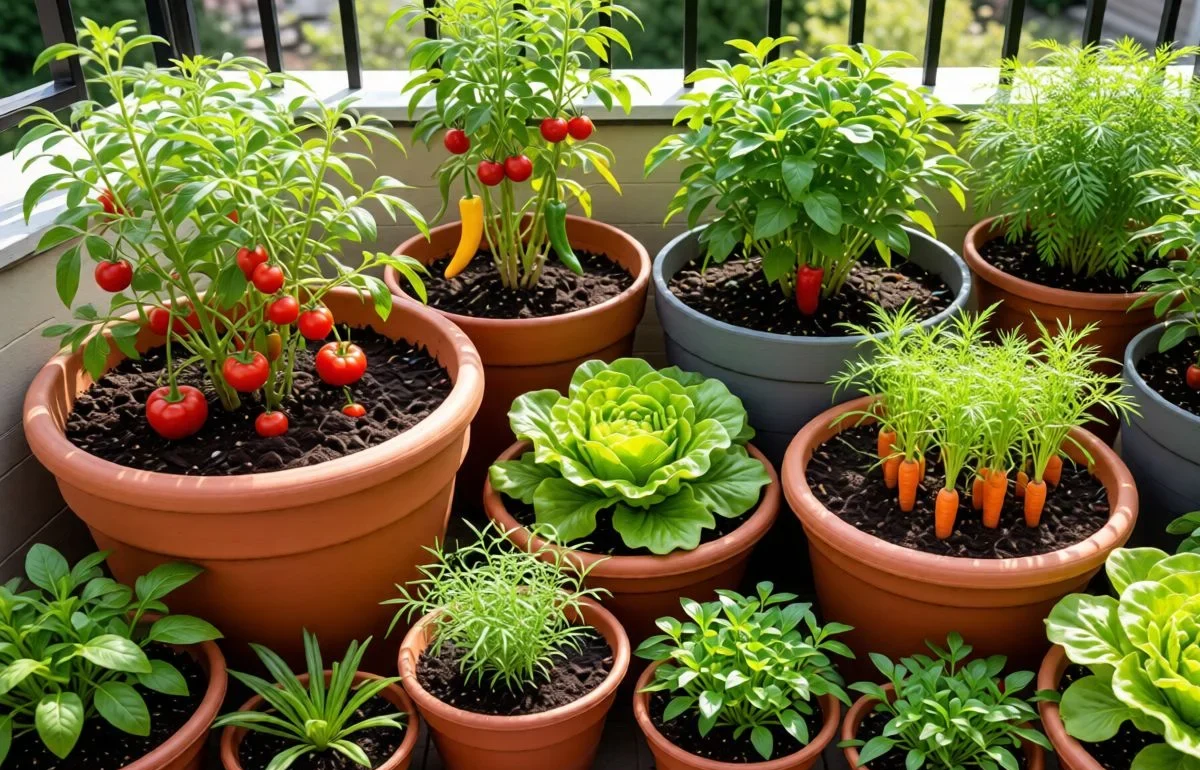

Are you ready to enjoy fresh, homegrown vegetables but think you don’t have the space? Growing vegetables in pots might be the perfect solution for you.
Whether you have a small balcony, a cozy patio, or just a sunny windowsill, you can still grow tasty and nutritious veggies right where you live. Imagine picking your own crisp lettuce or juicy cherry tomatoes whenever you want, without leaving your home.
Keep reading to discover which vegetables thrive in pots and how you can start your own mini garden today. Your green thumb is closer than you think!
Best Vegetables For Pots
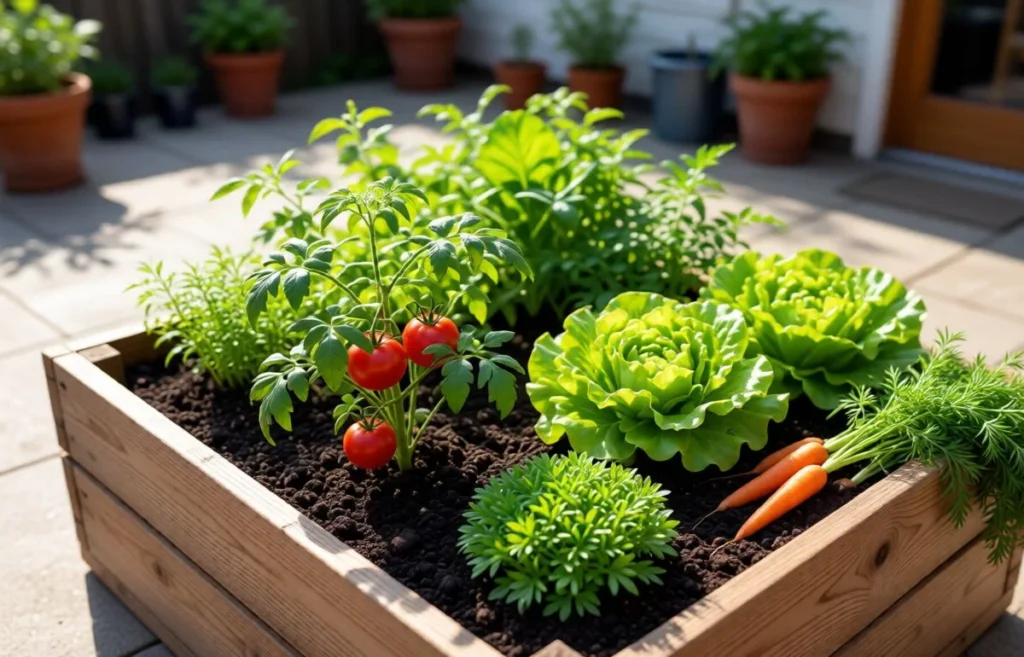
Growing your own food is rewarding, especially with vegetables to grow in pots. Small spaces, like balconies or patios, work great for container gardening. Choosing the best vegetables for pots ensures a healthy, productive garden. Some vegetables thrive in limited soil and need less space, making them ideal for pots.
Leafy Greens
Leafy greens are among the easy vegetable plants to grow in pots. They need shallow pots and grow quickly. Varieties like spinach, lettuce, and kale do well in containers. These plants prefer cooler weather and moist soil. Leafy greens provide fresh salads almost all year round.
Root Vegetables
Root vegetables like carrots, radishes, and beets grow well in deep pots. Choose pots at least 12 inches deep for proper root development. These vegetables need loose, well-drained soil. Growing root vegetables in a box or pot helps control soil quality and pests.
Tomatoes
Tomatoes are popular for growing vegetables in a box. They require larger pots and plenty of sunlight. Use pots with good drainage and rich soil. Tomato plants benefit from regular watering and support like stakes or cages. They produce fruit all season long with care.
Herbs
Herbs like basil, parsley, and cilantro are perfect for small pots. They are easy vegetable plants to grow in pots and add flavor to meals. Herbs need less space but plenty of sunlight. Harvest leaves often to encourage growth and keep plants healthy.
Peppers
Peppers grow well in medium-sized pots. They need warmth and sun. Use rich soil and water regularly. Hot and sweet pepper varieties do well in containers. Peppers add color and spice to homegrown vegetables.
| Vegetable | Pot Size | Sunlight | Water Needs |
|---|---|---|---|
| Leafy Greens | 6-8 inches deep | Partial to full sun | Keep soil moist |
| Root Vegetables | 12+ inches deep | Full sun | Moderate |
| Tomatoes | 12-18 inches deep | Full sun | Regular, deep watering |
| Herbs | 4-6 inches deep | Full sun | Moderate |
| Peppers | 10-12 inches deep | Full sun | Regular |
Table of Contents
Choosing The Right Pot
Growing vegetables in pots is a great way to enjoy fresh produce even with limited space. Picking the right pot plays a big role in success. It affects how well the plants grow and how easy it is to care for them. Knowing what vegetables grow well in pots helps choose the best container. This guide covers key points about pots for easy vegetable plants to grow in pots and growing vegetables in a box.
Pot Size And Depth
Choose a pot size based on the vegetable type. Larger plants like tomatoes need deep pots. Small vegetables like herbs do fine in smaller pots.
- Shallow pots suit leafy greens and herbs.
- Medium pots work for root vegetables like carrots.
- Deep pots are best for tomatoes, peppers, and beans.
Proper depth allows roots to grow strong and absorb water and nutrients.
Material Matters
Pots come in different materials. Each has pros and cons for vegetable growing.
| Material | Benefits | Drawbacks |
|---|---|---|
| Plastic | Lightweight, cheap, retains moisture well | Less breathable, can overheat in sun |
| Ceramic/Clay | Breathable, stable temperature | Heavy, can crack in cold weather |
| Wood | Natural look, good insulation | Needs treatment to avoid rot |
Drainage And Aeration
Drainage holes are a must. They stop water from pooling at the bottom. This prevents root rot and keeps plants healthy.
- Check that pots have multiple holes.
- Use pot feet or a stand to help water drain freely.
- Adding a layer of stones at the bottom can improve drainage.
Portability And Placement
Consider pot weight and size for moving plants easily. Portable pots help with changing sunlight and weather conditions.
- Choose pots with handles or lightweight materials for mobility.
- Ensure pots fit your available space for growing vegetables in a box or on a balcony.
- Think about sunlight exposure when placing pots outdoors.
Choosing the right pot supports strong growth and easier care. It matches the needs of vegetables to grow in pots and improves harvest success.
Soil And Fertilizer Tips
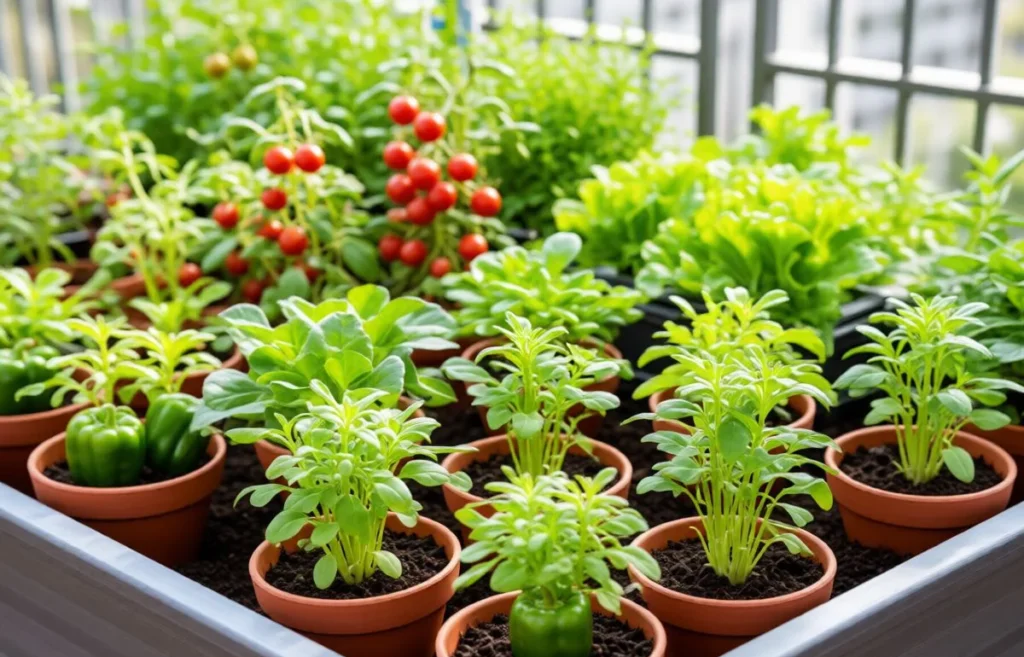
Growing vegetables in pots is a smart way to enjoy fresh produce at home. Choosing the right soil and fertilizer helps plants stay healthy and strong. Good soil holds water and nutrients for easy vegetable plants to grow in pots. Knowing what vegetables grow well in pots makes your garden thrive.
Choosing The Right Soil For Vegetables To Grow In Pots
Use high-quality potting soil made for containers. Garden soil is too heavy and may cause poor drainage. Potting soil is light and keeps roots healthy. Look for soil with peat moss, vermiculite, or perlite. These materials hold moisture and air.
- Good drainage prevents root rot.
- Soil should stay moist but not soggy.
- Check soil pH; most vegetables prefer 6.0 to 7.0.
Fertilizer Tips For Growing Vegetables In A Box
Regular feeding is key when growing vegetables in a box or pot. Soil nutrients run out faster in containers than in the ground. Use a balanced, water-soluble fertilizer every 2-4 weeks. Choose one with nitrogen, phosphorus, and potassium (N-P-K).
| Type of Fertilizer | Best For | How Often to Apply |
|---|---|---|
| Balanced (10-10-10) | Most vegetables | Every 2-4 weeks |
| High Nitrogen | Leafy greens | Every 2 weeks |
| High Phosphorus | Root vegetables | Once at planting |
Using Mulch For Healthy Potted Vegetable Gardens
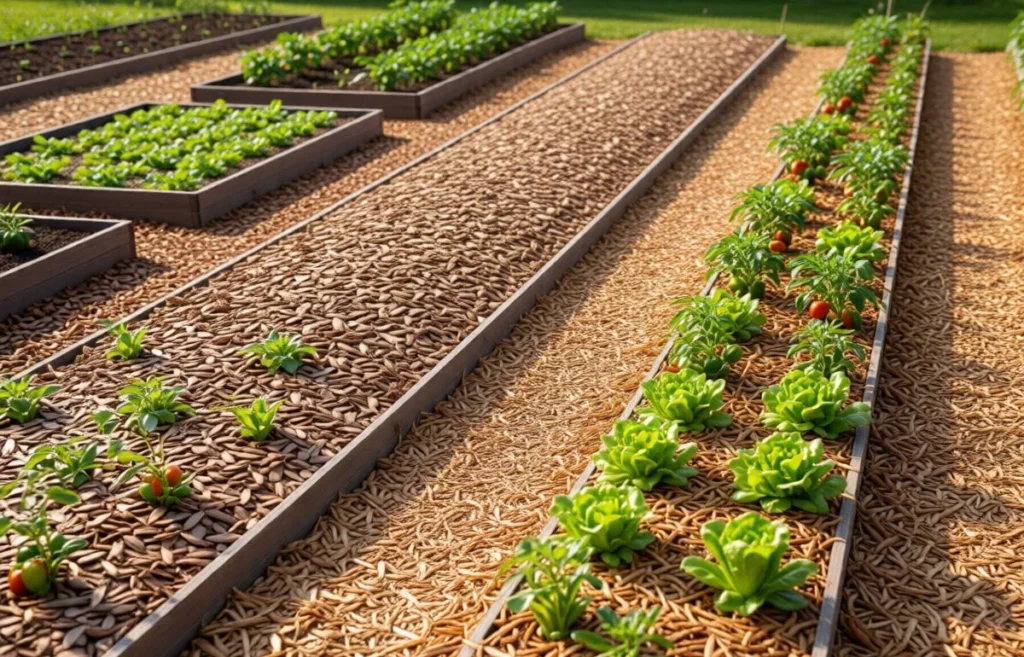
Mulch helps keep soil moist and cool. It reduces weeds and adds nutrients. The best mulch for vegetable gardens includes straw, shredded leaves, or compost. Spread a thin layer on top of the soil. Avoid thick mulch that holds too much water.
- Retains moisture during hot days.
- Protects roots from temperature swings.
- Improves soil quality over time.
Watering Essentials
Growing vegetables in pots can be a fun and rewarding way to enjoy fresh produce at home. Choosing the right vegetables to grow in pots makes gardening simple and satisfying. Easy vegetable plants to grow in pots include tomatoes, peppers, and lettuce. Knowing how to water these plants properly is key to their success. Watering essentials help ensure your vegetables get just the right amount of moisture. This helps prevent overwatering or underwatering, which can harm your plants.
Understanding Water Needs Of Vegetables To Grow In Pots
Different vegetables have different water needs. For example, leafy greens like lettuce need consistent moisture. Tomatoes and peppers prefer soil that dries slightly between watering. Knowing what vegetables grow well in pots means understanding their watering habits. Check the soil daily by touching it. If the top inch feels dry, it is time to water.
How To Water Vegetables In Pots Correctly
- Water deeply: Ensure water reaches the roots, not just the soil surface.
- Water in the morning: This helps plants absorb moisture before heat rises.
- Use a watering can or drip system: These methods provide gentle, steady water.
- Avoid wetting leaves: Wet leaves can cause diseases.
Choosing The Best Mulch For Vegetable Gardens In Pots
Mulch helps keep soil moist longer and reduces watering frequency. It also keeps soil temperature steady. For growing vegetables in a box or pots, use organic mulches like straw or shredded leaves. Avoid heavy mulches that block air flow. Mulch is the best mulch for vegetable gardens when it balances moisture and airflow.
Signs Of Overwatering And Underwatering In Container Vegetables
| Condition | Signs | Action |
|---|---|---|
| Overwatering | Yellow leaves, soft stems, moldy soil | Reduce watering frequency, improve drainage |
| Underwatering | Wilting, dry soil, brown leaf edges | Increase watering, check pot drainage |
Sunlight Needs
Sunlight is a key factor for growing vegetables in pots. Most vegetables need several hours of light daily to thrive. Without enough sun, plants become weak and produce less food. Understanding the sunlight needs helps select the right spot and the best vegetables to grow in pots. This knowledge also supports the care of easy vegetable plants to grow in pots, ensuring better growth and harvest.
Understanding Sunlight Requirements For Vegetables
Vegetables vary in how much sunlight they require. Some need full sun, while others do well in partial shade. Knowing what vegetables grow well in pots depends on matching these needs with your available sunlight. Full sun means at least 6 hours of direct light daily. Partial shade means 3-6 hours of sun or filtered light. Shade lovers need less than 3 hours of direct sunlight.
Choosing The Best Location For Growing Vegetables In A Box
Place your pots where they get the right sun amount. South-facing windows or balconies get the most sunlight. East or west-facing spots work too but offer less sun. Avoid shady corners or areas blocked by trees or buildings. Rotating pots can help plants get even light. This is crucial for growing vegetables in a box or containers.
Sunlight And Mulch: What Is The Best Mulch For Vegetable Gardens In Pots?
Mulch helps keep soil moist and controls weeds in pot gardens. The best mulch for vegetable gardens retains moisture without blocking sunlight. Use thin layers of organic mulch like straw, shredded leaves, or compost. Avoid thick mulch that covers plant leaves or blocks light. Mulch also keeps soil temperature steady, helping plants grow well.
Table: Sunlight Needs For Common Vegetables To Grow In Pots
| Vegetable | Sunlight Requirement | Notes |
|---|---|---|
| Tomatoes | Full Sun (6-8 hours) | Needs warm, bright spots |
| Lettuce | Partial Shade (3-6 hours) | Prefers cooler, less intense sun |
| Peppers | Full Sun (6-8 hours) | Thrives in sunny, warm places |
| Spinach | Partial Shade (3-6 hours) | Likes cooler conditions |
| Radishes | Full Sun (6 hours) | Grows fast with enough light |
Common Pest Solutions
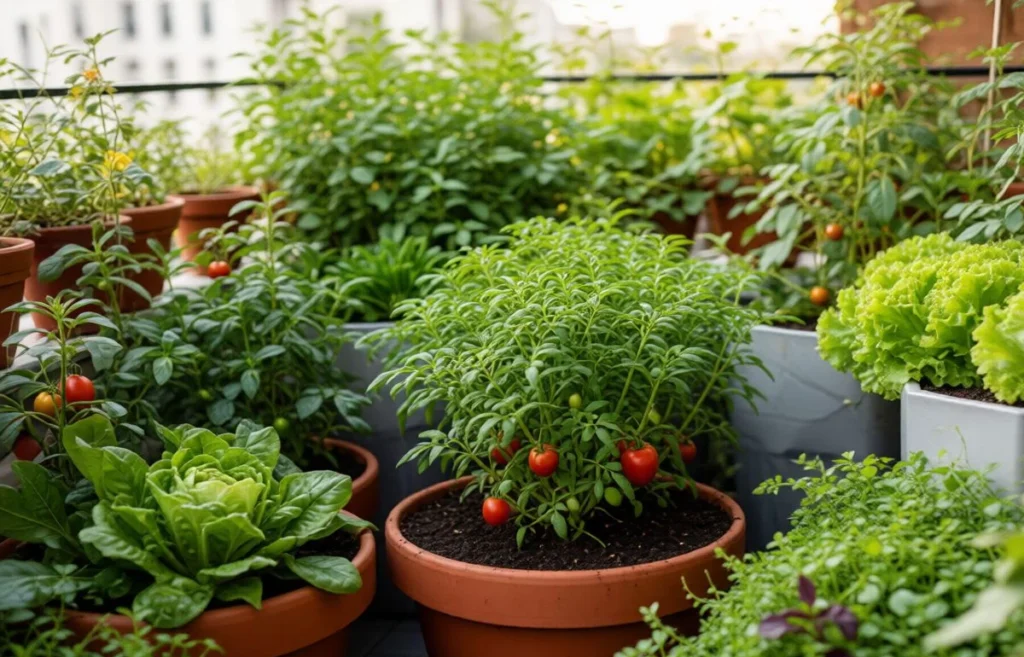
Growing vegetables to grow in pots offers a great way to enjoy fresh produce, even in small spaces. These easy vegetable plants to grow in pots need some care to stay healthy. One big challenge is pests. Learning common pest solutions helps protect your plants and keeps your garden thriving. Whether you are growing vegetables in a box or a large pot, knowing how to control bugs is important. Using the right mulch also helps create a safe environment for your plants. Understanding what vegetables grow well in pots includes knowing how to keep pests away.
Identifying Common Pests On Potted Vegetables
Common pests include aphids, spider mites, and whiteflies. These tiny insects suck plant juices and cause damage quickly. Look for curled leaves, yellow spots, or sticky residue. These signs show pest problems early. Early detection helps stop pests before they spread.
Natural Pest Control Methods
- Neem oil: A natural spray that kills pests but is safe for plants.
- Soap spray: Mix mild soap with water to wash off insects.
- Handpicking: Remove large pests like caterpillars by hand.
- Companion planting: Plant herbs like basil or marigold to repel bugs.
These methods avoid harmful chemicals and protect beneficial insects.
Using Mulch To Reduce Pests
Mulch helps keep soil moist and cool. It also reduces weeds that attract pests. Knowing what is the best mulch for vegetable gardens helps you choose well. Straw or shredded leaves work best for pots. Mulch blocks pests like slugs from reaching plants. It creates a healthier growing environment.
Setting Up Physical Barriers
- Use fine mesh or netting to cover plants.
- Place collars around stems to stop cutworms.
- Keep pots off the ground to avoid crawling insects.
Physical barriers stop pests without chemicals. They protect easy vegetable plants to grow in pots safely.
Regular Monitoring And Maintenance
Check plants daily for pests or damage. Remove dead leaves and debris that hide bugs. Water plants properly to keep them strong. Healthy plants resist pests better. Growing vegetables in a box or pot needs this care to succeed.
Harvesting Tips
Harvesting vegetables grown in pots is a rewarding experience. Knowing the right time and method to pick your crops improves taste and yield. Many gardeners wonder about the best way to harvest easy vegetable plants to grow in pots. This section offers useful tips to help you enjoy fresh produce from your container garden.
Timing Your Harvest
Harvesting at the right time is key for flavor and nutrition. Most vegetables have a specific stage when they taste best. For example, pick tomatoes when they are fully red but still firm. Leafy greens like spinach and lettuce should be harvested young and tender.
- Check daily for ripe vegetables in pots.
- Pick early in the morning for best freshness.
- Use a calendar to track growing days for each vegetable.
Tools And Techniques
Use sharp scissors or small garden shears to avoid damaging plants. Pulling vegetables can harm roots, especially when growing vegetables in a box or pots. For root vegetables like carrots and radishes, gently loosen soil before pulling.
- Sanitize tools before use to prevent disease.
- Cut vegetables carefully close to the stem.
- Remove only what you need to keep plants producing longer.
Storing And Using Your Harvest
Proper storage keeps your vegetables fresh longer. Some vegetables do well in the fridge, others on the counter. Knowing what vegetables grow well in pots helps you plan for quick use or storage.
| Vegetable | Best Storage | Storage Tips |
|---|---|---|
| Tomatoes | Room temperature | Keep out of direct sunlight |
| Leafy greens | Refrigerator | Wrap in damp paper towel |
| Carrots | Refrigerator | Store in plastic bag with holes |
Mulching For Better Harvests
Using mulch helps retain moisture and control weeds in pots. Knowing what is the best mulch for vegetable gardens improves growth and harvesting. Organic mulches like straw or shredded leaves work well in containers.
- Apply a 2-inch layer of mulch after planting.
- Keep mulch away from plant stems to prevent rot.
- Renew mulch as it breaks down to maintain benefits.
Frequently Asked Questions
What Vegetables Grow Best In Small Pots?
Leafy greens like lettuce, spinach, and herbs grow well in small pots. They need less space and grow quickly. Perfect for beginners.
How Much Sunlight Do Potted Vegetables Need Daily?
Most vegetables need 6 to 8 hours of sunlight each day. Place pots in a sunny spot for best growth. Some herbs can tolerate less light.
Which Soil Type Is Best For Growing Vegetables In Pots?
Use well-draining potting soil rich in organic matter. Avoid garden soil as it may compact and harm roots. Good soil helps plants stay healthy.
How Often Should I Water Vegetables Grown In Pots?
Water potted vegetables when the top inch of soil feels dry. Pots dry out faster than garden beds. Regular watering keeps plants healthy and strong.
Can Root Vegetables Like Carrots Grow Well In Pots?
Yes, carrots and radishes grow well in deep pots. Use pots at least 12 inches deep for root space. Loose soil helps roots grow straight.
What Size Pot Is Ideal For Growing Tomatoes?
Tomatoes need large pots, at least 18 inches wide and deep. Bigger pots hold more soil and moisture. This supports healthy root growth and fruit production.
How Can I Prevent Pests On Vegetables In Pots?
Keep plants clean and check leaves often for pests. Use natural sprays like neem oil if needed. Good air flow also helps prevent pests.
Conclusion
Growing vegetables in pots suits small spaces and busy lives. You can enjoy fresh produce right outside your door. Choose easy plants like tomatoes, peppers, or lettuce to start. Pots let you control soil and water better than garden beds.
Remember to give your plants enough sunlight each day. Watch them grow and enjoy the rewards of your care. Small steps bring big joy in container gardening. Try a few pots and see what works best for you. Gardening in pots is simple and fun for everyone.