
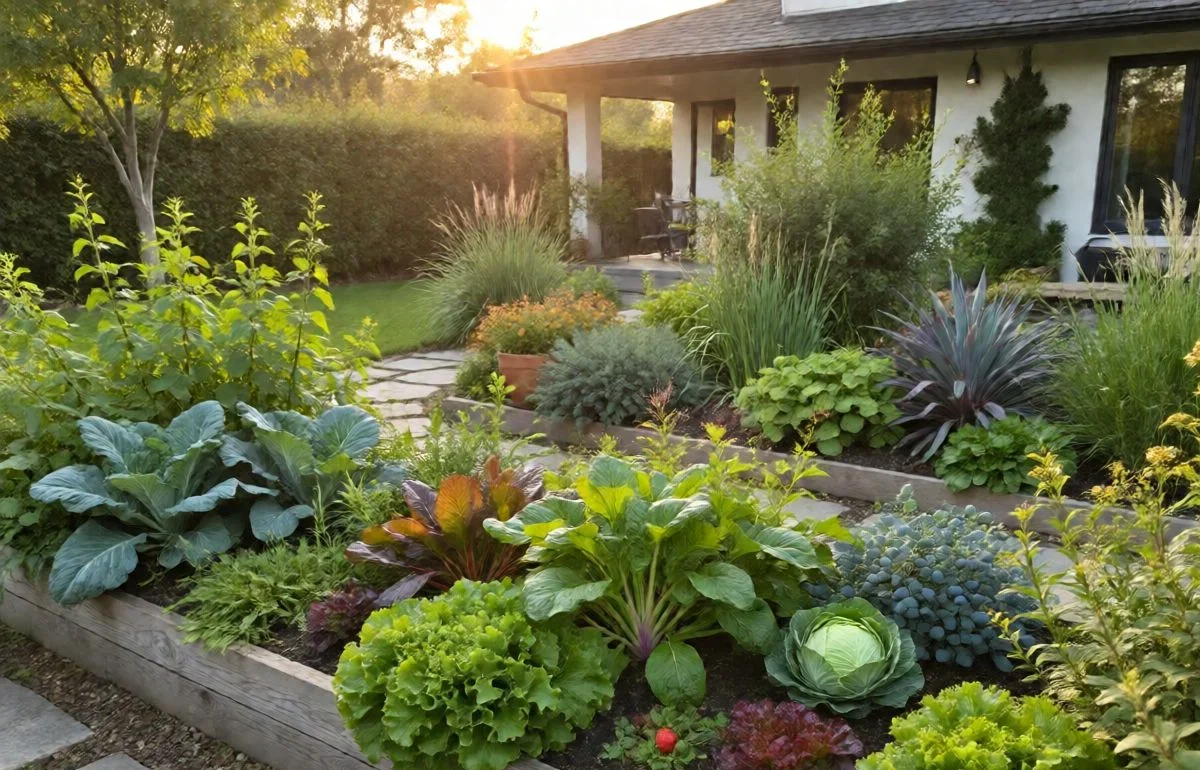

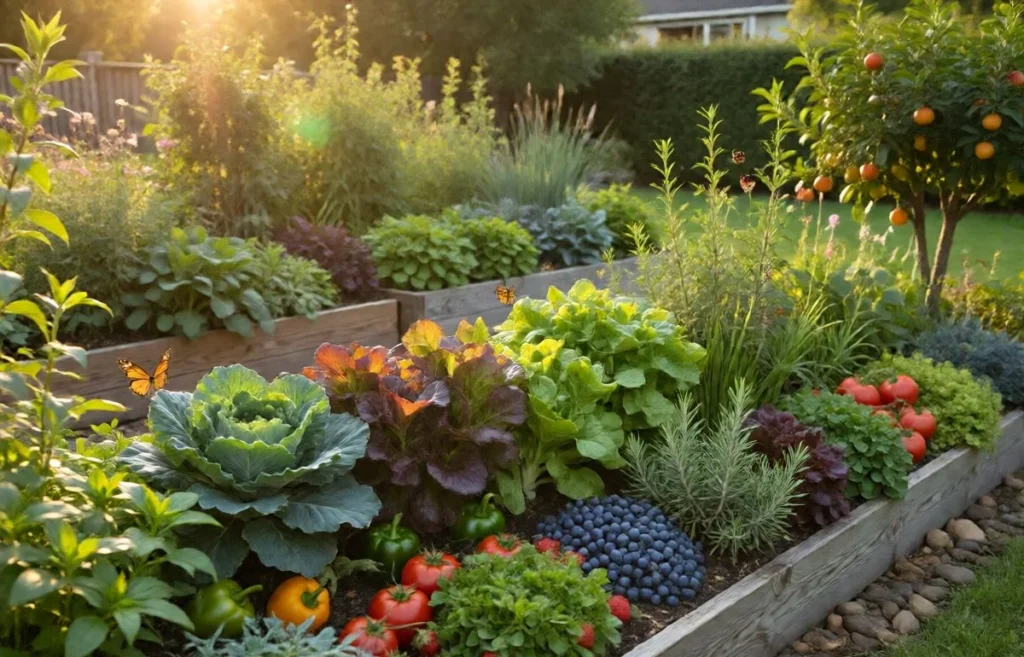
Imagine stepping outside your door and picking fresh fruits, herbs, or vegetables right from your garden. What if your yard could be both beautiful and delicious?
Edible landscape plants let you do just that. They bring color, texture, and flavor to your outdoor space, making your garden work harder for you. Whether you have a big backyard or a small patio, these plants can transform your space into a natural kitchen.
Ready to discover how to turn your garden into a feast for the eyes and your taste buds? Keep reading to learn the best edible plants to grow and how to make your landscape both tasty and stunning.
Choosing Edible Plants
Edible landscape plants offer a unique blend of beauty and function. Choosing edible plants for your garden means selecting species that provide food while enhancing the landscape. Edible garden plants come in many shapes, colors, and flavors. The key is to find the best plants for edible landscaping that thrive in your space. Decorative edible plants make your garden both attractive and useful. This section guides you through selecting the right edible landscaping plants for your needs.
Assess Your Climate And Soil
Start by understanding your local climate and soil type. Different edible landscape plants grow better in specific conditions. Some plants prefer cool weather, while others need warmth.
- Check your USDA hardiness zone. This helps identify plants that survive winters.
- Test your soil pH and texture. Most edible plants prefer well-drained soil.
- Know your rainfall and sun exposure. Full sun is essential for many edible garden plants.
Choose Plants Based On Use And Space
Select edible landscaping plants that fit your garden size and purpose. Consider how you want to use them.
- Small spaces: Grow herbs, lettuces, and dwarf fruit trees.
- Large areas: Plant berry bushes, vegetable rows, or fruit trees.
- Mixed use: Combine decorative edible plants with flowers for beauty and harvest.
Pick Easy-to-grow Edible Plants
Focus on plants that need little care and give good yields. This makes edible landscaping enjoyable for beginners.
| Plant Type | Example | Benefits |
|---|---|---|
| Herbs | Basil, Mint | Quick growth, low maintenance |
| Vegetables | Tomatoes, Radishes | Fast harvest, versatile in cooking |
| Fruits | Strawberries, Blueberries | Attractive and tasty |
Table of Contents
Consider Plant Appearance
Decorative edible plants add beauty and value to your garden. Choose plants with colorful leaves, flowers, or fruits.
- Swiss chard has bright stems and edible leaves.
- Fruit trees like apple or cherry bloom in spring.
- Edible flowers like nasturtiums brighten up beds.
Plan For Seasonal Harvests
Choose edible garden plants that produce food at different times of the year. This ensures a steady supply.
- Spring: Lettuce, peas
- Summer: Tomatoes, peppers
- Fall: Pumpkins, kale
- Winter: Garlic, some herbs
Fruits For Your Landscape
Edible landscape plants offer a unique way to combine beauty and utility in your garden. Incorporating fruits for your landscape enhances both the look and value of your outdoor space. These edible garden plants provide fresh produce while adding color and texture to your yard.
Choosing the best plants for edible landscaping means selecting varieties that thrive in your climate and soil. Decorative edible plants such as fruit trees and berry bushes bring visual interest and delicious harvests. Growing fruits in your landscape saves money and reduces trips to the store.
Apple Trees
Apple trees are classic edible landscaping plants. They produce tasty fruits and have beautiful blossoms in spring. These trees fit well in most yards, offering shade and food.
- Choose dwarf varieties for small spaces.
- Plant in full sun for the best fruit.
- Prune regularly to keep trees healthy.
Blueberry Bushes
Blueberries add color with their white flowers and blue fruits. They are best plants for edible landscaping in acidic soil. Blueberry bushes attract birds and pollinators, helping your garden thrive.
| Feature | Care Tip | Benefit |
|---|---|---|
| Soil | Acidic, well-drained | Better fruit production |
| Sunlight | Full sun | Sweet, ripe berries |
| Water | Consistent moisture | Healthy plants |
Strawberry Plants
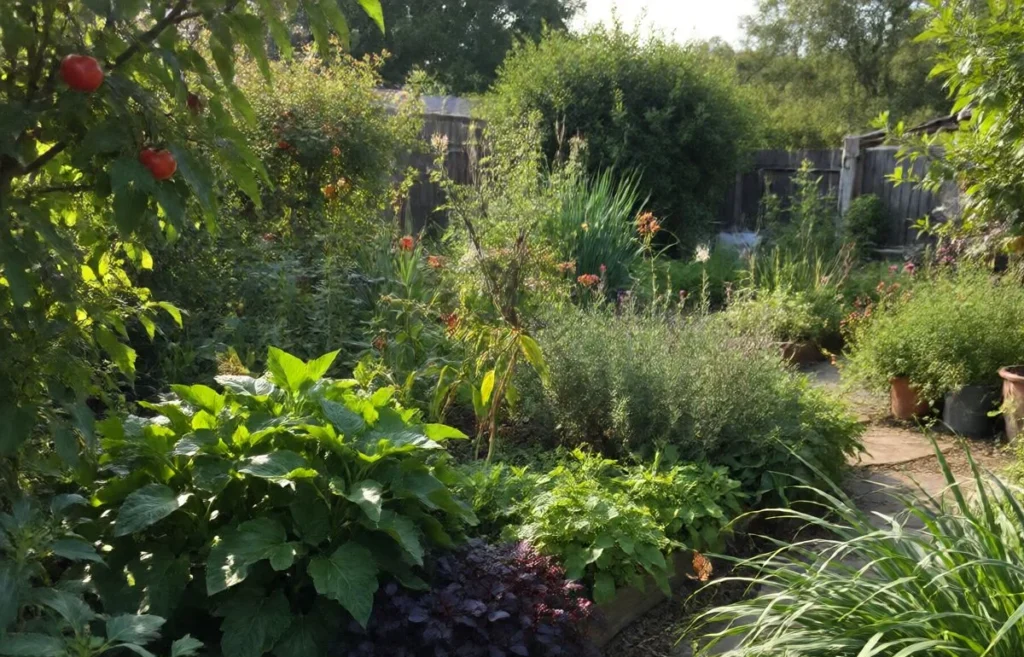
Strawberries are popular edible garden plants. They produce fruit quickly and spread to fill garden beds. These low-growing plants also work well as ground cover.
- Plant in rich, well-drained soil.
- Keep soil moist but not wet.
- Protect from birds with netting.
Fig Trees
Fig trees combine beauty with sweet, unique fruit. Their large leaves add texture to any edible landscaping plants design. Figs grow well in warm climates and need minimal care.
- Plant in full sun.
- Water deeply during dry periods.
- Prune to maintain shape.
Edible Flowers To Grow
Edible landscape plants transform your garden into a beautiful and useful space. Among these, edible flowers to grow offer both charm and flavor. These decorative edible plants add color and unique tastes to your meals. They are some of the best plants for edible landscaping. Growing edible garden plants that bloom means you enjoy nature’s beauty and fresh ingredients at the same time.
Violas and Pansies
Violas and pansies are colorful, easy to grow, and safe to eat. Their mild, slightly sweet flavor complements salads and desserts. They thrive in cool weather and come in many colors.
- Plant in well-drained soil
- Use petals fresh or dried
- Perfect for garnishing dishes
Calendula (pot Marigold)
Calendula petals add a bright yellow or orange touch to any dish. They have a slightly peppery and tangy taste. Calendula is also known for its medicinal properties.
- Grow in full sun
- Use petals fresh or dried
- Great for soups, salads, and teas
Daylilies
Daylilies produce vibrant, trumpet-shaped flowers. Their petals taste sweet and crunchy. Both flowers and unopened buds are edible.
- Plant in full sun to partial shade
- Harvest flowers in the morning
- Use raw or cooked
Chive Blossoms
Chive blossoms have a mild onion flavor that enhances many dishes. These small purple flowers grow on tall stems above chive leaves.
- Grow in sunny spots
- Use blossoms fresh
- Add to salads, dips, and dressings
Lavender
Lavender offers a sweet, floral aroma and taste. It works well in baked goods and drinks. Lavender prefers dry, well-drained soil and full sun.
- Harvest flowers before full bloom
- Use fresh or dried
- Combine with herbs like rosemary and thyme
| Flower | Taste | Best Uses | Growing Conditions |
|---|---|---|---|
| Violas and Pansies | Mild, slightly sweet | Salads, desserts, garnishes | Cool weather, well-drained soil |
| Calendula | Peppery, tangy | Soups, salads, teas | Full sun |
| Daylilies | Sweet, crunchy | Raw or cooked dishes | Full sun to partial shade |
| Chive Blossoms | Mild onion | Salads, dips, dressings | Sunny spots |
| Lavender | Sweet, floral | Baked goods, drinks | Dry, well-drained soil |
Herbs That Beautify
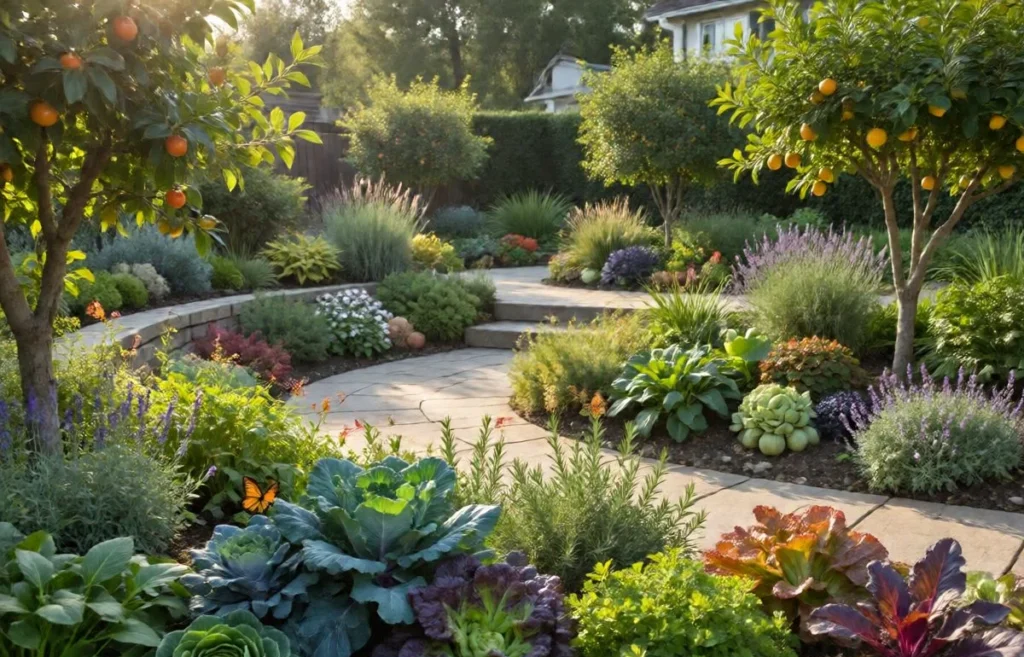
Edible landscape plants bring both beauty and function to your garden. They allow you to enjoy fresh flavors and vibrant colors in one space. Herbs that beautify are perfect for edible garden plants. These decorative edible plants not only add charm but also provide fresh ingredients for cooking. Choosing the best plants for edible landscaping means picking herbs that look good and taste great. These plants create a garden that is useful and lovely.
Basil: A Fragrant and Colorful Choice
Basil is a popular herb known for its sweet aroma and bright green leaves. It thrives in sunny spots and adds a splash of green to edible landscaping plants. Purple basil offers a rich color contrast, making your garden more attractive.
- Grows well in pots or garden beds
- Attracts pollinators like bees and butterflies
- Great for cooking fresh dishes
Lavender: Beauty with a Soothing Scent
Lavender is a decorative edible plant that adds a lovely purple hue. Its scent calms the mind and repels pests naturally. Lavender flowers attract bees, helping your edible garden plants thrive.
- Needs full sun and well-drained soil
- Perfect for borders and pathways
- Used in cooking, teas, and crafts
Thyme: Low-Growing and Versatile
Thyme is a low-growing herb that spreads nicely across the ground. It fits well among other edible landscaping plants as a natural ground cover. Thyme’s small leaves add texture and depth to your garden.
| Feature | Details |
|---|---|
| Sunlight | Full sun to partial shade |
| Watering | Moderate, drought-tolerant |
| Uses | Cooking, ground cover, aroma |
Rosemary: A Hardy and Aromatic Shrub
Rosemary stands tall with needle-like leaves and a pine scent. It is one of the best plants for edible landscaping due to its beauty and strong aroma. Rosemary thrives in warm, sunny locations and adds height to your edible garden plants.
- Easy to grow and maintain
- Attracts beneficial insects
- Used in cooking and herbal remedies
Vegetables With Visual Appeal
Edible landscape plants transform any garden into a beautiful, useful space. Edible garden plants don’t just provide food; they add color and texture. Choosing decorative edible plants enhances both the look and taste of your outdoor area. Vegetables with visual appeal combine nutrition with eye-catching beauty. These are the best plants for edible landscaping because they brighten your garden while feeding your family. Their shapes, colors, and patterns make them stand out.
Colorful Leafy Greens
Leafy greens like Swiss chard and rainbow kale bring vibrant colors. Their red, yellow, and purple leaves create stunning contrasts. Swiss chard has large, crinkled leaves that are easy to spot. Rainbow kale shows off curly, multi-colored leaves. These greens grow well in many gardens and add a decorative touch.
Striped and Multi-Colored Vegetables
Striped vegetables catch the eye with their patterns. Candy cane beets have red and white rings inside. Variegated eggplants show off purple and white stripes. These edible landscaping plants create natural art. They bring variety and interest to any garden bed.
Unusual Shapes and Textures
Some vegetables have unique forms that add texture. Romanesco broccoli has a fractal, spiral shape that fascinates. Purple kohlrabi looks like alien spheres with leafy tops. These shapes add visual interest beyond typical garden plants. They make your garden a place to explore.
Bright and Bold Roots
Roots like carrots and radishes come in many colors. Orange, purple, yellow, and white varieties brighten the soil. These decorative edible plants often peek above the ground, showing their colors. Growing colorful roots adds surprise and delight to your garden.
Fruiting Vegetables with Colorful Skin
Tomatoes and peppers offer a wide color range. Cherry tomatoes turn red, yellow, orange, and even purple. Bell peppers come in red, yellow, green, and orange hues. Their bright skins make the garden lively and inviting. These are among the best plants for edible landscaping due to their beauty and taste.
Design Tips For Edible Gardens
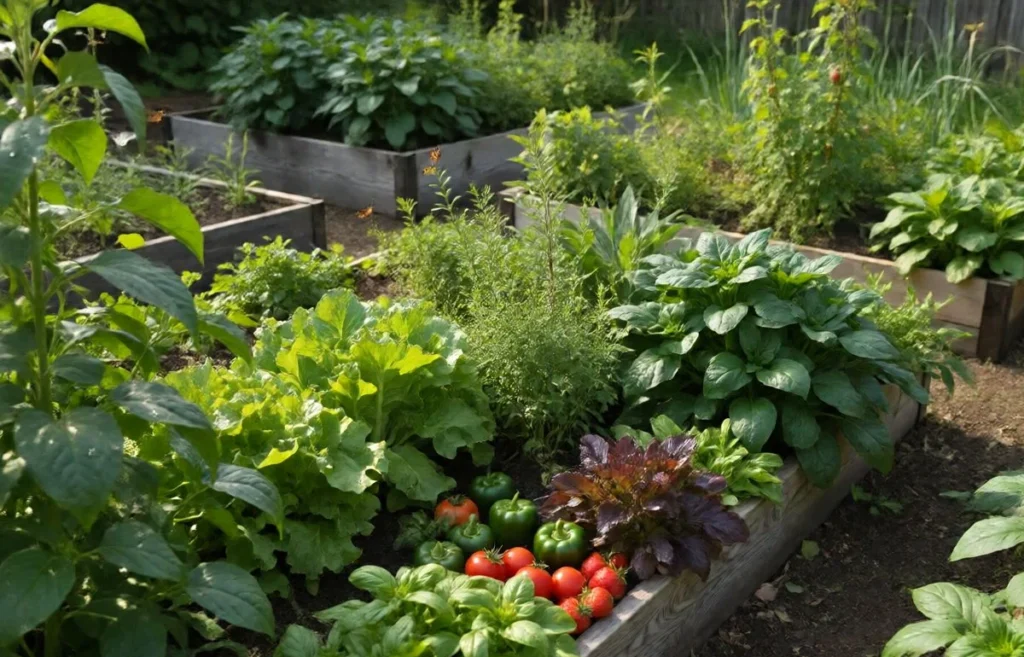
Edible landscape plants combine beauty and utility in your garden. Designing with edible garden plants lets you enjoy fresh food and vibrant greenery. Knowing the best plants for edible landscaping helps create a functional and attractive space. Using decorative edible plants adds color and texture, making your garden inviting. Here are some design tips for edible gardens to make your yard both useful and lovely.
Choosing The Right Location For Edible Landscaping Plants
Pick a spot with plenty of sunlight. Most edible landscaping plants need at least six hours of sun daily. Ensure the soil drains well to avoid root problems. Consider nearby water sources for easy irrigation. Group plants with similar water and light needs together. This helps keep maintenance simple and efficient.
Combining Decorative Edible Plants With Traditional Plants
Mix edible garden plants with flowers and shrubs for a balanced look. Use leafy greens as ground cover to fill empty spaces. Small fruit bushes add height and color. Herbs make great border plants with their scent and texture. This mix creates a garden that looks good and feeds you.
Planning Plant Arrangement For Best Growth
- Place taller plants in the back or center.
- Put medium-height plants in the middle.
- Use low-growing plants at the front or edges.
- Keep paths clear for easy access to harvest.
- Rotate crops yearly to maintain soil health.
This arrangement helps plants get enough light and space to grow strong.
Using Vertical Space In Edible Gardens
Use trellises and cages for climbing edible plants like beans and peas. Vertical planting saves ground space and adds visual interest. Hanging baskets can hold strawberries or herbs. Vertical gardens fit well in small yards or patios. They make harvesting easier and keep plants healthy.
Maintaining Balance Between Beauty And Function
| Design Element | Purpose | Examples |
|---|---|---|
| Color | Attracts attention and brightens space | Tomatoes, Swiss chard, nasturtiums |
| Texture | Adds depth and interest | Kale, lettuce, herbs |
| Shape | Creates structure and flow | Carrot tops, bush beans, berry bushes |
| Edibility | Provides fresh food | Peppers, cucumbers, blueberries |
Balancing these elements ensures your garden stays both useful and beautiful.
Maintaining Your Edible Landscape
Maintaining your edible landscape is key to enjoying fresh, healthy produce all year. Edible landscape plants blend beauty and utility, creating spaces that feed both the eyes and the body. Proper care keeps edible garden plants thriving and ensures they stay productive. The best plants for edible landscaping need regular attention to soil, water, and pests. Decorative edible plants require gentle upkeep to keep them looking vibrant and growing strong.
Soil Care For Edible Landscaping Plants
Healthy soil supports strong roots and better yields. Test soil pH yearly to keep it balanced. Most edible plants prefer slightly acidic to neutral soil (pH 6.0-7.0). Add organic matter like compost to improve soil texture and nutrients.
- Loosen soil around plants to improve air flow.
- Mulch to retain moisture and prevent weeds.
- Rotate crops to avoid soil depletion.
Watering Tips For Edible Garden Plants
Consistent watering helps plants grow steady and healthy. Water early in the morning or late in the evening to reduce evaporation. Avoid wetting leaves to prevent disease.
- Check soil moisture before watering.
- Deep water to encourage strong roots.
- Use drip irrigation or soaker hoses for efficiency.
Pest And Disease Management
Edible landscaping plants attract pests and diseases like any garden. Watch plants closely for signs of trouble. Use natural solutions first to protect your harvest.
| Common Pest | Natural Control | Plant Affected |
|---|---|---|
| Aphids | Neem oil, ladybugs | Leafy greens, tomatoes |
| Slugs | Beer traps, diatomaceous earth | Strawberries, lettuce |
| Powdery Mildew | Baking soda spray, good air circulation | Cucumbers, squash |
Pruning And Harvesting Decorative Edible Plants
Regular pruning encourages new growth and keeps plants tidy. Harvest at the right time for best flavor and nutrition. Remove dead leaves and stems to prevent disease.
- Pick herbs before flowering for best taste.
- Cut fruits and vegetables gently to avoid damage.
- Use clean tools to prevent spreading disease.
Frequently Asked Questions
What Are Edible Landscape Plants?
Edible landscape plants are those you can eat and also use to decorate your garden. They provide food and beauty at the same time. Examples include herbs, fruit bushes, and leafy greens.
Which Plants Grow Best In An Edible Landscape?
Plants like tomatoes, lettuce, strawberries, and herbs grow well in edible landscapes. They are easy to care for and produce tasty food. Choose plants suited to your climate and soil.
How Do Edible Plants Improve Garden Design?
Edible plants add color, texture, and scent to gardens while providing fresh food. They make gardens more useful and attractive. Mixing edible and ornamental plants creates a balanced look.
Can Edible Landscape Plants Save Money?
Growing edible plants can reduce grocery bills by supplying fresh fruits and vegetables. They also cut down trips to the store. It’s a cost-effective way to enjoy fresh food.
Are Edible Plants Easy To Maintain?
Many edible plants need regular watering, sunlight, and occasional pruning. Some, like herbs, are low maintenance. Proper care ensures healthy growth and good harvests.
What Are Good Edible Plants For Small Spaces?
Herbs like basil and mint, salad greens, and dwarf fruit trees work well in small gardens. Container gardening is also an option. These plants don’t need much room but yield plenty.
Can Edible Landscape Plants Attract Wildlife?
Yes, edible plants can attract bees, butterflies, and birds. This helps pollinate your garden and controls pests naturally. It creates a lively, healthy garden environment.
Conclusion
Edible landscape plants bring beauty and food to your garden. They save space and add fresh flavors to meals. Planting them helps reduce waste and boosts health. Choose plants that grow well in your area. Care is simple with regular watering and sunlight.
Enjoy harvesting fruits, herbs, and vegetables at home. These plants make your garden both useful and lovely. Try adding a few to your yard today. Healthy eating and gardening go hand in hand. Grow your own food and feel proud.