
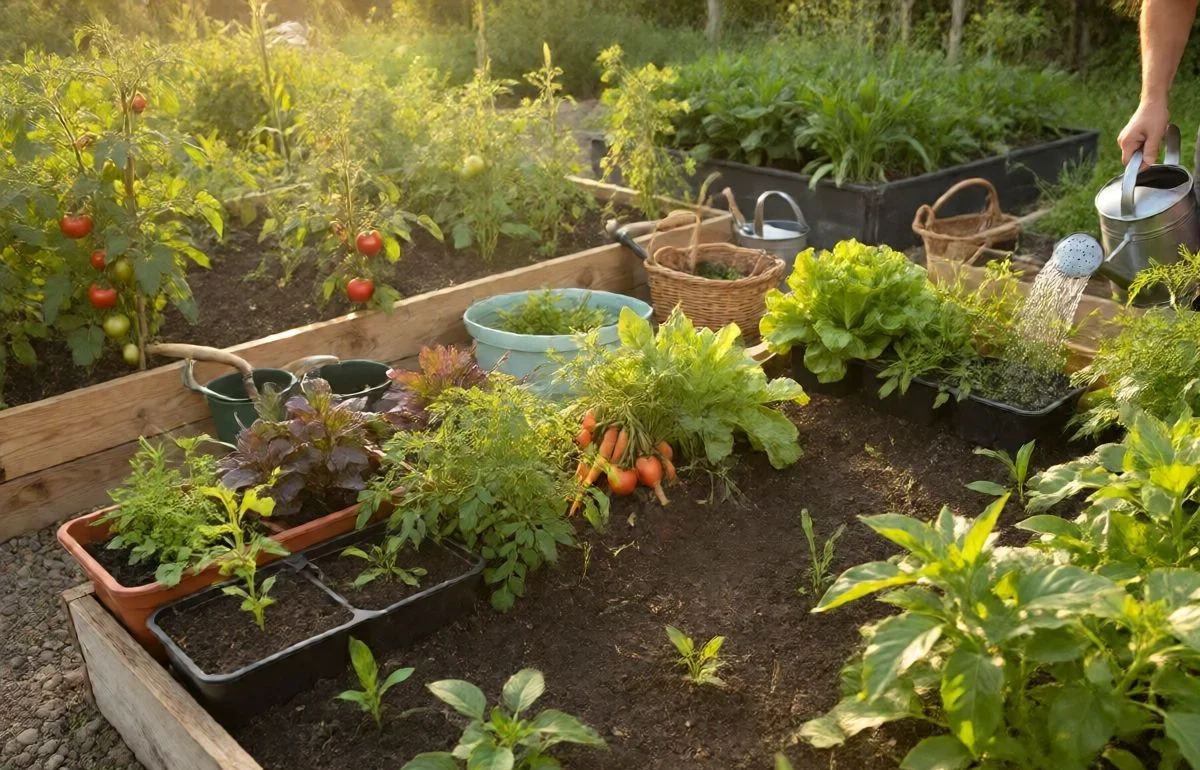

Are you ready to grow your own fresh vegetables right at home? Starting a small vegetable garden is easier than you think.
Imagine picking ripe tomatoes, crunchy carrots, or fragrant herbs just steps from your door. You don’t need a big yard or special skills to get started. With a little guidance, you’ll be surprised how quickly your garden can thrive. Keep reading to discover simple, practical tips that will help you turn your space into a vibrant, productive garden you’ll love.
Your journey to fresh, homegrown veggies begins here!
Choosing The Right Location
Starting a small vegetable garden brings fresh, healthy food right to your doorstep. One key step in how to start a small vegetable garden is choosing the right location. The spot you pick affects how well your plants will grow and how easy your garden will be to manage. Knowing where to place your garden helps you grow your own veggies successfully and enjoy your gardening efforts.
Sunlight Requirements
Vegetables need plenty of sunlight to grow strong. Most vegetable plants require at least 6 to 8 hours of direct sunlight every day. Choose a location that is not shaded by trees, buildings, or fences.
- Check sunlight patterns at different times of the day.
- Watch for shadows that move as the sun changes position.
- A south-facing spot usually gets the most sun.
Soil Quality And Drainage
Good soil is the foundation of a healthy garden. The right location has soil that drains well and is rich in nutrients. Clay or rocky soil can make gardening difficult.
| Soil Type | Description | Gardening Tips |
|---|---|---|
| Loamy Soil | Balanced mix of sand, silt, and clay | Ideal for most vegetables |
| Sandy Soil | Drains quickly, low nutrients | Add compost to improve |
| Clay Soil | Heavy, holds water | Mix in sand and organic matter |
Accessibility And Convenience
Choose a location close to your home or water source. This makes watering and caring for plants easier. A nearby garden encourages regular visits and quick attention to problems.
- Place your garden near a tap or rain barrel.
- Keep paths clear and wide enough for easy movement.
- Consider storage for tools nearby.
Protection From Wind And Pests
Strong winds can damage plants. Select a spot shielded by fences or hedges to reduce wind stress. Watch for signs of pests like rabbits or insects, and choose a location less likely to attract them.
- Use windbreaks to protect young plants.
- Check for nearby plants that may host pests.
- Keep the area clean to avoid pest hiding spots.
Table of Contents
Selecting Suitable Vegetables
Starting a small vegetable garden is exciting and rewarding. Knowing how to start a small vegetable garden includes choosing the right vegetables. Picking the best plants helps you grow healthy food and enjoy your garden. This section explains selecting suitable vegetables for your space, climate, and needs. Whether you want to grow your own veggies or learn how to grow a small garden, these tips make it easier.
Select Vegetables Based On Climate
Choose vegetables that fit your climate. Some plants like cool weather, while others need heat. Here is a simple guide:
| Climate | Best Vegetables |
|---|---|
| Cool | Spinach, lettuce, peas, broccoli |
| Warm | Tomatoes, peppers, cucumbers, beans |
| All Year (Mild) | Carrots, onions, herbs, radishes |
Consider Space And Garden Size
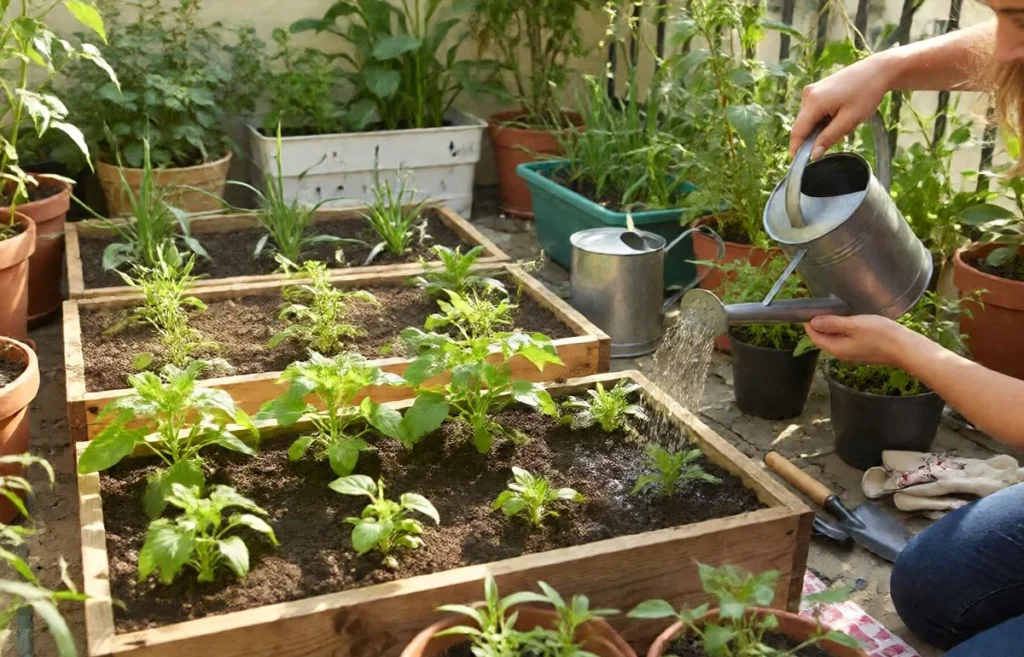
Small gardens need careful planning. Pick vegetables that fit your space.
- Compact plants: Lettuce, radishes, spinach
- Vertical growers: Beans, peas, cucumbers
- Containers: Tomatoes, peppers, herbs
Use vertical space to grow your own veg efficiently. This helps if you want to grow your own veggies but have limited room.
Choose Easy-to-grow Vegetables
Beginners should start with simple plants. These vegetables need less care and give quick results:
- Radishes
- Lettuce
- Green beans
- Spinach
- Zucchini
These crops teach you how to start a small garden and build confidence. They also help you learn how to grow a small garden step by step.
Preparing The Soil
Starting a small vegetable garden begins with one important step: preparing the soil. Healthy soil gives your plants a strong start and helps them grow well. Understanding how to prepare the soil properly is key if you want to know how to start a small vegetable garden or how to grow a small garden. Good soil supports roots, holds moisture, and provides nutrients. This section explains simple ways to get your soil ready for planting. It helps anyone learn how to start a small garden and how to grow your own veg successfully.
Checking Soil Quality
Before planting, test your soil to understand its condition. You can buy a soil test kit or send a sample to a lab. A soil test tells you:
- pH level (acidic or alkaline)
- Nutrient content (nitrogen, phosphorus, potassium)
- Organic matter percentage
Good soil for vegetables usually has a pH between 6.0 and 7.0. Knowing soil quality helps you decide what to add to improve it.
Removing Weeds And Debris
Clear the area of weeds, rocks, and old plant material. Weeds compete with your vegetables for water and nutrients. Use a hoe or hand tools to remove them.
- Pull out weeds by the roots
- Remove stones larger than 1 inch
- Clear old leaves and sticks
This step makes space for your plants and prevents pests and diseases.
Loosening And Turning The Soil
Vegetables grow best in loose, well-aerated soil. Use a garden fork or tiller to break up compacted soil. Turn the soil to a depth of 8 to 12 inches.
- Start at one corner of your garden bed
- Dig or till in strips moving across the bed
- Mix the soil evenly as you go
Loose soil allows roots to spread and water to drain properly.
Adding Organic Matter And Fertilizers
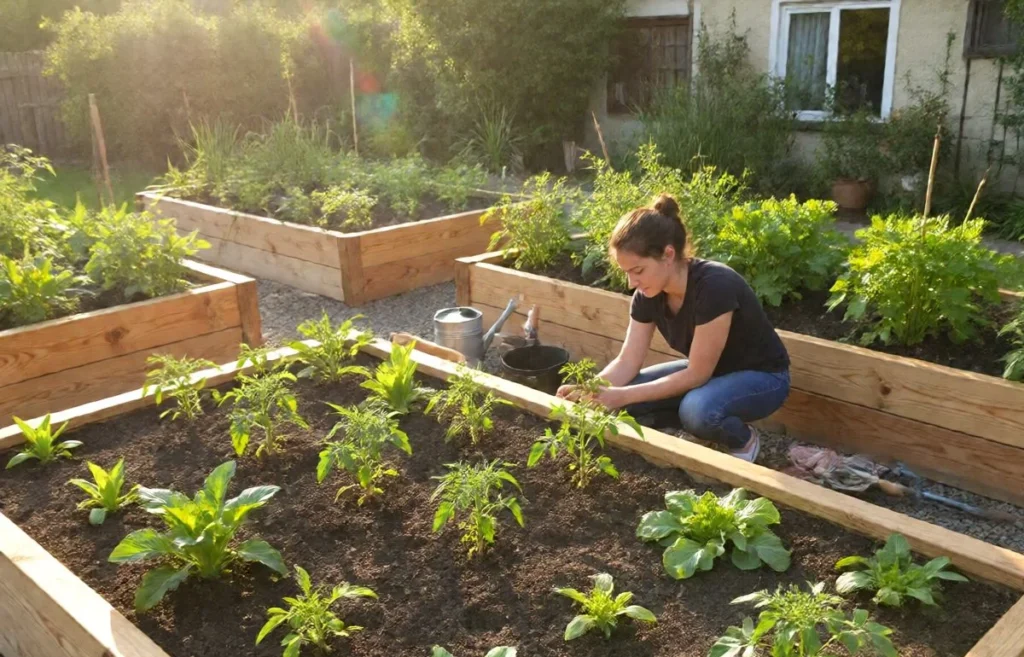
Adding organic matter improves soil texture and fertility. Use compost, aged manure, or leaf mold. Spread a 2 to 3 inch layer over the soil, then mix it in well.
| Type of Organic Matter | Benefits | Application Tips |
|---|---|---|
| Compost | Improves nutrients and moisture retention | Use well-aged compost, avoid fresh scraps |
| Aged Manure | Rich in nitrogen and other nutrients | Use only fully composted manure to avoid burning plants |
| Leaf Mold | Enhances soil structure and moisture holding | Apply as mulch or mix into topsoil |
Use balanced fertilizers if soil tests show nutrient shortages.
Planting Seeds And Seedlings
Starting a small vegetable garden is an exciting way to grow your own veggies at home. Learning how to start a small garden begins with understanding the right way to plant seeds and seedlings. This step is important because it sets the foundation for healthy plants and a good harvest. Whether you want to know how to start a small vegetable garden from seeds or seedlings, this section will guide you through the simple process.
Planting Seeds: Simple Steps For Success
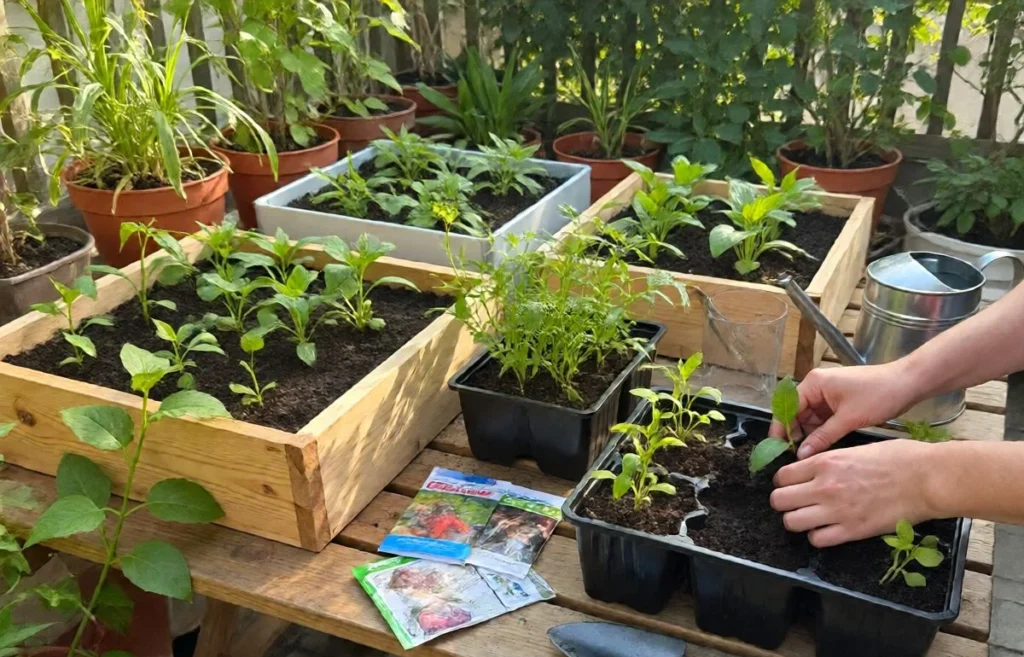
Planting seeds is a cost-effective way to grow your own veggies. Start by choosing seeds that suit your climate and soil. Follow these steps:
- Prepare the soil: Loosen the soil and remove weeds.
- Plant seeds at the right depth: Usually, two to three times the seed size.
- Space seeds properly: Give each seed enough room to grow.
- Water gently: Keep the soil moist but not soaked.
- Label your rows: Helps you track what you planted and where.
Transplanting Seedlings: Tips For Healthy Growth
Using seedlings is a quicker way to how to grow a small garden. Seedlings are young plants started indoors or bought from nurseries. Follow this guide:
- Choose strong seedlings: Look for green, healthy leaves.
- Harden off seedlings: Slowly expose them to outdoor conditions for a week.
- Dig holes big enough for roots: Avoid bending or breaking roots.
- Plant seedlings at the same depth: As they grew in their pots.
- Water well after planting: Helps reduce transplant shock.
Seed Vs. Seedling: Which One To Choose?
| Factor | Seeds | Seedlings |
|---|---|---|
| Cost | Lower cost | Higher cost |
| Growth Time | Takes longer | Faster harvest |
| Variety | More variety choices | Limited variety |
| Care Needed | More care early on | Less early care |
Watering And Fertilizing
Starting a small vegetable garden is a great way to grow your own veggies and enjoy fresh produce. Knowing how to start a small garden means learning the basics of watering and fertilizing. These two steps help your plants stay healthy and produce more vegetables. Proper watering keeps roots strong, while fertilizing supplies essential nutrients. Together, they create the right environment for your plants to thrive.
Soil Preparation for Small Vegetable Gardens
Soil preparation is an important step when learning how to grow a small garden. Healthy soil provides the nutrients and support plants need to thrive. Before planting, loosen the soil and mix in compost or organic matter to improve fertility and drainage. Remove weeds, rocks, and debris to create a clean growing space. Well-prepared soil helps vegetables develop strong roots, grow faster, and produce a more abundant harvest.
Watering Basics For Small Vegetable Gardens
Watering is key when learning how to grow a small garden. Plants need water to carry nutrients from soil to roots. Water your garden early in the morning or late in the evening. This reduces water loss from evaporation.
- Water deeply to encourage strong roots.
- Use a watering can or drip irrigation for even watering.
- Avoid wetting leaves to prevent disease.
- Check soil moisture before watering; soil should be moist but not soggy.
How To Fertilize Your Small Garden
Fertilizing helps plants get the food they need to grow. Different vegetables need different nutrients. Use a balanced fertilizer with nitrogen, phosphorus, and potassium (N-P-K). Follow package instructions to avoid over-fertilizing.
| Vegetable | Recommended Fertilizer | Application Frequency |
|---|---|---|
| Tomatoes | 10-10-10 balanced fertilizer | Every 3-4 weeks |
| Leafy Greens | High nitrogen fertilizer | Every 2 weeks |
| Root Vegetables | Low nitrogen, high phosphorus | Once before planting |
Tips For Efficient Watering And Fertilizing
- Water the base of plants, not the leaves.
- Use mulch to keep soil moist longer.
- Apply fertilizer after watering to avoid root burn.
- Observe plant growth and adjust watering and feeding.
Controlling Pests And Weeds
Starting a small vegetable garden is exciting and rewarding. Knowing how to start a small vegetable garden includes learning how to keep your plants healthy. Pests and weeds can harm your garden and lower your harvest. Controlling pests and weeds is key to growing strong plants. This guide helps you protect your garden while you grow your own veggies.
Identifying Common Pests In Your Small Garden
Many bugs want to eat your vegetables. Knowing which pests are common helps you control them early.
- Aphids: Tiny, soft bugs that suck plant sap.
- Cutworms: Worms that cut young plants at the base.
- Slugs and Snails: Leave holes in leaves and slime trails.
- Cabbage Worms: Green caterpillars that chew on leaves.
Spotting these pests early helps protect your plants. Check leaves and stems often.
Natural Ways To Control Pests
Using natural methods keeps your garden safe and healthy. Try these tips:
- Hand-pick pests: Remove bugs by hand and drop them in soapy water.
- Use companion plants: Plant marigolds or basil to repel pests.
- Encourage beneficial insects: Ladybugs eat aphids and other pests.
- Spray homemade remedies: Mix water with a little soap and spray leaves.
Natural control helps you grow your own veggies without harmful chemicals.
Effective Weed Management Techniques
Weeds steal water and nutrients from your plants. Keep them under control with these methods:
| Technique | Description | Benefits |
|---|---|---|
| Mulching | Cover soil with straw, leaves, or bark chips. | Keeps soil moist and blocks weed growth. |
| Hand Weeding | Pull weeds by hand regularly. | Prevents weeds from spreading seeds. |
| Hoeing | Use a hoe to cut weeds below the soil surface. | Quick and easy for larger areas. |
Regular weed control helps your plants get enough nutrients to grow strong.
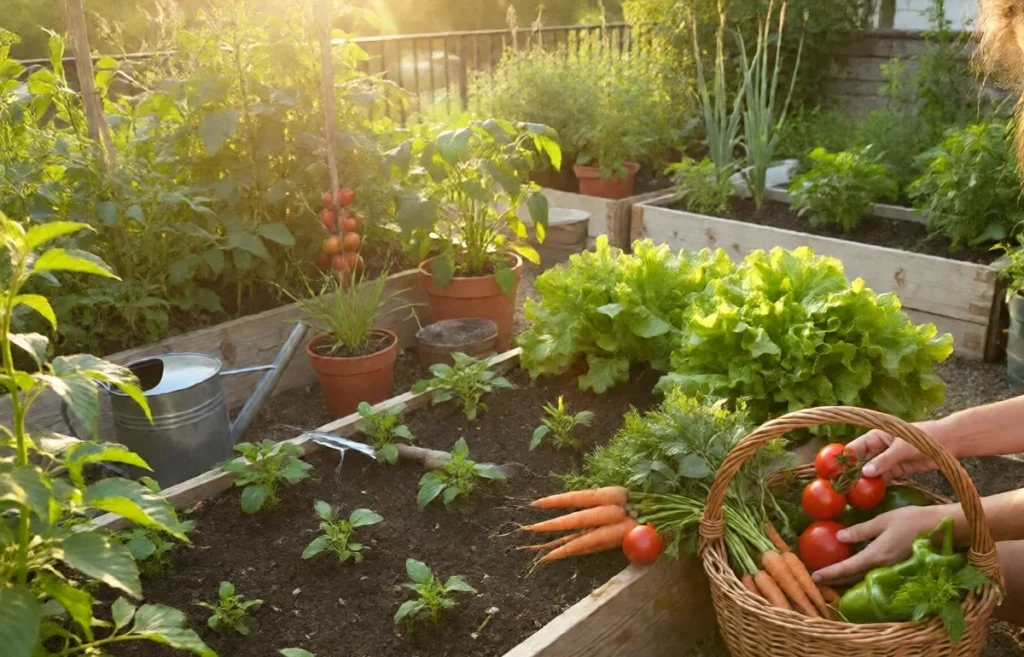
Harvesting And Maintenance Tips
Learning how to start a small vegetable garden is exciting. Growing fresh food at home saves money and tastes great. To enjoy your harvest, you need good harvesting and maintenance tips. These tips help you keep plants healthy and collect vegetables at the right time. Whether you want to grow your own veggies or figure out how to grow a small garden, these steps will guide you.
Proper Harvest Timing
Knowing when to pick vegetables is key. Picking too early or late hurts taste and yield.
- Leafy greens: Pick leaves when young and tender.
- Tomatoes: Wait for full color and slight softness.
- Peppers: Harvest when they reach full size and color.
- Root vegetables: Check size by gently digging around the base.
Regularly check your plants to know the best time to harvest.
Daily Garden Care
Small gardens need daily attention to stay healthy and productive.
- Watering: Water in the morning to avoid disease and water waste.
- Weeding: Remove weeds to stop them from stealing nutrients.
- Inspect plants: Look for pests or diseases early for quick action.
Pruning And Supporting Plants
Pruning helps plants grow better and produce more vegetables.
- Remove dead or yellow leaves to improve airflow.
- Pinch off flowers on some plants to encourage leaf growth.
- Use stakes or cages for tall plants like tomatoes to keep them upright.
Soil And Fertilizer Maintenance
Healthy soil is the base of a good garden.
| Task | Frequency | Details |
|---|---|---|
| Adding compost | Every 3-4 weeks | Mix compost into soil to add nutrients |
| Fertilizing | Monthly | Use balanced fertilizer for all-round plant health |
| Soil testing | Every season | Check pH and nutrient levels to adjust care |
Storing Your Harvest
Store your vegetables properly to keep them fresh longer.
- Keep leafy greens in a damp cloth in the fridge.
- Store root vegetables in a cool, dark place.
- Use breathable bags for tomatoes at room temperature.
Frequently Asked Questions
What Are The Best Vegetables For A Beginner Garden?
Choose easy vegetables like lettuce, radishes, and green beans. These grow fast and need little care. Perfect for beginners.
How Much Space Do I Need For A Small Vegetable Garden?
A small garden can fit in 10 to 20 square feet. Use containers or raised beds if space is tight. Start small and expand.
How Often Should I Water My Vegetable Garden?
Water your garden 2 to 3 times a week. Keep soil moist but not soggy. Early morning watering works best.
What Type Of Soil Is Best For Vegetable Gardening?
Use loose, well-drained soil rich in organic matter. Mix compost or aged manure to improve soil health. Good soil helps plants grow strong.
When Is The Best Time To Start A Vegetable Garden?
Start planting after the last frost date in your area. Early spring is ideal for most veggies. Check local guides for exact dates.
How Can I Protect My Garden From Pests Naturally?
Use barriers like netting or row covers to block pests. Plant herbs like basil or mint to repel insects. Hand-pick bugs if you see them.
How Do I Know If My Vegetables Are Ready To Harvest?
Vegetables are ready when they reach full size and color. Check seed packets for specific harvest times. Pick them early for best taste.
Conclusion
Starting a small vegetable garden can bring fresh food to your table. Choose easy plants and prepare your soil well. Water your garden regularly and watch your plants grow. Gardening takes patience but offers great rewards. Enjoy the process and learn from each step.
A small garden fits any space and budget. Keep it simple and have fun growing your own vegetables. Your efforts will bring healthy food and joy. Gardening is a great way to connect with nature every day.