
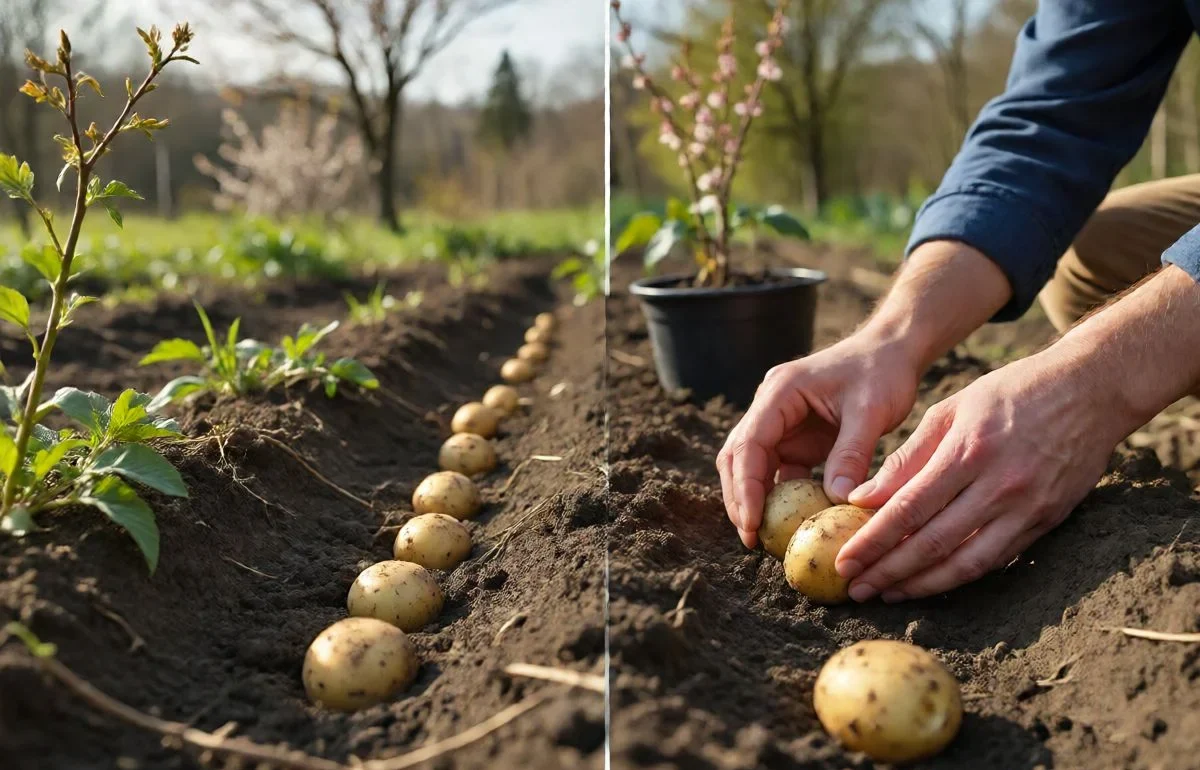

Are you ready to grow your own fresh, delicious potatoes right at home? Planting potatoes is easier than you might think, and you don’t need a huge garden or special tools to get started.
Imagine digging into your very own harvest, knowing you grew those tasty spuds yourself. In this guide, you’ll discover simple steps to plant potatoes successfully, avoid common mistakes, and enjoy a bountiful crop. Keep reading, and you’ll be on your way to becoming a confident potato grower in no time!
Choosing Seed Potatoes
Choosing the right seed potatoes is a key step in how to plant potatoes successfully. Seed potatoes are not the ones you eat but special potatoes used for planting. These potatoes must be healthy and disease-free. Picking the right seed potatoes helps in growing potatoes that yield well and stay strong. Knowing when to plant potatoes and how to prepare seed potatoes is part of good planting potatoes practice. This guide explains what to look for in seed potatoes to get the best results.
What Are Seed Potatoes?
Seed potatoes are small potato tubers or pieces of larger tubers used to grow new potato plants. They are different from regular potatoes you buy to eat. Seed potatoes are selected for their quality and health, ensuring healthy plant growth. Using seed potatoes ensures the plants grow strong and produce more potatoes.
Table of Contents
How To Select Healthy Seed Potatoes
- Firm Texture: Choose potatoes that feel firm to the touch.
- No Sprouts or Cuts: Avoid potatoes with long sprouts or cuts.
- Free from Disease: Look for potatoes without spots or soft areas.
- Size Matters: Choose seed potatoes about the size of a chicken egg.
Different Types Of Seed Potatoes
| Type | Description | Best Use |
|---|---|---|
| Certified Seed Potatoes | Tested to be disease-free and healthy. | Best for reliable and healthy crops. |
| Organic Seed Potatoes | Grown without synthetic chemicals. | Good for organic growing practices. |
| Local Varieties | Adapted to local climate and soil. | Ideal for regional growing success. |
Preparing Seed Potatoes For Planting
- Cut large seed potatoes into pieces with at least one eye per piece.
- Let the cut pieces dry for 1-2 days to form a callus.
- Store seed potatoes in a cool, dark place before planting.
- Check seed potatoes regularly for any signs of rot or damage.
Timing And Co Planting Potatoes Tips
Knowing when to plant potatoes depends on your climate. Plant seed potatoes after the last frost date. This helps avoid cold damage. Co planting potatoes with companion plants like beans or corn can improve growth and reduce pests. Plan your garden layout to take advantage of these benefits.
Selecting The Right Location
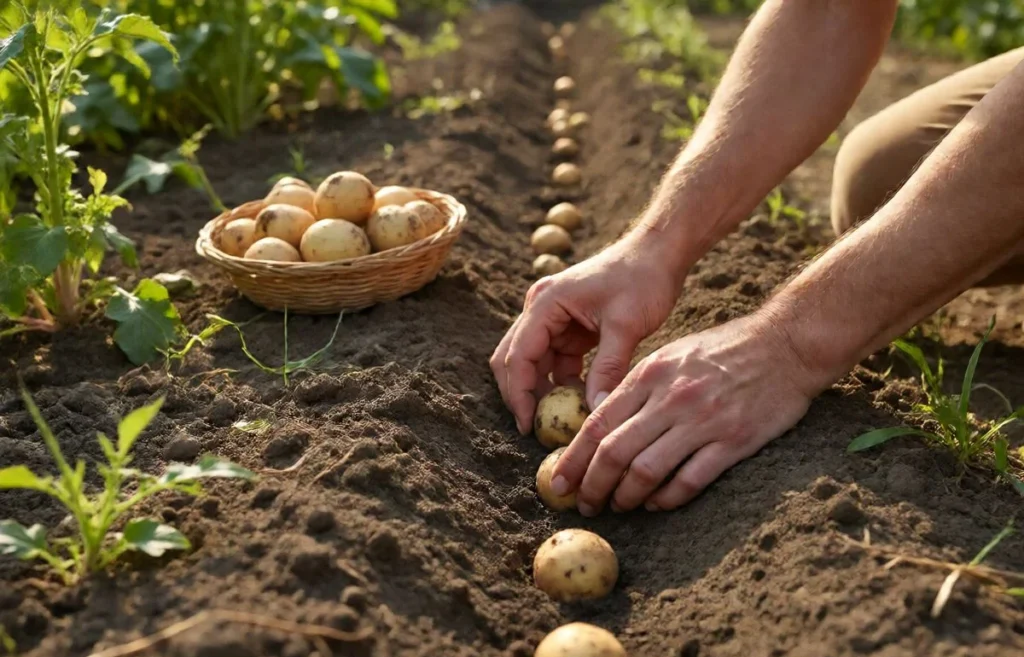
Learning how to plant potatoes starts with selecting the right location. The spot you choose affects the growth and health of your potatoes. Good soil, sunlight, and space make a big difference. This section covers key points for planting potatoes successfully. It helps you understand when to plant potatoes and the best place for growing potatoes. Also, it touches on co planting potatoes with other crops.
Choosing A Sunny Spot
Potatoes need at least 6 hours of direct sunlight daily. Pick a place that gets plenty of sun. Sunlight helps tubers grow strong and healthy. Avoid shady areas near trees or buildings.
Soil Type And Drainage
Potatoes grow best in loose, well-drained soil. Heavy clay or waterlogged soil harms tubers. The soil should be soft enough for roots to spread. Check that water drains away quickly.
- Loamy or sandy soil is ideal.
- Avoid compacted or rocky soil.
- Use raised beds if drainage is poor.
Soil Ph And Nutrients
Soil pH affects nutrient uptake. Potatoes prefer slightly acidic soil with pH 5.0 to 6.5. Test your soil before planting. Add lime or sulfur to adjust pH if needed. Fertilize the soil with organic matter like compost.
Space For Growing Potatoes
Potatoes need room to grow underground. Crowded spaces reduce yield and cause small tubers. Space rows about 2 to 3 feet apart. Plant seed potatoes 12 inches apart within rows.
Co Planting Potatoes
Potatoes grow well with some other plants. Beans, cabbage, and corn can be good neighbors. Avoid planting potatoes near tomatoes or peppers. These share diseases and pests.
| Factor | Ideal Condition |
|---|---|
| Sunlight | 6+ hours daily |
| Soil Type | Loamy, sandy, well-drained |
| Soil pH | 5.0 to 6.5 (slightly acidic) |
| Plant Spacing | 12 inches apart, rows 2-3 feet |
| Good Companion Plants | Beans, cabbage, corn |
Preparing The Soil
Learning how to plant potatoes starts with preparing the soil well. Good soil helps healthy potato plants grow strong roots. The right soil makes planting potatoes easier and boosts your harvest. Knowing when to plant potatoes also depends on soil readiness. Preparing the soil carefully sets the stage for growing potatoes successfully, whether you plan on co planting potatoes with other crops or planting them alone.
Testing Soil Quality
Check soil before planting potatoes. Healthy soil is loose, rich, and drains well. Use a simple soil test kit to measure:
- pH level (ideal is 5.0 to 6.5)
- Soil nutrients like nitrogen, phosphorus, and potassium
- Soil texture: sandy loam is best
Adjust soil pH by adding lime to raise it or sulfur to lower it. Good soil quality improves potato growth.
Clearing And Loosening Soil
Clear the area of weeds, rocks, and debris. Potato roots need space to grow deep. Use a garden fork or tiller to loosen soil to about 12 inches deep.
Loosened soil lets water drain and roots spread easily. Avoid compacted soil as it blocks root growth.
Adding Organic Matter
Mix organic matter into the soil to improve texture and nutrients. Use:
- Compost
- Well-rotted manure
- Leaf mold
Add about 2 to 3 inches of organic matter on top, then mix it into the soil. This feeds the plants and keeps soil soft.
Creating Potato Beds
Form raised beds or mounds for planting potatoes. Raised beds warm faster and drain better. Follow these steps:
- Shape soil into rows about 8 to 12 inches high
- Space rows 2 to 3 feet apart
- Leave enough room to walk between rows
Raised beds help prevent waterlogging and make it easier to plant potatoes deeply.
Cutting And Sprouting Potatoes
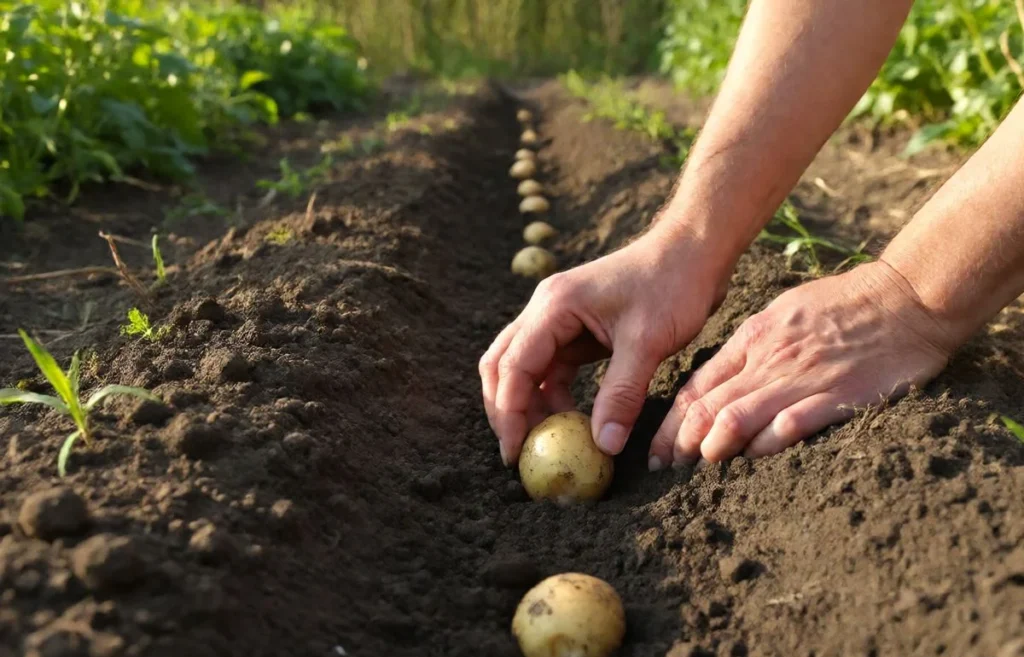
Learning how to plant potatoes starts with preparing the seed potatoes properly. Cutting and sprouting potatoes are crucial steps before planting potatoes in your garden. This process helps the potatoes grow strong sprouts, which will turn into healthy plants. Knowing when to plant potatoes and handling the seed potatoes carefully improves your chances of growing potatoes successfully. Sprouting also speeds up growth, making your potato plants ready for the soil faster. Here’s how to prepare your potatoes for planting and get the best results from your garden.
What Are Seed Potatoes?
Seed potatoes are small potatoes or pieces of large potatoes used for planting. They are not seeds but tubers with “eyes” or buds. These eyes will sprout new potato plants during growth. Using good seed potatoes ensures healthy plants and better harvests.
How To Cut Seed Potatoes
- Choose firm, disease-free potatoes with several eyes.
- Cut large potatoes into pieces, each with at least one or two eyes.
- Make pieces about 1.5 to 2 inches in size.
- Use a sharp knife and cut carefully to avoid crushing.
- Let the cut pieces dry for 1 to 2 days to form a protective layer.
Sprouting Potatoes Before Planting
Sprouting is called “chitting.” It means encouraging the eyes to grow shoots before planting. Follow these steps:
- Place seed potato pieces in a cool, bright place.
- Arrange them with the eyes facing up.
- Keep the temperature around 50°F to 60°F for best sprouting.
- Wait 2 to 4 weeks until sprouts are about 1 inch long.
- Avoid direct sunlight to prevent drying out.
Benefits Of Cutting And Sprouting Potatoes
| Benefit | Explanation |
|---|---|
| Faster Growth | Sprouts start growing quickly once planted. |
| Healthier Plants | Stronger sprouts mean stronger plants and better yields. |
| More Plants | Cutting large potatoes creates multiple plants from one tuber. |
| Early Harvest | Sprouted potatoes mature faster than unsprouted ones. |
Planting Techniques
Understanding the right planting techniques is key to success in how to plant potatoes. Proper methods help in growing potatoes that are healthy and plentiful. Knowing when to plant potatoes and how deep to place them improves growth. Different ways of planting potatoes suit various garden sizes and soil types. Techniques also affect how well your tubers develop underground. Let’s explore some common and effective ways to plant your potatoes.
Start with certified seed potatoes. They are disease-free and produce better yields. Cut large seed potatoes into pieces. Each piece should have at least one eye. Let pieces dry for 1-2 days before planting. This prevents rotting in the soil.
- Pick a sunny spot with loose, well-drained soil.
- Remove rocks and weeds.
- Loosen soil to about 12 inches deep.
- Add compost or aged manure for nutrients.
- Maintain soil pH around 5.5 to 6.5 for best growth.
Planting Depth And Spacing
| Aspect | Recommendation |
|---|---|
| Planting Depth | 4-6 inches deep |
| Spacing Between Seed Pieces | 12 inches apart |
| Row Spacing | 30 inches apart |
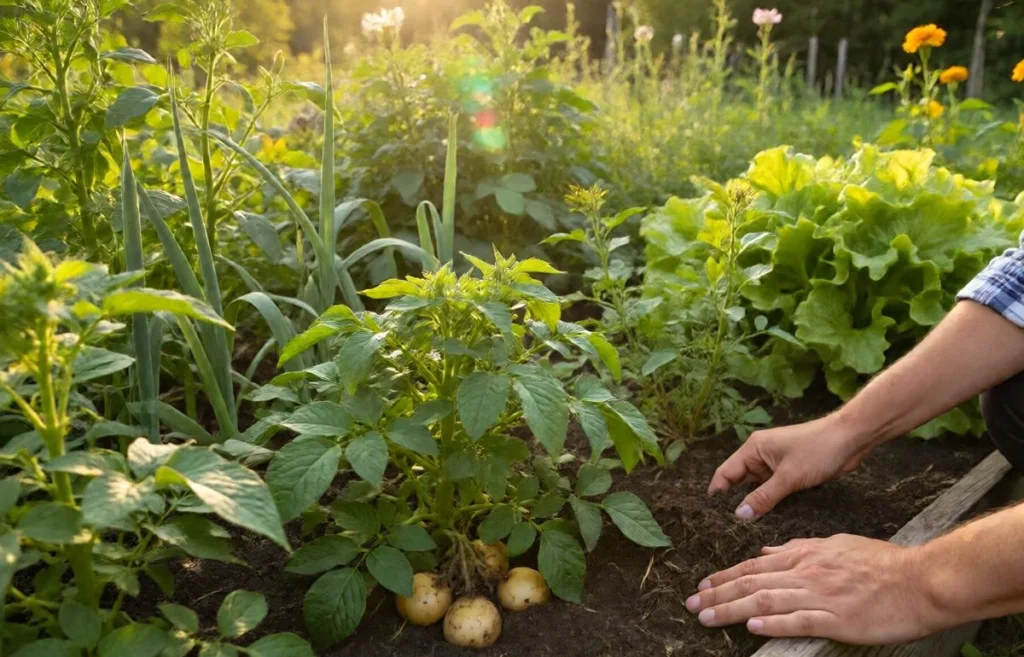
Plant seed pieces with eyes facing up. Cover with soil and gently firm it.
Planting Methods
- Traditional Row Planting: Dig trenches and place seed pieces in rows.
- Hill Planting: Place seed pieces in mounds or hills of soil.
- Container Planting: Use large pots or grow bags with good soil.
Each method suits different garden spaces and helps with co planting potatoes alongside other crops.
Watering After Planting
Water the soil well after planting. Keep soil moist but not soaked. Too much water causes rot. Proper moisture helps tubers form underground.
Caring For Potato Plants
Growing potatoes is a rewarding experience, but caring for potato plants is key to a good harvest. Proper care helps plants stay healthy and produce big, tasty potatoes. Knowing how to plant potatoes and tending them carefully makes a big difference. This guide covers essential tips for caring for your potato plants after planting potatoes in your garden. Follow these steps to keep your plants strong and ready to grow.
Watering Potato Plants
Potatoes need regular watering to grow well. Water the plants deeply once or twice a week. The soil should stay moist but not soggy. Too much water can cause rot, while too little water makes potatoes small and dry.
- Water in the early morning or late afternoon.
- Avoid wetting the leaves to prevent disease.
- Use drip irrigation or a soaker hose for best results.
Hilling And Soil Care
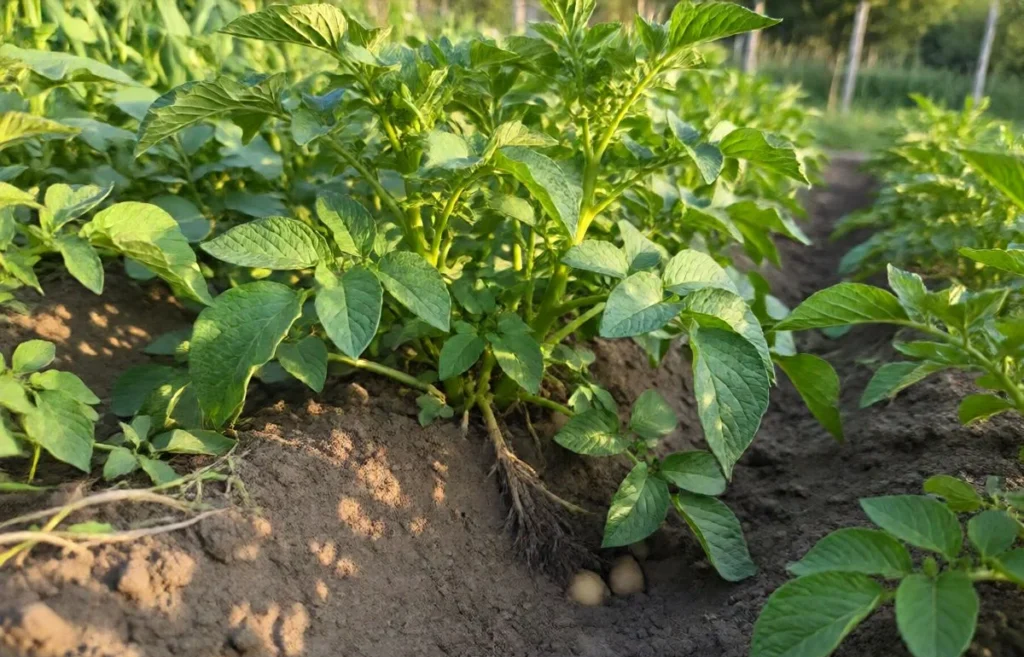
Hilling means piling soil around the base of potato plants. This helps protect tubers from sunlight and supports the stems. Start hilling when plants reach 6 inches tall, then repeat every few weeks.
- Use a hoe or rake to pull soil up around the plants.
- Leave the top few leaves exposed.
- Hilling encourages more potatoes to grow underground.
Loosen the soil regularly to improve air flow and drainage. This keeps roots healthy during growing potatoes.
Fertilizing Potato Plants
Potatoes need nutrients to grow big and healthy. Use a balanced fertilizer with nitrogen, phosphorus, and potassium. Apply fertilizer when planting potatoes and again midway through the growing season.
| Fertilizer Type | When to Apply | Purpose |
|---|---|---|
| Balanced (10-10-10) | At planting | Supports early growth |
| High Potassium (5-10-15) | Mid-season | Boosts tuber development |
Controlling Pests And Diseases
Watch for pests like potato beetles and aphids. Remove them by hand or use natural insecticides. Diseases such as blight can harm plants quickly.
- Inspect plants weekly for signs of damage.
- Remove and destroy infected leaves.
- Practice crop rotation to reduce disease risks.
Harvesting And Storing Potatoes
Harvest potatoes once plants flower and leaves start yellowing. Gently dig around the plant to avoid damaging tubers. Cure potatoes in a cool, dark place for two weeks before storage.
- Handle potatoes carefully to prevent bruising.
- Store in a cool, dry, dark area.
- Check stored potatoes regularly for spoilage.
Harvesting And Storage
Learning how to plant potatoes is only the first step in growing your own food. Knowing when to harvest and how to store your potatoes is just as important. Proper harvesting and storage keep your potatoes fresh and tasty for weeks or months. This guide helps you understand the right time to dig up your crop and the best ways to keep them safe after harvest.
When To Harvest Your Potatoes
Timing is key in growing potatoes. You should wait until the potato plants start to yellow and die back. This usually happens about 2 to 3 months after planting potatoes. The skins of the potatoes will be firm and hard to rub off. This means they are ready for digging up.
- Check plants regularly after 70 days.
- Look for yellowing leaves and dying stems.
- Test a few potatoes by gently digging around the plant.
- Harvest early if you want new potatoes with thin skins.
How To Harvest Potatoes
Harvest potatoes with care to avoid bruising or cutting them. Use a garden fork or shovel to loosen soil about 12 inches away from the plant stem. Lift the soil gently to reveal the potatoes. Avoid dropping or banging them on hard surfaces.
- Loosen soil carefully around the plant.
- Lift plants and soil slowly to find tubers.
- Pick up potatoes by hand, not with tools.
- Brush off loose soil, but do not wash them yet.
Best Storage Conditions For Potatoes
After harvesting, storing potatoes correctly keeps them fresh and crisp. The ideal storage area is cool, dark, and well-ventilated. Avoid places that are too warm or too cold, as this affects potato quality.
| Condition | Ideal Range |
|---|---|
| Temperature | 45°F to 50°F (7°C to 10°C) |
| Light | Dark or low light |
| Humidity | 85% to 90% relative humidity |
| Air Circulation | Good ventilation |
Tips For Storing Potatoes Long-term
- Keep potatoes away from onions to prevent spoilage.
- Store in paper bags, burlap sacks, or wooden crates.
- Do not wash potatoes before storing; moisture causes rot.
- Check stored potatoes weekly and remove any soft or sprouted ones.
- Do not expose potatoes to sunlight; this causes greening and bitterness.
Frequently Asked Questions
What Is The Best Time To Plant Potatoes?
The best time to plant potatoes is early spring. Soil should be 45°F or warmer for good growth.
How Deep Should I Plant Potato Seeds?
Plant potato seeds about 4 inches deep. Cover them with soil to protect from sunlight.
How Far Apart Should Potato Plants Be Spaced?
Space potato plants 12 inches apart in rows. This gives them enough room to grow well.
What Soil Type Is Ideal For Planting Potatoes?
Loose, well-drained soil with good organic matter is ideal. Avoid heavy clay soils that hold water.
How Often Should Potatoes Be Watered?
Water potatoes regularly, about 1 inch per week. Keep soil moist but not soggy.
Can Potatoes Grow In Containers?
Yes, potatoes grow well in containers with good soil. Use a deep container for better results.
When Can I Harvest Potatoes After Planting?
Potatoes are ready to harvest about 10 weeks after planting. Look for yellowing leaves as a sign.
Conclusion
Planting potatoes is simple and rewarding. Choose healthy seed potatoes and good soil. Space them well for strong growth. Water regularly, but don’t soak the soil. Keep the area free from weeds. Watch for pests and remove them quickly. Harvest time is exciting—dig carefully to avoid damage.
Growing your own potatoes saves money and tastes fresh. Try it this season and enjoy fresh potatoes from your garden.