
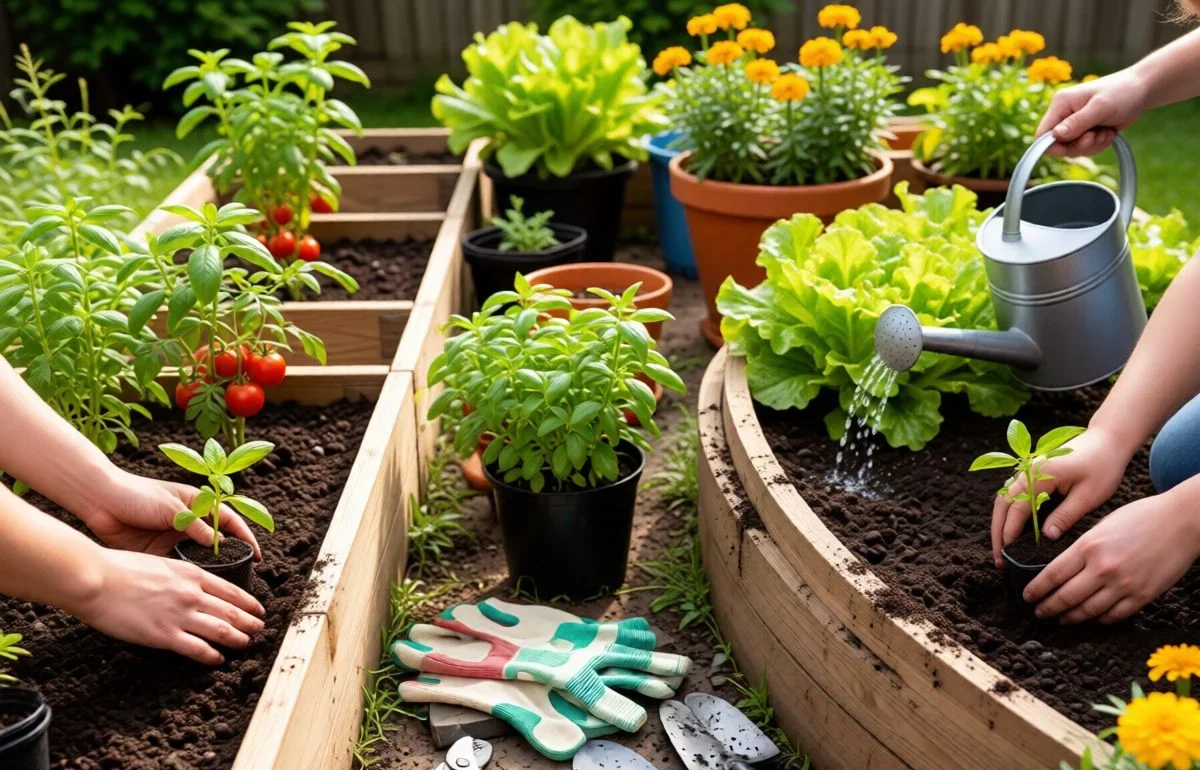

Are you ready to transform your outdoor space into a thriving garden full of life and color? Whether you’re a beginner or have some experience, the right gardening tips can make all the difference.
Imagine stepping outside to find healthy plants, vibrant flowers, and fresh vegetables growing right in your backyard. You’ll discover simple, practical advice that anyone can use to boost their gardening success. Keep reading to unlock easy ways to nurture your garden and enjoy the satisfaction of watching your efforts bloom.
Choosing The Right Plants
Choosing the right plants is one of the most important gardening tips for beginners. Picking plants that suit your garden’s climate, soil, and light conditions can make gardening easier and more enjoyable. The right plants grow well, need less care, and create a beautiful garden space. Understanding your garden’s needs and the plants’ preferences helps in making smart choices. These garden tips help you start strong and keep your plants healthy.
Assessing Your Garden’s Environment
Start by checking your garden’s sunlight, soil type, and space. Different plants need different conditions to grow well.
- Sunlight: Note if your garden gets full sun, partial sun, or shade.
- Soil: Test if your soil is sandy, clay, loamy, or rocky.
- Space: Measure the space available for planting to avoid overcrowding.
Knowing these factors helps you choose plants that will thrive without extra effort.
Choosing Plants Based On Climate
Pick plants suited to your local climate. This reduces the need for extra water or protection.
| Climate Zone | Best Plant Types | Example Plants |
|---|---|---|
| Cold (Zones 1-4) | Hardy perennials, evergreens | Pansies, Hostas, Spruce |
| Temperate (Zones 5-7) | Deciduous trees, shrubs | Maple, Lilac, Daylily |
| Warm (Zones 8-10) | Tropical, drought-tolerant | Succulents, Hibiscus, Bougainvillea |
Check your USDA zone or local climate map before buying plants.
Considering Plant Maintenance
Some plants need more care than others. Choose plants that fit your time and skill level.
- Low maintenance: Plants that need little watering or pruning, like succulents.
- Medium maintenance: Plants needing regular watering and occasional feeding.
- High maintenance: Plants that require daily care, pests control, or special soil.
For gardening beginners, low to medium maintenance plants work best.
Table of Contents
Soil Preparation
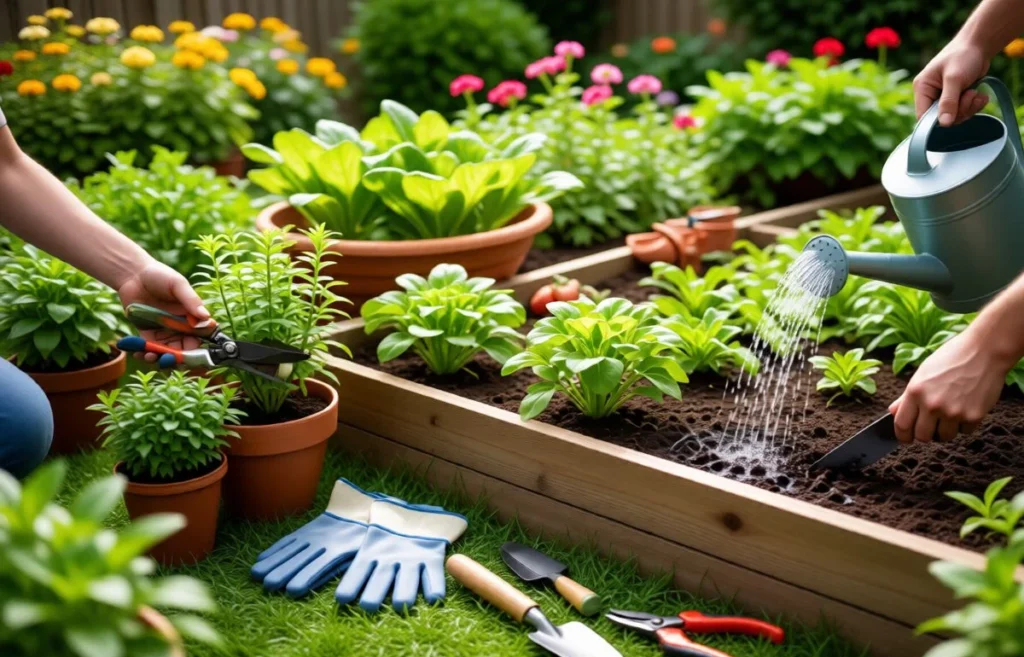
Good soil preparation is the first step in successful gardening. Healthy soil gives plants strong roots and helps them grow well. For those interested in gardening tips for beginners, knowing how to prepare your soil is key. Gardening for beginners becomes easier with the right foundation. Proper soil makes a big difference in your garden’s success.
Understanding Your Soil Type
Knowing your soil type helps you choose the right plants and care methods. There are three main types:
- Sandy soil: Drains quickly but holds few nutrients.
- Clay soil: Holds water but drains slowly and can be hard.
- Loamy soil: A mix of sand, silt, and clay; best for most plants.
Test your soil by feeling it. Sandy soil feels gritty, clay soil feels sticky, and loam feels soft and crumbly.
Improving Soil Quality
Good soil has the right balance of nutrients and structure. Use these garden tips to improve soil quality:
- Add organic matter like compost or aged manure.
- Mix in peat moss to improve moisture retention.
- Use mulch to keep soil moist and prevent weeds.
- Ensure proper drainage to avoid waterlogging.
Healthy soil helps plants absorb nutrients and grow strong.
Testing Soil Ph
Soil pH affects nutrient availability. Most plants prefer a pH between 6 and 7. Use a soil test kit to check pH.
| pH Level | Soil Type | Effect on Plants |
|---|---|---|
| Below 6 | Acidic | May limit nutrient uptake |
| 6 – 7 | Neutral | Best for most plants |
| Above 7 | Alkaline | Can reduce nutrient availability |
Adjust pH by adding lime to raise it or sulfur to lower it.
Preparing The Soil Bed
Before planting, prepare the soil bed carefully:
- Clear weeds and old roots.
- Loosen soil to a depth of 8-12 inches with a shovel or garden fork.
- Remove stones and debris.
- Mix in compost or other organic matter evenly.
This creates a soft, nutrient-rich bed for new plants.
Watering Techniques
Watering is a key part of gardening for beginners and experts alike. Proper watering helps plants grow strong and stay healthy. Many gardeners miss simple watering techniques that save water and time. These gardening tips focus on watering methods that work well in any garden. Using the right techniques prevents problems like overwatering or underwatering.
Understanding Your Plants’ Water Needs
Different plants need different amounts of water. Some like moist soil, while others prefer dry conditions.
- Vegetables usually need more water, especially in hot weather.
- Succulents require less water and dry soil.
- Flowering plants often need steady moisture but not soaking roots.
Check the soil regularly by feeling it. Water only when the top inch feels dry.
Best Times To Water Your Garden
Watering at the right time helps plants absorb water better and avoids disease.
- Early morning is ideal. Plants soak up water before the sun heats the soil.
- Late afternoon
- Never water at midday. The sun can burn wet leaves and waste water.
Watering Methods To Try
| Method | Description | Best For |
|---|---|---|
| Drip Irrigation | Slow, direct water to roots through tubes. | Vegetables, shrubs, and flower beds. |
| Soaker Hose | Hose with tiny holes that release water slowly. | Garden rows and borders. |
| Hand Watering | Using a watering can or hose with a nozzle. | Small gardens and container plants. |
Watering Tips For Beginners
- Water deeply to encourage roots to grow down.
- Avoid shallow watering that wets only the surface.
- Use mulch to keep moisture in the soil longer.
- Check drainage to prevent waterlogging.
- Adjust watering during rainy or dry periods.
Pest Control Methods
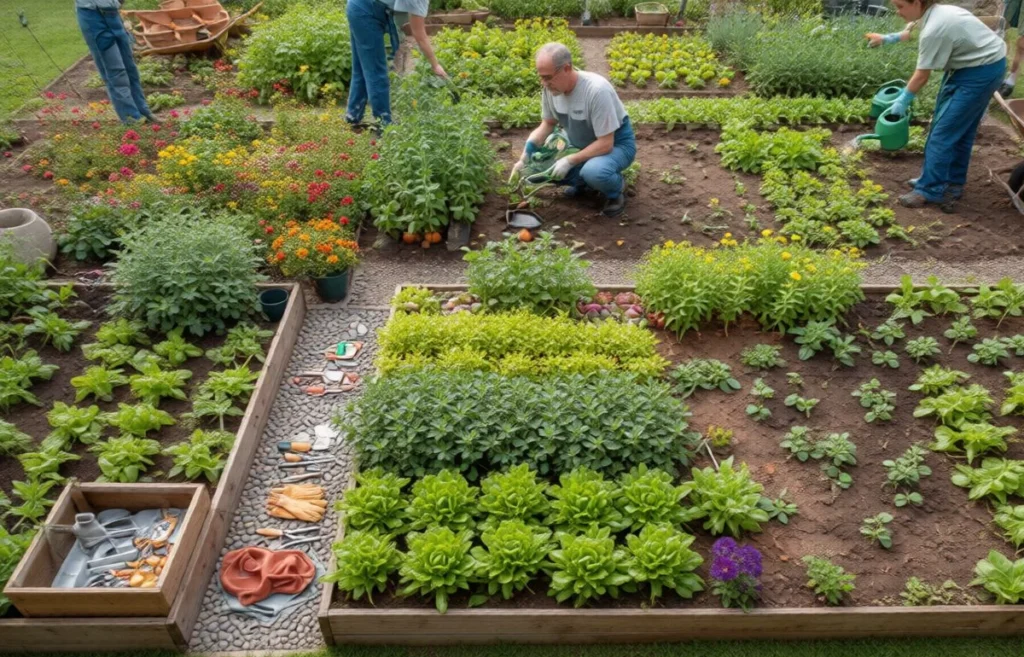
Pest control methods are key to a healthy garden. Every gardener faces challenges with pests that harm plants. Knowing how to handle pests can make gardening easier and more fun. These gardening tips help keep your garden safe and thriving. For those new to planting, gardening for beginners means learning simple ways to protect plants. These garden tips focus on natural and effective pest control. Use these gardening tips for beginners to manage pests without harsh chemicals. Here are some useful tips on gardening that prevent and control common garden pests.
Natural Pest Control
Using natural methods keeps your garden safe for plants, animals, and people. It avoids harmful chemicals. Try these:
- Introduce beneficial insects: Ladybugs and lacewings eat pests like aphids.
- Plant pest-repelling herbs: Mint, basil, and marigolds keep bugs away.
- Use neem oil spray: A natural spray that controls many insects.
- Handpick pests: Remove caterpillars or beetles by hand.
Physical Barriers And Traps
Protect plants by blocking pests or trapping them. These methods work well for beginners.
- Row covers: Lightweight cloths stop insects from reaching plants.
- Sticky traps: Yellow sticky boards catch flying insects.
- Collars around stems: Paper collars prevent cutworms from reaching plants.
- Handmade traps: Use bowls with soapy water to trap slugs.
Chemical-free Pest Solutions
Chemical-free solutions are safe and easy. They help keep your garden organic and healthy.
| Method | Description | Best For |
|---|---|---|
| Garlic Spray | Crushed garlic mixed with water repels insects. | Aphids, beetles, and mites |
| Soap Spray | Mix liquid soap with water to kill soft-bodied pests. | Aphids, whiteflies, and mealybugs |
| Diatomaceous Earth | Powder that damages insect shells, causing death. | Slugs, beetles, and ants |
| Companion Planting | Grow certain plants together to deter pests naturally. | Various pests depending on plant pairs |
Pruning And Maintenance
Pruning and maintenance are key parts of gardening for beginners. Proper care helps plants grow healthy and strong. These gardening tips focus on keeping your garden neat and productive. Following simple steps makes pruning easy and effective. Use these garden tips to keep your plants thriving all season.
Understanding The Basics Of Pruning
Pruning is cutting off dead or overgrown branches. This helps plants get more sunlight and air. Good pruning encourages new growth and flowering.
- Use sharp tools: Clean, sharp pruners make clean cuts.
- Cut at the right spot: Always cut just above a leaf node or bud.
- Remove dead parts: Cut away dry, damaged, or diseased branches first.
Start with small cuts and avoid removing more than 25% of the plant at once. This helps the plant stay healthy and recover quickly.
Routine Garden Maintenance Tips
Regular maintenance keeps your garden looking good and plants growing strong.
- Water properly: Water early morning or late evening to reduce evaporation.
- Weed often: Remove weeds to stop them from stealing nutrients.
- Fertilize as needed: Use balanced fertilizers to support growth.
- Mulch: Mulch keeps soil moist and stops weed growth.
- Check for pests: Look for bugs or diseases regularly and treat them early.
Seasonal Pruning Guide
| Season | Pruning Focus | Plants |
|---|---|---|
| Spring | Shape plants and remove winter damage | Flowering shrubs, perennials |
| Summer | Light trimming and deadheading flowers | Roses, annuals |
| Fall | Cut back perennials, clean garden beds | Perennials, deciduous shrubs |
| Winter | Prune dormant trees and shrubs | Fruit trees, deciduous trees |
Following this guide makes pruning easier and improves plant health throughout the year.
Seasonal Gardening Tips
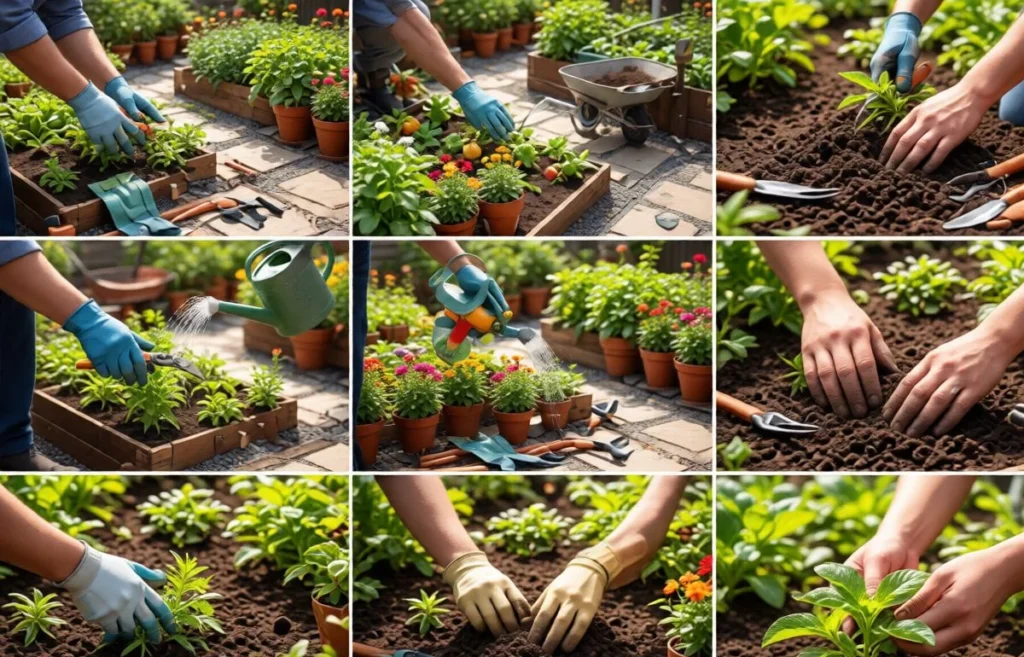
Gardening for beginners can be a fun and rewarding hobby. Using proper gardening tips helps plants grow healthy and strong. Seasonal gardening tips make sure your garden thrives all year. Each season needs different care and attention. Following simple garden tips can improve your success. This section shares easy tips on gardening for every season.
Spring Gardening Tips
Spring is the best time to start planting. Prepare your soil by removing weeds and adding compost. Choose seeds or seedlings that grow well in your area.
- Plant cool-season vegetables like lettuce and carrots.
- Prune dead branches from trees and shrubs.
- Start a watering routine to keep soil moist but not soaked.
Summer Gardening Tips
Summer needs extra care because of heat and dry weather. Water plants early in the morning or late in the evening. Mulch around plants to keep soil cool and moist.
- Pick vegetables and fruits regularly to encourage growth.
- Watch for pests and treat plants quickly.
- Use shade cloth to protect sensitive plants from harsh sun.
Fall Gardening Tips
Fall is a good time to plant bulbs for spring flowers. Clean up garden beds by removing old plants and debris. Add mulch to protect soil from cold.
- Plant cool-season crops like spinach and broccoli.
- Start composting fallen leaves for future use.
- Check soil pH and adjust if needed.
Winter Gardening Tips
Winter requires protecting plants from frost and cold. Use row covers or blankets on sensitive plants. Move potted plants indoors or to a sheltered spot.
- Plan your garden for the next year.
- Prune dormant trees to prepare for spring growth.
- Keep watering indoor plants but reduce frequency.
| Season | Main Focus | Key Tips |
|---|---|---|
| Spring | Planting and soil prep | Prepare soil, plant cool crops, prune |
| Summer | Watering and pest control | Water early, mulch, watch pests |
| Fall | Cleanup and planting bulbs | Remove old plants, mulch, plant bulbs |
| Winter | Protection and planning | Cover plants, prune, plan garden |
Garden Tool Essentials
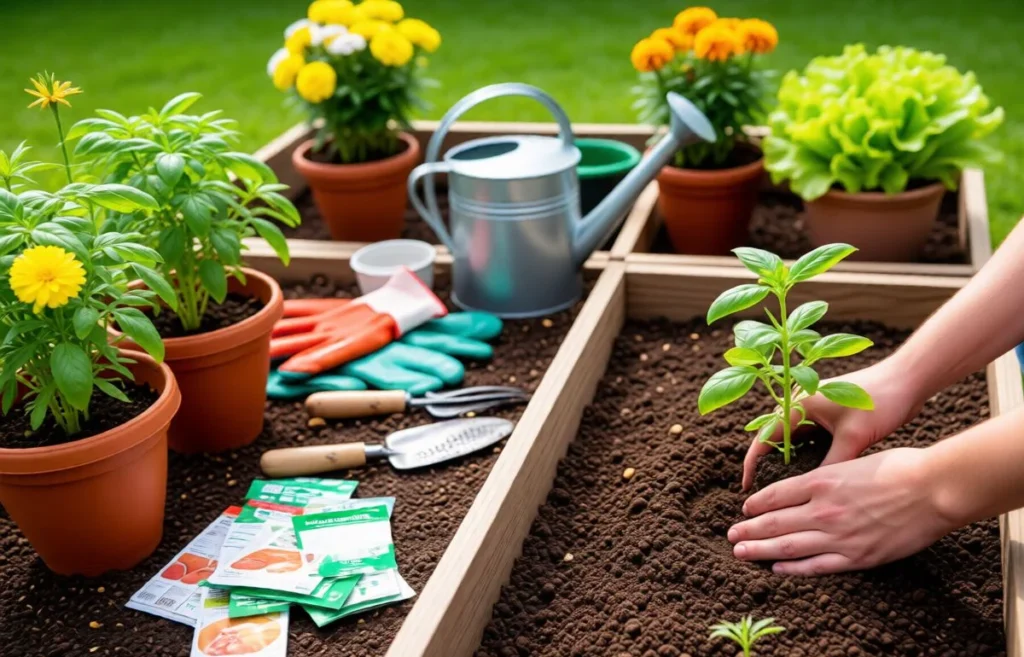
Gardening for beginners can be exciting but also a bit confusing. Knowing the right tools to use is important. These garden tool essentials help you work easier and get better results. Good tools make gardening fun and less tiring. Here are some key tools every gardener should have. Use these gardening tips for beginners to start strong.
Essential Hand Tools
Hand tools are small but very useful. They help with planting, digging, and pruning in small spaces.
- Trowel: Perfect for digging small holes and transplanting plants.
- Pruning Shears: Useful for trimming and shaping plants.
- Hand Fork: Helps loosen soil and remove weeds.
- Weeder: Designed to pull out weeds easily by the roots.
Larger Tools For Soil And Lawn Care
These tools work well for bigger jobs like turning soil and maintaining your lawn.
- Garden Hoe: Great for breaking up soil and removing weeds.
- Rake: Useful for clearing leaves and smoothing soil.
- Spade: Helps dig deeper holes or edges.
- Lawn Mower: Keeps grass neat and at the right height.
Choosing The Right Tools For Your Garden
Select tools based on your garden size and plant types. For small gardens, hand tools work best. Larger gardens need sturdier equipment.
| Garden Size | Recommended Tools |
|---|---|
| Small (Balcony or Pots) | Trowel, Pruning Shears, Hand Fork |
| Medium (Backyard) | Hoe, Rake, Spade, Pruning Shears |
| Large (Lawn or Farm) | Lawn Mower, Spade, Hoe, Rake |
Maintaining Your Garden Tools
Keep tools clean and sharp to last longer. Wipe dirt off after use. Oil metal parts to stop rust.
- Clean tools with water and dry thoroughly.
- Sharpen blades regularly for smooth cuts.
- Store tools in a dry place.
- Check handles for cracks or splinters.
Frequently Asked Questions
What Are The Best Plants For Beginner Gardeners?
Start with easy plants like herbs, lettuce, or sunflowers. They grow fast and need little care. Perfect for learning basic gardening skills.
How Often Should I Water My Garden Plants?
Water plants when the soil feels dry about an inch deep. Most gardens need watering once or twice a week. Avoid overwatering to prevent root problems.
What Is The Ideal Soil Type For Healthy Plants?
Loamy soil is best because it holds water and drains well. It also has many nutrients that plants need. You can improve soil by adding compost.
How Can I Keep Pests Away From My Garden?
Use natural methods like neem oil, soap spray, or companion planting. These keep pests away without harmful chemicals. Check plants often for early signs of pests.
When Is The Best Time To Plant Vegetables?
Spring and early summer are ideal for most vegetables. This gives plants enough time to grow before cold weather. Check local climate for exact planting dates.
How Do I Improve Poor Soil In My Garden?
Add organic matter like compost, manure, or mulch. This improves soil texture and nutrients. Testing soil pH helps you know what to add.
What Tools Do I Need For Basic Gardening?
Start with a trowel, pruners, watering can, and gloves. These tools cover most simple gardening tasks. You can add more tools as you gain experience.
Conclusion
Gardening can bring joy and peace to your daily life. Small efforts help plants grow strong and healthy. Choose the right soil and water your plants well. Keep pests away by checking leaves often. Sunlight and care make flowers and vegetables thrive.
Gardening teaches patience and rewards you with beauty. Start small and enjoy watching your garden change. Every gardener learns with each new season. Take time to connect with nature and relax. Your garden will thank you with fresh blooms and green leaves.