
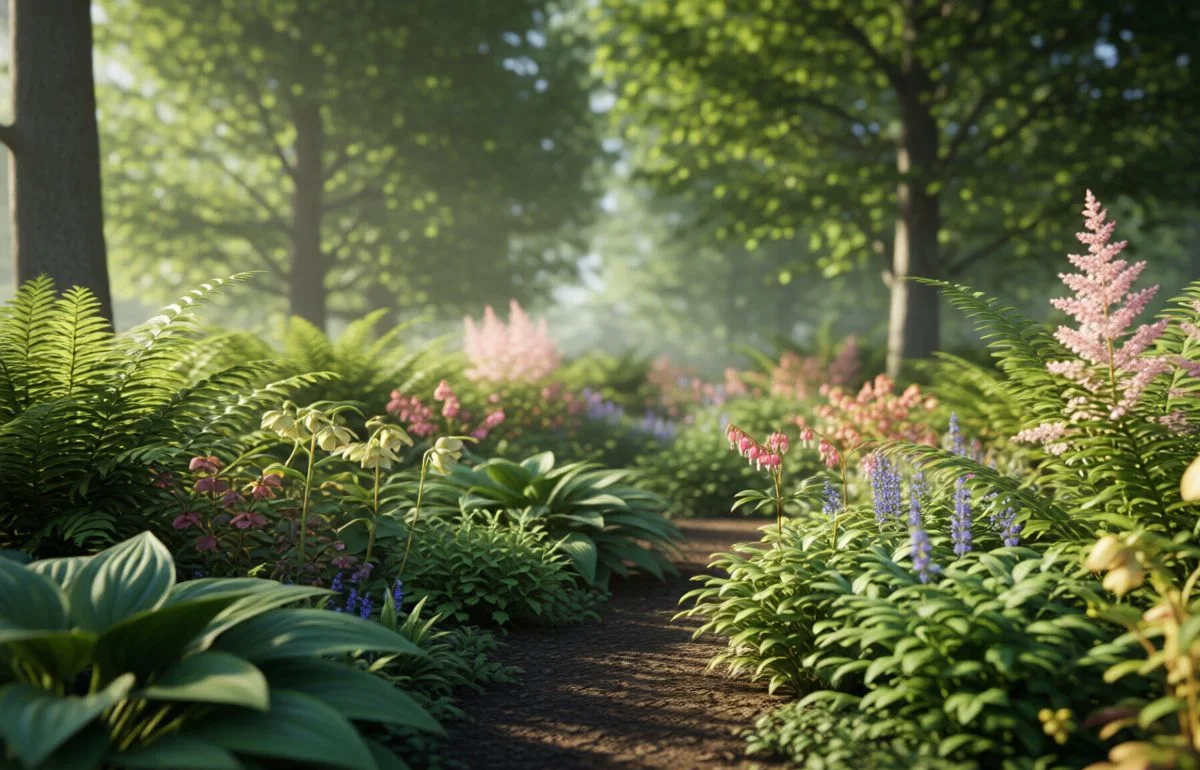

Are you struggling to find beautiful flowers that thrive in shady spots? You’re not alone.
Many gardeners face the challenge of brightening up shaded areas in their yards. But what if you could fill those tricky corners with vibrant, colorful blooms that love the shade as much as you love your garden? You’ll discover the best flowers that flourish without direct sunlight.
Get ready to transform your shady spaces into stunning retreats that catch everyone’s eye. Keep reading—you won’t want to miss these easy-to-grow, shade-loving beauties!
Choosing Shade-tolerant Flowers
Choosing the right flowers for shady spots can be tricky. Many plants need sunlight to grow well. Still, some thrive in low light and add color to dark corners. The best flowers in the shade brighten these spaces. These perennial shade plants and flowers come back year after year, making them great for low-light gardens. Knowing which shade flowers to plant helps create a lively garden even without full sun. Selecting flowers best for shade means picking those that stay healthy and bloom in less light. These shade tolerant perennial flowers make your garden beautiful and easy to care for.
Understanding Shade Levels
Shade varies from light to dense. Plants need different amounts of light to grow well. Identify your garden’s shade type:
- Light Shade: Some sunlight, often filtered through trees.
- Partial Shade: 3-6 hours of direct sunlight daily.
- Full Shade: Less than 3 hours of direct sunlight daily.
Choose flowers that match your garden’s shade level for best growth.
Choosing Perennial Shade Plants And Flowers
Perennials return every year. They save time and money. Pick those that thrive in shade:
- Hostas – Large leaves, many colors, and easy care.
- Astilbe – Feathery flowers in pink, white, or red.
- Ferns – Green and lush, great for deep shade.
These plants tolerate shade and add texture and color.
Table of Contents
Tips For Selecting Shade Flowers To Plant
- Check soil moisture needs. Shade plants often like moist soil.
- Consider plant height to avoid overcrowding.
- Mix flowering and leafy plants for visual interest.
- Choose native plants for easier care and better growth.
Table: Popular Shade Tolerant Perennial Flowers
| Flower | Bloom Color | Light Requirement | Soil Preference |
|---|---|---|---|
| Bleeding Heart | Pink, White | Partial to Full Shade | Moist, Well-Drained |
| Heuchera (Coral Bells) | Varied (Purple, Red, Green) | Light to Partial Shade | Well-Drained |
| Lungwort | Blue, Pink | Partial to Full Shade | Moist, Well-Drained |
| Solomon’s Seal | White | Partial to Full Shade | Moist, Rich |
Top Perennials For Shaded Areas
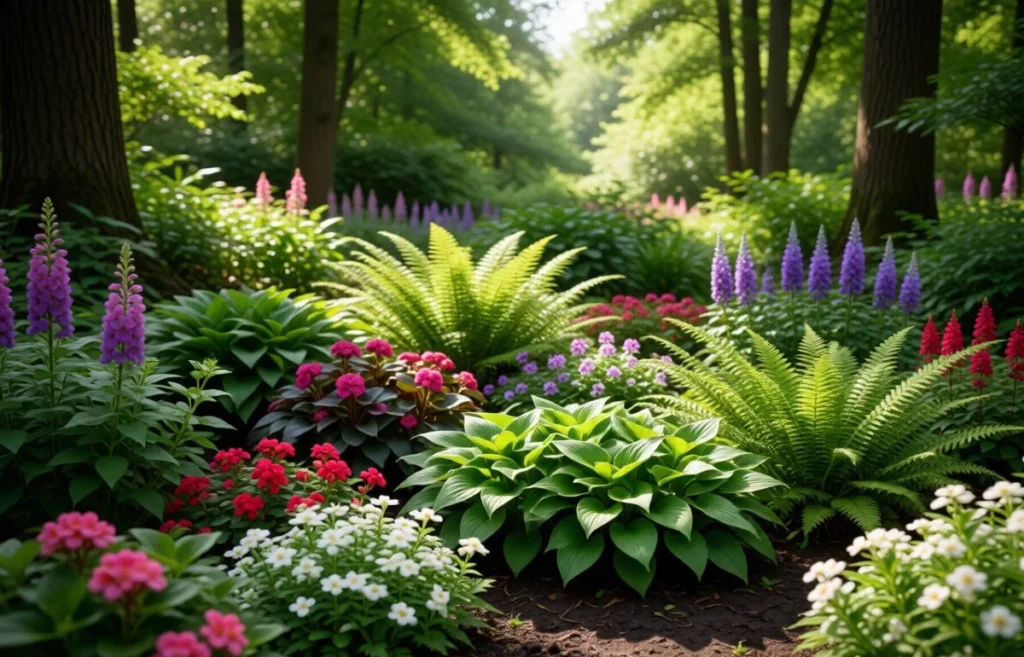
Finding the best flowers in the shade can brighten up any dim corner of your garden. Perennial shade plants and flowers thrive without direct sunlight, making them perfect for shaded areas. These shade tolerant perennial flowers return year after year, providing lasting beauty with less effort. Choosing the right shade flowers to plant ensures your garden stays colorful and lively even in low light.
Astilbe
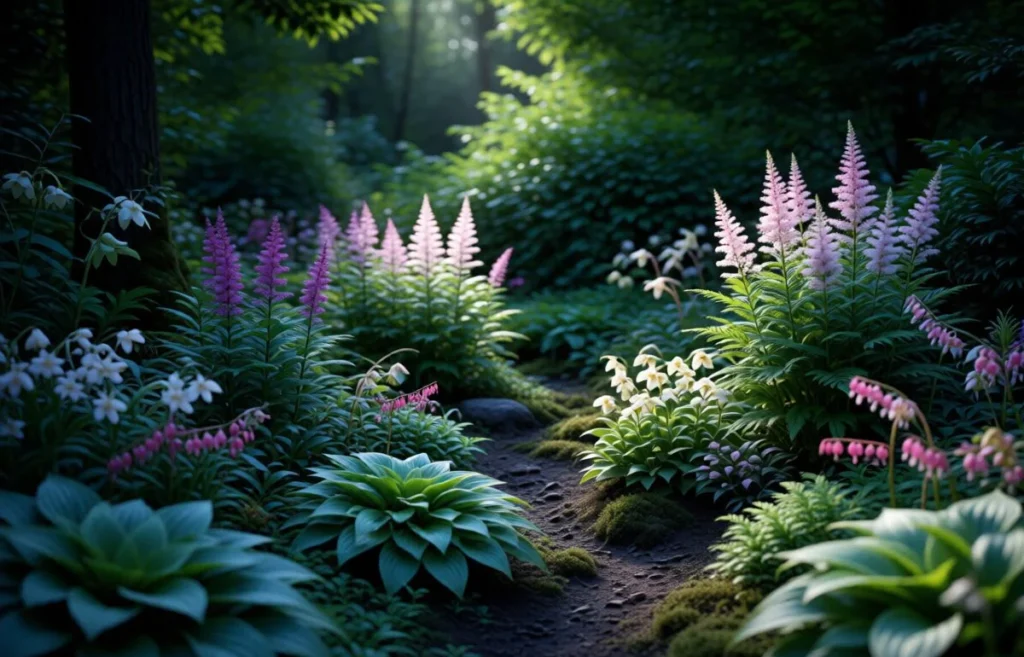
Astilbe is a popular shade tolerant perennial flower with feathery plumes in pink, red, white, or purple. It prefers moist, well-drained soil and does well under trees or near shaded borders. Astilbe adds texture and color to any shaded garden.
Hosta
Hostas are classic shade flowers to plant because of their lush foliage and subtle blooms. They come in many sizes and leaf colors, from deep green to blue and variegated patterns. Hostas thrive in full to partial shade and prefer rich soil.
Bleeding Heart (dicentra)
Bleeding Heart is a delicate perennial with heart-shaped pink or white flowers. It blooms in spring and early summer and prefers cool, shaded spots. This perennial shade plant adds charm and softness to shady garden beds.
Foamflower (tiarella)
Foamflower is a low-growing plant with frothy white or pink flowers and attractive foliage. It spreads well, making it a good ground cover for shaded areas. Foamflower thrives in moist, well-drained soil and shaded locations.
Solomon’s Seal
Solomon’s Seal has arching stems with small, bell-shaped flowers. It prefers deep shade and moist soil. This shade tolerant perennial flower adds elegance and movement to the garden.
| Flower | Light Preference | Bloom Time | Soil Needs |
|---|---|---|---|
| Astilbe | Partial to full shade | Late spring to summer | Moist, well-drained |
| Hosta | Full to partial shade | Summer | Rich, moist |
| Bleeding Heart | Partial to full shade | Spring to early summer | Moist, well-drained |
| Foamflower | Partial to full shade | Spring | Moist, well-drained |
| Solomon’s Seal | Full shade | Spring | Moist, rich |
Annual Flowers That Thrive In Shade
Choosing the best flowers in the shade can brighten any garden corner with little sunlight. Perennial shade plants and flowers add color year after year, but annuals offer a quick, vibrant burst. Shade flowers to plant each season include some tough annuals that flourish without direct sun. These flowers best for shade bring life to darker spots. They work well alongside shade tolerant perennial flowers for varied garden looks.
Impatiens: Colorful Shade Lovers
Impatiens are popular for shady spots. They bloom in many colors like red, pink, white, and purple. These flowers need moist soil and regular watering. Impatiens grow fast and fill spaces with bright, cheerful blooms.
Begonias: Bright Blooms For Dark Areas
Begonias thrive in shade and have unique leaf shapes. Their flowers come in pink, red, orange, and white. Begonias prefer well-drained soil and moderate watering. They add texture and color under trees or near walls.
Caladiums: Eye-catching Foliage And Flowers
Caladiums stand out with their colorful leaves. They feature shades of red, pink, green, and white. Though mostly grown for their foliage, they produce small flowers. Caladiums need warm temperatures and consistent moisture.
Fuchsia: Elegant Hanging Blossoms
Fuchsia plants thrive in shady, cool areas. Their hanging, teardrop-shaped flowers attract hummingbirds. Fuchsias prefer well-drained soil and regular watering. They look great in hanging baskets or containers.
Torrenia: Unique Trumpet-shaped Flowers
Torrenia, also called wishbone flower, blooms in shade with trumpet-shaped flowers. Colors include purple, blue, pink, and white. This flower likes moist soil and partial shade. Torrenia adds a delicate touch to shaded beds.
| Annual Flower | Color Options | Care Needs | Best Use |
|---|---|---|---|
| Impatiens | Red, Pink, White, Purple | Moist soil, regular watering | Fill shady beds quickly |
| Begonias | Pink, Red, Orange, White | Well-drained soil, moderate watering | Near walls, under trees |
| Caladiums | Red, Pink, Green, White (foliage) | Warmth, consistent moisture | Focal points, shaded containers |
| Fuchsia | Pink, Red, Purple | Well-drained soil, regular watering | Hanging baskets, cool shade |
| Torrenia | Purple, Blue, Pink, White | Moist soil, partial shade | Shady garden beds |
Flowering Shrubs For Low Light
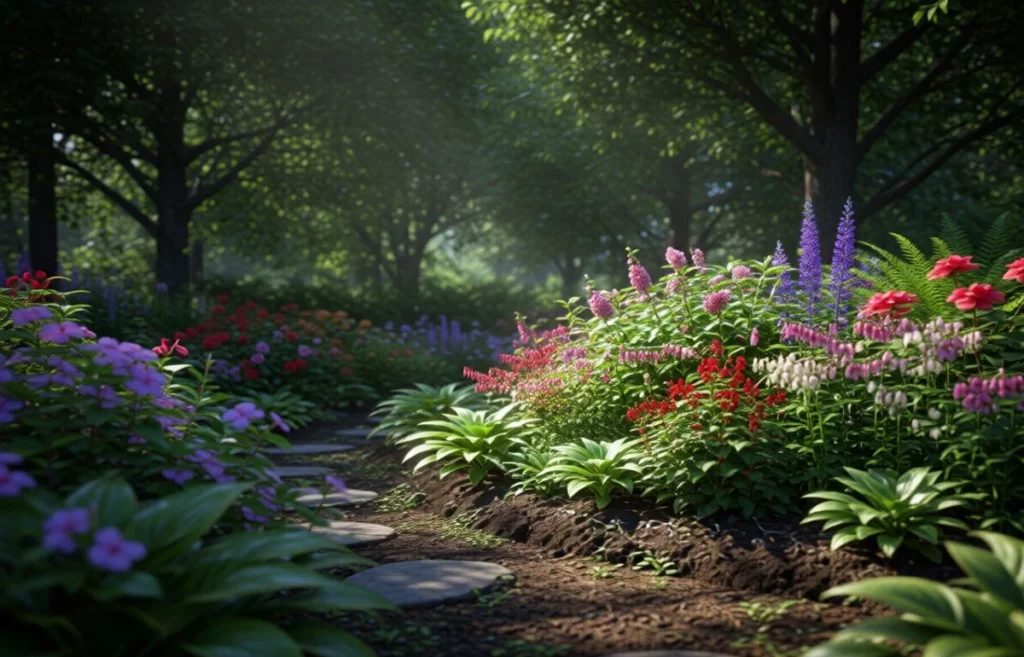
Finding the best flowers in the shade can be tricky, especially for areas with limited sunlight. Perennial shade plants and flowers bring life to dark corners of your garden. Among these, flowering shrubs for low light stand out. They provide color and structure all season long. These shrubs thrive in shady spots where many plants struggle. Discover the shade flowers to plant that bloom beautifully without direct sun. These flowers best for shade offer easy care and long-lasting blooms. They are ideal shade tolerant perennial flowers to brighten your garden year after year.
Hydrangea
Hydrangeas are classic flowering shrubs for low light. They bloom large, showy flowers in colors like pink, blue, and white. Hydrangeas prefer morning sun and afternoon shade. They tolerate deep shade but may produce fewer flowers. These shrubs grow well in moist, well-drained soil. They add elegance and charm to shaded garden beds.
Rhododendron
Rhododendrons thrive in shady areas and acidic soil. Their clusters of bright flowers attract bees and butterflies. These shade tolerant perennial flowers bloom in spring and early summer. They stay green year-round, adding beauty even when not flowering. Rhododendrons need protection from harsh afternoon sun and strong winds.
Camellia
Camellias are evergreen shrubs with glossy leaves and rose-like flowers. They bloom in fall or winter, filling shade gardens with color when few plants flower. Camellias prefer filtered sunlight and well-drained, acidic soil. These perennial shade plants and flowers are low maintenance and deer resistant.
Mountain Laurel
Mountain Laurel is a tough shrub that thrives in low light. It produces clusters of small, star-shaped flowers in white, pink, or red. This shrub prefers acidic, well-drained soil and partial to full shade. It is an excellent choice for woodland gardens and shaded borders.
Table: Summary Of Flowering Shrubs For Low Light
| Shrub | Flower Color | Bloom Season | Light Preference | Soil Type |
|---|---|---|---|---|
| Hydrangea | Pink, Blue, White | Summer | Morning Sun, Afternoon Shade | Moist, Well-drained |
| Rhododendron | Pink, Purple, White | Spring, Early Summer | Shade to Partial Shade | Acidic, Well-drained |
| Camellia | Red, Pink, White | Fall, Winter | Filtered Sun, Shade | Acidic, Well-drained |
| Mountain Laurel | White, Pink, Red | Late Spring | Partial to Full Shade | Acidic, Well-drained |
Soil And Water Needs In Shade Gardens
Growing the best flowers in the shade requires attention to soil and water needs in shade gardens. Shade areas often have different conditions than sunny spots. Understanding these needs helps perennial shade plants and flowers thrive. Shade flowers to plant must get the right amount of moisture and nutrients. Choosing the right soil and watering correctly ensures flowers best for shade bloom beautifully. Shade tolerant perennial flowers can flourish with care tailored to their environment.
Soil Type And Preparation For Shade Gardens
Shade gardens usually have soil that is cooler and damper. This soil often contains more organic matter. Use rich, well-draining soil to help roots breathe and grow well.
- Mix compost or leaf mold into the soil to improve texture.
- Test soil pH; most shade flowers prefer slightly acidic to neutral soil (pH 6.0-7.0).
- Avoid heavy clay or overly sandy soil without amendment.
Watering Needs For Shade Flowers
Shade gardens may not dry out as fast as sunny areas. Water deeply but less often to encourage strong roots.
- Check soil moisture before watering to prevent overwatering.
- Water in the morning to reduce disease risk.
- Use mulch to retain moisture and regulate soil temperature.
Drainage And Moisture Control
Good drainage is vital for shade tolerant perennial flowers. Standing water can harm roots and cause disease.
| Drainage Tip | Benefit |
|---|---|
| Plant on raised beds or slopes | Prevents water pooling around roots |
| Add organic matter | Improves soil structure and drainage |
| Use mulch | Keeps moisture even and soil healthy |
Design Tips For Shaded Flower Beds
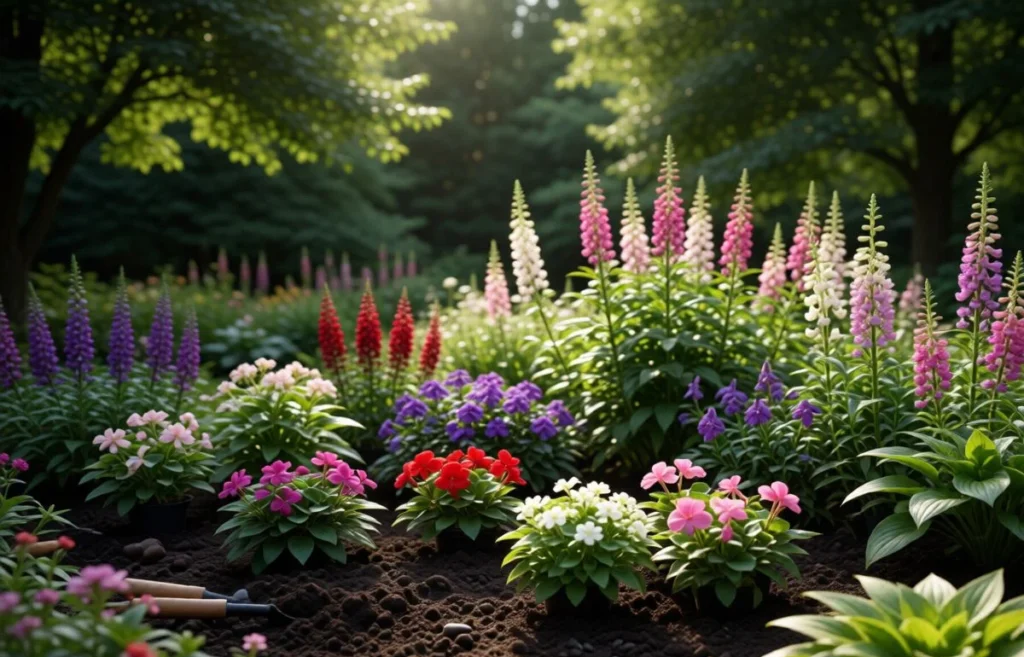
Designing flower beds in shady areas can be tricky but rewarding. The best flowers in the shade bring color and life where sunlight is limited. Choosing the right perennial shade plants and flowers ensures your garden stays vibrant year after year. This section shares simple tips to create stunning beds with shade flowers to plant that thrive in low light. Use these ideas to combine flowers best for shade and shade tolerant perennial flowers for a lush, healthy garden.
Choosing The Right Plants For Shade
Start with plants that naturally prefer shade. Look for shade tolerant perennial flowers such as hostas, astilbes, and ferns. These plants grow well without direct sunlight. Mix different heights and textures to add interest. Use a variety of leaf shapes and colors to brighten the space.
Plan For Layered Planting
Layer plants to create depth. Place taller perennial shade plants and flowers at the back or center. Medium-height plants go in the middle. Low-growing flowers stay at the front. This design makes the bed look full and balanced.
Consider Soil And Water Needs
Shady areas often have moist, cool soil. Choose plants that like these conditions. Avoid species that need dry or very sunny spots. Keep soil rich by adding compost. Water regularly but do not let the bed become soggy.
Use Color To Brighten Shade
Pick flowers with bright colors or light tones. Whites, yellows, and pastel shades stand out in the shade. Combine these with dark green or purple foliage for contrast. This approach highlights the best flowers in the shade and creates a lively bed.
Maintain Your Shaded Flower Bed
- Remove dead leaves and flowers regularly.
- Divide crowded perennials every few years.
- Mulch to keep soil moist and cool.
- Watch for pests and diseases common in shade.
Proper care keeps shade flowers to plant healthy and growing strong.
Common Challenges And Solutions
Finding the best flowers in the shade can be tricky for many gardeners. Perennial shade plants and flowers often face unique problems that need special care. Growing shade flowers to plant means understanding these challenges and knowing simple solutions. This helps keep your garden healthy and vibrant. Below are common issues and ways to fix them.
Soil Drainage Problems
Shade areas often have poor soil drainage. Water can pool and harm roots of shade tolerant perennial flowers. To fix this:
- Improve soil with organic matter like compost.
- Use raised beds or mounds for better water flow.
- Choose plants that tolerate wet soil well.
Lack Of Sunlight
Many flowers best for shade need some indirect light. Deep shade can reduce blooming and growth. Try these solutions:
- Trim tree branches to allow more light.
- Plant near reflective surfaces to increase brightness.
- Select shade flowers to plant that thrive in low light.
Competition From Tree Roots
Tree roots compete for water and nutrients, making it hard for shade flowers. Solve this by:
- Adding mulch to retain moisture and protect roots.
- Watering deeply but less often to reach roots.
- Using fertilizer designed for shade plants.
Pest And Disease Issues
Shade gardens can be damp, inviting pests and diseases. Prevent problems with:
| Problem | Solution |
|---|---|
| Fungal diseases | Ensure good air circulation and avoid overhead watering. |
| Slugs and snails | Use barriers or natural predators like birds. |
| Aphids and mites | Spray with insecticidal soap or neem oil. |
Frequently Asked Questions
What Are The Best Flowers To Grow In Full Shade?
Hostas, ferns, and astilbes thrive well in full shade. These plants need little sunlight and add beauty to dark gardens.
Can Shade-loving Flowers Bloom All Season Long?
Yes, many shade-loving flowers like impatiens and begonias bloom from spring to fall. They bring color to shady spots throughout the year.
How Do I Care For Flowers In Shaded Areas?
Water shaded plants regularly but avoid overwatering. Use mulch to keep soil moist and protect roots.
Which Flowers Attract Pollinators In Shaded Gardens?
Bleeding hearts and columbines attract bees and butterflies even in shade. They help keep your garden lively and healthy.
Are There Low-maintenance Flowers For Shady Spots?
Yes, hostas and ferns require little care and grow well in shade. They are perfect for easy gardening in low light.
Can I Grow Flowers Under Trees With Dense Shade?
Yes, plants like lungwort and sweet woodruff do well under trees. They tolerate dry soil and low light under tree canopies.
What Soil Type Suits Shade-loving Flowers Best?
Shade-loving flowers grow best in rich, well-drained soil with organic matter. This helps roots get nutrients and stay healthy.
Conclusion
Shade-loving flowers add life to dark garden spots. They bring color and joy where sunlight is low. Choose plants like hostas, ferns, and impatiens for easy care. These flowers grow well without strong sun. Your garden stays green and bright all year.
Enjoy planting and watching your shaded areas bloom. Shade does not mean dull. It means a quiet, cool place to grow beauty. Try these flowers and see your garden transform.