
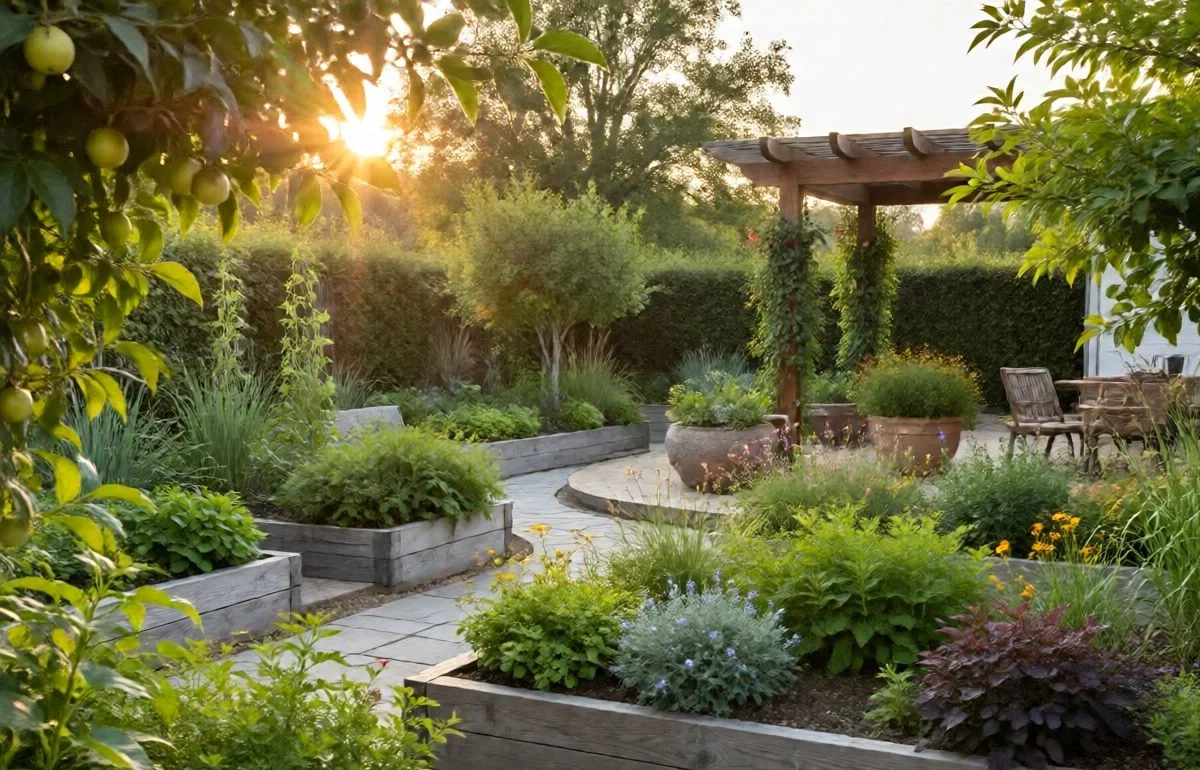

Imagine stepping into your garden and picking fresh herbs, fruits, and vegetables right from your own backyard. What if your outdoor space not only looked beautiful but also provided delicious, healthy food?
Edible landscaping makes this possible. By blending tasty plants with your existing garden design, you can enjoy nature’s beauty and nourishment at the same time. If you want to transform your yard into a vibrant, useful oasis, keep reading. You’ll discover simple and creative ideas to grow food that looks as good as it tastes.
Choosing Edible Plants
Choosing the right edible plants is key for successful edible landscaping ideas. These plants become the stars of your garden and provide fresh food right outside your door. Edible landscaping design ideas focus on selecting plants that fit your climate, soil, and space. Good choices make edible gardening ideas easier and more enjoyable. The right edible landscape ideas bring beauty and function together, making your garden both useful and lovely.
Climate And Soil Suitability
Start by checking your local climate and soil type. Some plants need warm weather, others thrive in cooler zones. Soil quality affects plant health and growth. Choose plants that match your area’s conditions for the best results.
- Warm climates: tomatoes, peppers, eggplants
- Cool climates: lettuce, kale, peas
- Well-drained soil: carrots, onions, herbs
- Moist soil: strawberries, blueberries, spinach
Plant Purpose And Space
Think about what you want from your edible landscape. Do you want fresh herbs, fruits, or vegetables? Some plants need a lot of space, others fit small areas well.
- Herbs: basil, thyme, mint – perfect for small spaces or containers
- Vegetables: beans, cucumbers, squash – need more room and support
- Fruits: strawberries, blueberries, dwarf fruit trees – add color and sweetness
Use vertical gardening or container planting for limited space. Combine tall, medium, and low plants for a layered look.
Plant Maintenance And Harvest Time
Select plants based on how much time you can spend on care. Some need daily attention, others are low maintenance. Harvest time also matters.
| Plant Type | Maintenance Level | Harvest Time |
|---|---|---|
| Tomatoes | Medium | 60-85 days |
| Lettuce | Low | 30-45 days |
| Strawberries | Medium | 4-6 weeks after flowering |
| Herbs (e.g., basil) | Low | 30-60 days |
Choose plants with harvest times that fit your schedule. This keeps your garden productive all year.
Table of Contents
Designing With Fruit Trees
Designing with fruit trees is a smart way to combine beauty and utility in your garden. Fruit trees add structure, shade, and fresh produce to any space. They fit well into edible landscaping ideas by creating a living, productive environment. Integrating fruit trees into your edible landscaping design ideas enhances both visual appeal and harvest potential.
Choosing The Right Fruit Trees For Your Space
Pick fruit trees that suit your climate and soil type. Consider dwarf or semi-dwarf varieties for small gardens. These trees take less space and still produce plenty of fruit.
- Apples and pears for temperate zones
- Citrus trees for warmer areas
- Plums and cherries for moderate climates
Check sunlight needs to ensure your trees thrive. Most fruit trees require at least six hours of sun daily.
Arranging Fruit Trees In Your Edible Landscape
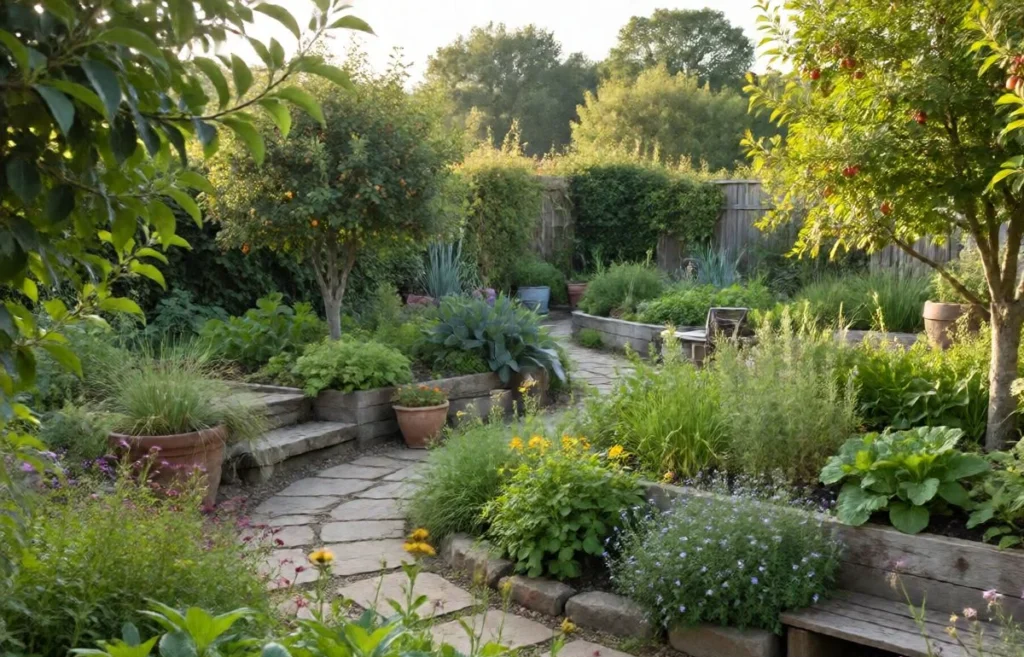
Plan tree placement to maximize space and sunlight. Use edible landscape ideas to create layers with smaller plants beneath the trees. This method increases yield and garden diversity.
- Place taller trees at the garden’s edge or back
- Plant medium-sized trees in the middle
- Use groundcovers or herbs under the canopy
Spacing is key. Leave enough room for trees to grow without overcrowding.
Combining Fruit Trees With Other Edible Plants
Mix fruit trees with vegetables, herbs, and flowers to boost garden health. This approach fits well with edible gardening ideas by encouraging beneficial insects and reducing pests naturally.
| Fruit Tree | Good Companion Plants | Benefits |
|---|---|---|
| Apple | Chives, garlic, nasturtiums | Repels pests, improves soil |
| Peach | Marigolds, comfrey, basil | Attracts pollinators, improves growth |
| Citrus | Lavender, thyme, rosemary | Deters pests, retains moisture |
Maintaining Fruit Trees In Edible Landscaping Design
Regular care keeps fruit trees productive and healthy. Use organic mulch to retain moisture and suppress weeds. Prune trees each year to improve air circulation and fruit quality.
- Water deeply but infrequently
- Fertilize with compost or natural fertilizers
- Monitor for pests and diseases
Healthy trees lead to better harvests and a more enjoyable garden.
Incorporating Herbs
Incorporating herbs into your garden is one of the best edible landscaping ideas. Herbs bring fresh flavors and pleasing scents to your outdoor space. They also fit well with edible landscaping design ideas because they grow in small areas and need less care. Using herbs makes your edible landscape ideas practical and beautiful. Plus, herbs attract pollinators and keep pests away, which helps other plants. Edible gardening ideas become easy and rewarding with the right herbs planted in your yard.
Choosing The Right Herbs For Your Garden
Select herbs that grow well in your climate and soil. Some herbs need full sun, while others prefer shade. Here is a simple table to guide your choices:
| Herb | Sunlight | Water Needs | Best Use |
|---|---|---|---|
| Basil | Full Sun | Moderate | Cooking, Pesto |
| Mint | Partial Shade | High | Tea, Garnish |
| Rosemary | Full Sun | Low | Roasting, Flavoring |
| Thyme | Full Sun | Low | Seasoning, Soups |
Creative Ways To Plant Herbs
- Containers: Use pots or old kitchenware for small spaces.
- Herb Spiral: Build a spiral garden bed to save space and improve drainage.
- Mixed Beds: Plant herbs alongside vegetables and flowers for a diverse edible landscape.
- Vertical Gardens: Grow herbs on walls or fences to maximize space.
Benefits Of Adding Herbs To Edible Landscaping
- Fresh Flavors: Pick herbs anytime to enhance meals with fresh taste.
- Low Maintenance: Most herbs need little care and water.
- Natural Pest Control: Herbs like basil and rosemary repel insects.
- Attract Pollinators: Flowers of herbs bring bees and butterflies.
- Year-Round Growth: Many herbs grow through seasons, providing constant harvest.
Vegetables In Small Spaces
Edible landscaping ideas make growing food at home both beautiful and practical. Small spaces can still yield fresh vegetables with smart planning. Using edible landscaping design ideas, you can turn tiny areas into productive gardens. These edible landscape ideas help maximize space and add charm. Simple edible gardening ideas work well for balconies, patios, or small yards. Edible landscaping ideas design focuses on compact, efficient planting methods for vegetables in small spaces.
Vertical Gardening For Vegetables
Vertical gardening saves ground space by growing plants upward. Use trellises, hanging pots, or wall-mounted planters. This method fits well in small yards or balconies.
- Tomatoes and cucumbers climb well on trellises.
- Leafy greens like lettuce grow in hanging pots.
- Stacked planters fit multiple plants vertically.
Container Gardening Tips
Containers let you grow vegetables anywhere, even indoors. Choose pots with good drainage and use quality soil.
- Select compact vegetable varieties like cherry tomatoes or bush beans.
- Water regularly but avoid overwatering.
- Place containers where plants get at least 6 hours of sunlight.
Companion Planting For Small Spaces
Companion planting means growing plants that help each other close together. This method uses space efficiently and improves growth.
| Vegetable | Good Companion | Benefit |
|---|---|---|
| Carrots | Onions | Repels pests |
| Beans | Spinach | Improves soil nitrogen |
| Tomatoes | Basil | Enhances flavor and repels pests |
Raised Beds For Small Gardens
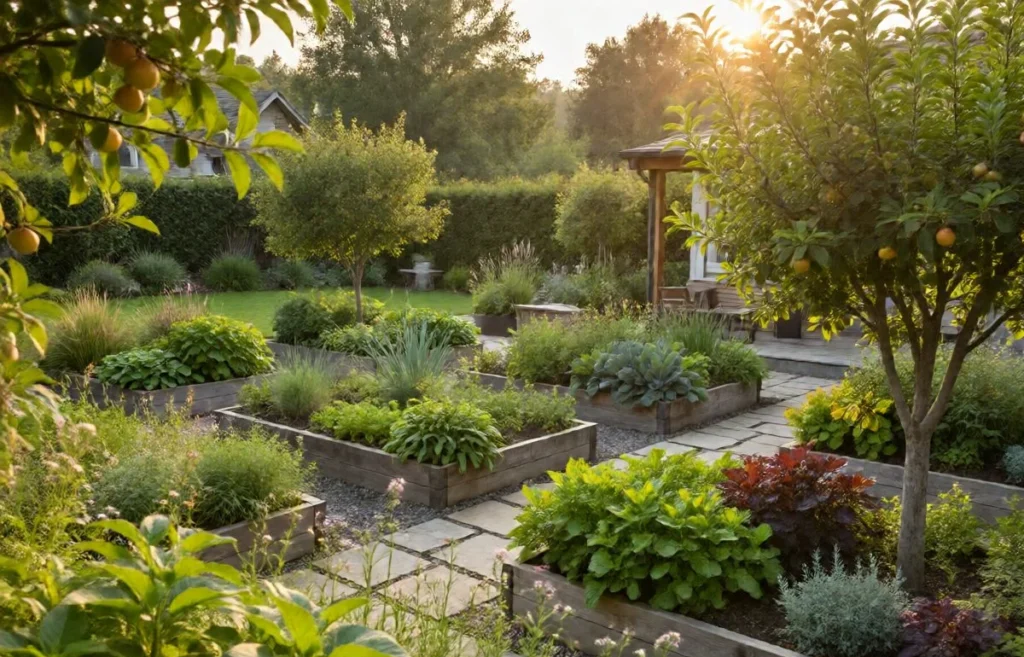
Raised beds organize small spaces and improve soil quality. They keep plants healthy and make gardening easier.
- Use deep beds for root vegetables like carrots and radishes.
- Mix compost into soil to boost nutrients.
- Plan plant spacing carefully for better yield.
Using Edible Flowers
Edible landscaping ideas bring beauty and usefulness together in gardens. Using edible flowers is a smart way to add color, fragrance, and taste to your outdoor space. These flowers do more than decorate; they offer fresh ingredients for salads, drinks, and desserts. Edible landscaping design ideas often include flowers that attract pollinators, making the garden healthy and lively. Including edible flowers in your edible landscape ideas creates a garden full of life and flavor. Such edible gardening ideas add charm and function to your yard, turning it into a feast for the eyes and palate.
What Are Edible Flowers?
Edible flowers are blooms safe to eat. They come from plants grown in edible landscaping ideas design. These flowers add unique flavors and colors to meals. Common edible flowers include nasturtiums, pansies, and marigolds.
- Nasturtiums: Peppery taste, great in salads.
- Pansies: Mild and slightly sweet.
- Marigolds: Citrus-like flavor.
How To Use Edible Flowers In Your Garden
Start by choosing flowers that grow well in your climate. Plant them near herbs or vegetables to mix beauty and function. Use edible landscaping design ideas that place flowers along walkways or garden edges.
- Select flowers with strong colors and tastes.
- Plant them where they get enough sun.
- Keep them away from chemicals and pesticides.
- Harvest flowers early in the day for best flavor.
Benefits Of Including Edible Flowers In Edible Landscaping
| Benefit | Description |
|---|---|
| Visual Appeal | Brightens the garden with vivid colors. |
| Pollinator Attraction | Draws bees and butterflies for better fruit production. |
| Flavor Variety | Adds new tastes to meals without extra effort. |
| Easy Maintenance | Many edible flowers require little care. |
Tips For Harvesting And Using Edible Flowers
- Pick flowers in the morning when fresh.
- Use only flowers from pesticide-free plants.
- Rinse gently before eating.
- Add flowers to salads, teas, or desserts.
- Use petals as colorful garnishes.
Water Features And Edibles
Combining water features with edible plants creates a beautiful and functional garden space. Water adds life and movement, making edible landscaping ideas more inviting. Using water elements enhances edible landscaping design ideas by supporting plant growth and attracting helpful wildlife. Edible landscape ideas with water features bring freshness and calm to edible gardening ideas. This blend turns your garden into a peaceful retreat full of tasty, natural treats.
Creating A Small Pond With Aquatic Edibles
A small pond can support many edible plants. Water lilies and mint thrive in or near water. Fish like tilapia or koi add beauty and help keep pests away. A pond creates a natural ecosystem that benefits your edible landscaping ideas design.
- Choose a sunny spot for the pond to encourage plant growth.
- Plant watercress, duckweed, or water spinach for easy-to-harvest edibles.
- Include floating plants to provide shade and reduce algae.
Using Rain Gardens To Grow Edibles
Rain gardens collect rainwater runoff and reduce waste. They create moist soil ideal for many edible plants. Incorporating a rain garden into edible landscaping ideas helps conserve water and supports plant health. This edible landscaping design idea uses natural water flow to nourish the garden.
| Edible Plant | Benefits in Rain Garden |
|---|---|
| Blueberries | Likes acidic, moist soil |
| Asparagus | Tolerates wet conditions well |
| Strawberries | Thrives in moist, well-drained soil |
Edible Plants For Waterfall And Stream Features
Waterfalls and streams add soothing sounds and fresh air to the garden. Edible plants near these features enjoy higher humidity and cooler temperatures. Choosing the right plants enhances edible gardening ideas and creates a lush landscape.
- Herbs: Basil, cilantro, and chives grow well near streams.
- Fruits: Raspberries and blackberries benefit from moist soil.
- Vegetables: Leafy greens like lettuce and spinach prefer cooler spots near water.
Tips For Combining Water Features With Edible Landscaping Ideas Design
- Ensure proper drainage to avoid waterlogging edible plants.
- Use native plants that adapt well to your climate and water availability.
- Position water features where they can be easily seen and enjoyed.
- Maintain water quality to prevent harmful algae and pests.
- Integrate seating areas near water for relaxation and garden enjoyment.
Maintenance Tips For Edible Gardens
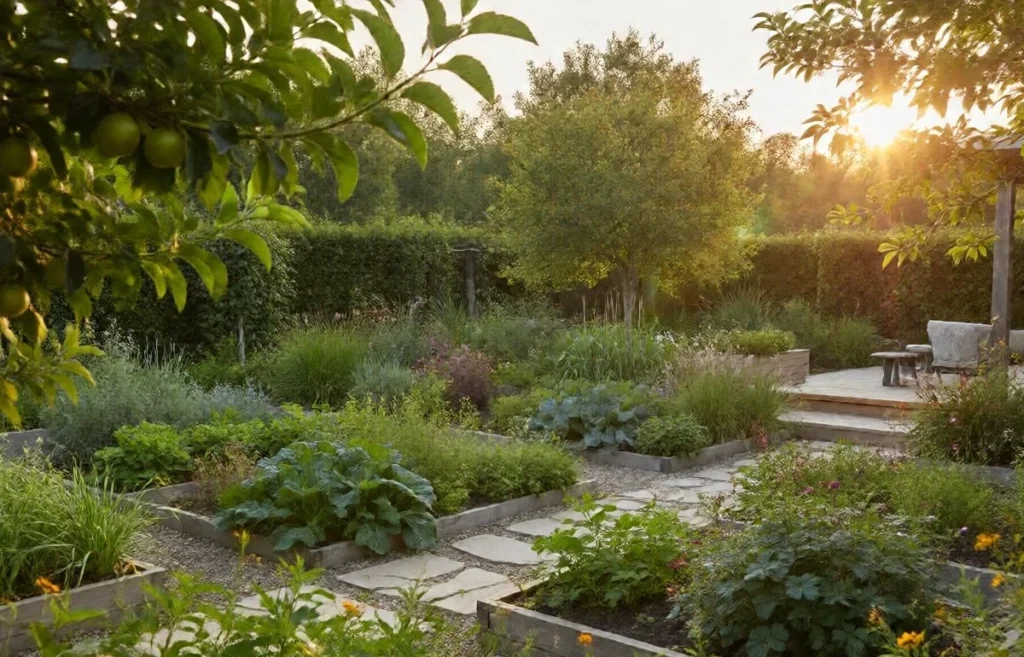
Edible landscaping ideas bring beauty and function together in your outdoor space. Growing fruits, vegetables, and herbs as part of your garden adds fresh food and vibrant colors. To keep these gardens thriving, regular care is essential. Maintenance tips for edible gardens help you manage plant health and productivity. Following simple steps ensures your edible landscaping design ideas stay healthy and productive throughout the seasons.
Soil Care And Fertilization
Healthy soil is the foundation of all edible landscaping ideas design. Test soil pH and nutrients before planting. Use organic compost or natural fertilizers to enrich the soil. Apply fertilizer based on plant needs and growth stage. Avoid over-fertilizing to protect plants and the environment.
- Test soil every 1-2 years.
- Apply compost in early spring.
- Use slow-release fertilizers for steady nutrition.
Watering Techniques For Edible Gardens
Consistent watering supports strong root development. Water early in the morning to reduce evaporation. Use drip irrigation or soaker hoses to deliver water directly to roots. Mulch around plants to retain moisture and prevent weeds. Adjust watering frequency based on weather and soil type.
- Check soil moisture before watering.
- Water deeply to encourage deep roots.
- Avoid wetting leaves to reduce disease risk.
Pruning And Pest Management
Pruning helps maintain shape and improves air circulation. Remove dead or diseased branches regularly. Monitor plants for pests like aphids, caterpillars, and beetles. Use natural pest control methods such as neem oil or insecticidal soap. Introduce beneficial insects like ladybugs for pest control.
| Pest | Natural Control Method | Prevention Tip |
|---|---|---|
| Aphids | Neem oil spray | Encourage ladybugs |
| Caterpillars | Handpick off plants | Use row covers |
| Beetles | Insecticidal soap | Remove debris |
Frequently Asked Questions
What Is Edible Landscaping And How Does It Work?
Edible landscaping means growing food plants in your garden for both beauty and eating. It mixes fruits, vegetables, and herbs with flowers and shrubs. This way, your garden looks nice and provides fresh food.
Which Plants Are Best For Edible Landscaping?
Choose plants that grow well in your climate and soil. Common picks include tomatoes, lettuce, strawberries, and herbs like basil. These plants are easy to grow and look great in gardens.
Can Edible Landscaping Save Money On Groceries?
Yes, growing your own food cuts down grocery bills. Fresh fruits and veggies from your garden reduce store trips. It also ensures healthier and fresher meals at home.
How Do I Design An Edible Landscape Garden?
Start by planning where each plant will go based on sunlight and space. Mix edible plants with decorative ones for a balanced look. Use paths and containers to organize your garden well.
What Maintenance Does An Edible Landscape Require?
Regular watering, weeding, and pruning keep your plants healthy. Check for pests and diseases often. Good soil care and mulch help plants grow strong.
Is Edible Landscaping Suitable For Small Spaces?
Absolutely. Use containers, vertical gardens, and raised beds to grow food in small areas. Even balconies and patios can become edible gardens. Smart planning maximizes limited space.
How Does Edible Landscaping Benefit The Environment?
It reduces food waste and transport pollution by growing food locally. Plants improve air quality and attract pollinators like bees. Edible gardens also support biodiversity and soil health.
Conclusion
Edible landscaping adds beauty and food to your outdoor space. You can grow fruits, vegetables, and herbs in small or big gardens. These plants bring fresh flavors right to your doorstep. It saves money and helps the environment. Plus, it’s fun to watch your garden grow.
Start with easy plants and enjoy the process. Your garden will be both useful and lovely. Try edible landscaping and see how it changes your yard. Simple steps lead to great results. Give it a try today!