
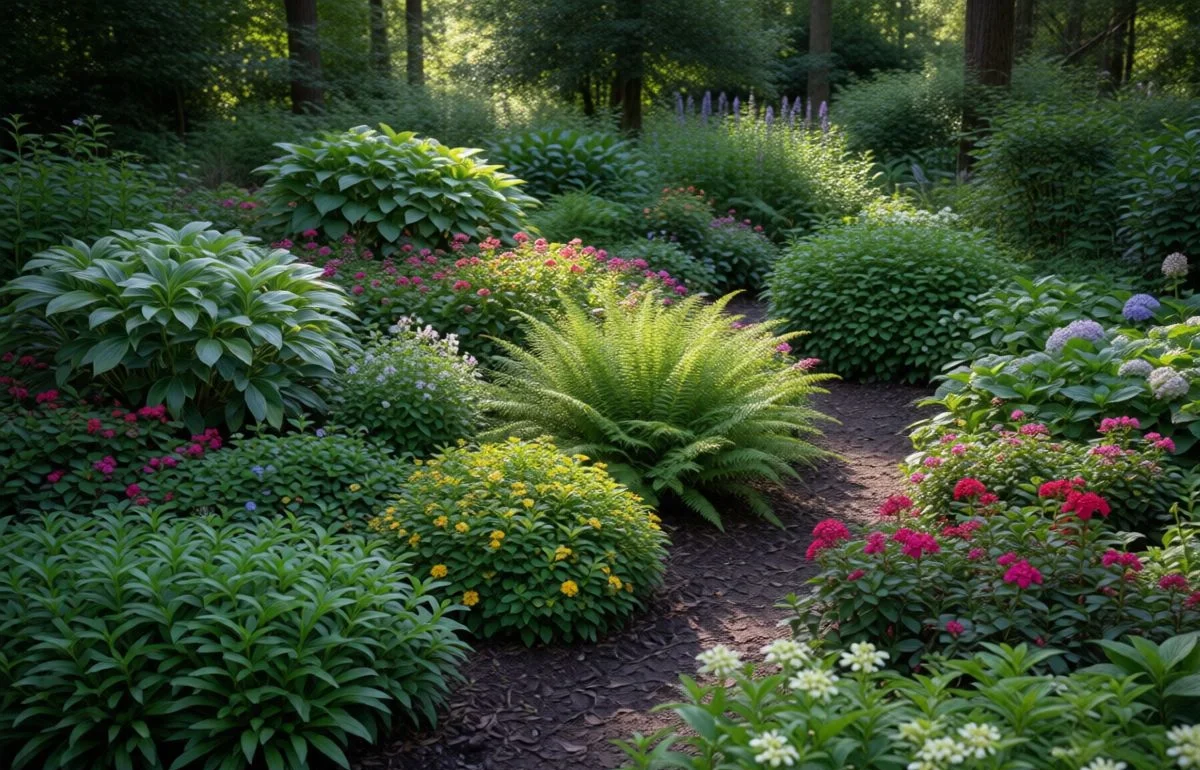

Are you struggling to find beautiful flowers that thrive in the shady spots of your garden? You’re not alone.
Many gardeners give up on shaded areas because they think flowers won’t grow there. But the truth is, there are plenty of stunning flowering plants that love the shade just as much as the sun. Imagine turning those dull, dark corners into vibrant bursts of color that brighten your entire yard.
Keep reading, and you’ll discover the best flowering plants for shade that will transform your garden and make you proud of every inch.
Benefits Of Shade Plants
Choosing the best flowering plants for shade can transform dark garden spots into lively, colorful areas. Perennials for shade gardens offer beauty without needing direct sunlight. Many perennial shade loving flowers thrive in low light and bring charm to shady corners. Using shade plants and flowers helps fill spaces where sun-loving plants won’t grow. These plants and flowers for shade provide multiple benefits beyond just aesthetics.
Improved Garden Diversity And Color
Shade plants and flowers add variety to garden spaces that receive little sun. They bring unique colors, shapes, and textures that brighten dark areas. This variety makes the garden more interesting and attractive all year. Some popular perennial shade loving flowers bloom in spring and fall, extending the garden’s colorful season.
Reduced Water And Maintenance Needs
Many perennials for shade gardens require less water than sun-loving plants. Shade reduces soil evaporation, keeping plants hydrated longer. These plants often grow slowly, needing less pruning and care. This means less work and lower water bills for gardeners.
Protection For Wildlife And Soil
Shade plants and flowers create habitats for birds, insects, and small animals. They provide food and shelter in cooler, shaded areas. Their roots help prevent soil erosion by holding the ground steady. This supports a healthy garden ecosystem.
Enhanced Air Quality And Cooling
Shade plants improve air quality by absorbing carbon dioxide and releasing oxygen. They cool garden spaces by providing shade and reducing heat. This makes outdoor areas more comfortable for people during hot days.
Table: Key Benefits Of Shade Plants
| Benefit | Description |
|---|---|
| Diverse Colors and Textures | Brighten shaded areas with unique flowers and leaves. |
| Low Maintenance | Require less water and care, saving time and resources. |
| Wildlife Support | Provide habitat and food for local animals and insects. |
| Soil Protection | Prevent erosion and improve soil health. |
| Cooling Effect | Lower temperatures and improve air quality in gardens. |
Table of Contents
Top Shade-loving Flowering Plants
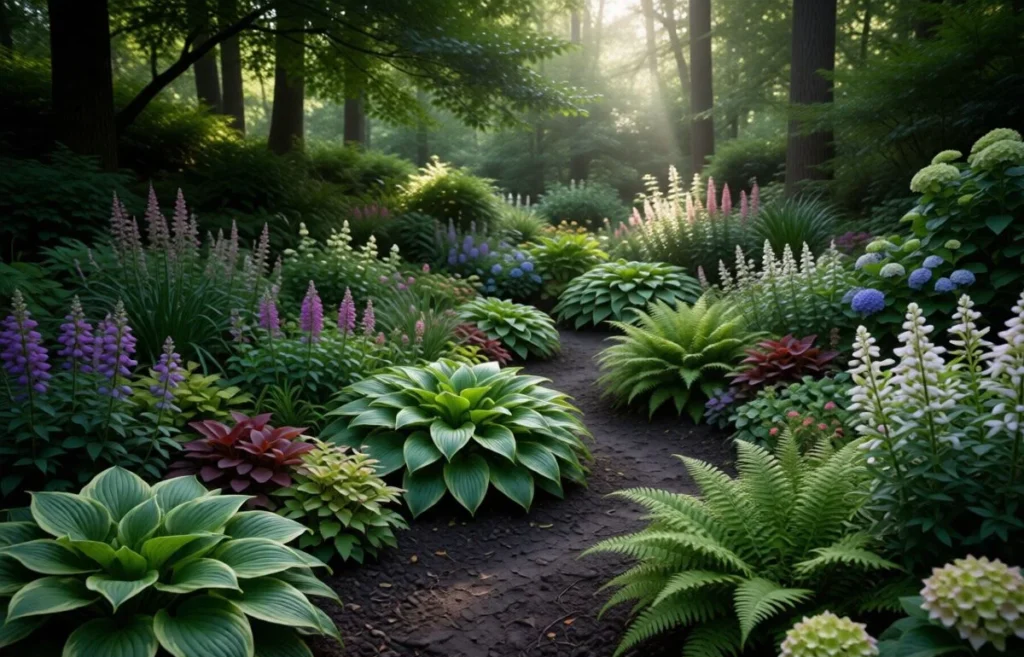
Finding the best flowering plants for shade can brighten any dim corner. Many gardeners want perennials for shade gardens that bloom beautifully. Perennial shade loving flowers offer color and life without much sun. These shade plants and flowers thrive in low light and add charm. Choosing the right plants and flowers for shade makes a big difference in garden beauty.
Hydrangea
Hydrangeas are classic perennial shade loving flowers. They produce large, colorful blooms in pink, blue, or white. These plants prefer morning sun and afternoon shade. Hydrangeas add a soft, elegant touch to shady spots. They also attract butterflies and hummingbirds.
Astilbe
Astilbe is among the best flowering plants for shade. Its feathery flowers come in red, pink, white, and purple. Astilbe thrives in moist, shaded soil. It stays vibrant all summer, perfect for shady borders or containers.
Bleeding Heart
The Bleeding Heart plant is a stunning shade plant and flower. Its heart-shaped pink or white blooms dangle gracefully. This perennial flower loves cool, shaded areas and well-drained soil. Bleeding Heart adds a romantic look to any shade garden.
Foamflower (tiarella)
Foamflower is a low-growing, spreading perennial shade loving flower. It has delicate white or pink blooms that look like foam. Foamflower works well as ground cover or in rock gardens. It thrives in deep shade and moist soil.
Hosta
Hostas are popular plants and flowers for shade with lush foliage and subtle blooms. They come in various leaf colors and sizes. Hostas prefer full to partial shade and moist soil. Their flowers attract bees and add texture to shady spots.
| Plant | Flower Color | Shade Preference | Soil Type |
|---|---|---|---|
| Hydrangea | Pink, Blue, White | Partial Shade | Moist, Well-Drained |
| Astilbe | Red, Pink, White, Purple | Shade | Moist, Rich |
| Bleeding Heart | Pink, White | Shade | Well-Drained, Humus-Rich |
| Foamflower | White, Pink | Deep Shade | Moist, Rich |
| Hosta | White, Lavender | Full to Partial Shade | Moist, Well-Drained |
Selecting Plants For Different Shade Types
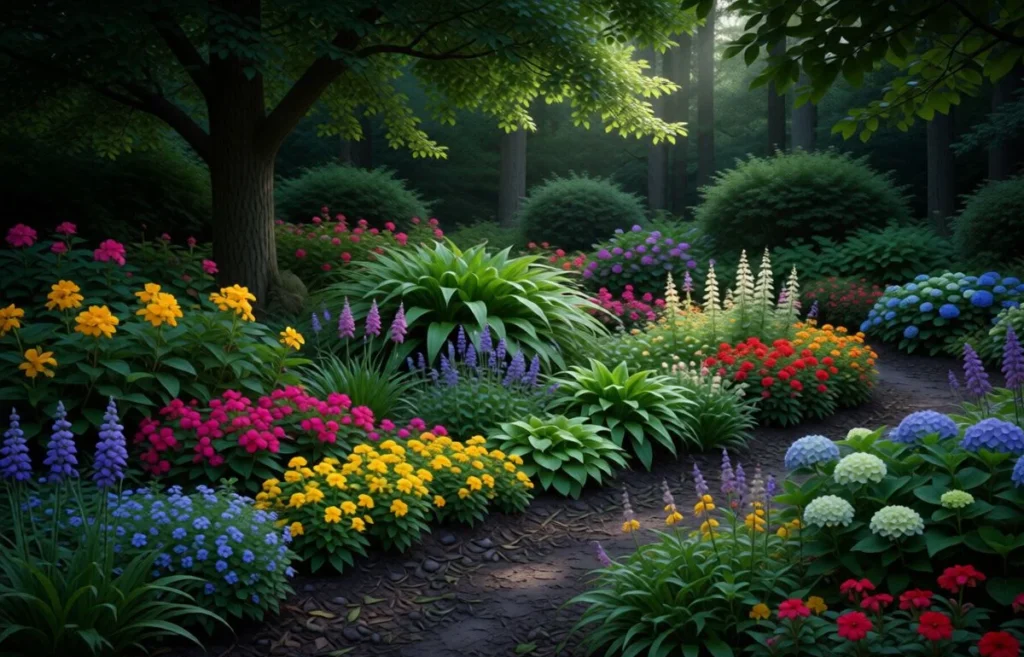
Selecting the right plants for different types of shade is key to creating a vibrant garden. Shade varies from dense, deep shadow to lighter, partial shade. Each type supports different plants and flowers. Choosing the best flowering plants for shade depends on understanding how much sunlight the area receives. This helps gardeners pick perennials for shade gardens that will thrive. Knowing the shade type guides the selection of perennial shade loving flowers and other shade plants and flowers.
Dense Shade
Dense shade occurs under thick trees or buildings where very little sunlight reaches the ground. These spots receive less than two hours of direct sunlight daily. Many plants struggle here, but some perennials for shade gardens flourish in dense shade.
Best plants and flowers for dense shade:
- Hostas: Known for their lush foliage and occasional flowers.
- Ferns: Add texture and green color without needing much light.
- Astilbes: Produce feathery flowers and prefer moist soil.
- Bleeding Heart: Delicate flowers that bloom in early spring.
These plants handle low light well and add beauty to dark corners. Dense shade areas often have dry soil due to less rainfall reaching the ground. Choose plants that tolerate this or improve soil moisture with mulch.
| Plant | Light Needs | Bloom Time | Soil Preference |
|---|---|---|---|
| Hosta | Dense shade | Summer | Moist, well-drained |
| Fern | Dense shade | Non-flowering | Moist, rich |
| Astilbe | Dense shade | Late spring to summer | Moist, acidic |
| Bleeding Heart | Dense shade | Spring | Moist, well-drained |
Partial Shade
Partial shade areas receive about three to six hours of sunlight daily. These spots are ideal for many shade plants and flowers that enjoy some sun but not full exposure. The best flowering plants for shade in this category often bloom longer and with more color.
Perennials for shade gardens in partial shade include a wider variety of options:
- Bleeding Heart: Also grows well here with more sunlight.
- Impatiens: Bright flowers that thrive in filtered sun.
- Foxglove: Tall spikes with bell-shaped flowers.
- Columbine: Unique flower shapes and colors.
- Lungwort: Early bloom and attractive foliage.
These plants and flowers for shade prefer moist, fertile soil. Partial shade is easier to manage because sunlight helps reduce pests and diseases. Mixing these plants creates a lively garden with varying heights and colors.
| Plant | Light Needs | Bloom Time | Soil Preference |
|---|---|---|---|
| Impatiens | Partial shade | Summer to fall | Moist, rich |
| Foxglove | Partial shade | Late spring to summer | Well-drained, fertile |
| Columbine | Partial shade | Spring to early summer | Moist, well-drained |
| Lungwort | Partial shade | Early spring | Moist, rich |
Soil And Water Needs
The best flowering plants for shade thrive in spots with limited sunlight. These plants need special care, especially in soil and water. Understanding the soil and water needs helps keep perennials for shade gardens healthy and blooming. Choosing the right perennial shade loving flowers means giving them suitable soil and the right amount of water. Shade plants and flowers do not like dry or waterlogged soil. The key is balance to grow strong plants and flowers for shade.
Soil Requirements For Shade-loving Plants
Shade-loving plants prefer rich, well-draining soil. They need soil that holds moisture but does not stay soggy. Many perennial shade loving flowers do best in soil high in organic matter. Adding compost improves soil texture and nutrients.
- Loamy soil is ideal because it drains well and retains moisture.
- pH level should be slightly acidic to neutral (6.0 to 7.0).
- Mulching helps keep soil cool and moist in shady areas.
Test soil before planting. Amend it with organic matter like leaf mold or compost. Avoid heavy clay or sandy soil unless improved with organic material.
Water Needs Of Shade Plants And Flowers
Plants and flowers for shade often need consistent watering. Shade reduces evaporation, so water less frequently than sun-loving plants. Still, soil must stay moist, not dry.
- Water deeply but less often to encourage strong roots.
- Check soil moisture by feeling the top inch of soil.
- Early morning watering is best to prevent fungal diseases.
Be cautious of overwatering. Poor drainage can cause root rot in perennials for shade gardens. Use raised beds or amend soil to improve drainage if needed.
Summary Table: Soil And Water Needs Of Shade Plants
| Aspect | Requirement | Tips |
|---|---|---|
| Soil Type | Loamy, well-draining, rich in organic matter | Add compost or leaf mold to improve soil |
| Soil pH | 6.0 to 7.0 (slightly acidic to neutral) | Test soil; adjust with amendments if needed |
| Watering Frequency | Moderate, consistent moisture | Water deeply, early morning, avoid soggy soil |
| Drainage | Good drainage required | Use raised beds or amend soil to improve drainage |
Design Tips For Shaded Gardens
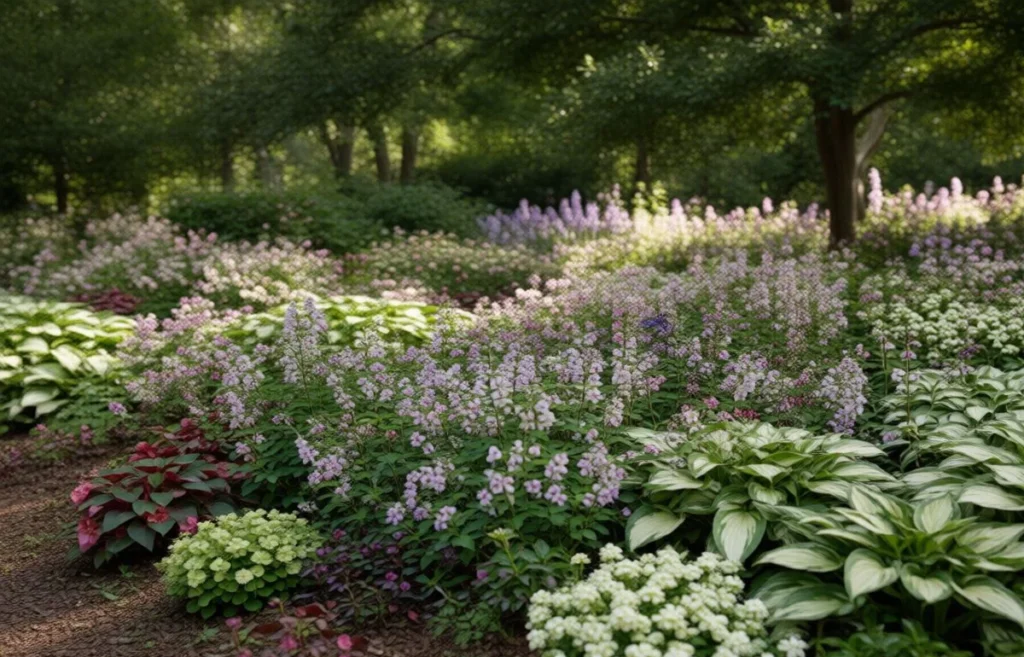
Designing a garden with limited sunlight can be a fun challenge. Choosing the best flowering plants for shade helps create a lively and colorful space. Perennials for shade gardens offer long-lasting blooms that brighten dark corners. Using perennial shade loving flowers and other shade plants and flowers ensures your garden stays vibrant. Here are some design tips to make the most of your plants and flowers for shade.
Choose A Variety Of Leaf Shapes And Colors
Diverse leaf shapes and colors add texture and interest. Mix broad leaves with fine, delicate ones. Use dark green leaves next to lighter or variegated foliage. This contrast brightens shady spots and keeps the garden from looking flat.
Layer Plants For Depth And Dimension
Arrange plants in layers by height. Place taller shade plants and flowers at the back or center. Use medium-height plants in the middle and low-growing ones at the front. This layering creates depth and makes the garden feel larger and more natural.
Incorporate Different Bloom Times
Pick perennial shade loving flowers that bloom at different times. This keeps your garden colorful through many seasons. Early spring bulbs can start the show, followed by summer and fall bloomers. This way, there is always something flowering in the shade.
Use Containers And Raised Beds
Containers and raised beds lift plants closer to light. They create focal points and allow better soil control. Use pots with bright or neutral colors to highlight your best flowering plants for shade. Group containers for a fuller look.
Incorporate Hardscaping Elements
Paths, stones, and benches add structure to shaded gardens. They break up planting areas and provide resting spots. Hardscaping contrasts nicely with soft foliage and flowers, enhancing the overall design.
Table: Ideal Perennials For Shade Gardens
| Plant | Bloom Time | Flower Color | Special Features |
|---|---|---|---|
| Astilbe | Summer | Pink, White, Red | Feathery plumes, attracts butterflies |
| Hosta | Summer | Lavender, White | Large textured leaves, shade tolerant |
| Bleeding Heart | Spring | Pink, White | Heart-shaped flowers, early bloomer |
| Toad Lily | Fall | Spotted Purple, White | Unique spotted flowers, late bloomer |
Common Challenges With Shade Plants
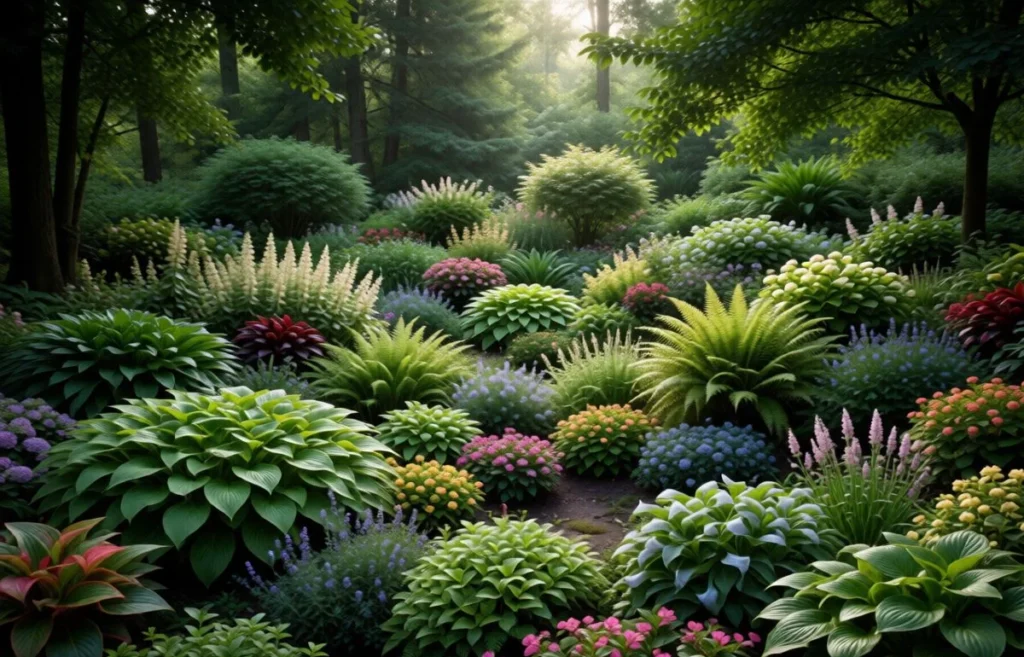
Choosing the best flowering plants for shade can brighten dark garden spots. Many gardeners want perennials for shade gardens that bloom well with little sunlight. Perennial shade loving flowers offer color and texture despite low light. Yet, growing shade plants and flowers presents unique difficulties. Understanding plants and flowers for shade challenges helps gardeners succeed.
Limited Sunlight Affects Growth
Shade plants get less light than sun-loving plants. This limits photosynthesis, the process plants use to make food. Many flowering plants need sunlight to bloom fully. Some perennials for shade gardens grow slowly or produce fewer flowers. Watch for plants that stretch toward light or look weak. Choose species adapted to low light to avoid this problem.
Soil Moisture and Drainage Issues
Shade often means less evaporation, so soil stays wetter longer. Too much moisture can cause root rot or fungal diseases. Some shade plants and flowers dislike soggy soil. Others need consistently moist soil but not waterlogged. Check soil drainage and water carefully. Mulching helps keep moisture balanced.
Competition from Tree Roots
Trees that create shade also use many soil nutrients and water. Their roots can crowd out smaller plants. This competition makes it hard for perennial shade loving flowers to grow well. You might need extra fertilizer or watering. Choose tough plants and flowers for shade that handle root competition.
Pests and Diseases in Shady Areas
Shade creates a cool, damp environment. This suits some pests and diseases. Slugs and snails prefer shady spots. Fungal diseases can spread faster with poor airflow. Inspect shade plants and flowers often. Remove damaged leaves and use natural pest controls.
| Challenge | Effect on Shade Plants | Tips to Manage |
|---|---|---|
| Limited Sunlight | Slow growth, fewer flowers | Choose shade-tolerant perennials, avoid dense shade |
| Too Much Moisture | Root rot, fungal diseases | Improve soil drainage, mulch properly |
| Tree Root Competition | Poor nutrient and water access | Use tough plants, add fertilizer |
| Pests and Diseases | Leaf damage, plant stress | Regular inspection, natural pest control |
Seasonal Care For Shade Flowers
Choosing the best flowering plants for shade creates a lively and colorful garden even in low-light spots. These perennials for shade gardens thrive without direct sun, offering beauty year after year. Proper seasonal care for shade flowers ensures they stay healthy and bloom well through the seasons. Understanding how to care for perennial shade loving flowers and other shade plants and flowers helps keep your garden vibrant all year. Follow simple care steps each season for your plants and flowers for shade to flourish.
Spring Care For Shade Plants
Spring is the growing season for many shade plants and flowers. Start by cleaning up dead leaves and debris around plants. This clears space for new growth and reduces pests.
- Apply a balanced fertilizer to support strong growth.
- Check soil moisture and water as needed to keep it damp but not soggy.
- Divide crowded perennials for shade gardens to encourage healthy blooms.
Spring care sets the stage for vibrant flowers through the warmer months.
Summer Care Tips For Shade Flowers
Shade plants can suffer in hot, dry weather. Keep soil moist by watering deeply and regularly. Mulch helps retain moisture and cools roots.
- Remove faded flowers to promote more blooms.
- Watch for pests like slugs that prefer shady, damp areas.
- Provide extra water during dry spells to prevent stress.
Summer care keeps perennial shade loving flowers healthy and blooming longer.
Fall Preparation For Shade Perennials
In fall, prepare shade plants and flowers for winter rest. Cut back dead or dying stems to reduce disease risk.
- Add compost or mulch to protect roots from cold.
- Reduce watering as plants enter dormancy.
- Plant new plants and flowers for shade that bloom in cooler months.
Fall care helps perennials survive winter and ready for spring growth.
Winter Care For Shade Loving Plants
Most perennials for shade gardens rest during winter. Protect roots with a thick layer of mulch.
| Task | Purpose |
|---|---|
| Mulching | Insulates roots from freezing temperatures |
| Avoid watering | Prevents root rot in dormant plants |
| Remove snow gently | Prevents damage to branches and stems |
Winter care protects plants and ensures a strong start in spring.
Frequently Asked Questions
What Are The Best Flowering Plants For Shady Areas?
Hostas, astilbes, and impatiens are great choices for shade. These plants thrive in low light and produce beautiful flowers.
How Do Shade-loving Flowering Plants Differ From Sun Plants?
Shade plants need less sunlight and prefer cooler, moist spots. Sun plants require more light and dry soil to grow well.
Can Flowering Plants Survive In Deep Shade?
Some plants like ferns and bleeding hearts can bloom in deep shade. But most flowering plants need at least some indirect light.
How Often Should You Water Shade-loving Flowering Plants?
Shade plants usually need less water than sun plants. Water them when the soil feels dry but avoid overwatering.
What Soil Type Suits Flowering Plants In Shade?
Loamy, well-drained soil with lots of organic matter works best. It helps keep roots healthy and supports flower growth.
Are There Low-maintenance Flowering Plants For Shade?
Yes, plants like begonias and cyclamen need little care. They bloom well with minimal attention in shady spots.
Can Flowering Plants In Shade Attract Pollinators?
Yes, many shade flowers attract bees and butterflies. Plants like columbine and foxglove are good examples.
Conclusion
Shade gardens can still bloom with the right plants. Choose flowers that love low light and moist soil. Plants like impatiens, begonias, and hostas add color and life. These plants need little sun but give big beauty. Your shaded spots can become vibrant and inviting.
Plant carefully, water well, and watch them grow. Enjoy a garden full of shade-loving blossoms all year. Shade does not mean dull or empty space. It means a chance for different flowers to shine.