
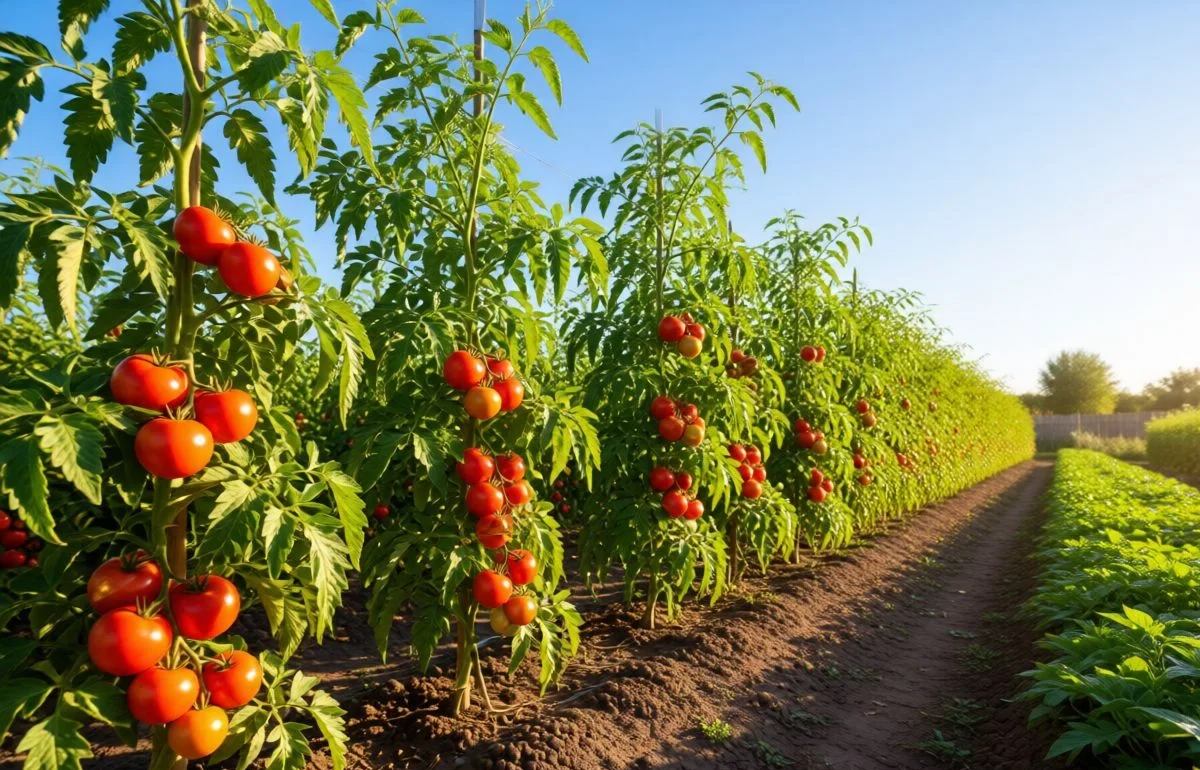

If you want juicy, homegrown tomatoes bursting with flavor, knowing the best time to plant tomatoes is key. Plant too early or too late, and you risk weak plants or a poor harvest.
But when you get the timing right, your tomatoes will thrive, giving you a bountiful crop all season long. You’ll discover exactly when to plant your tomatoes for the best results, so you can enjoy fresh, delicious tomatoes straight from your garden.
Keep reading to unlock the secrets to a successful tomato harvest!
Ideal Climate Conditions
Understanding the ideal climate conditions is key to knowing the best time to plant tomatoes. Tomatoes thrive in warm weather with plenty of sunlight and moderate humidity. Knowing when is the best time to plant tomatoes helps you get a healthy crop and avoid common problems like frost damage or poor fruit development.
Temperature Range For Tomato Growth
Tomatoes grow best in temperatures between 70°F and 85°F during the day. Night temperatures should stay above 50°F. Below this, tomato plants grow slowly and may stop producing fruit. Above 90°F, flowers may drop and fruit can develop poorly.
Sunlight Requirements
- Tomatoes need at least 6 to 8 hours of full sunlight daily.
- Enough sunlight helps plants make energy for strong growth and fruit production.
- Too little sun causes weak stems and fewer tomatoes.
Humidity And Water Needs
Tomatoes prefer moderate humidity levels, around 40% to 70%. High humidity can increase disease risk, while very low humidity may dry out plants quickly.
- Keep soil moist but not waterlogged.
- Water at the base to avoid wetting leaves, reducing disease chances.
Soil And Weather Conditions
The best season for growing tomatoes features well-drained, fertile soil with a pH between 6.0 and 6.8. Avoid planting during heavy rains or frost periods. Late spring or early summer usually offers the perfect soil warmth and weather.
| Climate Factor | Ideal Range | Effect on Tomatoes |
|---|---|---|
| Daytime Temperature | 70°F – 85°F | Optimal growth and fruit set |
| Night Temperature | Above 50°F | Prevents growth delay and flower drop |
| Sunlight | 6-8 hours daily | Boosts photosynthesis and fruit quality |
| Humidity | 40% – 70% | Reduces disease risk |
| Soil pH | 6.0 – 6.8 | Supports nutrient uptake |
Table of Contents
Soil Preparation Tips
Preparing the soil is a key step to grow healthy tomato plants. Knowing when is the best time to plant tomatoes helps, but soil preparation ensures strong roots and better fruit. Good soil gives plants the nutrients they need to thrive. Here are some essential soil preparation tips to follow before planting.
Check Soil Ph And Nutrient Levels
The best season for growing tomatoes depends partly on soil condition. Tomatoes prefer soil with a pH between 6.0 and 6.8. Test your soil’s pH and nutrient content using a simple kit. Adjust soil with lime to raise pH or sulfur to lower it.
- Ideal pH: 6.0 – 6.8
- High nitrogen can cause lots of leaves but few fruits
- Balanced phosphorus and potassium improve fruit quality
Loosen The Soil
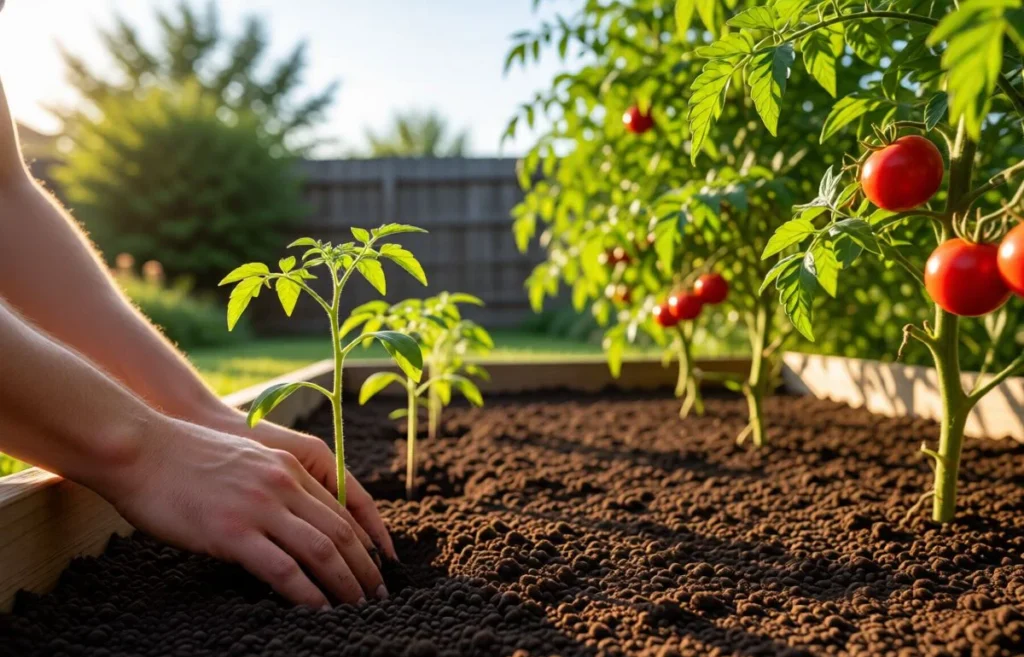
Tomato roots grow deep. Loose soil makes it easier for roots to expand and absorb water. Use a garden fork or tiller to break up soil at least 12 inches deep. Remove stones, roots, and debris that block root growth.
Add Organic Matter
Organic matter improves soil texture and nutrition. Mix compost, aged manure, or leaf mold into the soil. This helps hold moisture and feeds beneficial microbes. Spread 2 to 3 inches of organic matter over the soil, then mix it well.
Prepare Raised Beds Or Mounds
Raised beds warm up faster in spring, ideal for the best time to plant tomatoes. They improve drainage and soil temperature. If your soil is heavy clay or often wet, build raised beds or mounds 6-12 inches high before planting.
Table: Soil Preparation Checklist For Tomatoes
| Step | Action | Purpose |
|---|---|---|
| 1 | Test soil pH and nutrients | Ensure suitable environment for tomato growth |
| 2 | Loosen soil to 12 inches | Allow deep root growth and water absorption |
| 3 | Add 2-3 inches of organic matter | Improve soil nutrition and moisture retention |
| 4 | Build raised beds or mounds if needed | Enhance drainage and soil warmth |
Frost Dates And Planting
The best time to plant tomatoes depends greatly on understanding frost dates and planting schedules. Tomatoes are sensitive to cold temperatures, and frost can damage or kill young plants. Knowing the last frost date in your area helps decide the right planting time. This knowledge ensures healthy tomato plants and a good harvest.
What Are Frost Dates?
Frost dates mark the average days when frost usually occurs in spring and fall. The last spring frost date is the day after which frost is unlikely. The first fall frost date is when frost starts in autumn. These dates vary by location and help gardeners plan planting and harvesting.
Why Frost Dates Matter For Tomato Planting
Tomatoes thrive in warm weather. Planting before the last frost date risks frost damage. Frost can stunt growth and kill seedlings. Waiting until after this date protects young plants. This timing ensures strong growth and a better yield.
How To Find Your Local Frost Dates
Follow these steps to find frost dates in your area:
- Check local weather services or agricultural extensions online.
- Use gardening apps that provide frost date info.
- Ask experienced local gardeners or garden centers.
Knowing these dates helps plan the best season for growing tomatoes.
Planting Tips Based On Frost Dates
- Start seeds indoors 6-8 weeks before the last frost date.
- Harden off seedlings by gradually exposing them to outdoor conditions.
- Transplant seedlings outdoors after the last frost date.
- Protect young plants with covers if a late frost is forecast.
Sample Frost Dates And Planting Schedule
| Region | Last Frost Date | Seed Starting (Indoors) | Transplant Outdoors |
|---|---|---|---|
| Northern US | May 15 | March 20 – April 1 | May 20 |
| Midwestern US | April 30 | March 10 – March 20 | May 5 |
| Southern US | March 15 | January 25 – February 5 | March 20 |
| Coastal US | April 10 | February 1 – February 20 | April 15 |
Knowing frost dates guides gardeners on when is the best time to plant tomatoes. This knowledge helps with how to take care of tomato plants effectively through the growing season. Planting at the right time ensures tomatoes grow strong and healthy during the best season for growing tomatoes.
Seed Starting Timeline
Knowing the best time to plant tomatoes starts with understanding the seed starting timeline. This timeline helps you prepare seedlings indoors before moving them outside. Starting seeds early gives plants a strong head start and better growth. It is important to plan the timeline carefully based on your climate and the best season for growing tomatoes.
When To Start Tomato Seeds Indoors
Start tomato seeds indoors about 6 to 8 weeks before the last frost date. This timing ensures seedlings develop well without becoming root-bound. Use a seed-starting mix and keep the soil moist but not soggy. Warm soil around 70-75°F helps seeds sprout faster.
Seedling Care During Early Growth
- Light: Provide 12-16 hours of bright light daily, using grow lights if needed.
- Water: Water gently to keep soil moist but avoid waterlogging.
- Temperature: Keep seedlings in a warm area, ideally 65-75°F during the day.
- Air Circulation: Use a small fan to prevent fungal diseases and strengthen stems.
When To Transplant Seedlings Outside
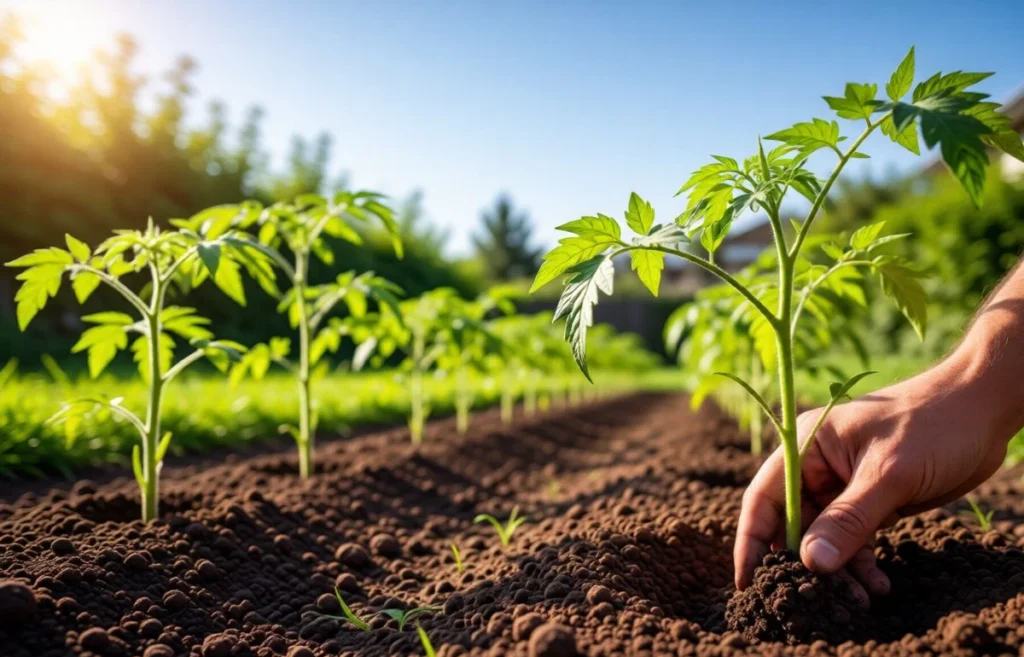
Transplant seedlings outdoors after the last frost date when nighttime temperatures stay above 50°F. Harden off seedlings by exposing them to outdoor conditions for 7-10 days. This step reduces transplant shock and helps plants adjust to the garden climate.
Seed Starting Timeline Table
| Stage | Timeframe | Key Actions |
|---|---|---|
| Seed Starting | 6-8 weeks before last frost | Plant seeds indoors in warm soil |
| Seedling Care | Weeks 1-6 after planting | Provide light, water, and warm temperature |
| Hardening Off | 7-10 days before transplant | Gradually expose seedlings to outdoor conditions |
| Transplanting | After last frost date | Move seedlings to the garden |
Transplanting Seedlings
Transplanting seedlings is a crucial step in growing healthy tomato plants. Knowing the best time to plant tomatoes helps ensure strong growth and a good harvest. Seedlings started indoors need to move outside at the right moment. This process helps young plants adjust to outdoor conditions and thrive in the garden.
Preparing Seedlings For Transplanting
Before moving seedlings outdoors, harden them off. This means slowly exposing seedlings to outdoor conditions for 7-10 days. Start with a few hours in a shaded area, then increase time and sunlight each day. Hardened seedlings become stronger and resist shock better.
Choosing The Best Season For Growing Tomatoes
The best season for growing tomatoes is spring, after the last frost date. Tomatoes need warm soil and air to grow well. Plant seedlings when nighttime temperatures stay above 50°F (10°C). Cold weather can harm young plants and slow growth.
How To Transplant Tomato Seedlings
- Water seedlings a few hours before transplanting to reduce stress.
- Dig holes deep enough to cover the stem up to the first leaves.
- Place seedlings in holes, firm the soil gently around the roots.
- Space plants about 18-24 inches apart for good air flow.
- Water the seedlings well after planting to settle the soil.
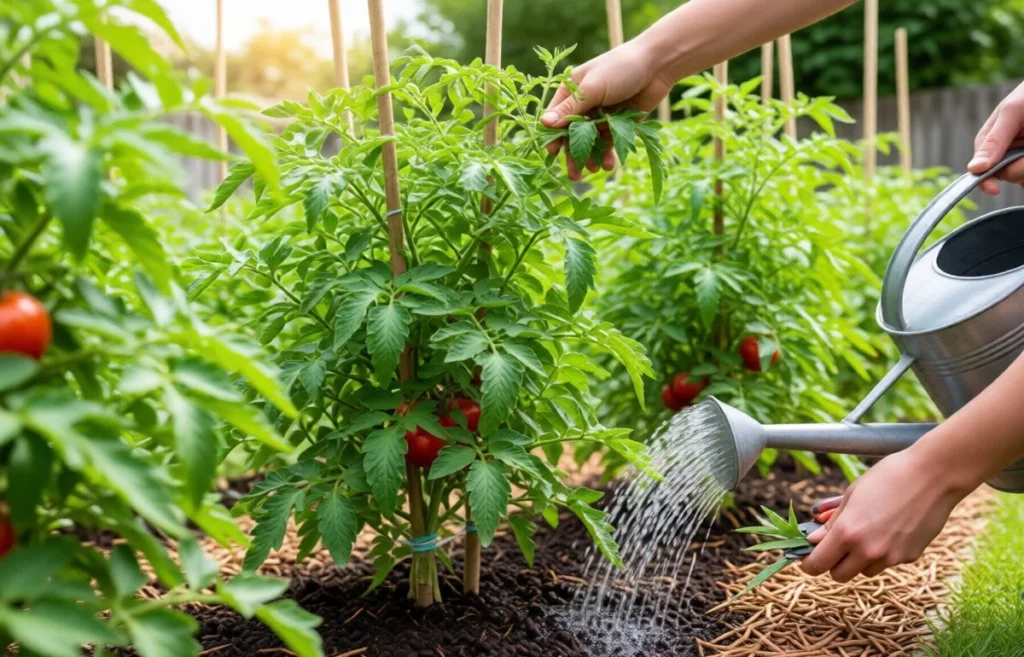
Tips On How To Take Care Of Tomato Plants After Transplanting
- Keep soil moist but not soggy for the first two weeks.
- Provide support with stakes or cages as plants grow tall.
- Mulch around plants to keep soil temperature steady and reduce weeds.
- Fertilize with a balanced tomato fertilizer about two weeks after transplanting.
- Watch for pests and diseases and act quickly if noticed.
Regional Planting Variations
Understanding the best time to plant tomatoes varies across regions. Climate and weather patterns affect when tomato plants thrive. Knowing when is the best time to plant tomatoes in your area helps you get a healthy, fruitful garden.
Southern United States
The best season for growing tomatoes in the South starts early. Warm winters and mild springs allow planting as soon as the soil warms. Usually, plant tomatoes between late February and March.
- Start seeds indoors in January to February.
- Transplant outdoors after the last frost, typically March.
- Tomato plants grow fast with plenty of sunlight.
Northern United States
Colder winters delay planting in the North. The best time to plant tomatoes is after the last frost date, usually mid-May to early June. Soil must be warm enough for seedlings to survive.
- Start seeds indoors 6-8 weeks before last frost.
- Harden off plants before moving outside.
- Monitor soil temperature; 60°F is ideal for transplanting.
West Coast
Coastal areas have mild weather but can vary widely. The best season for growing tomatoes may start in March or April. Some areas allow year-round growing with protection.
- Use raised beds for better drainage.
- Plant in full sun with good air circulation.
- Protect young plants from cool ocean breezes.
Midwest
The Midwest has a short growing season. Knowing when is the best time to plant tomatoes is key. Plant tomatoes after the last frost, usually mid-May.
- Start seeds indoors 6-8 weeks early.
- Use mulch to keep soil warm and moist.
- Support plants with cages to protect from wind.
| Region | Best Time to Plant Tomatoes | Seed Starting Indoors | Notes |
|---|---|---|---|
| Southern US | Late Feb – March | Jan – Feb | Warm soil early; fast growth |
| Northern US | Mid-May – Early June | March – April | Wait for last frost; soil 60°F |
| West Coast | March – April | Feb – March | Mild climate; protect from breezes |
| Midwest | Mid-May | March – April | Short season; use mulch and cages |
Understanding regional differences helps with how to take care of tomato plants. Adjust planting times to the local climate. This ensures strong growth and a good harvest.
Signs Tomatoes Are Ready To Plant
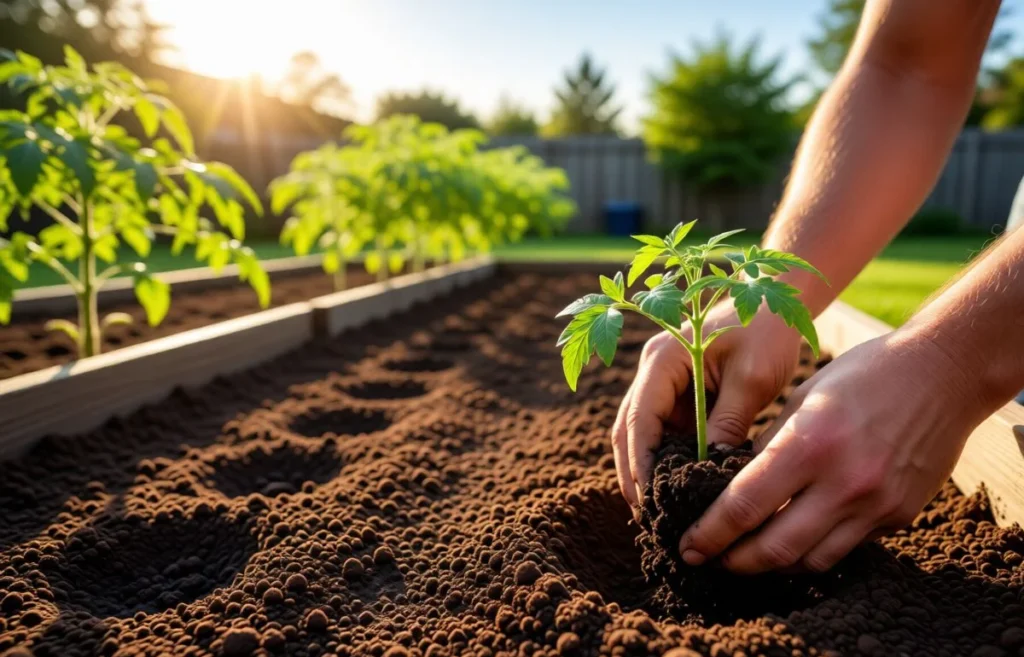
Knowing the best time to plant tomatoes helps ensure healthy growth and a good harvest. It’s important to recognize the signs tomatoes are ready to plant. This knowledge guides you on how to take care of tomato plants properly from the start. Understanding when is the best time to plant tomatoes depends on spotting these signs. The best season for growing tomatoes usually aligns with these readiness indicators. Planting at the right time leads to stronger plants and better fruit production.
Healthy Seedlings With Strong Stems
Tomato seedlings are ready to plant when their stems are thick and sturdy. Thin, weak stems mean the plants need more time indoors. The stems should stand upright without support. A strong stem helps the tomato plant survive outside conditions. This is one of the clearest signs tomatoes are ready to plant.
At Least 5-7 True Leaves
True leaves are the bigger leaves that grow after the first tiny leaves (cotyledons). Seedlings with 5 to 7 true leaves show good growth and maturity. These leaves help the plant make food through photosynthesis. Having enough true leaves means the plant can handle outdoor light and temperature changes.
Seedlings Are About 6-10 Inches Tall
Height is a simple way to check readiness. Seedlings 6 to 10 inches tall are usually mature enough. Smaller plants might struggle to grow well outside. Taller plants often have better root systems, which improve survival rates. This height range matches the best season for growing tomatoes.
Cool Night Temperatures Are No Longer A Threat
Tomatoes dislike cold weather. Night temperatures below 50°F can harm young plants. The best time to plant tomatoes is after the last frost date. Warm nights protect seedlings from shock and freezing damage. This timing ensures a smooth transition from indoors to your garden.
Strong Root System Development
Check roots by gently lifting the seedling from its container. Roots should fill the pot but not circle tightly. Well-developed roots absorb water and nutrients better. They anchor the plant firmly in the soil. A strong root system is a key sign tomatoes are ready to plant.
Frequently Asked Questions
When Is The Best Month To Plant Tomatoes?
The best month to plant tomatoes depends on your location. Generally, late spring after the last frost is ideal. This timing helps plants grow strong and healthy.
How Do I Know The Last Frost Date For Tomatoes?
Check local weather services or gardening websites for frost dates. Plant tomatoes at least two weeks after the last frost. This prevents cold damage to young plants.
Can I Plant Tomatoes Indoors Before Outdoor Planting?
Yes, start tomato seeds indoors 6-8 weeks before the last frost date. This gives seedlings a head start. Transplant them outside when the weather warms.
What Temperature Is Best For Planting Tomato Seeds?
Tomato seeds germinate best between 70°F and 80°F. Cooler temperatures slow growth, and warmer ones can harm seedlings. Keep soil warm and moist for best results.
How Long After Planting Do Tomatoes Start To Grow?
Tomato seedlings usually sprout within 5 to 10 days. After transplanting, expect steady growth in 1 to 2 weeks. Watch for new leaves and strong stems.
Can I Plant Tomatoes Too Early In Spring?
Yes, planting too early risks frost damage and slow growth. Soil should be at least 60°F for best results. Wait until nights stay warm to plant safely.
Should I Water Tomatoes Right After Planting?
Yes, water tomatoes well after planting to settle the soil. Keep soil moist but not soaked. Proper watering helps roots grow deep and strong.
Conclusion
Tomatoes grow best in warm soil and plenty of sunlight. Plant seeds or seedlings after the last frost date. Early planting can harm young plants with cold weather. Watch local weather forecasts to pick the right time. Healthy plants produce more fruit and taste better.
Start with good soil and regular watering for success. Remember, patience helps your tomato plants thrive. Enjoy the process and fresh tomatoes all season long.