
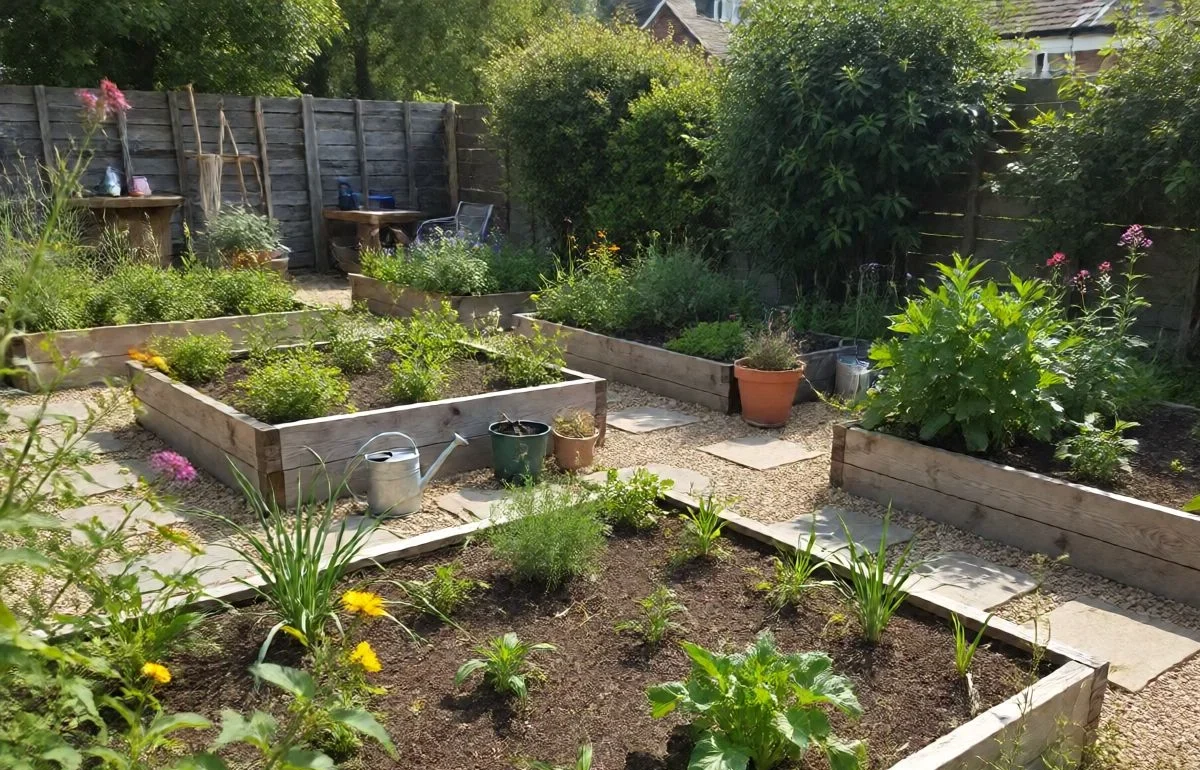

Are you ready to turn a simple patch of soil into your own green paradise? Gardening for beginners might seem tricky at first, but it’s easier than you think.
With just a little guidance, you can grow beautiful plants, fresh vegetables, or vibrant flowers right at home. Imagine the satisfaction of watching your plants thrive because of your care. Keep reading, and you’ll discover the simple steps to start your garden with confidence and enjoy every moment of it.
Your garden adventure begins here!
Choosing The Right Plants
Choosing the right plants is a key step in gardening for beginners. Picking plants that suit your space and skills makes gardening more fun and less stressful. This guide to gardening helps beginners understand which plants grow well and how to care for them. Knowing how to start gardening at home starts with selecting plants that match your climate, soil, and time. The right plants make a beginner garden thrive and bring joy to your outdoor or indoor space.
Easy Plants For Starters
Starting a garden for beginners means choosing plants that are simple to grow and care for. Easy plants help build confidence and teach basic gardening skills. These plants usually need less water and can grow in different light conditions. Here are some great easy plants for starters:
- Spider Plant: Grows well indoors with low light.
- Mint: Grows fast and spreads quickly, good for pots.
- Sunflowers: Bright and tall, great for beginners outside.
- Succulents: Need little water and care, perfect for busy gardeners.
- Tomatoes: Popular edible plants, grow well in pots or garden beds.
These plants give fast results and help beginners learn about watering, sunlight, and soil. Here is a simple table to compare easy starter plants:
| Plant | Light Needs | Water Needs | Best For |
|---|---|---|---|
| Spider Plant | Low to Medium | Medium | Indoor |
| Mint | Medium | High | Pots, Outdoor |
| Sunflowers | Full Sun | Medium | Outdoor |
| Succulents | Bright Light | Low | Indoor, Outdoor |
| Tomatoes | Full Sun | Medium | Garden Beds, Pots |
Considering Climate And Soil
Climate and soil affect plant health and growth. Understanding these helps beginners choose the best plants for their garden. Climate means weather conditions like temperature, rain, and sunlight. Soil type means how the ground feels and how well it holds water and nutrients.
Here are important points about climate and soil for beginner garden ideas:
- Know Your Climate Zone: Plants grow best in certain zones. Find your zone online or at local garden centers.
- Check Soil Type: Soil can be sandy, clay, loamy, or rocky. Each type holds water and nutrients differently.
- Test Soil pH: Plants prefer either acidic, neutral, or alkaline soil. Simple test kits can help check pH.
- Adjust Soil: Add compost or sand to improve soil for better plant growth.
- Match Plants to Conditions: Choose plants that fit your climate and soil type for easier care.
Below is a quick guide to common soil types and good plants for each:
| Soil Type | Description | Good Plants |
|---|---|---|
| Sandy Soil | Drains quickly, low nutrients | Lavender, Rosemary, Succulents |
| Clay Soil | Holds water, heavy and dense | Daylilies, Hostas, Tomatoes |
| Loamy Soil | Balanced texture, rich in nutrients | Most vegetables, flowers, herbs |
| Rocky Soil | Poor water retention, lots of stones | Alpine plants, Sedum, Thyme |
Understanding climate and soil helps with garden success. This knowledge supports how to start gardening at home with plants suited to your space and conditions.
Table of Contents
Preparing Your Garden Space
Starting a garden can feel exciting yet a bit overwhelming for many. Gardening for beginners means learning the basics step by step. Preparing your garden space is one of the most important first steps in this journey. It sets the foundation for healthy plants and a beautiful garden. This section focuses on two key parts: testing and improving your soil, and choosing the right garden tools. These simple actions help you create a strong start for your garden at home.
Soil Testing And Improvement
The soil is the heart of any garden. Knowing its condition helps you grow plants well. Soil testing shows the soil’s pH, nutrients, and texture. This information guides you on how to improve the soil for your plants.
Follow these easy steps for soil testing and improvement:
- Collect soil samples from different parts of your garden.
- Use a home soil test kit or send samples to a local extension service.
- Check for pH level, nitrogen, phosphorus, and potassium.
- Note any deficiencies or imbalances shown in the test results.
Improving your soil might include adding:
- Compost to increase organic matter and nutrients.
- Lime to raise soil pH if it is too acidic.
- Sulfur to lower soil pH if it is too alkaline.
- Fertilizers to supply missing nutrients.
| Soil Issue | Improvement Method |
|---|---|
| Low pH (Acidic) | Add lime |
| High pH (Alkaline) | Add sulfur |
| Low nutrients | Add compost or fertilizer |
| Poor texture | Mix in organic matter |
Good soil improves water drainage and root growth. It also helps plants resist pests and disease. Preparing your soil is a strong step in the guide to gardening for beginners. Healthy soil supports a thriving garden for beginners and makes how to start gardening at home easier.
Selecting Garden Tools
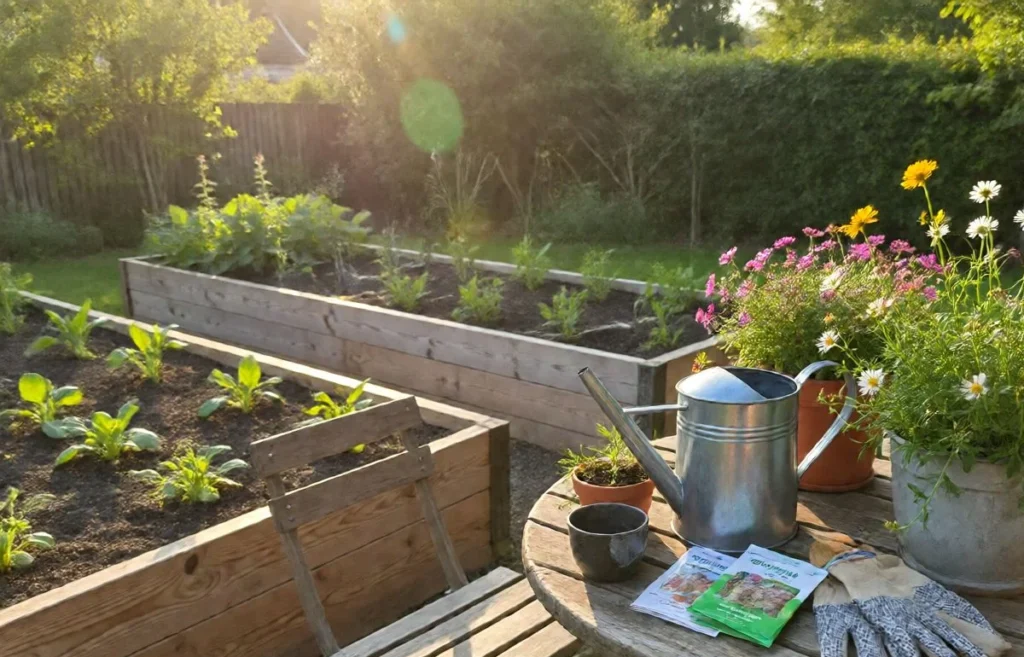
Choosing the right tools is key to enjoying your gardening experience. Tools make planting, weeding, and maintaining your garden easier. A small set of quality tools suits most beginner garden ideas.
Start with these essential tools:
- Trowel: For digging small holes and transplanting seedlings.
- Pruning shears: To trim plants and remove dead growth.
- Garden fork: To loosen soil and remove weeds.
- Watering can or hose: For watering your plants.
- Gloves: To protect your hands from dirt and thorns.
Look for tools that are:
- Easy to hold and lightweight.
- Durable and rust-resistant.
- Right size for your hands and garden space.
Investing in good tools saves time and effort. Keep tools clean and store them properly to make them last longer. This approach is part of the best guide to gardening for beginners. Using the right tools helps you enjoy your garden for beginners and succeed in how to start gardening at home.
Planting Basics
Gardening for beginners starts with understanding the planting basics. Knowing how to plant seeds and young plants correctly helps your garden grow strong and healthy. This guide to gardening covers simple steps anyone can follow. Planting well sets the foundation for a beautiful garden. It makes sure your plants get the right start.
Seed Starting Tips
Starting seeds indoors or in a controlled space is a smart way to begin gardening for beginners. It gives plants a head start before moving them outside. Here are some easy tips on how to start gardening at home with seeds:
- Choose quality seeds: Pick seeds that suit your climate and soil.
- Use seed trays or small pots: These help manage moisture and space.
- Plant seeds at the right depth: Usually, plant seeds twice as deep as their size.
- Keep soil moist but not soaked: Water gently to avoid washing seeds away.
- Provide warmth: Most seeds germinate best at 65-75°F (18-24°C).
- Give plenty of light: Use a sunny window or grow lights for 12-16 hours daily.
- Thin seedlings: Remove weaker seedlings to give strong ones room to grow.
| Seed Type | Planting Depth | Days to Germinate | Light Needs |
|---|---|---|---|
| Tomato | 1/4 inch | 6-14 days | Full light |
| Lettuce | 1/8 inch | 7-10 days | Partial light |
| Carrot | 1/4 inch | 12-21 days | Full light |
Following these seed starting tips makes planting easier. You get strong seedlings ready for your garden. These steps fit well with beginner garden ideas and help build confidence.
Proper Planting Techniques
Proper planting techniques keep your plants healthy after seed starting. Garden for beginners often struggle with this step. Here is a simple guide to gardening that covers how to plant seedlings and seeds outdoors or in your garden bed.
- Prepare the soil: Loosen soil with a fork or tiller. Remove weeds and rocks.
- Add compost or fertilizer: Mix organic matter to improve soil nutrients.
- Dig the hole: Make it twice as wide and the same depth as the plant’s root ball.
- Place the plant: Set seedlings gently in the hole. Roots should spread out.
- Fill and firm: Cover roots with soil. Press gently to remove air pockets.
- Water well: Give a deep watering to settle soil around roots.
- Space plants properly: Follow spacing guidelines to avoid crowding.
Here is a quick reference table for common plants:
| Plant | Spacing | Planting Depth |
|---|---|---|
| Tomato | 24-36 inches | Plant deep, bury lower stem |
| Lettuce | 6-12 inches | Same depth as in pot |
| Carrot | 2-3 inches | Plant thinly, 1/4 inch deep |
Mastering proper planting techniques helps your garden thrive. It supports root growth and plant health. These clear steps make gardening for beginners easier and more fun.
Watering And Fertilizing
Gardening for beginners often raises questions about watering and fertilizing. These two tasks are key to keeping plants healthy and strong. Understanding the right amount of water and the best fertilizers helps new gardeners avoid common mistakes. This guide to gardening explains simple steps for how to start gardening at home with healthy watering and natural fertilizers. Follow these tips to grow a thriving garden for beginners.
How Much To Water
Water is essential for plants, but too much or too little can harm them. The right amount depends on the plant type, weather, and soil. Here are simple tips to help you water your garden correctly:
- Check the soil moisture: Stick your finger about an inch into the soil. If it feels dry, it is time to water.
- Water deeply: Give plants enough water to soak the roots, usually 6 to 8 inches deep. This encourages strong root growth.
- Water in the morning: Morning watering reduces evaporation and helps plants stay hydrated all day.
- Avoid overwatering: Too much water can cause root rot and kill plants.
| Plant Type | Watering Frequency | Water Amount |
|---|---|---|
| Vegetables | 2-3 times per week | 1-2 inches per week |
| Flowers | Once or twice per week | 1 inch per week |
| Herbs | Every 2-3 days | Light watering |
Remember, dry soil is a sign plants need water. Avoid watering if the soil is still wet. Learning how to water plants properly is a big step in beginner garden ideas.
Natural Fertilizer Options
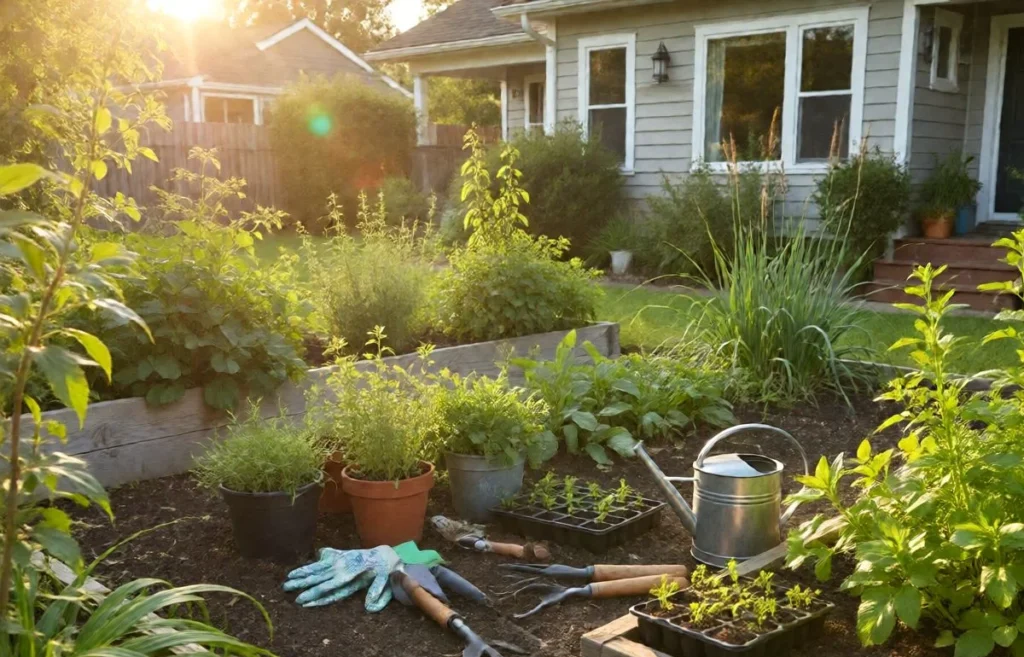
Fertilizing plants helps them get the nutrients they need to grow well. Many natural fertilizers work great for a garden for beginners. They are safe, eco-friendly, and easy to use. Here are some popular natural fertilizers:
- Compost: Made from decomposed organic matter, compost improves soil structure and adds nutrients.
- Manure: Animal manure enriches soil but must be well-aged to avoid burning plants.
- Worm castings: Worm poop is a rich fertilizer that boosts plant growth.
- Fish emulsion: A liquid fertilizer high in nitrogen that helps leafy plants grow.
- Bone meal: Adds phosphorus for strong roots and flowers.
Use natural fertilizers by mixing them into the soil before planting or as a top dressing during the growing season. Here is a simple schedule for applying natural fertilizers in your garden:
- Before planting: Add compost or aged manure to the soil.
- Mid-season: Use fish emulsion or worm castings to feed growing plants.
- Flowering stage: Apply bone meal to support blooms.
Natural fertilizers improve soil health and help plants grow without chemicals. For gardening for beginners, these options offer a safe way to nourish your plants. This guide to gardening encourages using natural products for a healthy, green garden.
Pest And Disease Control
Pest and disease control is a key part of gardening for beginners. Pests can damage plants quickly, and diseases can spread and harm your garden. Learning how to spot problems early helps keep your plants healthy and strong. This section guides you on common pests and simple ways to manage them safely. Follow this guide to gardening to protect your garden for beginners and enjoy healthy plants.
Common Garden Pests
Many pests can affect your garden for beginners. These bugs and insects eat leaves, stems, and roots or spread diseases. Knowing common garden pests helps you spot and stop them fast.
- Aphids: Tiny, soft-bodied insects that suck plant juices. They gather on new growth and leaves.
- Slugs and Snails: These pests chew holes in leaves and stems, especially in damp areas.
- Spider Mites: Small, spider-like pests that cause yellow spots on leaves and fine webbing.
- Caterpillars: They eat large parts of leaves and can quickly damage plants.
- Whiteflies: Small white insects that fly when plants are disturbed. They suck sap and weaken plants.
Here is a quick reference table for these pests:
| Pest | Damage | Signs |
|---|---|---|
| Aphids | Weaken plants by sucking sap | Sticky residue, curled leaves |
| Slugs and Snails | Holes in leaves and stems | Slime trails, night damage |
| Spider Mites | Yellow spots, leaf drop | Fine webbing on leaves |
| Caterpillars | Large holes in leaves | Chewed leaves, droppings |
| Whiteflies | Weaken plants by sap sucking | White flying insects |
Checking your plants often helps catch pests early. Look under leaves and on new shoots. Early detection limits damage and keeps your garden thriving.
Organic Pest Management
Using organic pest management is a safe way to protect your plants. It avoids chemicals and helps keep the environment healthy. This method fits well with gardening for beginners and how to start gardening at home.
Here are simple organic methods to control pests:
- Handpicking: Remove pests like slugs and caterpillars by hand during the day.
- Water Spray: Use a strong spray of water to knock off aphids and whiteflies.
- Natural Predators: Encourage ladybugs and lacewings that eat pests.
- Neem Oil: Spray neem oil on plants to repel many insects safely.
- Companion Planting: Plant herbs like basil and marigolds near vegetables to keep pests away.
Here is a quick summary of organic pest control methods:
| Method | Description | Best For |
|---|---|---|
| Handpicking | Physically remove pests | Slugs, caterpillars |
| Water Spray | Knock off small insects | Aphids, whiteflies |
| Natural Predators | Use beneficial insects | Various garden pests |
| Neem Oil | Natural insect repellent | Many soft-bodied insects |
| Companion Planting | Plant pest-repelling plants nearby | General pest prevention |
These methods are easy for a garden for beginners to use. They protect plants without harming beneficial insects or soil health. Follow this guide to gardening for beginners for a healthy and thriving home garden.
Maintaining Your Garden
Maintaining your garden is an important part of gardening for beginners. It keeps plants healthy and your space looking nice. A garden does not take care of itself. You need to spend time pruning, weeding, and giving seasonal care. This guide to gardening helps you learn simple steps to keep your garden in good shape. Small efforts can make a big difference in your garden for beginners. Let’s explore how to start gardening at home and take care of your plants every day.
Pruning And Weeding
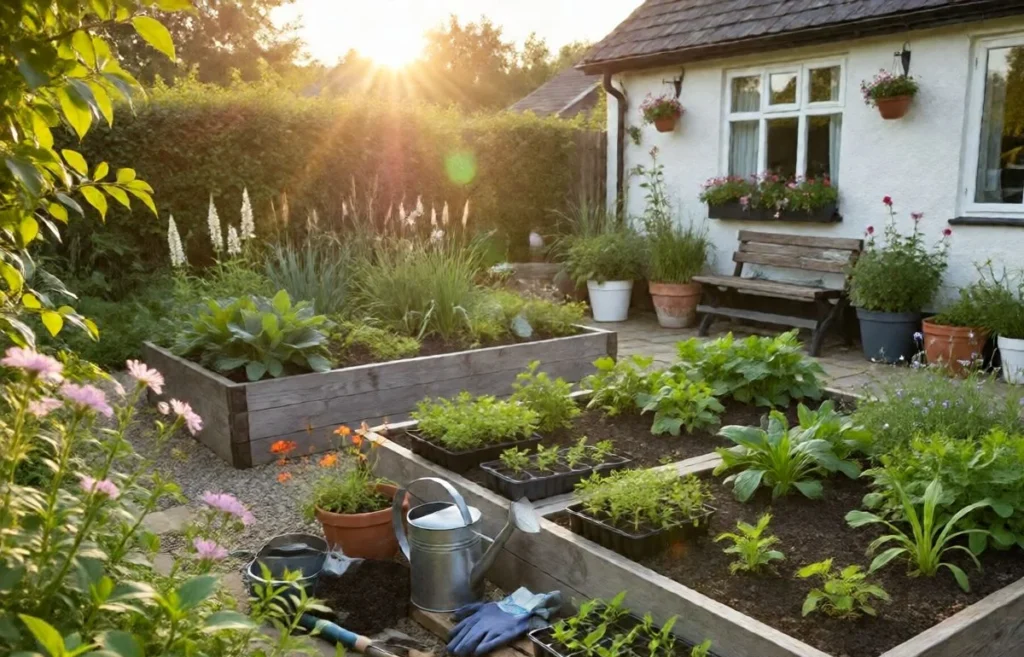
Pruning and weeding are basic tasks in any garden for beginners. Pruning means cutting away dead or extra branches. This helps plants grow stronger and look neat. Weeding is removing unwanted plants that take water and nutrients from your flowers and vegetables.
Pruning tips:
- Use clean scissors or garden shears.
- Cut dead or yellow leaves first.
- Trim overgrown branches to let sunlight reach all parts.
- Do not cut more than one-third of the plant at a time.
Weeding tips:
- Pull weeds out by the roots to stop them from growing back.
- Weed after watering when soil is soft.
- Use mulch to cover soil and reduce weed growth.
- Check your garden weekly for new weeds.
| Task | Best Time | Tools Needed | Benefits |
|---|---|---|---|
| Pruning | Early spring or after flowering | Sharp garden shears, gloves | Improves plant health and shape |
| Weeding | Weekly, after watering | Hand fork, gloves | Reduces competition for nutrients |
Regular pruning and weeding keep your garden tidy and healthy. This is a key part of beginner garden ideas that work well every season.
Seasonal Care
Seasonal care means changing how you care for your garden during different times of the year. Plants need different care in spring, summer, fall, and winter. Knowing these changes helps your garden for beginners stay strong and beautiful all year.
Spring:
- Plant new seeds and young plants.
- Fertilize the soil to add nutrients.
- Prune dead branches from winter.
Summer:
- Water plants early in the morning or late evening.
- Remove weeds and dead flowers.
- Watch for pests and treat if needed.
Fall:
- Clean up fallen leaves and debris.
- Prepare soil for winter by adding compost.
- Plant bulbs for spring flowers.
Winter:
- Protect plants with mulch or covers.
- Limit watering but keep soil moist.
- Plan your garden for the next year.
| Season | Key Tasks | Benefits |
|---|---|---|
| Spring | Planting, fertilizing, pruning | Strong growth and healthy plants |
| Summer | Watering, weeding, pest control | Prevents stress and damage |
| Fall | Cleaning, soil care, planting bulbs | Prepares garden for winter |
| Winter | Protecting plants, planning | Ensures survival and readiness |
This seasonal care is a simple way to keep your garden healthy. It fits well with beginner garden ideas and helps you learn how to start gardening at home with confidence.
Harvesting And Enjoying
Gardening for beginners can be exciting and rewarding, especially when it’s time for harvesting and enjoying the fruits of your labor. This stage brings satisfaction and encourages you to keep growing your garden. Knowing when to pick your vegetables and how to use your homegrown produce ensures you get the best flavors and nutrition. This guide to gardening covers simple tips to help you recognize the right time to harvest and ideas for enjoying your fresh garden food.
When To Harvest
Harvesting at the correct time is key in gardening for beginners. Picking vegetables too early or too late can affect taste and texture. Each plant has signs that tell you it’s ready to harvest. Here are some general tips:
- Look at size: Check the expected size of the vegetable or fruit.
- Check color: Many crops change color when ripe (tomatoes turn red, peppers change from green to red or yellow).
- Feel the texture: Some vegetables become firm or slightly soft when ready.
- Check days to maturity: Seed packets often list how many days until harvest.
Here is a quick table to help beginners know when to harvest common garden vegetables:
| Vegetable | Signs of Readiness | Approximate Days to Harvest |
|---|---|---|
| Tomatoes | Firm, full color, slightly soft to touch | 60-85 days |
| Carrots | Bright orange, 1/2 to 1 inch diameter | 70-80 days |
| Green Beans | Firm, snap easily when bent | 50-60 days |
| Peppers | Full color (red, yellow, or orange), firm | 60-90 days |
Use your senses and simple tools like a calendar to track your plants’ growth. This helps you harvest at the best time and enjoy fresh, tasty produce.
Using Your Homegrown Produce
Once you harvest, using your fresh vegetables and fruits is the next step in your garden for beginners journey. Fresh produce tastes better and has more nutrients than store-bought items. Here are some ideas to enjoy your harvest:
- Eat fresh: Snack on raw vegetables or fruits right after picking.
- Cook simple meals: Use fresh greens in salads or steam veggies for a quick side dish.
- Preserve your harvest: Freeze or dry extra produce to use later.
- Share with family and friends: Fresh garden food makes great gifts and brings joy.
Try these beginner garden ideas to make the most of your harvest:
- Salad bowls: Mix fresh lettuce, tomatoes, and cucumbers from your garden.
- Stir-fries: Cook beans, peppers, and carrots with simple spices.
- Herb butter: Blend garden herbs with butter for bread or vegetables.
- Fresh juices: Juice fruits and veggies for a healthy drink.
Learning how to start gardening at home and knowing how to use your crops keeps you motivated. Enjoy the taste of your hard work and explore new recipes. This guide to gardening helps you develop skills that make gardening fun and delicious.
Frequently Asked Questions
What Are The Best Plants For Beginner Gardeners?
Easy-to-grow plants include herbs like basil, mint, and parsley. Also, try marigolds, sunflowers, or lettuce. These plants need little care and grow fast.
How Often Should Beginners Water Their Garden Plants?
Most plants need watering 2-3 times a week. Water early in the morning or late afternoon. Avoid overwatering to prevent root problems.
What Type Of Soil Is Best For New Gardeners?
Loamy soil works best as it holds water and drains well. It has a mix of sand, silt, and clay. You can buy potting soil for container plants.
How Much Sunlight Do Beginner Garden Plants Need?
Most garden plants need 6-8 hours of sunlight daily. Some herbs and leafy greens can grow in partial shade. Check the plant label for sunlight needs.
What Are Simple Tools Every Beginner Gardener Should Have?
Basic tools include a trowel, watering can, gloves, and pruning shears. These help with planting, watering, and trimming. Buy good quality tools for easier work.
How Can Beginners Prevent Pests In Their Gardens?
Use natural methods like handpicking bugs or spraying soapy water. Plant pest-repelling herbs like lavender or marigolds nearby. Keep the garden clean and healthy.
When Is The Best Time To Start A Beginner Garden?
Spring is ideal as the soil warms and plants grow well. Fall works for planting bulbs and some vegetables. Check local climate for exact timing.
Conclusion
Gardening starts with simple steps anyone can follow. Choose easy plants and care for them daily. Watch your garden grow and enjoy fresh air outside. Mistakes will happen, but they help you learn. Gardening brings peace and a sense of pride.
Keep trying, and your skills will improve. Soon, you’ll have a lovely space full of life. Gardening is fun, relaxing, and good for you. Start today, and see how plants can brighten your world.