
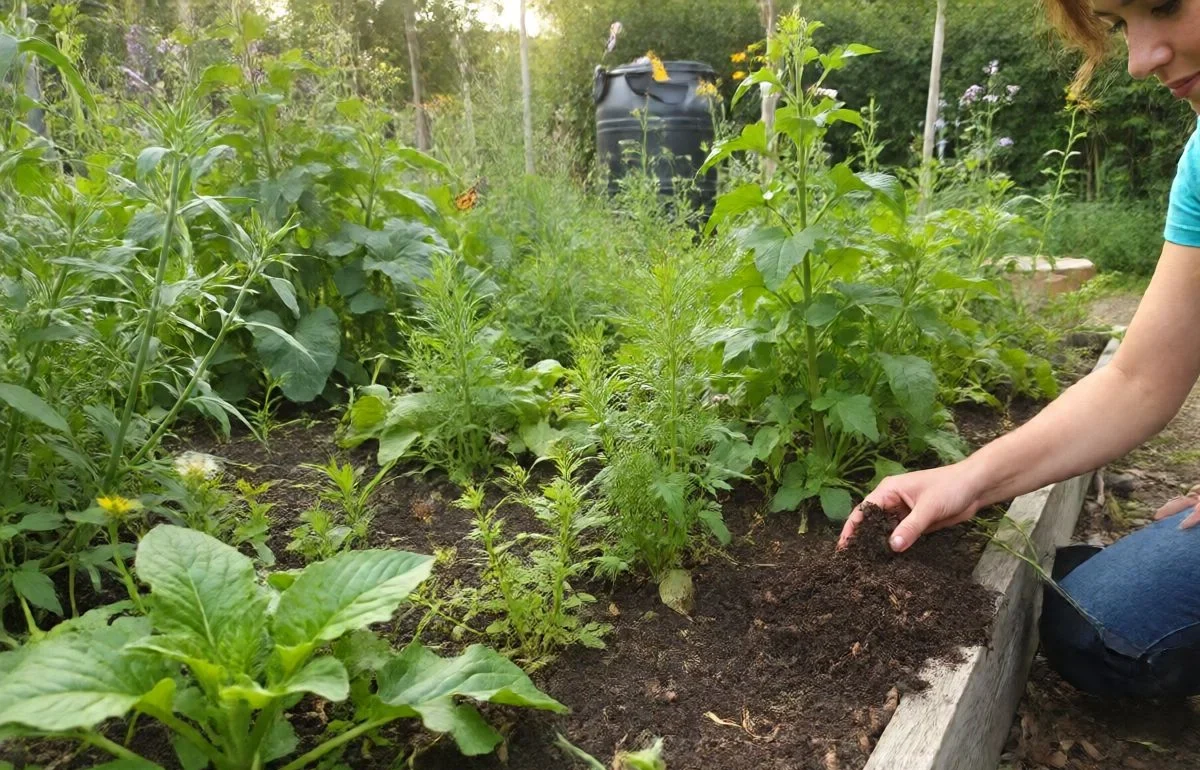

Are you ready to grow your own fresh, healthy food right at home? Organic gardening is a simple and rewarding way to do just that.
Whether you have a big backyard or a small balcony, you can start your own garden without chemicals or synthetic fertilizers. Imagine tasting vegetables and herbs you’ve grown yourself—full of flavor and free from pesticides. You’ll discover easy steps to begin your organic garden, avoid common mistakes, and enjoy the satisfaction that comes with nurturing plants naturally.
Keep reading, and you’ll soon see how simple and fun organic gardening can be!
Benefits Of Organic Gardening
Organic gardening for beginners offers many advantages for both people and the planet. Knowing what is organic gardening helps you grow plants without harmful chemicals. Learning how to start an organic garden can improve soil health and create safer food. Organic gardening at home means using natural methods to protect plants and the environment. Understanding what is an organic garden allows you to enjoy fresh, tasty vegetables while caring for nature.
Improves Soil Health Naturally
Organic gardening boosts soil health by using compost, mulch, and natural fertilizers. These materials add nutrients and help soil retain water. Healthy soil supports strong plant roots and reduces erosion.
- Compost adds organic matter and beneficial microbes.
- Mulch keeps moisture in the soil and controls weeds.
- Natural fertilizers release nutrients slowly and safely.
Safer Food For Your Family
Growing food without chemicals means your fruits and vegetables are free from synthetic pesticides and fertilizers. This reduces health risks and provides fresh, tasty produce. Organic gardening at home allows you to control what touches your food.
- Plants grow in clean soil without toxic residues.
- Fruits and vegetables retain more natural flavors.
- No chemical residues on the harvest.
Supports Local Wildlife And Pollinators
Organic gardens create a safe habitat for insects, birds, and small animals. This helps pollinators like bees and butterflies thrive, which improves plant growth and yields. Avoiding harmful chemicals protects these important creatures.
- Native plants attract beneficial insects.
- Natural pest control encourages predator insects.
- Birds find food and shelter in organic gardens.
Table of Contents
Reduces Environmental Impact
Organic gardening uses fewer synthetic chemicals, lowering pollution risks. This protects water quality and reduces soil degradation. Choosing organic methods helps conserve resources and creates a cleaner environment.
| Traditional Gardening | Organic Gardening |
|---|---|
| Uses synthetic pesticides and fertilizers | Uses natural compost and pest control |
| Can cause water pollution | Protects water bodies from contamination |
| May degrade soil over time | Enhances soil life and fertility |
Choosing The Right Location
Starting organic gardening for beginners means understanding the basics, and one key step is choosing the right location. The right spot can make your plants healthier and your work easier. Knowing what is organic gardening and how to start an organic garden helps you pick a place that suits your plants well. Organic gardening at home needs sunlight, good soil, and space. This section helps you find the best place to grow your organic garden.
Sunlight Requirements For Your Organic Garden
Most plants need at least 6 hours of sunlight each day. Pick a location that gets plenty of sun. Some plants do well in partial shade, but many organic vegetables need full sun.
- Full sun: 6 to 8 hours of direct sunlight
- Partial sun/shade: 3 to 6 hours of sunlight
- Shade: Less than 3 hours of sun
Check your spot in different times of the day to see how much sun it gets.
Soil Quality And Preparation
Good soil is the foundation of organic gardening at home. Choose a location with natural, healthy soil. Avoid places with poor drainage or heavy clay.
- Test soil pH to find if it is acidic, neutral, or alkaline.
- Look for rich, dark soil full of organic matter.
- Remove rocks, weeds, and debris before planting.
Mix compost or organic matter into the soil to improve it. Healthy soil helps plants grow strong without chemicals.
Space And Accessibility
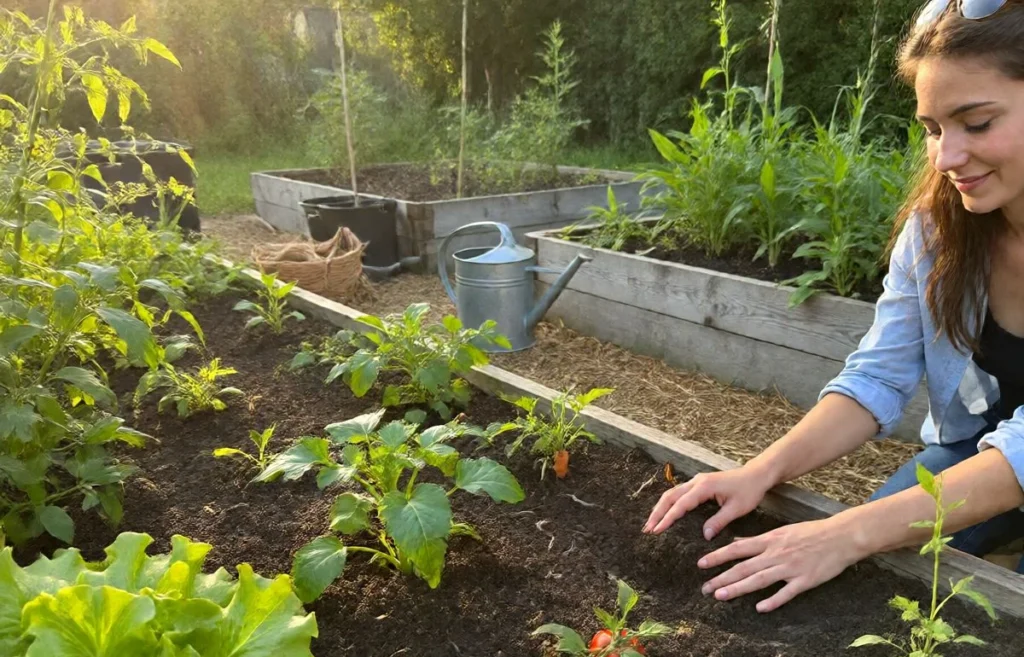
Space matters in organic gardening for beginners. You need enough room for plants to grow and for you to move around comfortably.
| Garden Type | Recommended Space | Notes |
|---|---|---|
| Raised Beds | 4 feet by 8 feet | Easy to manage and maintain |
| Container Gardening | Varies by container size | Good for small spaces or balconies |
| In-Ground Garden | Depends on plant types | Needs more space and preparation |
Place your garden near a water source. It saves time and effort when watering.
Soil Preparation Basics
Starting an organic garden means working closely with the soil beneath your feet. Soil preparation basics form the heart of organic gardening for beginners. Healthy soil leads to strong plants, better yields, and fewer pests. Learning how to start an organic garden begins with understanding the soil’s condition and improving it naturally. This section covers key steps in preparing soil to support a thriving organic garden at home.
Testing Soil Quality
Knowing your soil quality is the first step in organic gardening for beginners. Testing soil helps you understand its texture, pH level, and nutrient content. These factors affect plant growth and health in your organic garden.
Simple ways to test soil quality include:
- Soil texture test: Feel your soil to check if it is sandy, clay, or loamy.
- pH test: Use a pH kit to measure acidity or alkalinity. Ideal pH for most plants is 6.0 to 7.0.
- Nutrient test: Send a soil sample to a local extension office or use a home test kit to check nitrogen, phosphorus, and potassium levels.
Here is a quick guide to pH levels and their effects:
| pH Level | Soil Condition | Effect on Plants |
|---|---|---|
| Below 6.0 | Acidic | Limits nutrient availability |
| 6.0 – 7.0 | Neutral | Best for most plants |
| Above 7.0 | Alkaline | May cause nutrient deficiencies |
Testing soil quality guides your next steps in organic gardening at home. It ensures you provide the right environment for your plants.
Improving Soil Fertility
Healthy soil feeds plants naturally. In organic gardening for beginners, improving soil fertility means adding organic matter and maintaining good soil health. This builds a strong foundation for your garden.
Ways to improve soil fertility include:
- Adding compost: Compost enriches soil with nutrients and improves texture.
- Using natural fertilizers: Materials like bone meal, blood meal, and seaweed provide essential nutrients without chemicals.
- Planting cover crops: Cover crops like clover or legumes add nitrogen and prevent erosion.
- Rotating crops: Crop rotation helps avoid nutrient depletion and reduces pests.
Here is a simple comparison of soil amendments:
| Amendment | Benefit | How to Use |
|---|---|---|
| Compost | Improves soil texture and nutrients | Mix into soil before planting |
| Bone Meal | Provides phosphorus for roots | Sprinkle around plants |
| Cover Crops | Add nitrogen and protect soil | Plant in off-season, till in before planting |
Improving soil fertility is key to what is organic gardening. It supports healthy plants without synthetic chemicals. This process helps your garden thrive year after year.
Selecting Organic Seeds And Plants
Starting an organic garden is exciting and rewarding. For organic gardening for beginners, choosing the right seeds and plants is key. Knowing what is organic gardening and how to start an organic garden helps you pick healthy, chemical-free options. Organic gardening at home means using seeds and plants that grow naturally without synthetic pesticides or fertilizers. This section guides you on selecting organic seeds and plants for a thriving garden.
Selecting Certified Organic Seeds
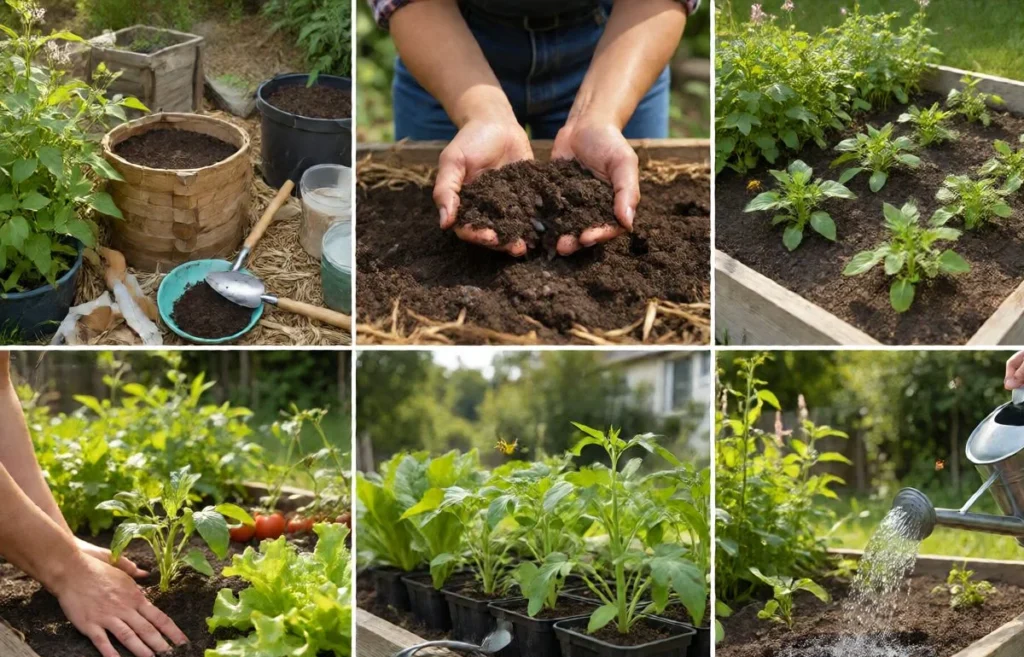
Certified organic seeds come from plants grown without chemical treatments. These seeds ensure your garden stays free from harmful substances. Look for labels like “Certified Organic” on seed packets to confirm their authenticity.
- Choose seeds from trusted suppliers specializing in organic gardening.
- Check for seeds adapted to your local climate and soil.
- Buy open-pollinated or heirloom seeds to save seeds for next season.
Choosing Healthy Organic Plants
Organic plants should be free from diseases and pests. Select young plants with strong stems and vibrant leaves. Avoid plants with yellowing or spots.
- Buy from local nurseries that follow organic gardening practices.
- Inspect roots to be firm and white, not brown or mushy.
- Pick plants that suit your garden’s sun and soil conditions.
Understanding Seed And Plant Labels
| Label | Meaning | Why It Matters |
|---|---|---|
| Certified Organic | Grown without synthetic chemicals | Ensures purity and safety for your garden |
| Heirloom | Traditional varieties passed down through generations | Good for saving seeds and preserving diversity |
| Open-Pollinated | Pollinated naturally by insects or wind | Plants produce seeds true to type |
Tips For Buying Organic Seeds And Plants
- Read seed packets carefully for planting instructions.
- Choose plants that match your garden’s environment.
- Buy small amounts to test what grows best.
- Start seeds indoors if your climate is cool.
- Keep seeds dry and cool until planting.
Natural Pest Control Methods
Natural pest control methods form a key part of organic gardening for beginners. These methods protect plants without harmful chemicals. They help keep your garden healthy and safe for people, pets, and the environment. Understanding what is organic gardening means knowing how to work with nature to solve problems. Using natural pest control means your garden stays strong and your plants grow well. It also teaches how to start an organic garden with care and respect for living things. This section explains simple ways to control pests naturally.
Attracting Beneficial Insects
Beneficial insects are nature’s helpers in organic gardening at home. They eat harmful pests and keep the garden balanced. Some common helpful insects are ladybugs, lacewings, and parasitic wasps. These insects control pests like aphids and caterpillars without chemicals.
To attract beneficial insects, plant flowers and herbs they love. Here are some plants that bring good bugs:
- Dill
- Marigold
- Fennel
- Cilantro
- Yarrow
Provide shelter by leaving some areas with mulch or small piles of leaves. Avoid using pesticides as they harm these helpful insects. A small water source like a shallow dish with stones also attracts them.
| Beneficial Insect | Prey | Favorite Plants |
|---|---|---|
| Ladybugs | Aphids, mites | Dill, fennel |
| Lacewings | Thrips, aphids | Marigold, yarrow |
| Parasitic Wasps | Caterpillars, whiteflies | Cilantro, dill |
Attracting these insects reduces pest problems naturally. It helps maintain a healthy garden ecosystem. This approach teaches what is an organic garden by showing respect for natural balance.
Homemade Organic Sprays
Sprays made from natural ingredients can protect plants safely. Many recipes use items found in your kitchen or garden. These sprays work by repelling pests or killing them without chemicals. They suit organic gardening for beginners and organic gardening at home.
Here are simple homemade sprays:
- Garlic Spray: Crush 2 garlic cloves and soak in 1 cup water overnight. Strain and spray on plants.
- Soap Spray: Mix 1 teaspoon mild liquid soap with 1 liter water. Spray on affected plants.
- Chili Pepper Spray: Blend 1 hot chili pepper with 1 cup water. Strain and spray carefully.
Use sprays in early morning or late afternoon to avoid sun damage. Test spray on a small leaf area first to check for any harm. Repeat every 7 to 10 days or after rain.
Here is a comparison table of homemade sprays:
| Spray Type | Main Ingredient | Targets | Notes |
|---|---|---|---|
| Garlic Spray | Garlic cloves | Aphids, beetles | Strong smell, repels many pests |
| Soap Spray | Liquid soap | Soft-bodied insects | Use mild soap only |
| Chili Pepper Spray | Hot chili pepper | Insects and some mammals | Handle carefully, avoid eyes |
Using these natural sprays supports how to start an organic garden. It avoids harmful chemicals and keeps your plants healthy. These methods show the basics of what is organic gardening and how simple it can be.
Watering And Mulching Tips
Organic gardening for beginners often raises questions about proper watering and mulching. These two practices are vital for healthy plants and a thriving garden. Understanding how to start an organic garden means knowing when and how much to water and the best ways to mulch. These steps help conserve water, reduce weeds, and improve soil quality. Learning what is organic gardening includes caring for your plants naturally, without chemicals.
Proper Watering Techniques For Organic Gardening At Home
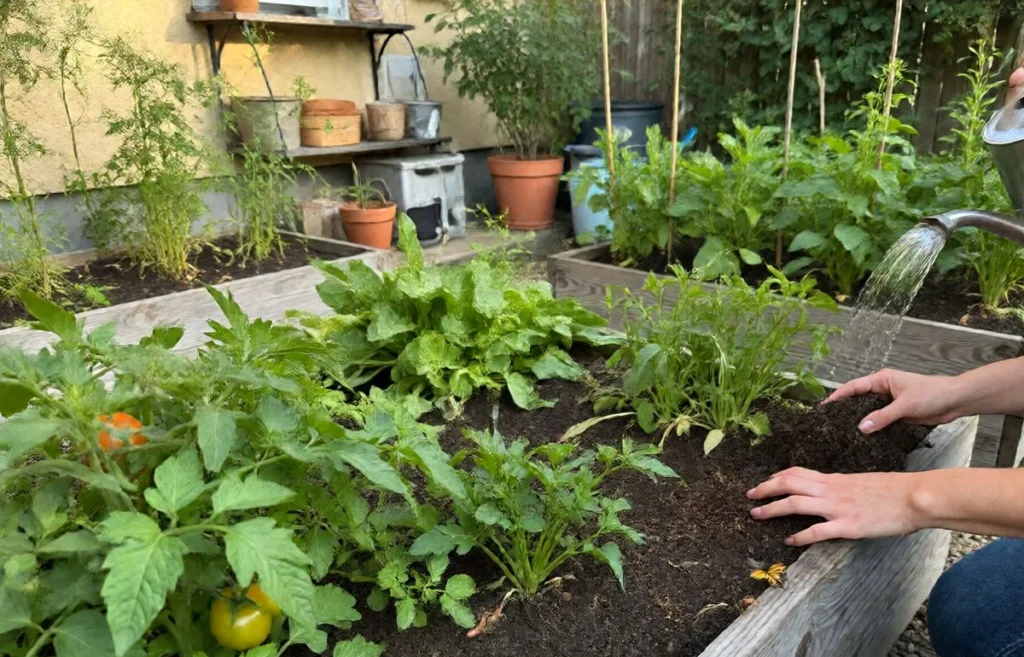
Watering plants correctly saves water and keeps plants strong. Early morning watering is best. It reduces evaporation and helps plants absorb moisture. Avoid overhead watering to prevent leaf diseases. Instead, water the soil directly at the plant’s base.
- Check soil moisture before watering by feeling the soil.
- Water deeply but less often to encourage strong roots.
- Use drip irrigation or soaker hoses for efficient watering.
Benefits Of Mulching In Organic Gardening
Mulching is covering soil with natural materials like leaves or straw. It helps keep soil moist and cool. Mulch also stops weeds from growing and adds nutrients as it breaks down. Mulching is a key part of organic gardening at home because it supports healthy soil and plants.
| Mulch Type | Benefits | Best For |
|---|---|---|
| Straw | Retains moisture, adds organic matter | Vegetable beds |
| Wood chips | Prevents weeds, improves soil | Shrubs, trees |
| Leaves | Inexpensive, breaks down quickly | Flower beds, pathways |
Steps To Mulch Effectively In An Organic Garden
- Clear weeds and debris from the soil surface.
- Water the soil lightly before applying mulch.
- Spread 2-3 inches of mulch evenly around plants.
- Keep mulch a few inches away from plant stems to prevent rot.
- Check mulch regularly and add more as needed.
Harvesting And Composting
Starting with organic gardening for beginners means understanding the full cycle of growing plants and caring for your soil. Two key parts of this cycle are harvesting your crops at the right time and composting to enrich your garden soil naturally. Knowing when to pick your fruits and vegetables ensures the best taste and nutrition. Composting helps recycle kitchen scraps and garden waste into healthy soil, supporting stronger plant growth. These steps help keep your garden healthy and productive without using chemicals.
When To Harvest
Knowing when to harvest is important for every organic gardener. Picking fruits and vegetables too early or too late can affect their flavor and texture. Each plant has a best time to be harvested, often when it looks ripe and feels firm but not hard.
Here are simple signs to know the right time:
- Color: Most fruits and vegetables change color when ripe.
- Size: Check if the vegetable or fruit reaches the normal size for its type.
- Texture: Some crops, like tomatoes, should feel slightly soft.
- Smell: Ripe herbs and fruits often have a strong, pleasant smell.
Use this table as a quick guide for common garden plants:
| Plant | Harvest Time | Signs of Ripeness |
|---|---|---|
| Tomatoes | 60-85 days after planting | Bright red or yellow, slightly soft to touch |
| Carrots | 70-80 days | Firm, orange color, about 1/2 inch diameter |
| Beans | 50-60 days | Pods full but still tender |
| Leafy Greens | 30-40 days | Leaves large enough to eat, young and tender |
Tip: Harvest in the morning when the plants are fresh. Use clean tools to avoid plant damage. Organic gardening at home becomes easier with practice and paying attention to these details.
Creating Compost
Composting is one of the best ways to improve your soil naturally in organic gardening for beginners. It turns kitchen scraps and garden waste into rich, dark soil full of nutrients. This helps plants grow stronger without chemical fertilizers.
Start your compost pile in a dry, shady spot. Use a mix of “green” and “brown” materials:
- Green materials: Vegetable scraps, coffee grounds, grass clippings
- Brown materials: Dry leaves, paper, small branches
Balance these materials to keep your compost healthy. Too many greens make it wet and smelly. Too many browns make it dry and slow to break down.
Follow these simple steps to create compost:
- Layer green and brown materials in a compost bin or pile.
- Turn the pile every 1-2 weeks to add air.
- Keep the pile moist, like a wrung-out sponge.
- Wait 3-6 months for the compost to become dark and crumbly.
Here is a quick guide to compost materials:
| Material | Type | Notes |
|---|---|---|
| Fruit and vegetable scraps | Green | High in nitrogen, breaks down fast |
| Dry leaves | Brown | High in carbon, adds structure |
| Eggshells | Brown | Good calcium source, crush before adding |
| Grass clippings | Green | Use in small amounts to avoid odor |
| Paper and cardboard | Brown | Shred for faster decomposition |
Composting supports how to start an organic garden by creating soil that feeds plants naturally. It also reduces waste and helps the environment.
Frequently Asked Questions
What Is Organic Gardening And Why Is It Important?
Organic gardening means growing plants without chemicals or pesticides. It helps keep soil healthy and supports nature. This method grows safe and tasty food.
How Do I Start An Organic Garden At Home?
Choose a sunny spot with good soil. Use organic compost and natural seeds. Water plants regularly and avoid chemicals.
What Soil Is Best For Organic Gardening?
Healthy, rich soil with organic matter is best. Compost or manure adds nutrients naturally. Good soil helps plants grow strong.
Which Plants Are Easiest For Beginners In Organic Gardening?
Start with herbs like basil or mint, and vegetables like lettuce or tomatoes. These plants grow fast and need less care. Perfect for beginners.
How Can I Control Pests Naturally In My Garden?
Use natural methods like neem oil or insecticidal soap. Attract helpful insects like ladybugs. Keep plants healthy to resist pests.
How Often Should I Water My Organic Garden?
Water plants deeply but not too often. Early morning is the best time to water. Check soil moisture before watering again.
Can Organic Gardening Save Money On Groceries?
Yes, growing your own food reduces store visits. It also gives fresh, healthy produce. Over time, it can lower your food costs.
Conclusion
Organic gardening helps you grow healthy plants without chemicals. It saves money and supports nature. Start small and learn with each season. Watch your garden grow and enjoy fresh, tasty food. Patience and care make a big difference. You will feel proud and relaxed.
Gardening connects you to the earth and its cycles. Keep trying, and your skills will improve. Simple steps lead to great results in your garden.