
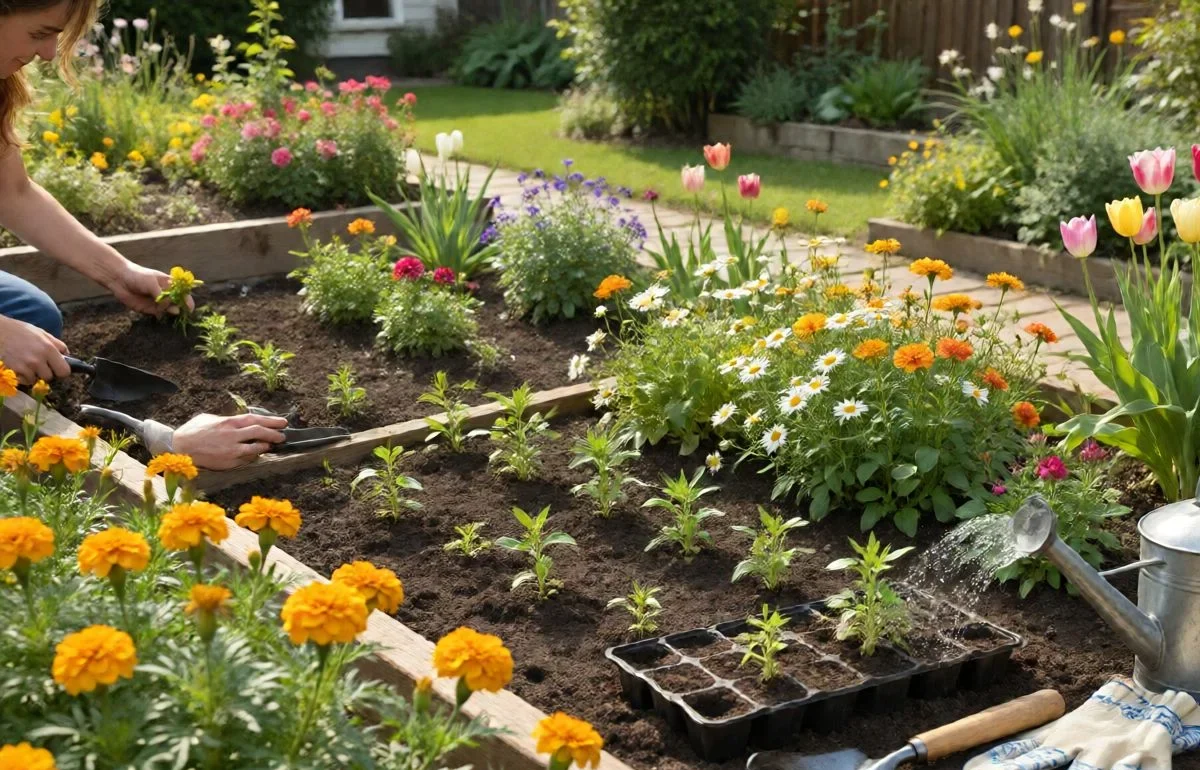

Are you ready to bring more color and life into your home? Flower gardening is a simple and rewarding way to do just that.
Whether you have a big backyard or just a small balcony, growing flowers can brighten your space and lift your mood. You don’t need any special skills or fancy tools to get started—just a little guidance and some patience. You’ll discover easy tips and tricks that will help your flowers thrive, even if you’ve never planted a seed before.
Keep reading, and you’ll soon be enjoying the beauty and joy that flower gardening can bring to your life.
Choosing The Right Flowers
Starting a flower garden is a fun way to bring color and life to any space. For those new to flower gardening for beginners, choosing the right flowers is a key step. Picking flowers that match your garden’s conditions helps you grow a flower garden with less work and more success. Knowing how to grow a flower garden for beginners means learning about your soil, sunlight, and water needs. This section shares simple flower gardening tips for beginners to help you find the best flowers for your garden. Wondering how do you start a flower garden? Begin with flowers that suit your area and care abilities.
Assess Your Garden’s Sunlight
Sunlight is very important for flowers. Flowers need different amounts of sun each day. Some flowers love full sun, while others prefer shade. Before choosing flowers, watch your garden for a day. Note where the sun shines and for how long.
- Full Sun: 6 or more hours of direct sunlight.
- Partial Sun/Shade: 3-6 hours of sunlight.
- Full Shade: Less than 3 hours of direct sunlight.
Picking flowers that fit your sun level helps them grow strong. This tip is one of the best flower gardening tips for beginners.
Choose Flowers Based on Climate
Each flower grows best in certain weather. Knowing your climate helps in picking flowers that thrive. Check your hardiness zone or local climate type. This step saves time and money. It also stops flowers from dying early.
| Climate Type | Best Flower Choices |
|---|---|
| Cool Climate | Pansies, Snapdragons, Sweet Peas |
| Warm Climate | Marigolds, Zinnias, Sunflowers |
| Dry Climate | Lavender, Sedum, Coneflowers |
| Humid Climate | Impatiens, Begonias, Hibiscus |
Pick Flowers That Match Your Care Time
Some flowers need a lot of care, while others are easy to grow. Think about how much time you have for watering, weeding, and feeding. Choose flowers that match your schedule.
- Low Maintenance: Marigolds, Daylilies, Cosmos
- Medium Care: Petunias, Snapdragons, Salvia
- High Care: Roses, Orchids, Gardenias
Start with low maintenance flowers to build your confidence. This helps with learning how to grow a flower garden for beginners.
Table of Contents
Preparing Your Garden Bed
Flower gardening for beginners can be a joyful and rewarding hobby. Preparing your garden bed is the first step to success. Good preparation helps plants grow strong and bloom beautifully. This section shares simple flower gardening tips for beginners to prepare their garden bed. Learning how to grow a flower garden for beginners starts with choosing the right spot and making the soil ready. Wondering how do you start a flower garden? Start by making your garden bed healthy and clean. Growing a flower garden needs care from the very beginning.
Choosing The Right Location
Select a spot that gets at least 6 hours of sunlight daily. Most flowers need plenty of sun to grow well.
- Look for a flat area with good drainage.
- Avoid places where water pools after rain.
- Keep the garden away from large trees or shrubs that block light.
Clearing The Area
Remove grass, weeds, and rocks from the garden bed area. This helps flowers get nutrients without competition.
- Pull out weeds by hand or use a hoe.
- Dig out roots to stop weeds from growing back.
- Pick up stones and debris to make the soil loose.
Improving The Soil
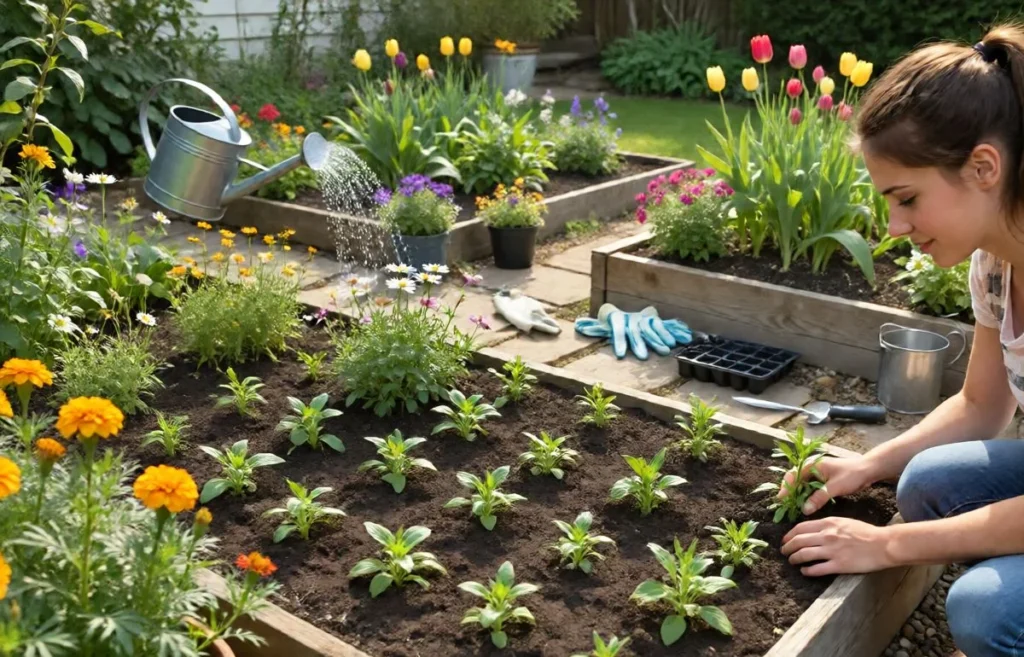
Good soil is key to growing a flower garden. Test your soil to check its quality.
| Soil Test Result | What to Do |
|---|---|
| Too Acidic (pH below 6) | Add lime to raise pH |
| Too Alkaline (pH above 7.5) | Add sulfur to lower pH |
| Low Nutrients | Add compost or balanced fertilizer |
Mix compost or organic matter into the soil to improve texture and nutrients. Turn the soil about 6-8 inches deep for better root growth.
Shaping The Bed
Make the bed shape suitable for your garden design and easy care.
- Square or rectangular beds are easy to manage.
- Raised beds improve drainage and soil warmth.
- Use edging materials to keep soil and plants tidy.
Watering Before Planting
Water the garden bed a day before planting flowers. Moist soil helps seeds and plants settle faster.
- Use a gentle spray to avoid washing away soil.
- Keep soil damp but not soaked.
Planting Techniques
Flower gardening for beginners can seem tricky at first, but using the right planting techniques makes it easier. Understanding how to plant flowers properly helps your garden grow strong and beautiful. This section covers simple steps on how to grow a flower garden for beginners. These flower gardening tips for beginners focus on planting methods that work well for most flowers. Knowing how do you start a flower garden with good techniques will boost your success in growing a flower garden.
Choosing The Right Planting Depth
Planting flowers at the correct depth is very important. Planting too deep or too shallow can harm the roots. Follow these tips:
- Check seed packets or plant labels for recommended depth.
- Most seeds need to be planted at a depth twice their size.
- For seedlings, plant so the root ball is just below the soil surface.
- Avoid burying stems too deep to prevent rot.
Preparing The Soil
Good soil helps flowers grow faster and healthier. Preparing soil is easy with these steps:
- Loosen soil by digging or tilling to about 12 inches deep.
- Remove rocks, weeds, and old roots from the soil.
- Mix in organic matter like compost or peat moss to improve soil texture.
- Check soil pH and adjust if needed for flower types.
Spacing Flowers Properly
Proper spacing lets flowers grow without crowding. Crowded plants compete for water and sunlight.
| Flower Type | Spacing Distance |
|---|---|
| Small flowers (e.g., pansies, marigolds) | 6-8 inches apart |
| Medium flowers (e.g., zinnias, cosmos) | 12-18 inches apart |
| Large flowers (e.g., sunflowers, dahlias) | 24-36 inches apart |
Watering After Planting
Watering is key right after planting. It helps settle the soil and wakes up roots.
- Water gently to avoid washing away soil.
- Use a watering can or gentle spray nozzle.
- Keep soil moist but not soggy for the first two weeks.
- Water in the morning to reduce evaporation.
Watering And Feeding
Starting with flower gardening for beginners means understanding watering and feeding. These two are the keys to healthy plants. Knowing how to water and feed plants helps them grow strong and bloom bright. This part of flower gardening tips for beginners explains simple steps to care for flowers. Learning how to grow a flower garden for beginners includes giving the right water and food at the right time. Many ask, how do you start a flower garden? Begin with proper watering and feeding habits. Growing a flower garden needs patience and care, especially with water and nutrients.
How Often Should You Water Your Flowers?
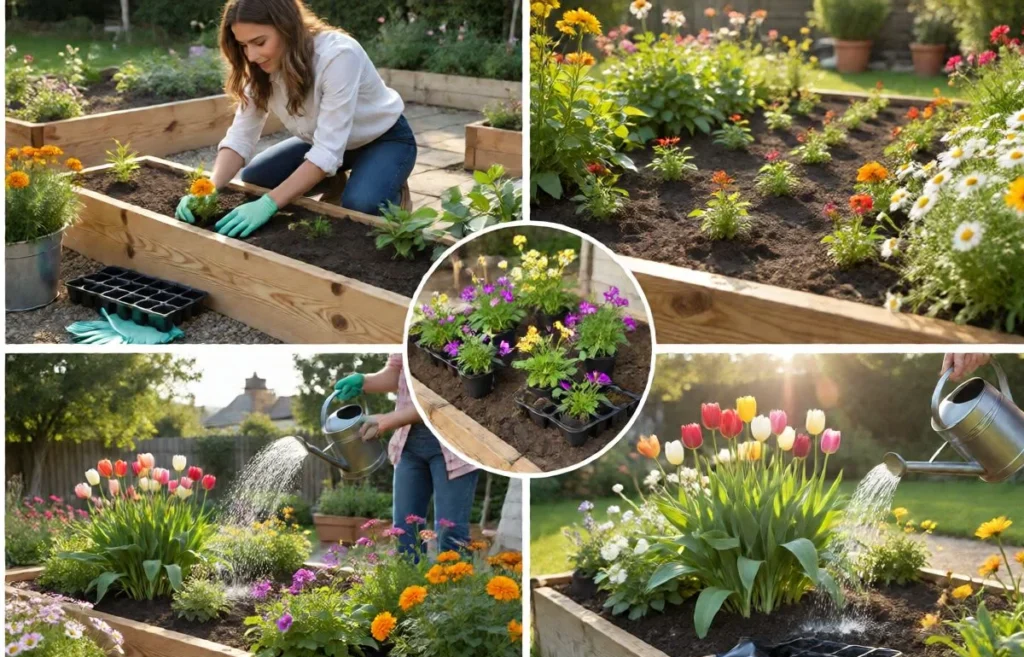
Watering is vital for flower health. Most flowers need water every day or every other day. Check the soil to decide. If the top inch is dry, it is time to water.
- Morning watering helps plants absorb water better.
- Water deeply to reach roots, not just the surface.
- Avoid watering in the evening to stop mold growth.
Choosing The Right Fertilizer
Fertilizer feeds flowers and helps them bloom. Use a balanced fertilizer with equal parts nitrogen, phosphorus, and potassium. Look for numbers like 10-10-10 on the package.
| Type of Fertilizer | Benefit | Best For |
|---|---|---|
| Granular | Slow release, feeds over weeks | Outdoor flower beds |
| Liquid | Quick feeding, fast results | Potted flowers and new plants |
| Organic | Natural nutrients, soil health | Eco-friendly gardeners |
Tips For Feeding Your Flower Garden
- Feed plants every 4-6 weeks during growing season.
- Follow fertilizer instructions carefully to avoid overfeeding.
- Water plants before and after feeding to help absorb nutrients.
- Use compost or mulch to add natural nutrients.
Managing Pests And Diseases
Managing pests and diseases is a key part of flower gardening for beginners. Pests and diseases can harm your plants and stop them from growing well. Knowing how to spot and treat these problems helps keep your garden healthy. These flower gardening tips for beginners focus on simple ways to protect your flowers. Learning how to grow a flower garden for beginners includes understanding how to keep pests and diseases away.
Identifying Common Pests In Your Flower Garden
Knowing which pests can attack your flowers is important. Common pests include:
- Aphids – small, soft insects that suck plant juices
- Spider mites – tiny bugs that cause yellow spots
- Slugs and snails – eat leaves and flowers
- Whiteflies – small white insects that fly around plants
Check plants often for signs like holes, sticky leaves, or webbing. Early detection stops pests from spreading.
Preventing Diseases In Your Flower Garden
Diseases like powdery mildew, rust, and blight can damage flowers quickly. You can reduce disease risk by:
- Planting in well-drained soil
- Watering at the base, not on leaves
- Giving plants enough space for air flow
- Removing dead or diseased plant parts
Good garden hygiene helps keep diseases away and supports healthy growth.
Natural And Safe Pest Control Methods
Choose safe ways to control pests without chemicals. Options include:
| Method | Description | Benefits |
|---|---|---|
| Handpicking | Remove pests by hand from plants | Safe and immediate |
| Neem Oil | Natural oil that repels insects | Non-toxic to humans and pets |
| Introducing Ladybugs | Ladybugs eat aphids and other pests | Natural pest control |
| Soap Spray | Mild soap solution to kill soft-bodied insects | Safe and easy to make |
Steps To Take When You Spot A Problem
Follow these steps to handle pests or diseases:
- Isolate affected plants to stop spread
- Remove damaged leaves or flowers carefully
- Use natural pest control methods
- Monitor plants daily for new signs
- Adjust watering and care if needed
Consistent care helps your garden stay strong and beautiful.
Seasonal Care Tips
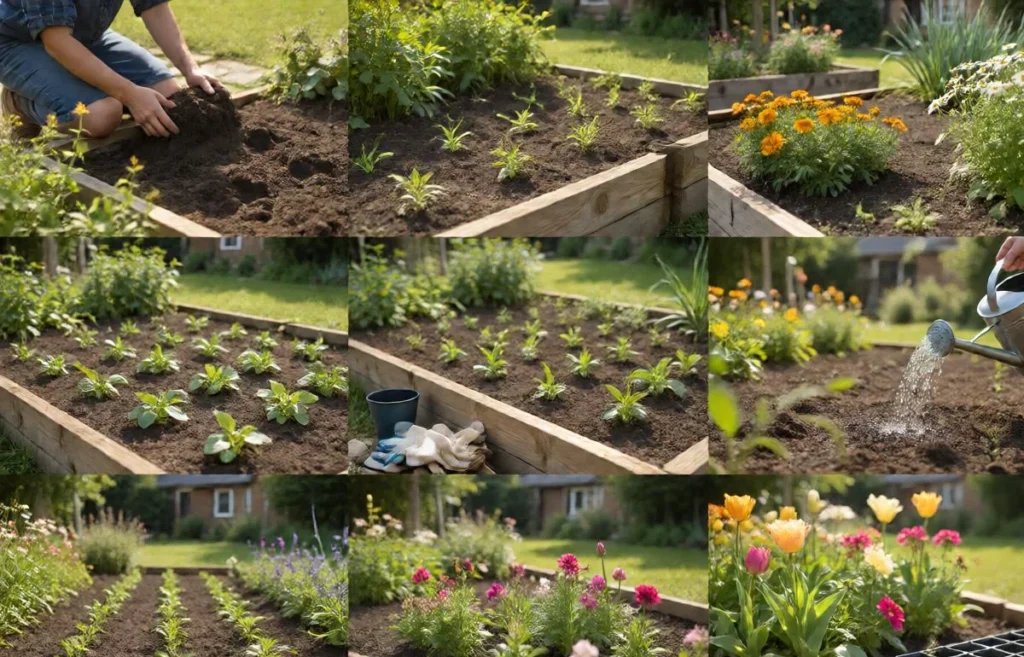
Starting flower gardening for beginners can be exciting and rewarding. Knowing how to care for your flowers through different seasons helps them grow strong and beautiful. Seasonal care tips are essential to keep your garden healthy all year. These tips guide you on what to do in spring, summer, fall, and winter. Learning how to grow a flower garden for beginners includes understanding these seasonal changes. This knowledge helps you protect plants from weather and pests. Let’s explore some easy seasonal care tips for growing a flower garden.
Spring Care Tips For Flower Gardens
Spring is the best time to start a flower garden. The soil warms up, and plants begin to grow. Follow these flower gardening tips for beginners to prepare your garden:
- Clear the garden: Remove old leaves and debris to prevent disease.
- Loosen the soil: Use a rake or hoe to break up hard soil.
- Plant seeds or seedlings: Choose flowers that grow well in your climate.
- Water regularly: Keep the soil moist but not soggy.
- Fertilize: Use a balanced fertilizer to help plants grow strong.
Summer Care Tips For Flower Gardens
Summer brings heat and sun, which can be hard on flowers. Follow these tips to protect your garden:
- Water deeply: Water early in the morning or late in the evening.
- Mulch: Add mulch to keep soil cool and reduce water loss.
- Deadhead flowers: Remove old blooms to encourage new growth.
- Watch for pests: Check plants often and remove insects by hand.
- Shade sensitive plants: Use shade cloth or move pots to cooler spots.
Fall Care Tips For Flower Gardens
Fall prepares your garden for winter rest. Use these steps to finish the growing season well:
- Cut back plants: Trim dead or weak stems.
- Plant bulbs: Add spring flowers like tulips and daffodils.
- Fertilize lightly: Use a slow-release fertilizer for winter strength.
- Clean up debris: Remove fallen leaves to stop mold and pests.
- Water less: Plants need less water as temperatures drop.
Winter Care Tips For Flower Gardens
Winter care is about protecting plants from cold and frost. These simple tips help your garden survive the cold months:
| Tip | Details |
|---|---|
| Mulch Thickly | Apply a thick layer of mulch to insulate roots. |
| Cover Plants | Use cloth or plastic covers during frost nights. |
| Reduce Watering | Water only if soil is dry to avoid root rot. |
| Bring Potted Plants Inside | Move pots indoors or to sheltered spots. |
| Check for Damage | Remove dead parts to prevent disease spread. |
Tools Every Gardener Needs
Starting flower gardening for beginners can be exciting and fun. Knowing which tools to use makes the job easier. Tools help with planting, watering, and taking care of your garden. They save time and protect your hands. This guide shares the essential tools every gardener needs to begin growing a flower garden successfully. These tools support your flower gardening tips for beginners and answer questions like how to grow a flower garden for beginners and how do you start a flower garden.
Essential Hand Tools For Flower Gardening
Hand tools are basic and useful for small gardening tasks. Beginners need a few simple tools to start growing a flower garden.
- Trowel: Used for digging small holes and planting flowers.
- Pruning Shears: Cut dead or overgrown stems to keep plants healthy.
- Hand Fork: Loosens soil and removes weeds around plants.
- Garden Gloves: Protect hands from dirt, thorns, and bugs.
Watering Tools Needed
Water is vital for growing a flower garden. These tools help deliver water in the right amount.
| Tool | Purpose |
|---|---|
| Watering Can | Ideal for precise watering of young or delicate flowers. |
| Garden Hose with Spray Nozzle | Makes watering larger flower beds easier and faster. |
| Soaker Hose | Delivers water directly to the roots, saving water and time. |
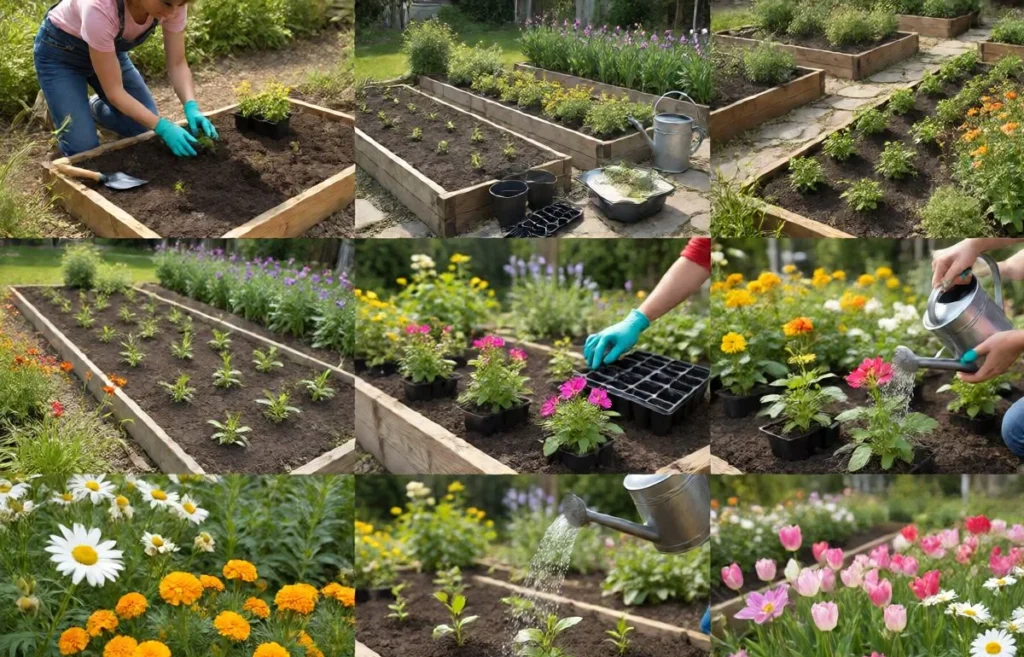
Additional Gardening Tools For Beginners
Some extra tools help keep the flower garden neat and healthy.
- Rake: Clears leaves and debris from flower beds.
- Hoe: Breaks up soil and controls weeds in larger areas.
- Wheelbarrow: Moves soil, mulch, and plants easily.
Choosing the right tools makes growing a flower garden a pleasant experience. Start small with these tools and expand as your garden grows.
Frequently Asked Questions
What Are The Best Flowers For Beginner Gardeners?
Easy-to-grow flowers like marigolds, sunflowers, and zinnias are perfect for beginners. These plants need little care and bloom quickly. They also tolerate different weather conditions well.
How Much Sunlight Do Flowers Need Daily?
Most flowers need 6 to 8 hours of sunlight each day. Some, like impatiens, prefer shade or partial sun. Check the plant label for specific sunlight needs.
How Often Should I Water My Flower Garden?
Water your flowers about once a week, or when the soil feels dry. Avoid overwatering to prevent root rot. Early morning watering is best to reduce evaporation.
What Type Of Soil Is Best For Flower Gardening?
Well-drained, loamy soil rich in organic matter works best for flowers. You can improve soil by adding compost or peat moss. Good soil helps flowers grow strong and healthy.
How Do I Protect My Flowers From Pests Naturally?
Use natural methods like handpicking pests or spraying with soapy water. Planting marigolds nearby can also repel harmful insects. Avoid chemical pesticides to keep your garden safe.
When Should I Plant Flowers In My Garden?
Plant flowers after the last frost date in your area. This ensures young plants won’t freeze. Spring and early summer are ideal planting times for most flowers.
How Can I Make My Flower Garden Bloom Longer?
Deadhead spent flowers regularly to encourage new blooms. Provide enough water and fertilizer for healthy growth. Choose a mix of flowers that bloom at different times for longer color.
Conclusion
Starting a flower garden brings joy and calm to your life. Choose easy flowers and learn how to care for them. Water them just right and give them enough sunlight. Watch your garden grow day by day. Mistakes may happen, but keep trying.
Gardening helps you connect with nature and feel proud. Enjoy the colors and scents you create. Keep planting and watching your flowers bloom. Gardening is fun and good for your mind. Give it a chance and see what happens!