
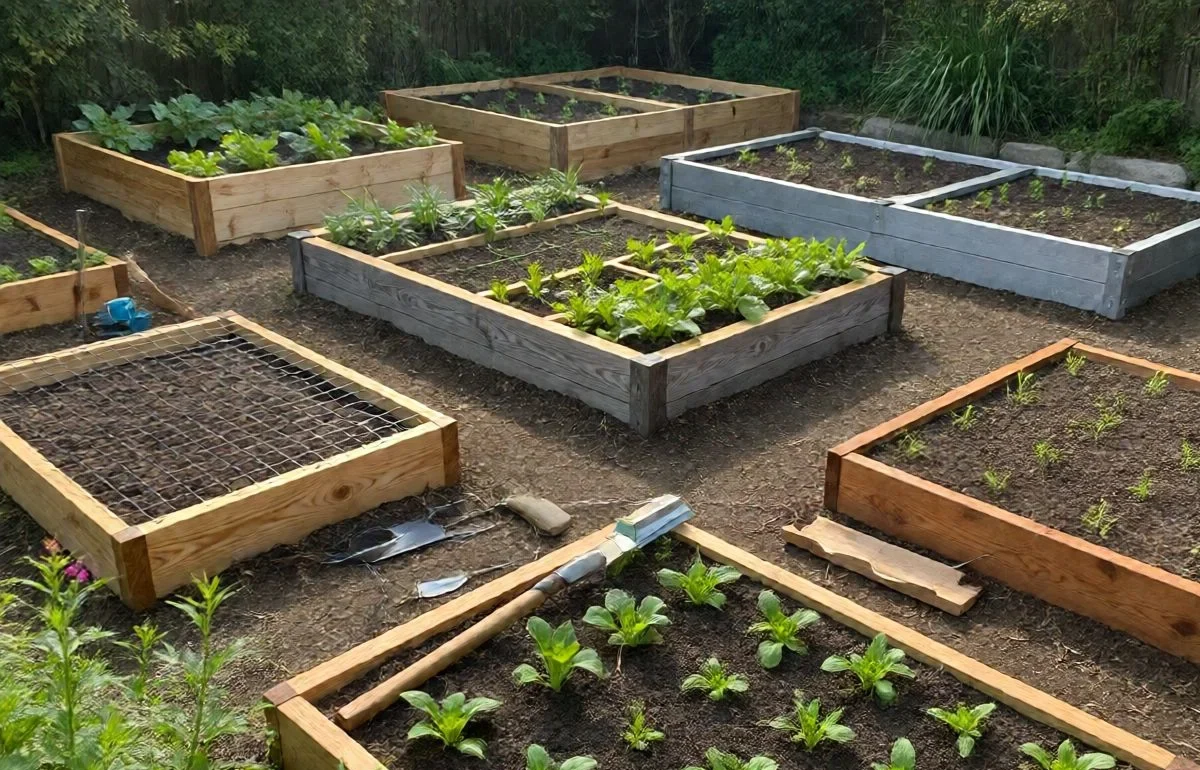

Are you ready to transform your garden into a thriving, beautiful space? Raised garden beds are an easy and effective way to grow your favorite plants, even if your soil isn’t perfect.
Whether you want to grow fresh vegetables, colorful flowers, or herbs right outside your door, raised beds can make your gardening easier and more enjoyable. You’ll discover simple, creative raised garden bed ideas that fit any space and skill level.
Keep reading to find the perfect design that will boost your garden’s health and beauty—your green thumb will thank you!
Choosing Materials
Choosing the right materials is a key step in building a raised garden bed. The material affects the bed’s durability, appearance, and how well it holds soil and plants. Many options exist for raised garden bed ideas. Each material has its own benefits and drawbacks. Understanding these helps pick the best fit for your garden style, budget, and growing needs. This guide covers popular materials like wood, metal, plastic, and recycled items. It also offers tips on how to build a raised garden bed with these materials. Good material choice ensures your garden bed stays strong and looks great season after season.
Wood Options
Wood is a classic choice for raised garden beds. It blends well with garden settings and feels natural. Wood is easy to cut and assemble. Many raised garden bed plans use wood because it is affordable and widely available.
Types of wood for raised beds:
- Cedar: Naturally resistant to rot and insects. Lasts 10-15 years without treatment.
- Redwood: Durable and weather-resistant. Has a beautiful reddish color.
- Pine: Cheaper but less durable. Needs sealing to resist moisture.
- Composite wood: Made from wood fibers and plastic. Rot-resistant but pricier.
Wood raised beds need protection to last longer. Use untreated wood if growing organic vegetables to avoid chemicals. Applying a natural oil finish can extend wood life. Avoid treated wood that has harmful chemicals. Also, consider the bed height and thickness. A 6-12 inch height works for most plants.
| Wood Type | Durability | Cost | Best Use |
|---|---|---|---|
| Cedar | High | Medium | Long-lasting beds |
| Redwood | High | High | Premium garden beds |
| Pine | Low to Medium | Low | Budget-friendly beds |
| Composite | High | High | Rot-resistant beds |
Wood works well with compost for raised bed garden soil. It helps keep moisture and supports plant roots. Wood’s natural look fits most garden designs. It is a top pick for DIY raised garden bed ideas.
Table of Contents
Metal And Plastic Choices
Metal and plastic are modern options for raised garden beds. They offer different benefits compared to wood. Metal beds are strong and last many years. Plastic beds are lightweight and easy to move. Both materials resist rot and pests.
Metal raised bed features:
- Made from galvanized steel or aluminum.
- Resist rust if coated well.
- Heat up quickly in sun, which may affect plants.
- Provide a sleek, modern look.
Plastic raised bed features:
- Usually made from recycled plastic.
- Waterproof and low maintenance.
- May fade or crack over time.
- Lightweight and easy to assemble.
Both metal and plastic raised beds work well with compost for raised bed garden soil. They keep soil contained without absorbing moisture. These options suit gardeners wanting a clean, modern style. They also require less upkeep than wood.
| Material | Durability | Maintenance | Cost |
|---|---|---|---|
| Galvanized Steel | High | Low | Medium |
| Aluminum | High | Low | High |
| Recycled Plastic | Medium | Very Low | Low to Medium |
Recycled Materials
Using recycled materials is an eco-friendly way to build raised garden beds. It saves money and reduces waste. Many gardeners use old wood pallets, bricks, stones, or even tires. These ideas for raised bed construction add character and uniqueness.
Popular recycled materials:
- Wood pallets: Easy to find and assemble. Treat for pests and chemicals.
- Bricks and stones: Durable and natural-looking. Good for small raised beds.
- Tires: Stackable and large. Best for growing potatoes or root crops.
- Scrap metal: Use old sheets or panels. Must be safe and free of rust.
Recycled beds hold soil and compost well. They need careful cleaning before planting. Some recycled materials may leach harmful substances. Always check safety before use. These raised garden bed plans suit gardeners wanting low-cost and creative options.
Recycling in garden beds shows care for nature and adds a personal touch. It encourages trying new ideas for raised bed gardening and building. These beds last well if maintained properly. They provide a sturdy home for plants and vegetables.
Design Styles
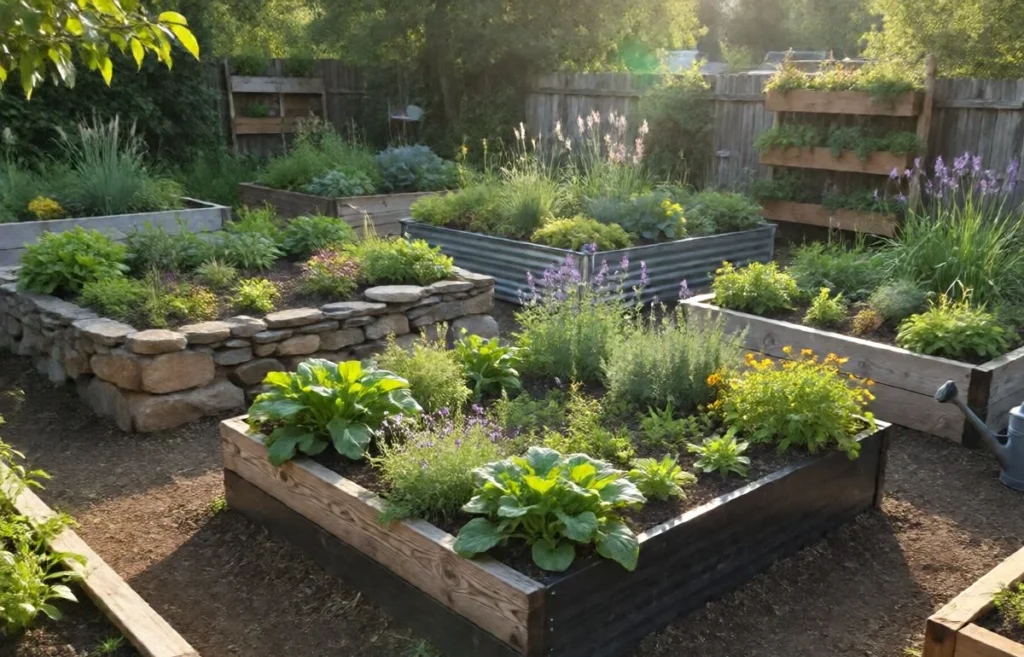
Raised garden bed ideas come in many design styles to fit different spaces and gardening needs. Choosing the right style helps maximize space, improve plant health, and create a beautiful garden. Design styles range from simple shapes to creative structures that add charm and function. Understanding various styles guides gardeners on how to build a raised garden bed that works best for their plants and space. Each style has unique features and benefits, making gardening easier and more enjoyable.
Traditional Rectangular
The traditional rectangular raised garden bed is the most popular and practical design style. Its simple shape fits well in most garden spaces, making it easy to build and maintain. Many raised garden bed plans use this shape because it allows efficient planting and easy access to all plants.
Key features of traditional rectangular beds include:
- Straight sides that maximize soil volume
- Easy to arrange in rows or grids
- Simple to build using wood, stone, or metal
- Works well with compost for raised bed garden to improve soil health
This design suits beginners and experienced gardeners. It supports a wide range of crops, including vegetables, herbs, and flowers. Rectangular beds make watering and weeding simple. The uniform shape also allows for easy installation of irrigation systems or row covers.
| Pros | Cons |
|---|---|
| Easy to build | Less decorative than other styles |
| Good soil depth | May take more space in irregular gardens |
| Simple to expand | Limited to straight edges |
Tiered Beds
Tiered beds add height and depth to garden spaces. They use multiple levels to create a layered growing area. This design style is perfect for small yards or sloped areas. Tiered beds also help with drainage and soil management.
Benefits of tiered raised garden bed ideas:
- Maximizes vertical space
- Creates visual interest with different heights
- Allows planting of different crops based on sun and water needs
- Easy access to plants without bending over
Building tiered beds involves stacking raised bed boxes or framing multiple levels. Adding compost for raised bed garden in each tier improves soil quality and plant health. This design often requires more planning but rewards gardeners with a vibrant, productive garden.
Tips for tiered beds:
- Use sturdy materials for support
- Ensure each tier has good soil depth
- Water from the top tier to help irrigation
- Plant taller crops on the top tiers
Circular And Geometric
Circular and geometric raised garden bed plans bring a modern, artistic touch to gardens. These shapes break the usual rectangular pattern and create unique planting areas. Circles, hexagons, and other polygons offer efficient space use and strong soil retention.
Advantages of circular and geometric beds:
- Improves soil structure by reducing erosion
- Enhances garden aesthetics with creative shapes
- Allows planting in concentric rings or patterns
- Can be designed to fit awkward or small spaces
These designs may require more effort on how to build a raised garden bed properly but provide striking results. Compost for raised bed garden works well in these beds, supporting healthy plant growth. Raised garden bed ideas with geometric shapes often inspire gardeners to experiment with crop placement and companion planting.
Common circular and geometric designs include:
| Shape | Benefits |
|---|---|
| Circle | Even sunlight distribution, easy to reach center |
| Hexagon | Fits together like tiles, efficient space use |
| Octagon | Unique look, good for large gardens |
Space-saving Solutions
Space-saving solutions are perfect for gardeners with limited room. Raised garden bed ideas that save space help grow more plants in small areas. These ideas for raised bed use vertical space and clever designs. They make gardening easy and fun without taking much ground space. Using smart plans lets you enjoy fresh vegetables and flowers even in tight spots.
Vertical Gardens
Vertical gardens are a smart way to grow plants upward instead of outward. They use walls, fences, or specially made frames to hold soil and plants. This method is great for small yards, balconies, or patios. Vertical gardens fit well with raised garden bed plans that focus on saving space.
Benefits of vertical gardens:
- Save ground space by growing plants upward
- Easy to reach and harvest plants
- Good air flow reduces plant diseases
- Can grow a variety of plants like herbs, lettuce, and strawberries
For vertical gardens, use lightweight soil mixes and compost for raised bed garden setups. Make sure the structure is strong to hold the weight of soil and plants. You can build a simple vertical garden using wood pallets, hanging pots, or pocket planters.
| Vertical Garden Type | Best Plants | Space Used |
|---|---|---|
| Wood Pallet | Herbs, Succulents | Wall-mounted |
| Hanging Pots | Tomatoes, Peppers | Ceiling or wall |
| Pocket Planters | Lettuce, Strawberries | Vertical fabric pockets |
Stacked Beds
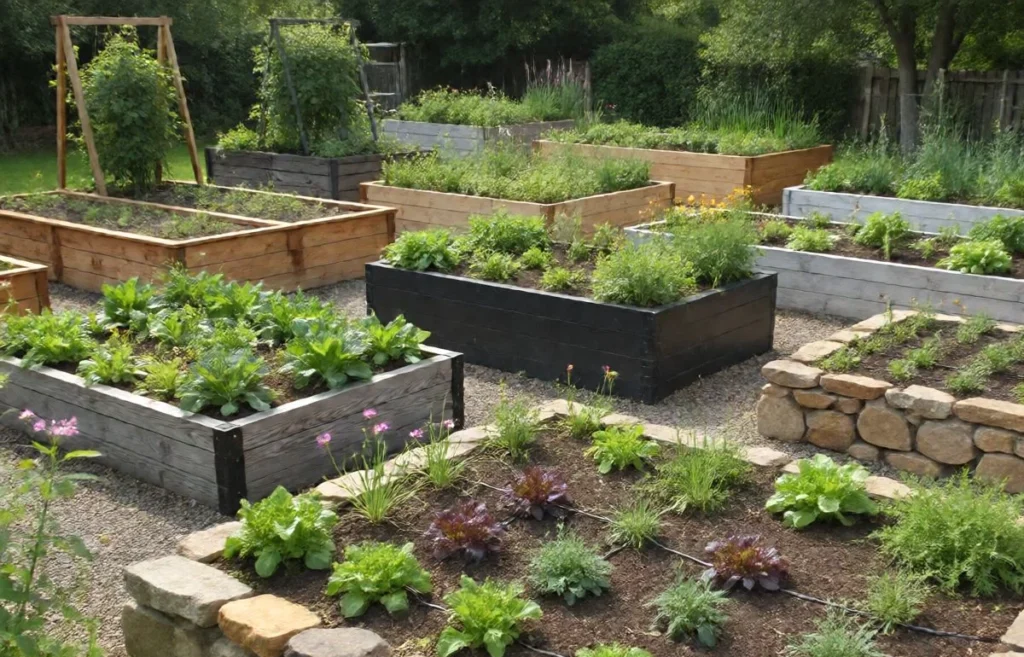
Stacked beds are raised garden bed ideas that build upward in layers. Instead of spreading wide, beds stack on top of each other. This design fits well in small yards or balconies. It allows growing many plants in a small footprint.
Stacked beds can be square, round, or tiered. Use strong materials like wood or metal to build these beds. Add compost for raised bed garden soil to keep plants healthy.
How stacked beds help save space:
- Use vertical height for planting
- Grow different plants on each level
- Easy to water and maintain
- Good for plants with different sunlight needs
Stacked beds are ideal for growing herbs, salad greens, and small vegetables. You can build stacked beds by following simple raised garden bed plans. These beds also help with better soil drainage and root growth.
Corner Planters
Corner planters use unused corner spaces in yards or patios. These raised garden bed ideas fit perfectly into corners, making the most of limited space. They come in many shapes like triangles, L-shapes, or quarter circles.
Corner planters make a cozy spot for growing flowers, herbs, or vegetables. Use compost for raised bed garden soil to improve plant growth in these planters.
Advantages of corner planters:
- Maximize small or awkward spaces
- Easy to build with simple raised garden bed plans
- Can mix different plants close together
- Good for plants needing partial shade
Building corner planters involves measuring your space and selecting durable materials. You can create them from wood, stone, or recycled materials. These planters add charm and function to small gardens while growing a variety of plants efficiently.
Soil And Drainage Tips
Creating healthy plants starts with the right soil and proper drainage. For raised garden bed ideas to work well, the soil must be rich and drain water correctly. Good soil lets roots breathe and grow strong. Poor drainage causes water to sit, which can harm plants. Understanding soil and drainage tips will help gardeners get the best results from their raised garden bed plans.
Best Soil Mixes
Choosing the best soil mix is key to a thriving raised garden bed. The soil should hold moisture but not stay soggy. A good mix provides nutrients and helps roots spread easily. Here are some ideas for raised bed soil mixes:
- 60% topsoil: Provides structure and minerals.
- 30% compost for raised bed garden: Adds nutrients and improves soil texture.
- 10% perlite or vermiculite: Improves aeration and drainage.
Some gardeners prefer a layered approach. This method places coarse materials at the bottom and finer soil on top. It helps with drainage and keeps soil from compacting.
| Soil Component | Purpose | Ratio in Mix |
|---|---|---|
| Topsoil | Base soil with minerals | 60% |
| Compost for raised bed garden | Feeds plants, improves texture | 30% |
| Perlite or Vermiculite | Boosts drainage and air flow | 10% |
Use organic compost for raised bed garden soil. It helps soil stay loose and provides steady nutrients. Avoid heavy clay soil, as it traps water and blocks roots. When learning how to build a raised garden bed, plan the soil mix carefully. A good mix supports healthy plants and easier gardening.
Drainage Techniques
Proper drainage stops water from pooling around plant roots. It prevents root rot and keeps plants healthy. Drainage is vital for raised garden bed ideas, especially in rainy areas or with heavy soil.
Here are effective drainage techniques to follow:
- Use well-draining soil mixes: Include sand or perlite to help water flow.
- Add a gravel layer: Place 1-2 inches of small stones or gravel at the bed’s bottom.
- Raise the bed height: Higher beds drain faster and warm up sooner in spring.
- Install drainage holes: Drill holes if using wooden or plastic raised beds to let excess water escape.
- Use landscape fabric: Place fabric under soil to stop weeds but allow water to drain.
Here is a simple drainage setup example for raised garden bed plans:
| Layer | Material | Purpose |
|---|---|---|
| Bottom | Gravel or small rocks | Improves drainage |
| Middle | Landscape fabric | Prevents soil loss, allows water flow |
| Top | Soil mix | Plant growth medium |
Good drainage reduces watering needs and stops soggy soil problems. These drainage techniques make raised garden beds last longer and grow better crops. Understanding how to build a raised garden bed with proper drainage saves time and effort in the garden.
Plant Pairings
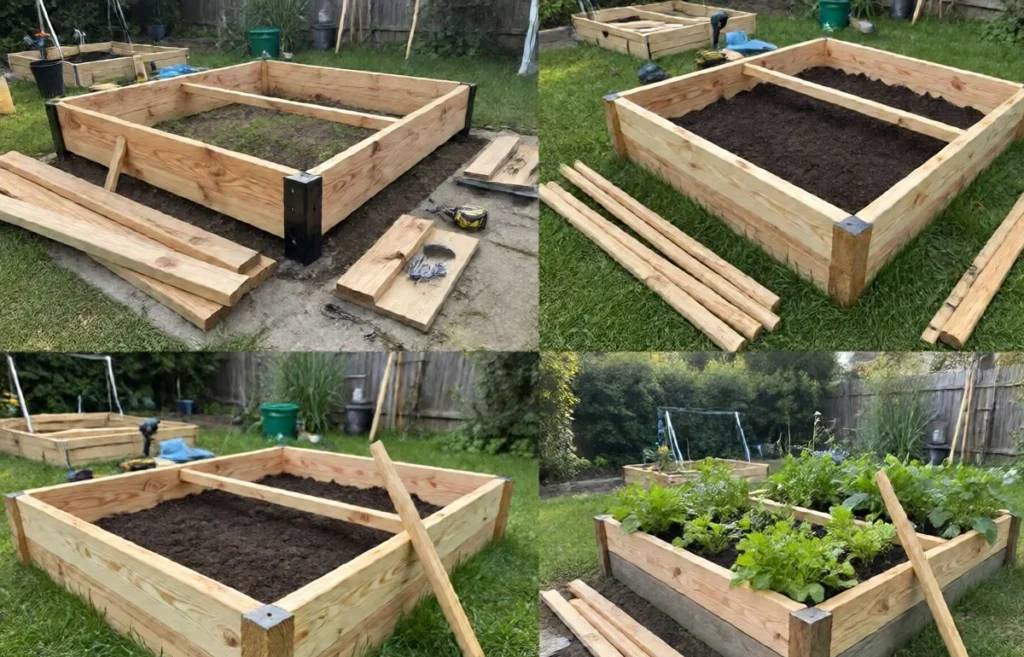
Plant pairings play a vital role in creating a thriving raised garden bed. Choosing the right plants to grow together enhances growth, boosts pest resistance, and improves soil health. In your raised garden bed plans, combining plants wisely maximizes space and yield. Understanding simple plant combinations helps you create a balanced and healthy garden.
Companion Planting
Companion planting means growing certain plants near each other for mutual benefit. It is one of the best ideas for raised bed gardens. Some plants help repel pests, while others improve soil nutrients. This natural method supports healthy growth without chemicals.
Here are some common companion plant pairings:
- Tomatoes and Basil: Basil keeps pests away and improves tomato flavor.
- Carrots and Onions: Onions deter carrot flies, protecting carrots.
- Corn, Beans, and Squash: Known as the Three Sisters, these plants support each other’s growth.
- Marigolds and Vegetables: Marigolds repel many harmful insects.
Using companion plants also helps reduce the need for extra compost for raised bed gardens. Healthy plants use nutrients efficiently, keeping soil rich longer.
| Plant | Good Companions | Benefits |
|---|---|---|
| Tomato | Basil, Carrots, Onions | Repels pests, improves flavor |
| Carrot | Onion, Lettuce | Protects from carrot flies |
| Beans | Corn, Squash | Fixes nitrogen in soil |
| Marigold | Almost all vegetables | Repels nematodes and insects |
Seasonal Choices
Seasonal choices help you get the most from your raised garden bed. Planting crops suitable for each season ensures steady growth and harvest. Different plants need different temperatures and daylight.
Follow these seasonal ideas for raised garden beds:
- Spring: Lettuce, spinach, peas, radishes grow well in cool weather.
- Summer: Tomatoes, peppers, cucumbers, beans love warm sun.
- Fall: Broccoli, kale, carrots, and cabbage thrive in cooler temps.
- Winter: Some hardy greens like spinach and kale survive mild winters.
Adjusting your planting list keeps your raised garden bed productive year-round. Using fresh compost for raised bed garden soil before each season helps plants get strong roots.
| Season | Best Plants | Notes |
|---|---|---|
| Spring | Lettuce, Peas, Radish, Spinach | Cool weather crops |
| Summer | Tomatoes, Peppers, Beans, Cucumbers | Warm weather lovers |
| Fall | Broccoli, Kale, Carrots, Cabbage | Cooler temps, good for storage |
| Winter | Spinach, Kale | Hardy greens for mild winters |
Maintenance Practices
Maintaining raised garden beds is key to a healthy and productive garden. Proper care keeps plants strong and soil rich. Good maintenance saves time and effort in the long run. It also protects your investment in raised garden bed ideas and raised garden bed plans. Focus on two main areas: watering and pest control. Both are simple but vital for success.
Watering Systems
Watering is essential for every raised garden bed. Plants need the right amount of water to grow well. Too much water causes root rot. Too little water leads to dry, weak plants. Choosing the right watering system makes a big difference in your gardening success.
Popular watering options include:
- Drip irrigation: Delivers water directly to the soil near roots. Saves water and reduces weeds.
- Soaker hoses: Leak water slowly along their length. Easy to set up and use.
- Hand watering: Using a watering can or hose. Good for small beds or spot watering.
Consider these factors when choosing a watering system:
| System Type | Advantages | Best For |
|---|---|---|
| Drip Irrigation | Water efficient, reduces disease | Large beds, vegetable gardens |
| Soaker Hoses | Easy setup, low cost | Small to medium beds |
| Hand Watering | Precise control, flexible | Small beds, delicate plants |
Check soil moisture regularly. Use a finger or moisture meter. Water deeply and less often to encourage strong roots. Mulch helps keep moisture in the soil. Compost for raised bed garden improves soil water retention.
Pest Management
Keeping pests away protects plants in your raised garden bed. Pests damage leaves, stems, and roots. They reduce yields and can kill plants. Use natural pest management to protect your garden safely.
Effective pest control methods include:
- Physical barriers: Use row covers or netting to block insects and birds.
- Hand picking: Remove pests like beetles or caterpillars by hand.
- Companion planting: Plant herbs or flowers that repel pests near vegetables.
- Natural predators: Encourage ladybugs, spiders, and birds that eat harmful insects.
- Organic sprays: Use neem oil or insecticidal soap for serious infestations.
Regularly inspect plants for signs of pests. Early detection helps stop damage. Healthy soil with good compost for raised bed garden supports strong plants that resist pests better. Crop rotation in your raised garden bed plans also reduces pest buildup.
Creative Additions
Raised garden bed ideas offer more than just a place to grow plants. Creative additions can make your garden both functional and beautiful. These touches bring personality and comfort to your outdoor space. Incorporating unique features transforms simple raised garden bed plans into a garden you love. Enhancing your garden with decorative edging, integrated seating, and lighting options improves its look and usability. Each creative addition adds value and enjoyment.
Decorative Edging
Decorative edging adds a polished look to your raised garden beds. It defines the garden’s borders and helps keep soil and mulch in place. You can use many materials for edging, depending on your style and budget.
- Wooden Edging: Use cedar or redwood for a natural look that matches wooden raised garden bed plans.
- Stone or Brick: These create a classic, sturdy border that lasts for years.
- Metal Edging: Steel or aluminum offers a modern, sleek appearance.
- Recycled Materials: Old pallets or bricks can give a rustic charm.
Decorative edging can also protect your compost for raised bed garden areas by keeping organic matter from spilling out. It helps maintain soil structure and moisture levels. Adding edging is a simple way to upgrade your garden design.
| Material | Style | Durability | Cost |
|---|---|---|---|
| Wood | Natural, rustic | Moderate | Low to medium |
| Stone/Brick | Classic, sturdy | High | Medium to high |
| Metal | Modern, sleek | High | Medium |
| Recycled | Rustic, creative | Varies | Low |
Integrated Seating
Adding seating to your raised garden beds makes gardening easier and more enjoyable. Integrated seating creates a space to rest, observe, and connect with nature. This idea combines function and style.
Building benches or ledges along the sides of your raised garden bed is a smart choice. Use the same wood or materials as the bed for a seamless look. Seating lets you spend more time outdoors without needing extra furniture.
Benefits of integrated seating:
- Comfort during planting and weeding
- Space-saving design
- Creates a social spot for family or friends
- Enhances garden aesthetics
You can also add cushions or weatherproof pillows for extra comfort. Some raised garden bed plans include storage under the seating, perfect for tools or compost for raised bed garden care.
Lighting Options
Good lighting extends the time you can enjoy your garden. It also adds safety and ambiance. Several lighting ideas can complement your raised garden bed plans.
- Solar Lights: Easy to install with no wiring. They charge during the day and glow softly at night.
- String Lights: Hang these around the garden for a festive feel.
- LED Spotlights: Highlight specific plants or features.
- Pathway Lights: Guide the way around raised beds.
Choose waterproof and energy-efficient lights for outdoor use. Proper lighting makes your garden inviting after sunset. It also helps you tend to plants during early mornings or late evenings.
| Lighting Type | Power Source | Installation Ease | Best Use |
|---|---|---|---|
| Solar Lights | Solar | Easy | Soft, ambient lighting |
| String Lights | Electric | Moderate | Decorative, festive |
| LED Spotlights | Electric | Moderate | Focused plant lighting |
| Pathway Lights | Solar/Electric | Easy to moderate | Safety and guidance |
Frequently Asked Questions
What Materials Are Best For Raised Garden Beds?
Wood, stone, and metal are popular materials for raised beds. Wood is easy to work with and affordable. Stone lasts long but can be costly.
How Deep Should A Raised Garden Bed Be?
A depth of 12 to 18 inches is ideal for most plants. Deeper beds help roots grow better. Shallow beds suit herbs and lettuce.
Can Raised Garden Beds Improve Soil Quality?
Yes, raised beds allow you to control soil quality. You can add compost and nutrients easily. This leads to healthier plants and better growth.
How Much Sunlight Do Raised Garden Beds Need?
Most vegetables need 6 to 8 hours of sunlight daily. Place beds in a sunny spot for best results. Too little sun can slow plant growth.
What Plants Grow Well In Raised Garden Beds?
Vegetables like tomatoes, peppers, and lettuce grow well. Herbs such as basil and parsley also do great. Root veggies like carrots thrive in loose soil.
How Often Should I Water Raised Garden Beds?
Water raised beds when the top inch of soil is dry. Usually, this means watering 2 to 3 times a week. Mulch can help keep soil moist longer.
Can Raised Garden Beds Prevent Weeds?
Yes, raised beds reduce weed growth by using clean soil. Adding mulch further stops weeds from growing. Regular weeding keeps beds tidy and plants healthy.
Conclusion
Raised garden beds bring many benefits to your outdoor space. They save space and make gardening easier. You can grow vegetables, herbs, and flowers in a small area. Choosing the right materials helps your garden last longer. Adding good soil and proper watering keeps plants healthy.
Raised beds also reduce weeds and pests. They create a neat and tidy look in your yard. Try different shapes and sizes to fit your space. Start small and enjoy watching your garden grow. Gardening this way feels rewarding and fun.
Your raised bed can become a beautiful, productive spot.