
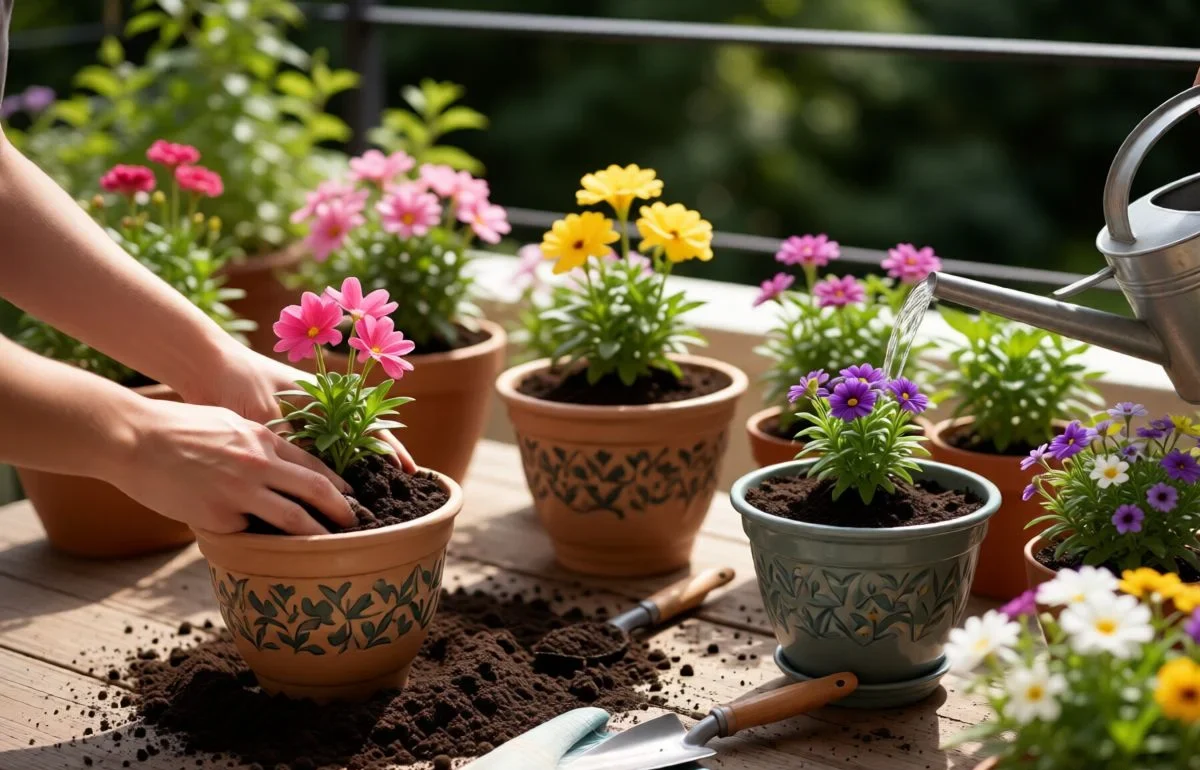

Want to brighten up your space with beautiful flowers but don’t know where to start? Planting a flower in a flower pot is easier than you think, and you don’t need a big garden to do it.
Imagine watching your flower bloom right on your windowsill or balcony, adding color and life to your home. In this guide, you’ll learn simple, step-by-step tips to make sure your flower grows healthy and strong. Ready to turn your flower pot into a little paradise?
Let’s get started!
Choosing The Right Pot
Choosing the right pot is an important step in how to plant a flower in a flower pot. The pot affects the flower’s growth, water needs, and how healthy it stays. A good pot gives enough space for roots and proper drainage to keep the plant happy. Not all pots work the same for every flower, so picking the right one is key. This guide helps you understand which pot suits your flower best.
Material Options
Different materials affect how your flower grows and how easy it is to care for the pot. Here are common pot materials:
- Clay or Terracotta: These pots breathe well and let water evaporate quickly. They are heavy and good for outdoor plants. Clay pots dry out fast, so water often.
- Plastic: Lightweight and cheap. Plastic pots hold moisture longer, which is good for plants needing more water. They are less breathable but easy to move.
- Ceramic: Often glazed and decorative. Ceramic pots keep moisture better than clay and look nice indoors. They can be heavy and break easily.
- Wood: Natural and attractive. Wood pots offer good insulation for roots but may rot over time if not treated.
- Metal: Stylish and durable. Metal pots heat up quickly in the sun and might harm roots, so use them in shaded spots.
Here is a quick comparison table to help you decide:
| Material | Weight | Water Retention | Durability | Best Use |
|---|---|---|---|---|
| Clay/Terracotta | Heavy | Low | High | Outdoor plants |
| Plastic | Light | High | Medium | Indoor/Outdoor |
| Ceramic | Medium/Heavy | Medium | Fragile | Indoor decorative |
| Wood | Medium | Medium | Low | Outdoor, shaded |
| Metal | Medium/Heavy | Low | High | Shaded areas |
Choosing the right material helps with watering and plant health. Consider where the pot will sit and how much care the flower needs.
Table of Contents
Size And Drainage
The pot size affects root growth and how often you water your plant. A pot too small will stop roots from growing and dry out fast. A pot too big can keep water too long, causing root rot. Choose a pot that fits the flower’s size and growth.
Good drainage is key to healthy plants. Drainage holes let extra water escape. Without holes, water stays at the bottom and harms roots. Some pots come with built-in drainage, others need you to add holes.
Here are tips for size and drainage:
- Match pot size to plant: The pot should be 1-2 inches larger than the root ball.
- Check for drainage holes: Make sure the pot has holes or drill some yourself.
- Use a saucer: Place a saucer under the pot to catch excess water.
- Layer the bottom: Add small rocks or broken pottery pieces to improve drainage.
- Repot as needed: Move the flower to a bigger pot if roots start to crowd.
Here is a simple table to pick pot size by flower size:
| Flower Size | Pot Diameter |
|---|---|
| Small (up to 6 inches tall) | 4-6 inches |
| Medium (6-12 inches tall) | 6-8 inches |
| Large (over 12 inches tall) | 8-12 inches or more |
Picking the right size and drainage ensures your flower thrives. This is an important step in how to plant flowers in containers or how to plant flower containers properly.
Selecting The Best Soil
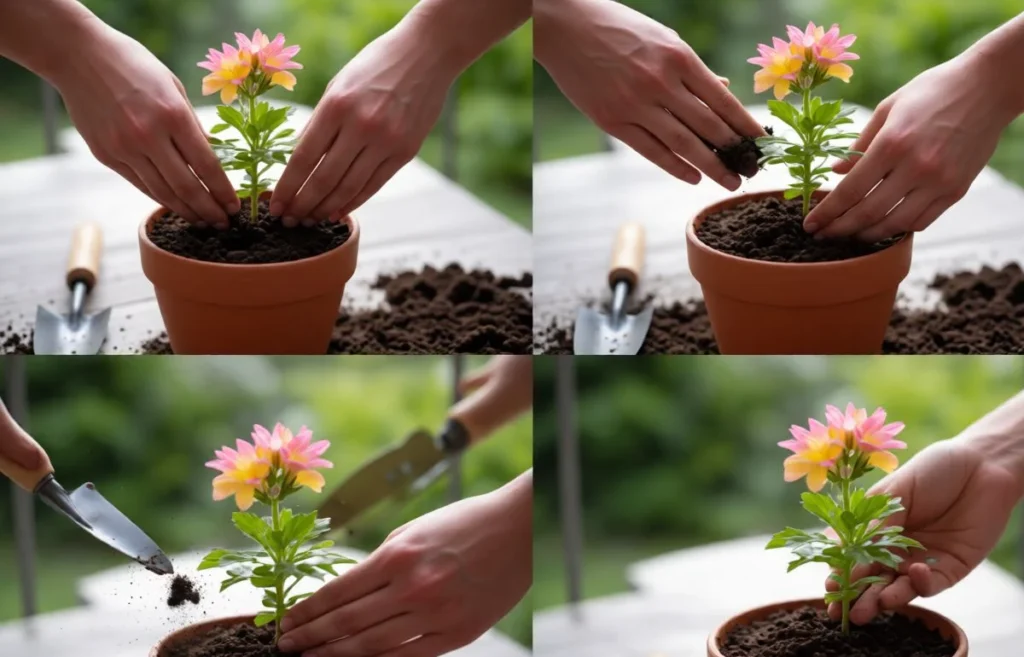
Choosing the right soil is a key step in how to plant a flower in a flower pot. Good soil helps flowers grow strong and healthy. It holds water, lets air reach the roots, and gives plants nutrients. Picking the best soil makes how to plant flowers in containers easier and more successful. Not all soils work well for flower containers. Some are too heavy, some dry out too fast. Knowing about soil types and how to prepare soil helps your flowers bloom beautifully.
Soil Types For Flowers
Soil choice depends on the flower type and pot size. Here are common soil types used in flower containers:
- Potting Mix: A light, fluffy mix made for containers. It drains well and holds moisture.
- Garden Soil: Regular soil from outside. It can be too dense and may not drain well in pots.
- Peat-Based Soil: Made from decomposed plant material. It holds water and nutrients but may need extra minerals.
- Compost: Rich in nutrients. Helps feed flowers and improve soil texture.
- Perlite or Vermiculite: Added to soil mixes to improve aeration and drainage.
Here is a quick comparison:
| Soil Type | Drainage | Nutrient Content | Best For |
|---|---|---|---|
| Potting Mix | Excellent | Moderate | General flower pots |
| Garden Soil | Poor in pots | Variable | Outdoor beds |
| Peat-Based Soil | Good | Low to Moderate | Moisture-loving flowers |
| Compost | Moderate | High | Nutrient boost |
For how to plant flower containers, potting mix with some compost is often best. It keeps roots healthy and flowers happy.
Soil Preparation Tips
Preparing soil correctly improves flower growth in pots. Follow these tips for how to plant a flower pot with the best soil:
- Check Drainage: Make sure the pot has holes. Add a layer of small stones or broken pottery for better drainage.
- Mix Soil Components: Combine potting mix with compost and perlite. Use about 70% potting mix, 20% compost, and 10% perlite.
- Moisten Soil: Water the soil mix before planting. It helps settle the soil and supports young roots.
- Avoid Compacting: Do not press soil too hard. Loose soil lets roots spread and air flow.
- Add Fertilizer: Use a slow-release fertilizer or mix in organic matter for nutrients.
Here is a simple soil preparation checklist:
- Pot with drainage holes
- Layer of drainage material
- Mix of potting soil, compost, perlite
- Pre-moistened soil
- Slow-release fertilizer or organic matter
- Loose, fluffy soil
These steps make how to plant flowers in a planter easier. Healthy soil means strong roots and colorful blooms.
Picking The Perfect Flower
Picking the perfect flower is a key step in how to plant a flower in a flower pot. The right flower makes your pot look beautiful and helps the plant thrive. Choosing flowers that suit your space and care style is important. You want flowers that grow well in containers and match the conditions where you place your pot. This guide helps you find the best flowers for your pots and how to care for them.
Flower Types For Pots
Not all flowers grow well in pots. Some need more space or soil depth than a container offers. Knowing which flowers fit containers makes how to plant flower containers easier and more fun.
- Petunias: Bright and colorful, they bloom all summer.
- Marigolds: Easy to grow and repel pests naturally.
- Geraniums: Hardy and come in many colors, great for planters.
- Pansies: Perfect for cooler weather and add vibrant colors.
- Begonias: Shade-loving with beautiful leaves and flowers.
These flowers are great for beginners. They need little care and look great in pots. Here is a quick table to compare their needs:
| Flower | Sunlight | Water | Best Season |
|---|---|---|---|
| Petunias | Full sun | Moderate | Spring to Fall |
| Marigolds | Full sun | Low to moderate | Spring to Fall |
| Geraniums | Full sun to partial shade | Moderate | Spring to Fall |
| Pansies | Partial shade | Moderate | Fall to Spring |
| Begonias | Shade to partial shade | Moderate | Spring to Fall |
Considering Climate And Light
Climate and light affect how flowers grow in pots. Knowing these helps with how to plant flower containers successfully. Some flowers need full sun. Others prefer shade. The temperature also plays a role.
Start by checking your planting spot’s light:
- Full sun: At least 6 hours of direct sunlight.
- Partial shade: 3 to 6 hours of sun.
- Shade: Less than 3 hours of sun.
Choose flowers that match these light levels. For example, petunias and marigolds love full sun. Begonias and pansies do better in shade or partial sun.
Climate matters too. Hot, dry climates need drought-tolerant flowers. Cooler climates allow flowers that like moist soil. Adjust watering and soil type for your climate.
- In hot climates, use plants like marigolds or geraniums.
- In cooler areas, try pansies or begonias.
- In humid zones, choose disease-resistant varieties.
By matching flower types to climate and light, how to plant flowers in containers becomes easier. Your flowers stay healthy and bloom longer.
Preparing The Pot
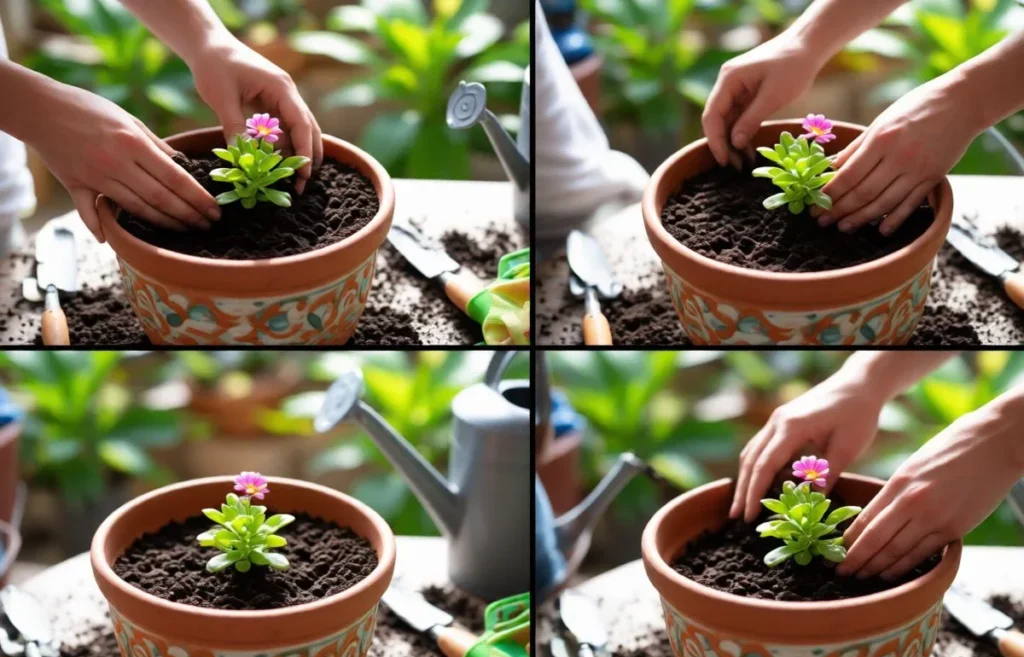
Preparing the pot is an important step in how to plant a flower in a flower pot. A clean, well-prepared pot helps flowers grow healthy and strong. Before adding soil or flowers, you must clean the pot and add drainage layers. These steps stop water from building up and keep roots safe. Let’s explore these steps for how to plant flowers in containers the right way.
Cleaning The Pot
Cleaning the pot removes dirt, old soil, and harmful germs. This step prevents diseases that can hurt your flowers. Whether the pot is new or used, cleaning is necessary for how to plant flower containers.
Follow these simple steps to clean your flower pot:
- Remove any old soil and plant debris.
- Wash the pot with warm water and mild soap.
- Use a scrub brush to clean hard spots and stains.
- Rinse the pot thoroughly to remove all soap.
- Disinfect the pot by soaking it in a mix of 1 part bleach to 9 parts water for 10 minutes.
- Rinse again and let the pot air dry completely.
Here is a quick guide in table form:
| Step | Action | Purpose |
|---|---|---|
| 1 | Remove old soil and debris | Prepare pot for cleaning |
| 2 | Wash with soap and water | Remove dirt and stains |
| 3 | Scrub hard spots | Deep clean the surface |
| 4 | Disinfect with bleach solution | Kills harmful germs |
| 5 | Rinse and dry | Safe for planting |
Clean pots help flowers grow better by reducing risks of disease. This is key in how to plant flower containers that last long and look beautiful.
Adding Drainage Layers
Drainage is vital in how to plant a flower pot. Without drainage, water can sit at the bottom and rot roots. Adding a drainage layer lets extra water escape and keeps flowers healthy.
Steps for adding drainage layers:
- Check if your pot has drainage holes at the bottom.
- Place a small piece of mesh or a coffee filter over the holes to stop soil from washing out.
- Add a 1-2 inch layer of drainage material like:
- Small stones or pebbles
- Broken pottery shards
- Expanded clay pellets
- Coarse sand
This layer helps water flow through the soil and drain away. It also prevents soil from clogging the holes.
Use this table to choose the best drainage material:
| Material | Benefits | Notes |
|---|---|---|
| Small stones/pebbles | Easy to find, good water flow | Clean before use |
| Broken pottery shards | Recycles old pots, good drainage | Sharp edges, handle carefully |
| Expanded clay pellets | Lightweight, reusable | Can be expensive |
| Coarse sand | Improves drainage | Mix with other layers |
After adding the drainage layer, you can add soil and plant your flowers. This step is very important in how to plant flowers in a planter to avoid overwatering problems.
Planting The Flower
Planting the flower is the most exciting part of learning how to plant a flower in a flower pot. This step sets the stage for healthy growth and beautiful blooms. Proper planting helps the flower establish roots quickly and makes sure it gets the right support. Whether you are planting flowers in containers for the first time or refreshing an old planter, the right technique matters. Knowing how to plant flower containers correctly can make your effort more rewarding.
Positioning The Plant
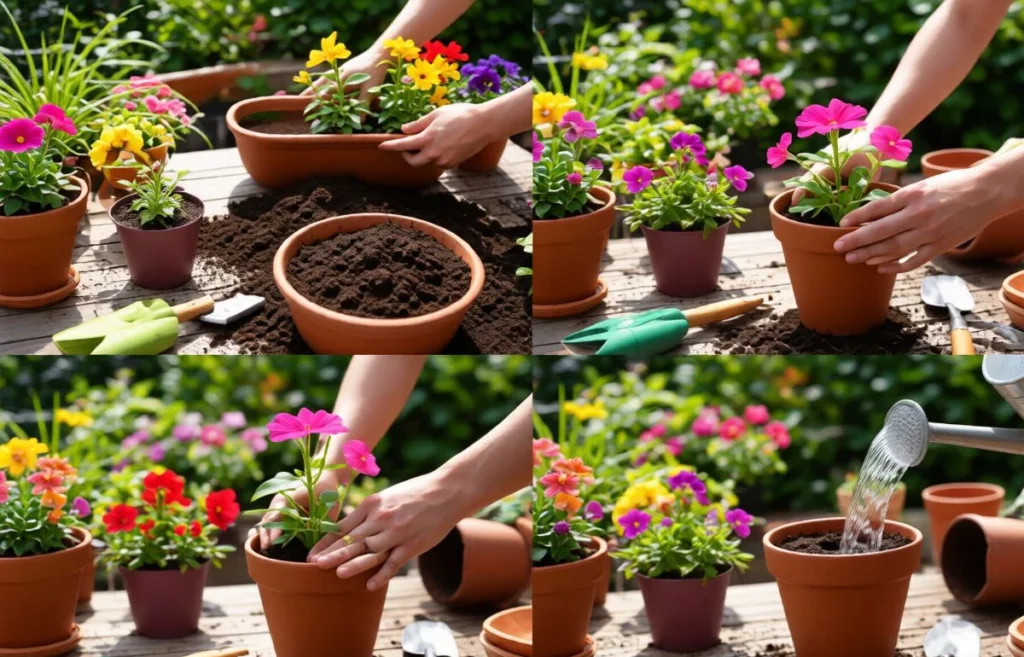
Positioning the plant in the flower pot is crucial for its survival and growth. Begin by gently removing the flower from its nursery pot. Hold the base of the plant carefully to avoid damaging the roots or stems. If the roots look tight or circling, gently loosen them with your fingers.
Next, place the plant in the center of the flower pot. Make sure the top of the root ball sits about an inch below the pot’s rim. This space allows room for watering and soil.
- Check that the plant stands upright and straight.
- Adjust the position until the plant feels stable.
- Ensure the roots are spread out, not bunched up.
Here is a quick checklist for positioning:
| Step | Action |
|---|---|
| 1 | Remove flower from nursery pot |
| 2 | Loosen tight roots gently |
| 3 | Place plant in center of flower pot |
| 4 | Adjust so root ball is 1 inch below rim |
| 5 | Make sure plant stands straight |
Positioning right is the first key to successful how to plant flowers in containers. It helps the flower grow evenly and look beautiful.
Filling With Soil
Filling the flower pot with soil is the next important step in how to plant a flower pot. Use fresh potting soil made for flowers or containers. Avoid garden soil as it can be too heavy and may not drain well.
Start by adding soil around the root ball carefully. Hold the plant steady and fill the pot with soil, pressing gently to remove air pockets. Air pockets can dry out roots or cause instability.
- Fill soil up to about an inch below the pot rim.
- Do not pack the soil too tightly; roots need space to breathe.
- Leave space on top for watering.
Use this simple guide to fill the pot:
- Place some soil at the bottom of the pot.
- Set the plant in position.
- Fill soil around roots gently.
- Press soil lightly to remove air pockets.
- Leave 1 inch space from rim for watering.
Good soil filling ensures the plant gets nutrients and water properly. This step makes a big difference in how to plant flower containers successfully. Healthy soil means healthy flowers!
Watering Techniques
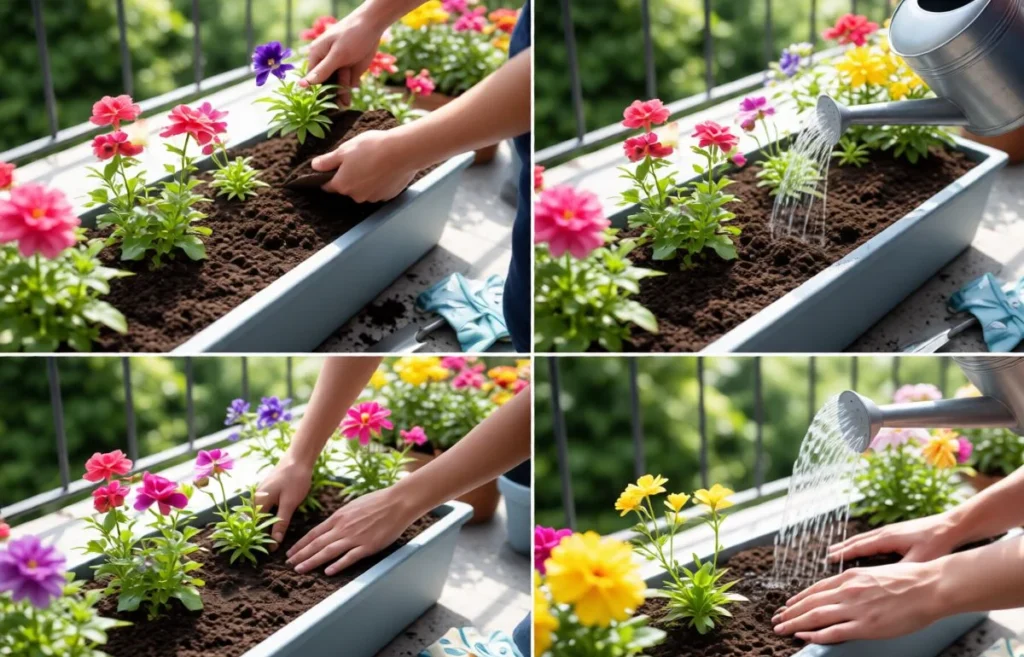
Watering is a key step in how to plant a flower in a flower pot. It helps flowers settle into their new home and grow strong. Proper watering keeps the soil moist but not soggy. This section covers two important parts: Initial Watering and Ongoing Care. These tips help your flower pot stay healthy and full of life.
Initial Watering
Right after you plant flowers in containers, giving them the right amount of water is crucial. It helps the roots connect with the soil and reduces transplant shock. Use a watering can with a gentle spray to avoid washing away soil.
- Water deeply: Soak the soil until water drains from the pot’s bottom.
- Check drainage: Make sure excess water can escape to prevent root rot.
- Use room temperature water: Cold water can shock the roots.
Here’s a simple guide for watering newly potted flowers:
| Step | Action | Why |
|---|---|---|
| 1 | Water until soil is moist 2-3 inches deep | Ensures roots receive enough moisture |
| 2 | Let water drain completely | Prevents overwatering and root damage |
| 3 | Check soil surface after 30 minutes | Adjust watering if soil feels dry or soggy |
Remember: Proper initial watering sets a strong foundation. It helps you succeed in how to plant flower containers that thrive.
Ongoing Care
Keeping flowers healthy in a planter means regular and careful watering. Different flowers and pots need different water amounts. Soil type, weather, and plant size all affect watering needs.
Use these tips for ongoing watering care:
- Check soil moisture: Stick your finger 1-2 inches into the soil. Water only if it feels dry.
- Water early or late: Water in the morning or evening to reduce evaporation.
- Use consistent amounts: Avoid sudden drenching or drying out.
- Adjust for weather: Water more during hot, dry days; less when it rains.
- Watch for signs of over or under watering: Yellow leaves, drooping, or mold indicate problems.
Here’s a quick comparison of watering needs for common flower pots:
| Pot Size | Water Frequency | Water Amount |
|---|---|---|
| Small (6-8 inches) | Every 2-3 days | 1/4 to 1/2 cup |
| Medium (10-12 inches) | Every 3-4 days | 1/2 to 1 cup |
| Large (14+ inches) | Every 4-5 days | 1 to 2 cups |
Mastering how to plant flowers in a planter depends on good watering habits. Careful watering keeps your flowers healthy and colorful all season long.
Maintaining Your Potted Flower
Knowing how to plant a flower in a flower pot is just the first step to enjoying beautiful blooms. Maintaining your potted flower keeps it healthy and vibrant over time. Potted plants need regular care because their soil and space are limited. Learning simple habits helps your flowers grow strong and last longer. Two key parts of care are feeding your plant right and managing its growth by pruning. These steps make your flower pot look fresh and full of life all season.
Fertilizing Schedule
Fertilizing is important for how to plant flowers in containers. Potted plants use up nutrients quickly, so feeding them regularly helps. Use a balanced fertilizer made for flowering plants. Follow these tips for a good fertilizing routine:
- Start fertilizing about two weeks after planting the flower pot.
- Choose liquid or slow-release fertilizer. Liquid feeds fast, slow-release lasts longer.
- Feed once every 2-4 weeks during the growing season (spring to early fall).
- Stop fertilizing in late fall or winter when the plant rests.
Here is a simple fertilizing schedule you can follow:
| Month | Fertilizing Action |
|---|---|
| March – April | Begin fertilizing every 2 weeks |
| May – August | Continue fertilizing every 2-4 weeks |
| September – October | Fertilize once a month |
| November – February | No fertilizing – plant rests |
Remember: Too much fertilizer can burn roots. Follow package directions carefully. Water the plant well after feeding to spread nutrients evenly in the soil.
Pruning And Deadheading
Pruning and deadheading are key to growing healthy flowers in a pot. These actions help plants focus energy on new blooms and prevent disease. Knowing how to plant flower containers means also learning how to keep them tidy.
Pruning means cutting back overgrown or damaged parts of your plant. Use clean scissors or pruning shears to avoid harm. Prune by:
- Removing dry or yellow leaves
- Cutting leggy stems to encourage bushier growth
- Trimming any dead or broken branches
Deadheading is removing spent flowers. This stops the plant from making seeds and pushes it to bloom again. Follow these steps:
- Pinch or cut off faded flowers just above the first set of healthy leaves.
- Check your flower pot every few days for dead blooms.
- Dispose of dead flowers to keep the soil clean.
Regular pruning and deadheading keep your flower pot neat and colorful. They also improve air flow and sunlight reaching the plant. This helps prevent pests and diseases. Practicing these care tips after learning how to plant flowers in a planter ensures your potted flower stays lively and beautiful.
Frequently Asked Questions
How Deep Should I Plant Flowers In A Flower Pot?
Plant flowers about twice as deep as the root ball size. This helps roots grow well and keeps the plant stable.
What Type Of Soil Is Best For Potted Flowers?
Use potting soil made for flowers. It drains water well and has nutrients for healthy growth.
How Often Should I Water Flowers In A Pot?
Water when the top inch of soil feels dry. Usually, every 2-3 days is enough, depending on weather.
Can I Plant Different Flowers In One Pot?
Yes, but choose flowers with similar water and light needs. It keeps all plants happy and growing well.
What Size Flower Pot Is Ideal For Planting?
Pick a pot at least 6 inches wider than the plant’s root ball. Bigger pots give roots space to grow.
How Much Sunlight Do Potted Flowers Need Daily?
Most flowers need 4-6 hours of sunlight each day. Check your flower’s light needs before placing the pot.
Should I Add Fertilizer To Potted Flowers?
Yes, use a balanced, water-soluble fertilizer every 4-6 weeks. It helps flowers get the nutrients they need.
Conclusion
Planting flowers in pots brings joy and color to any space. Choose the right pot and soil for healthy growth. Water your flower regularly but avoid overwatering. Place the pot where the flower gets enough sunlight. Watch your flower grow and bloom with care.
Small steps lead to a beautiful garden. Enjoy the process and feel proud of your work. Gardening in pots is easy and fun for everyone. Start today and brighten your home with fresh flowers.