

Are you struggling to find the perfect plants that thrive in your shady garden spots? You’re not alone.
Many gardeners give up on shady areas, thinking nothing will grow there. But the truth is, there are plenty of beautiful perennials that love the shade and can bring your garden to life. Imagine lush greenery and colorful blooms brightening even the darkest corners of your yard.
You’ll discover the best perennials for shade that are easy to grow and maintain. Keep reading to transform your shady spaces into stunning garden highlights.
Top Shade-tolerant Perennials
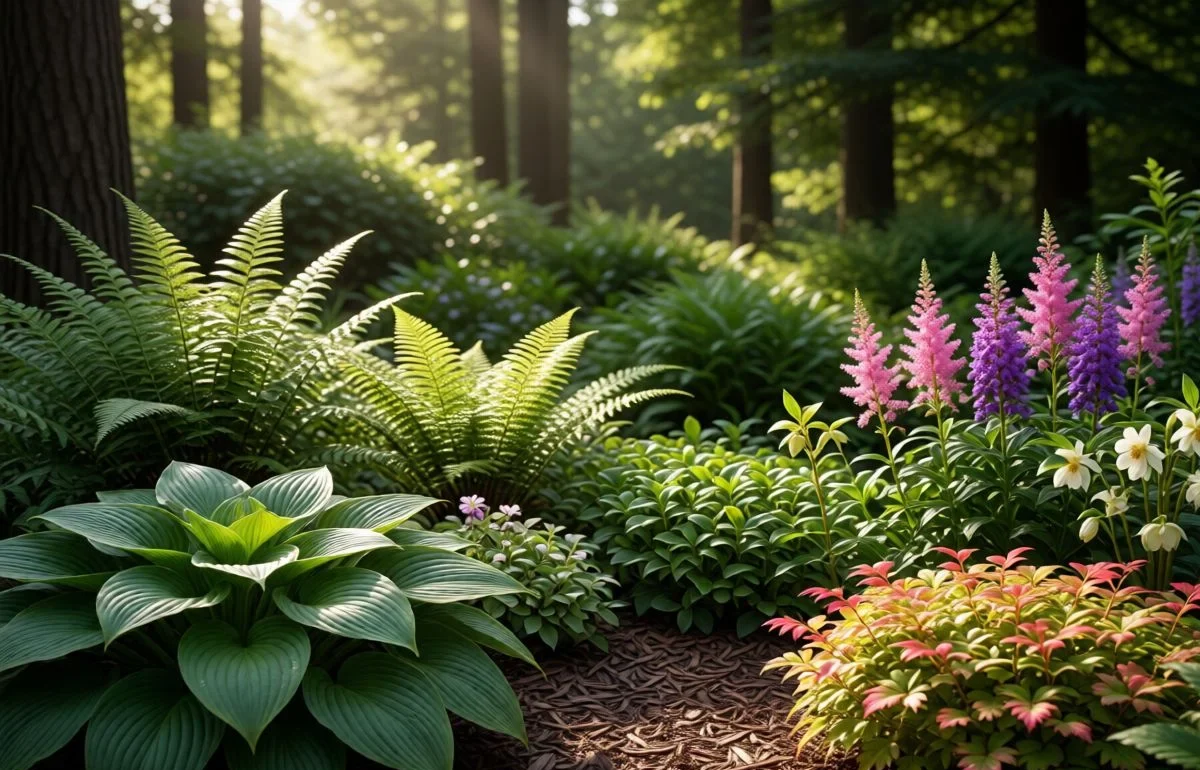
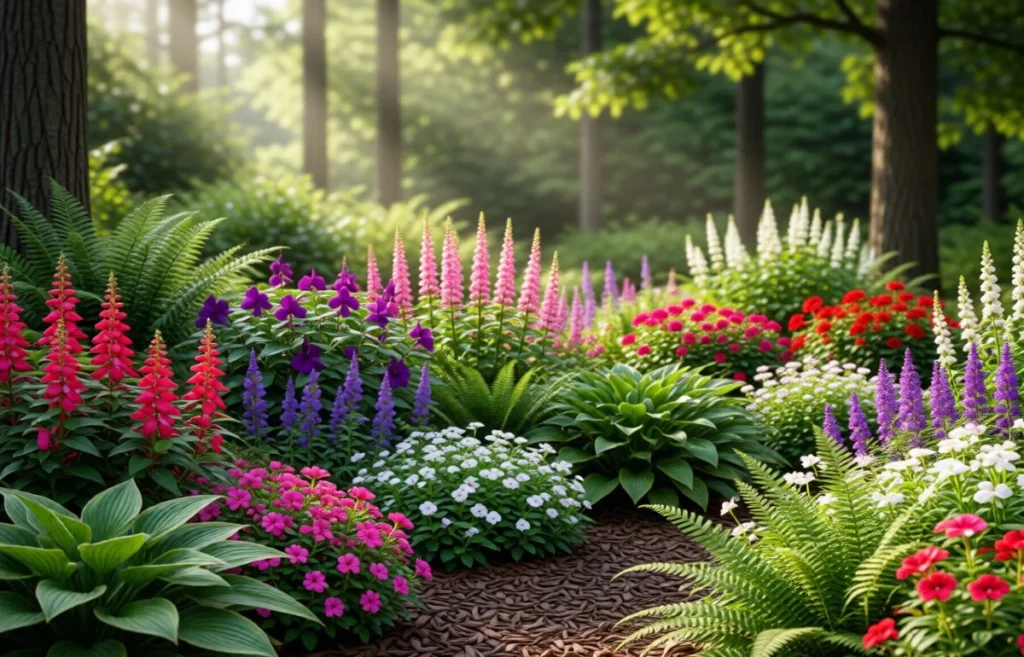
Finding the best perennials for the shade can transform a dull, dark garden into a vibrant space. Many plants struggle without sunlight, but some garden perennials for shade thrive and bloom beautifully. These perennials for shade that bloom all summer provide color and life where sun is scarce. They are perfect for spots under trees or beside tall buildings. Discovering the right flowers that grow in the shade means your garden stays lively and colorful year-round.
Astilbe: Bright Feathers For Shady Gardens
Astilbe has feathery plumes in white, pink, red, or purple. It grows well in moist, shady soil. This plant adds texture and color to dark corners. Astilbe is low-maintenance and deer resistant. It flowers from late spring to early summer, offering continuous beauty.
Hosta: The Classic Shade-lover
Hostas are famous for their lush, broad leaves. They come in many shades of green, blue, and variegated patterns. Hostas thrive in deep shade and need little care. They also produce delicate flowers in summer. These plants make excellent ground cover and border plants.
Foamflower (tiarella): Delicate And Durable
Foamflower has soft, star-shaped blooms in white or pink. It prefers cool, moist shade and spreads easily to fill gaps. This perennial offers lovely foliage with patterns and colors. Foamflower blooms in spring but stays attractive all season.
Bleeding Heart (dicentra): Romantic And Unique
Bleeding Heart has heart-shaped pink or white flowers hanging on arching stems. It loves cool shade and rich soil. This plant blooms in spring and early summer, adding charm to shady spots. It dies back in summer but returns each year.
Japanese Forest Grass (hakonechloa): Graceful Ground Cover
Japanese Forest Grass has flowing, bamboo-like leaves. It grows well in part to full shade and adds movement to the garden. This grass turns golden in fall, creating seasonal interest. It’s low maintenance and deer resistant.
| Perennial | Bloom Time | Shade Level | Soil Preference |
|---|---|---|---|
| Astilbe | Late Spring to Early Summer | Partial to Full Shade | Moist, Well-drained |
| Hosta | Summer | Deep Shade | Rich, Moist |
| Foamflower (Tiarella) | Spring | Partial Shade | Moist, Well-drained |
| Bleeding Heart (Dicentra) | Spring to Early Summer | Partial to Full Shade | Rich, Moist |
| Japanese Forest Grass (Hakonechloa) | Foliage Interest Year-round | Partial to Full Shade | Moist, Well-drained |
Table of Contents
Choosing Plants By Soil Type
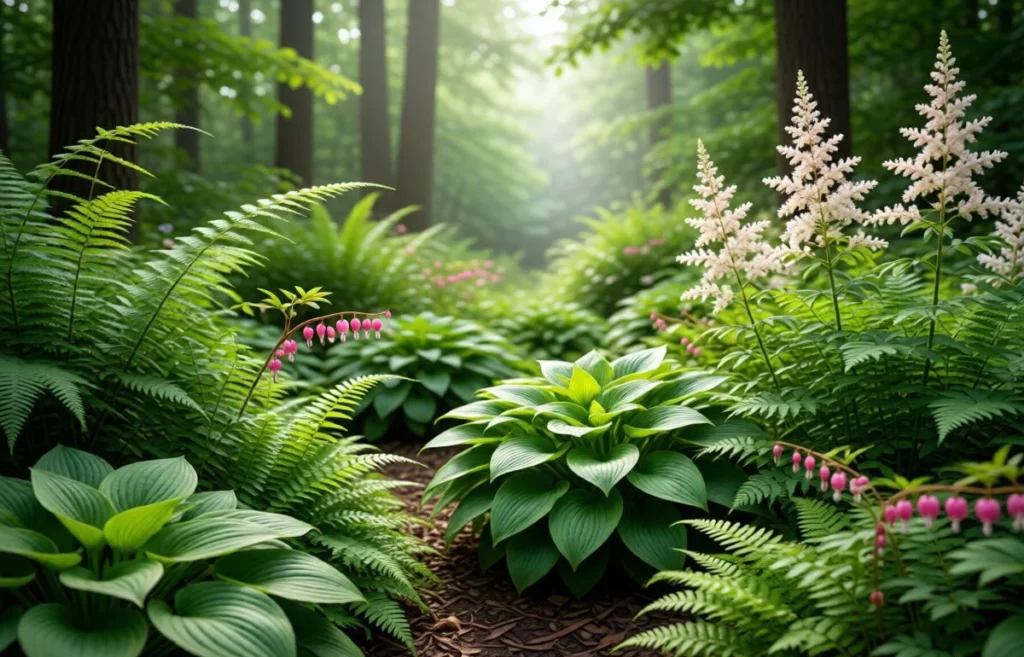
Choosing the right soil type is key for growing the best perennials for the shade. Different perennials for shade that bloom all summer prefer different soil conditions. Knowing your soil helps pick flowers that love the shade and will thrive. It also ensures flowers that grow in the shade get the nutrients they need. Understanding soil helps create a healthy bed of garden perennials for shade that last year after year.
Clay Soil
Clay soil holds water well but drains slowly. It can be heavy and hard for roots to grow. Select perennials that tolerate moist, dense soil.
- Hostas: Thrive in rich clay soil with good moisture.
- Astilbe: Prefers moist soil and adds bright colors.
- Solomon’s Seal: Grows well in dense clay conditions.
Improve clay soil by adding organic matter like compost to loosen it. This helps roots breathe and grow stronger.
Sandy Soil
Sandy soil drains quickly and dries out fast. It often lacks nutrients. Choose perennials that survive in well-drained, dry soil.
- Bleeding Heart: Adapts to sandy soil if watered regularly.
- Foamflower: Tolerates dry, sandy conditions in shade.
- Lungwort: Prefers well-drained sandy soil and shade.
Mix organic matter into sandy soil to improve water retention and nutrient supply.
Loamy Soil
Loamy soil is the best for many garden perennials for shade. It holds moisture and drains well. It contains a balance of sand, silt, and clay.
- Coral Bells: Flourishes in nutrient-rich loam.
- Japanese Forest Grass: Enjoys fertile, well-drained soil.
- Bleeding Heart: Performs best in loamy soil.
Loamy soil usually does not need much improvement. Mulch can help retain moisture and protect roots.
Acidic Vs. Alkaline Soil
Soil pH affects how well flowers that love the shade absorb nutrients. Test soil pH before planting.
| Soil Type | pH Range | Suitable Shade Perennials |
|---|---|---|
| Acidic | 5.0 – 6.5 | Azaleas, Rhododendrons, Ferns |
| Neutral to Alkaline | 6.5 – 7.5 | Hostas, Bleeding Heart, Coral Bells |
Adjust soil pH with lime for alkaline or sulfur for acidic soils to suit your plants.
Low Maintenance Shade Plants
Finding the best perennials for the shade can brighten any dark corner. Shade areas often challenge gardeners. Choosing perennials for shade that bloom all summer keeps color vibrant. Plants that thrive in low light need less care. Flowers that love the shade offer beauty without constant attention. These flowers that grow in the shade create lush, green spaces. They are perfect for busy gardeners who want easy care. Discovering garden perennials for shade that are low maintenance means more time enjoying your yard.
What Makes A Plant Low Maintenance In Shade?
Low maintenance shade plants need minimal watering and feeding. They resist pests and diseases well. These plants adapt to poor soil and low light. They grow steadily without much pruning. Choosing such plants reduces garden work. They thrive with little fuss and still look great.
Top Low Maintenance Perennials For Shade
| Plant Name | Bloom Time | Care Level | Notes |
|---|---|---|---|
| Hosta | Summer | Very Low | Varied leaf colors, tolerates deep shade |
| Astilbe | Summer | Low | Feathery flowers, prefers moist soil |
| Heuchera (Coral Bells) | Late Spring to Summer | Low | Colorful foliage, drought tolerant |
| Ferns | Non-flowering | Very Low | Great texture, loves shade and moisture |
| Lungwort (Pulmonaria) | Spring | Low | Spotted leaves, early bloom |
Care Tips For Low Maintenance Shade Perennials
- Water deeply but less often. This encourages strong roots.
- Mulch around plants. It keeps moisture and reduces weeds.
- Use slow-release fertilizer. Feed plants once or twice a year.
- Remove dead leaves. Keeps plants healthy and tidy.
- Divide crowded plants. Prevents overgrowth and boosts blooms.
Benefits Of Choosing Low Maintenance Shade Plants
- Save time and effort. Spend less time gardening.
- Enjoy year-round greenery. Many stay attractive across seasons.
- Enhance shady areas. Add color and texture where sun is scarce.
- Reduce water use. Ideal for eco-friendly gardens.
- Resist pests and diseases. Fewer chemicals needed.
Flowering Perennials For Dim Areas
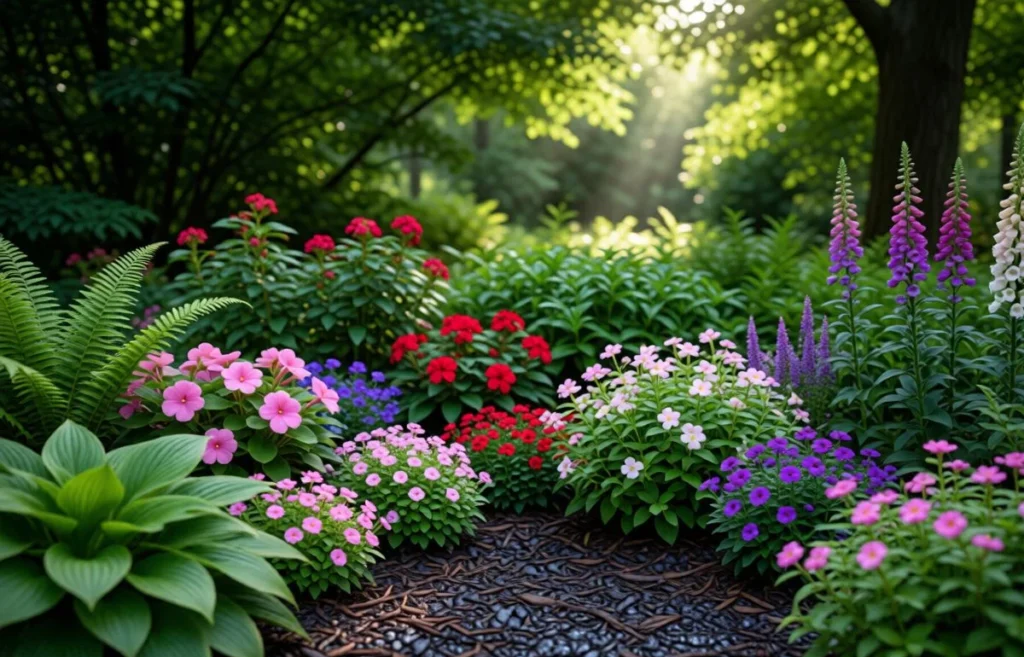
Choosing the best perennials for the shade is key to brightening up dim garden spots. Flowers that love the shade bring color and life to areas with little sunlight. Many garden perennials for shade bloom beautifully even in low light. These perennials for shade that bloom all summer keep your garden lively for months. Here is a list of flowers that grow in the shade and add charm to your shaded garden.
Astilbe: Feathery Blooms For Dim Spots
Astilbe thrives in shade and produces feathery, colorful plumes. It blooms in pink, white, red, or purple from late spring to summer. This perennial prefers moist soil and adds texture to shady beds. Astilbe is perfect for areas with filtered light or part shade.
Heuchera: Vibrant Foliage And Flowers
Heuchera, or coral bells, offers bright foliage in shades of green, purple, and silver. It also produces tiny bell-shaped flowers on tall stems. This plant grows well in shade and needs well-drained soil. Heuchera adds color even when not in bloom.
Bleeding Heart: Delicate Heart-shaped Flowers
Bleeding heart features unique, heart-shaped flowers that dangle from arching stems. The blooms appear in pink, white, or red during spring and early summer. It prefers cool, shady spots with rich, moist soil. This perennial adds charm and softness to shade gardens.
Japanese Forest Grass: Graceful Movement And Texture
Japanese forest grass is a shade-loving ornamental grass with fine, arching blades. It creates a soft, flowing effect in dim areas. This grass thrives in partial to full shade and well-drained soil. It works well as ground cover or border planting.
Table: Quick Overview Of Flowering Perennials For Shade
| Plant | Flower Color | Bloom Time | Soil Preference | Light Requirement |
|---|---|---|---|---|
| Astilbe | Pink, White, Red, Purple | Late Spring to Summer | Moist | Part Shade to Shade |
| Heuchera | Pink, White (Flowers) | Late Spring to Summer | Well-drained | Shade to Part Shade |
| Bleeding Heart | Pink, White, Red | Spring to Early Summer | Rich, Moist | Shade to Part Shade |
| Japanese Forest Grass | None (Foliage Plant) | Foliage Year-round | Well-drained | Shade to Part Shade |
Foliage Plants That Thrive In Shade
Best perennials for the shade bring life and color to dark garden spots. Many gardeners seek perennials for shade that bloom all summer, but foliage plants also play a vital role. Foliage plants that thrive in shade offer beautiful leaves and texture, even without many flowers. They add interest to areas where flowers that love the shade may not grow well. These plants complement flowers that grow in the shade and create lush, green corners. Choosing the right garden perennials for shade means mixing both blooms and leaves for a balanced look.
Hostas: The Classic Shade Lover
Hostas are top picks among best perennials for the shade. Their large, often variegated leaves brighten dark spots. Hostas come in many sizes and leaf colors, from deep green to blue-gray.
- Easy to grow and maintain
- Great for border planting
- Some varieties produce delicate flowers in summer
Ferns: Elegant And Hardy
Ferns bring a soft, feathery texture to shaded gardens. They perform well in moist, shady areas and need little care. Ferns can fill empty spaces with their unique foliage.
- Include varieties like Japanese Painted Fern and Lady Fern
- Ideal for woodland or natural-style gardens
- Enhance shade with deep green or silver leaves
Heuchera: Colorful Leaves Year-round
Heuchera, or coral bells, offer bright leaf colors all year. Their leaves range from purple to red and chartreuse, adding vibrant shades to shaded beds.
- Attract pollinators with small flowers
- Resist deer and rabbits
- Perfect for containers or ground cover
Tiarella: Shade’s Flowering Foliage
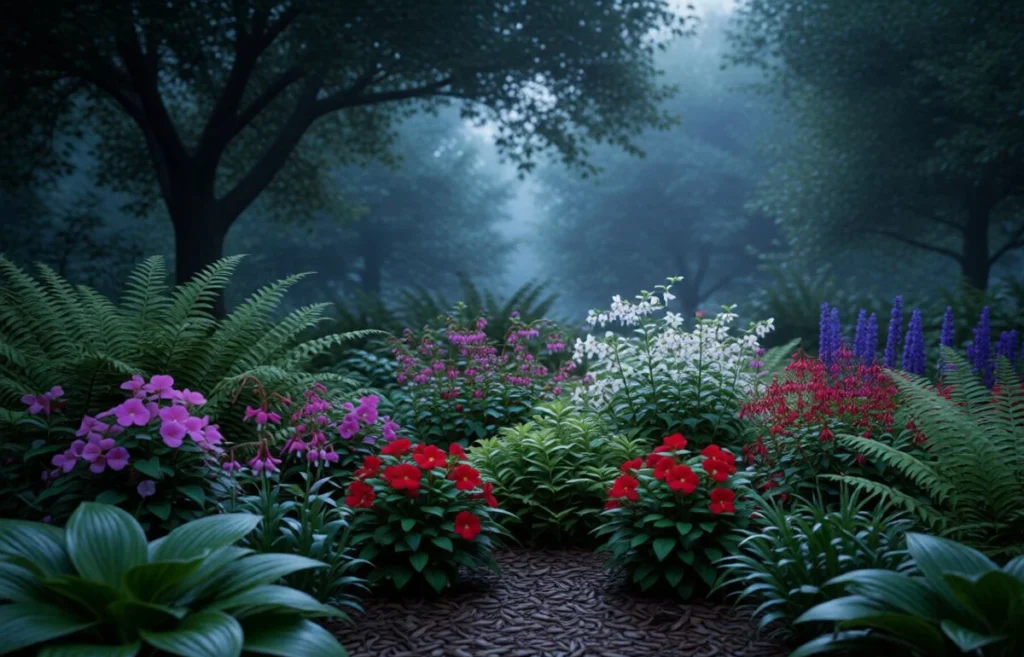
Tiarella combines pretty foliage with delicate flowers. Its leaves often show patterns or lobed edges. It blooms in spring and adds charm to any shady spot.
- Commonly called foamflower
- Works well in mixed shade gardens
- Spreads slowly, great for ground cover
Brunnera: Heart-shaped And Hardy
Brunnera has heart-shaped leaves and small blue flowers. It thrives in shade and tolerates cold climates. Its leaves often have attractive silver spots.
- Great companion for other shade perennials
- Easy to grow and long-lasting
- Brightens dark garden corners
| Plant | Leaf Color | Flower Season | Care Level |
|---|---|---|---|
| Hosta | Green, Blue, Variegated | Summer | Low |
| Fern | Green, Silver | None (Foliage Focus) | Low |
| Heuchera | Purple, Red, Chartreuse | Spring-Summer | Low |
| Tiarella | Green with patterns | Spring | Low |
| Brunnera | Green with silver spots | Spring | Low |
Combining Perennials For Visual Interest
Choosing the best perennials for the shade helps create a lively garden corner even in low light. Combining different garden perennials for shade adds depth and texture. Mixing perennials for shade that bloom all summer ensures your shaded areas stay colorful. Using flowers that love the shade and flowers that grow in the shade in groups makes your garden more attractive and interesting.
Mixing Different Leaf Shapes And Colors
Use plants with various leaf shapes and colors for a striking look. Broad leaves, narrow leaves, and variegated patterns create contrast. Shades of green with splashes of silver or purple catch the eye.
- Hostas with large, textured leaves
- Heucheras offering colorful foliage
- Ferns with delicate, feathery fronds
Combining these adds visual interest even when flowers are not blooming.
Layering Heights For Depth
Arrange perennials by height to add layers and dimension. Place taller plants at the back and shorter ones in front. This layout guides the eye and makes the space feel bigger.
- Tall: Astilbe or Solomon’s Seal
- Medium: Bleeding Heart or Foamflower
- Low: Lungwort or Wild Ginger
Layering helps showcase different plants and their unique features.
Combining Bloom Times For Continuous Color
Choose perennials for shade that bloom all summer and those that bloom at different times. This strategy keeps flowers appearing from spring to fall.
| Plant | Bloom Time | Color |
|---|---|---|
| Bleeding Heart | Spring | Pink or White |
| Astilbe | Early Summer | Red, Pink, White |
| Japanese Forest Grass | Summer to Fall | Green or Gold Leaves |
| Solomon’s Seal | Late Spring | White |
This mix ensures your garden stays colorful without gaps.
Seasonal Care Tips For Shade Gardens
Best perennials for the shade bring life to dim garden spots. These plants thrive without direct sun. Knowing seasonal care tips for shade gardens helps them bloom beautifully. Proper care keeps perennials for shade that bloom all summer healthy and colorful. Learning about flowers that love the shade and how to care for them ensures success. This guide covers essential tasks for flowers that grow in the shade and garden perennials for shade through the seasons.
Spring Care For Shade Perennials
Spring is the start of growth for most shade plants. Remove dead leaves and mulch from beds. This clears space for new shoots. Apply a balanced fertilizer to boost growth. Water plants regularly, but avoid soggy soil.
- Clean garden beds
- Apply slow-release fertilizer
- Check soil moisture
- Divide crowded plants
Summer Tips For Shade Gardens
Shade gardens need consistent moisture in summer. Water early morning or late afternoon to reduce evaporation. Mulch helps keep soil cool and moist. Watch for pests that hide in dense shade. Deadhead spent blooms to encourage more flowers.
- Water deeply 2-3 times per week
- Apply 2-3 inches of mulch
- Inspect plants weekly for pests
- Remove faded flowers regularly
Fall Preparation For Shade Perennials
Fall readies perennials for winter rest. Cut back dying stems to prevent disease. Add organic compost to enrich soil. Reduce watering as temperatures drop. Protect tender plants with leaf mulch or fabric covers.
| Task | Purpose | Timing |
|---|---|---|
| Cut back dead foliage | Prevent disease and pests | Late fall |
| Add compost | Improve soil health | Early fall |
| Reduce watering | Prevent root rot | Mid to late fall |
| Protect tender plants | Shield from frost | Late fall |
Winter Care For Shade Gardens
Winter is a quiet time for shade perennials. Avoid walking on frozen soil to protect roots. Keep mulch in place for insulation. Remove heavy snow from branches to prevent breakage. Plan new plantings for early spring.
- Limit foot traffic on beds
- Maintain mulch layer
- Clear heavy snow gently
- Prepare soil for spring planting
Frequently Asked Questions
What Are The Best Perennials For Deep Shade Gardens?
Hostas, ferns, and astilbes thrive in deep shade. They need little sunlight and add lush greenery. These plants also bring texture and color to shady areas.
How Do Perennials Survive In Low Light Conditions?
Shade perennials adapt by growing larger leaves to catch more light. They also grow slower and need less water. This helps them stay healthy with less sunlight.
Can Shade Perennials Bloom Without Direct Sunlight?
Yes, many shade perennials bloom in indirect light. Plants like bleeding hearts and hellebores produce flowers in shaded spots. Their blooms add color without full sun.
Which Perennials Attract Wildlife In Shady Areas?
Coral bells and foamflower attract bees and butterflies in shade. These plants provide nectar and shelter for pollinators. They help support garden wildlife naturally.
How Often Should Shade Perennials Be Watered?
Shade perennials need regular watering but not too much. Soil should stay moist but not soggy. Check soil often and water when it feels dry.
Are Shade Perennials Low Maintenance Plants?
Most shade perennials require little care once established. They need occasional watering and some leaf cleanup. These plants are good for easy, low-effort gardening.
Can I Mix Shade Perennials With Shade-tolerant Shrubs?
Yes, mixing perennials with shrubs creates variety and interest. Shrubs like azaleas pair well with shade perennials. This combination adds height and color to shade gardens.
Conclusion
Choosing the best perennials for shade brightens any dark garden spot. These plants bring color and life where sunlight is limited. They need less care and still look great all season. Mixing different types keeps your garden interesting and full of texture.
Try planting hostas, ferns, or astilbes for easy beauty. Shade gardens can be just as vibrant as sunny ones. Start with these perennials and enjoy a lively, shady retreat. Your garden will thank you with blooms and green leaves year after year.