
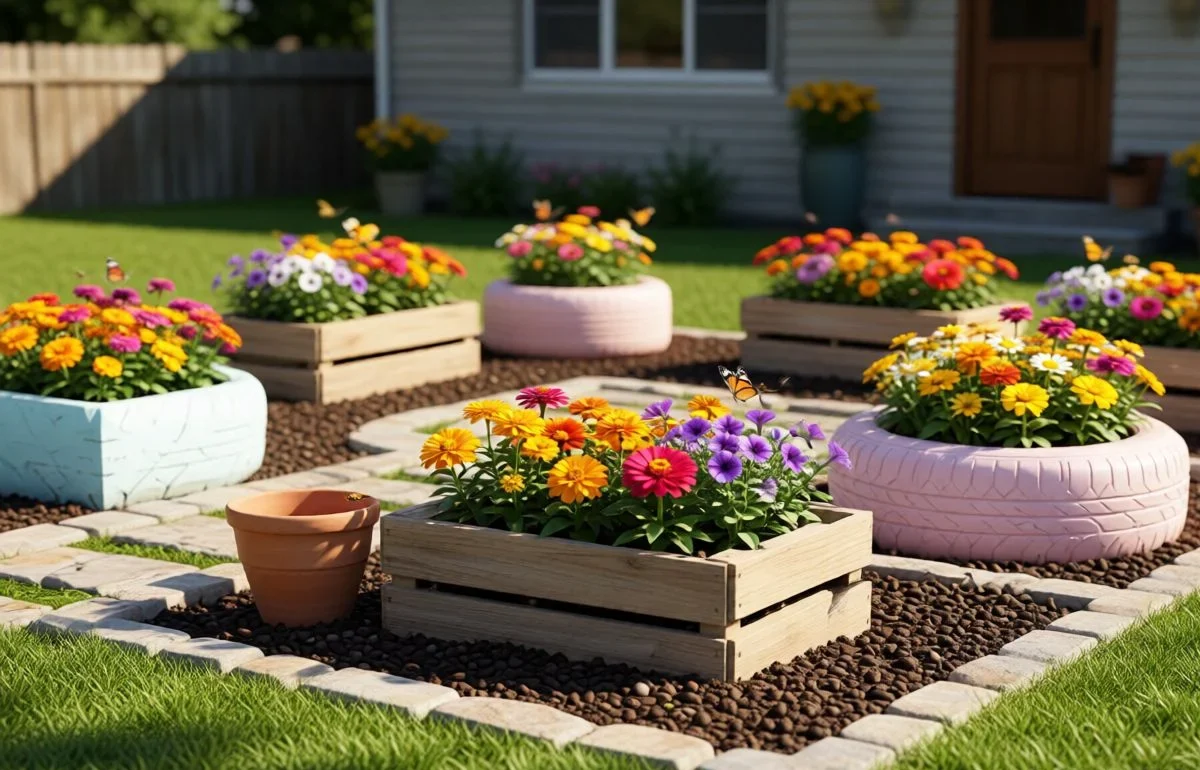

Are you looking to brighten up your garden or outdoor space? Outdoor plants and flowers can transform any area into a lively, colorful retreat.
Whether you have a large backyard or a small balcony, choosing the right plants can make all the difference. Imagine stepping outside to a fresh burst of nature every day—it’s easier than you think. You’ll discover simple tips and ideas to help your outdoor plants thrive and bring your space to life.
Keep reading to find out how to create your perfect garden oasis!
Choosing Outdoor Plants
Choosing outdoor plants is an important step for a thriving garden full of life and color. Picking the right outdoor plants and flowers ensures they grow well and stay healthy. Many gardeners ask, what plants are easy to grow and which ones fit their garden conditions. It helps to know about the climate, soil, and sunlight in your area. This knowledge guides you to select flowers for beginner gardeners or even unique choices like flowers that start with i. Simple cheap flower bed ideas also work best when the plants suit the environment perfectly.
Climate Considerations
Climate plays a big role in choosing outdoor plants and flowers. Plants need the right temperature and humidity to survive and bloom. Some plants thrive in hot, dry weather. Others need cooler, moist climates. Understanding your local climate helps pick plants that will grow strong without much extra care.
- Temperature zones: Know your USDA hardiness zone. It shows which plants survive winter cold.
- Rainfall: Some plants need frequent watering, others tolerate drought.
- Frost dates: Avoid planting before the last frost to protect young plants.
Here is a simple table showing plant types based on climate:
| Climate Type | Best Outdoor Plants | Example Flowers |
|---|---|---|
| Hot and Dry | Drought-tolerant plants | Lavender, Sedum, Ice plant |
| Cool and Moist | Moisture-loving plants | Ferns, Hostas, Impatiens |
| Temperate | Wide range of plants | Roses, Tulips, Iris |
Choosing plants suited to your climate reduces the need for extra watering and care. It also helps your garden look its best all year round.
Table of Contents
Soil Types
Soil type affects how well outdoor plants grow. Different plants like different soils. Some prefer sandy soil, which drains water fast. Others grow better in clay or loamy soil, which holds water and nutrients.
- Sandy soil: Drains quickly but needs extra watering.
- Clay soil: Holds water but can cause root problems if too wet.
- Loamy soil: Balanced mix, ideal for most plants.
Testing your soil helps you pick plants that match its type. Here are tips for choosing plants based on soil:
- Check soil texture by feeling it between your fingers.
- Use a soil test kit to measure pH and nutrients.
- Choose plants that thrive in your soil’s conditions.
For example, simple cheap flower bed ideas can include plants that fit your soil, saving money on soil changes. Some flowers for beginner gardeners, like marigolds and zinnias, do well in many soils.
| Soil Type | Characteristics | Recommended Plants |
|---|---|---|
| Sandy | Drains fast, low nutrients | Lavender, Sedum, Ice plant |
| Clay | Holds water, dense | Daylilies, Coneflowers, Black-eyed Susan |
| Loamy | Balanced moisture, nutrient rich | Roses, Tulips, Daffodils |
Sunlight Requirements
Sunlight is vital for outdoor plants and flowers. Different plants need different amounts of sun. Some thrive in full sun, while others prefer shade or partial sun.
- Full sun: At least 6 hours of direct sunlight daily.
- Partial sun/shade: 3 to 6 hours of sunlight.
- Full shade: Less than 3 hours of direct sunlight.
Choosing plants based on sunlight helps them grow healthy and bloom well. For example, flowers for beginner gardeners like impatiens do best in shade or partial sun. Others, like sunflowers, need full sun.
Simple cheap flower bed ideas work better when sunlight needs match your garden spots. Here is a quick guide:
| Sunlight Level | Plant Examples | Care Tips |
|---|---|---|
| Full Sun | Sunflowers, Marigolds, Zinnias | Water deeply, watch for heat stress |
| Partial Sun/Shade | Impatiens, Begonias, Astilbes | Keep soil moist, avoid harsh afternoon sun |
| Full Shade | Hostas, Ferns, Bleeding Hearts | Provide rich soil, protect from wind |
Popular Outdoor Flowers
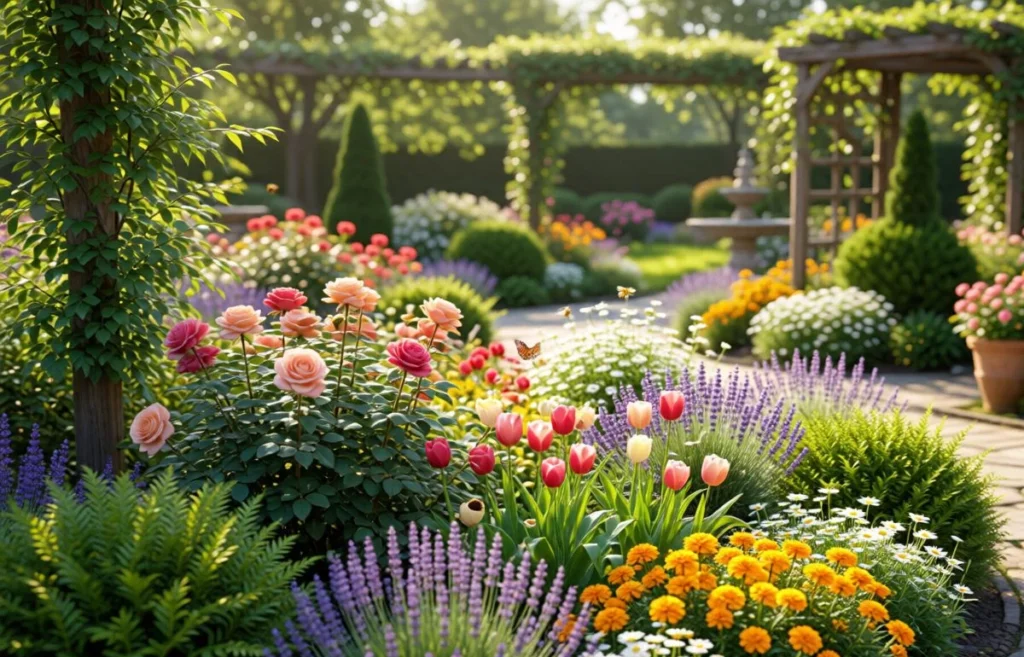
Outdoor plants and flowers bring life and color to any garden or yard. Popular outdoor flowers brighten spaces and attract pollinators like bees and butterflies. Gardeners often ask about flowers that start with I, simple cheap flower bed ideas, and what plants are easy to grow. Many outdoor flowers fit these needs. Choosing the right flowers for beginner gardeners can make gardening fun and rewarding. Below, explore three main types of popular outdoor flowers: perennials, annuals, and bulbs.
Perennials
Perennials are plants that grow back every year without needing to be replanted. They are a favorite among gardeners because they save time and money. Many perennials provide beautiful blooms through several seasons. They are perfect for creating lasting flower beds that do not require constant replanting.
Popular perennial flowers include:
- Black-eyed Susan
- Daylilies
- Hostas
- Lavender
- Peonies
These plants are hardy and easy to care for. They tolerate different weather conditions well. Perennials are ideal for outdoor plants and flowers that need less maintenance. Many perennials attract butterflies, making the garden lively and colorful.
| Perennial Flower | Bloom Time | Sunlight Needs | Water Needs |
|---|---|---|---|
| Black-eyed Susan | Summer to Fall | Full Sun | Medium |
| Daylilies | Late Spring to Summer | Full Sun to Partial Shade | Low to Medium |
| Lavender | Summer | Full Sun | Low |
Annuals
Annual flowers complete their life cycle in one growing season. They grow, bloom, and die in the same year. Annuals bring bright and bold colors to gardens quickly. These flowers are perfect for gardeners who want instant color changes or seasonal displays.
Common annual flowers include:
- Marigolds
- Petunias
- Impatiens
- Sunflowers
- Zinnias
Annuals are great for simple cheap flower bed ideas. They are easy to grow and often bloom all summer long. Many annuals are flowers for beginner gardeners because they sprout quickly and show fast results. These plants also allow experimentation with colors and patterns.
| Annual Flower | Bloom Time | Sunlight Needs | Water Needs |
|---|---|---|---|
| Marigolds | Spring to Fall | Full Sun | Medium |
| Petunias | Spring to Fall | Full Sun | Medium |
| Impatiens | Summer | Partial Shade | High |
Bulbs
Bulbs are underground storage organs that grow into flowers each season. Many bulbs bloom in spring or fall. Bulbs are easy to plant and offer beautiful flowers for outdoor spaces. They work well for gardeners wanting seasonal bursts of color.
Popular bulbs include:
- Tulips
- Daffodils
- Crocuses
- Hyacinths
- Alliums
Bulbs suit simple cheap flower bed ideas. They need little care once planted. Many bulbs are flowers for beginner gardeners due to their low maintenance. Plant bulbs in the fall for spring blooms or in spring for summer blooms, depending on the type.
| Bulb | Bloom Time | Sunlight Needs | Water Needs |
|---|---|---|---|
| Tulips | Spring | Full Sun | Low to Medium |
| Daffodils | Early Spring | Full Sun to Partial Shade | Medium |
| Hyacinths | Spring | Full Sun to Partial Shade | Medium |
Planting Techniques
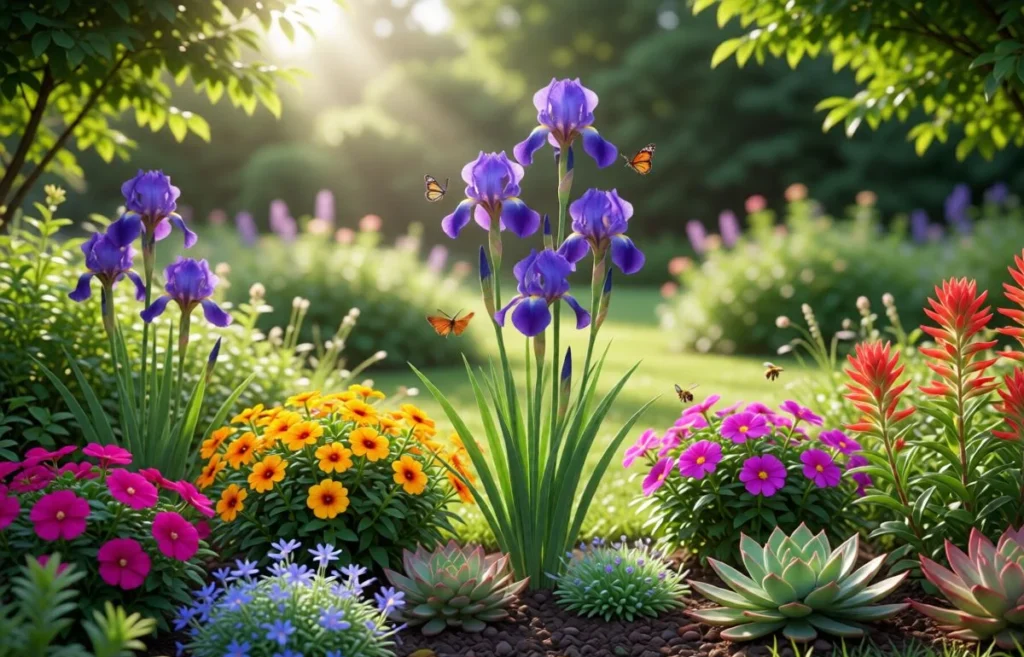
Planting outdoor plants and flowers requires more than just dropping seeds in the ground. Good planting techniques help your garden thrive and look beautiful. Whether you want to grow flowers that start with I or explore simple cheap flower bed ideas, understanding soil, spacing, and watering is key. These steps ensure your flowers grow strong and healthy. This section covers how to prepare soil, space plants, and water them properly. These tips work well for flowers for beginner gardeners and anyone wondering what plants are easy to grow.
Preparing The Soil
Healthy soil is the foundation for growing outdoor plants and flowers. Start by removing weeds, rocks, and old roots. Loosen the soil with a garden fork or tiller to allow roots to spread easily.
- Test the soil pH: Most flowers prefer a pH between 6.0 and 7.0.
- Add organic matter: Mix compost or aged manure to improve soil texture and nutrients.
- Check drainage: Soil should drain well but hold some moisture.
Use this simple table to understand soil types and their needs:
| Soil Type | Characteristics | Amendments Needed |
|---|---|---|
| Clay | Heavy, retains water | Add sand and organic matter |
| Sandy | Drains quickly, low nutrients | Add compost and peat moss |
| Loamy | Balanced texture and nutrients | Usually needs little amendment |
Preparing soil well helps plants take root and grow strong. It is a simple step that improves garden success.
Spacing And Depth
Correct spacing and planting depth matter for healthy outdoor plants and flowers. Crowded plants compete for water, light, and nutrients. Planting too deep or too shallow can stop growth.
Follow these rules:
- Check seed packets or plant labels for recommended spacing.
- Leave enough space for mature size, especially for what plants are easy to grow that spread fast.
- Plant seeds or seedlings at the depth suggested on the packaging.
- For bulbs, plant at a depth two to three times their size.
Use this spacing guide for common flowers:
| Flower Type | Spacing | Planting Depth |
|---|---|---|
| Marigolds | 8-12 inches | 1/4 inch (seeds) |
| Petunias | 12-18 inches | 1/4 inch (seeds) |
| Daffodils (bulbs) | 4-6 inches | 6 inches |
Proper spacing and depth help flowers grow strong and avoid disease. This tip is useful for flowers for beginner gardeners.
Watering Tips
Water is vital for outdoor plants and flowers to grow. The right watering keeps soil moist but not soggy. Overwatering or underwatering can harm plants.
Follow these watering tips:
- Water early in the morning to reduce evaporation.
- Use drip irrigation or soaker hoses for steady moisture.
- Check soil moisture by sticking your finger 1-2 inches deep.
- Water deeply to encourage deep roots.
- Adjust watering based on weather and plant needs.
Here is a simple watering schedule example:
| Plant Type | Watering Frequency | Amount Per Watering |
|---|---|---|
| Annual flowers | 2-3 times per week | 1 inch |
| Perennials | Once per week | 1-2 inches |
| Newly planted seeds | Daily (light watering) | Keep soil moist |
Good watering habits improve plant health and bloom quality. These tips help with simple cheap flower bed ideas and growing flowers that start with I.
Seasonal Care
Taking good care of outdoor plants and flowers through each season helps them grow strong and healthy. Seasonal care means adjusting your gardening tasks based on the time of year. This keeps your garden looking fresh and full of life all year round. From planting flowers that start with i to using simple cheap flower bed ideas, seasonal care makes your garden easier to manage. Knowing what plants are easy to grow and how to protect them through different weather helps even flowers for beginner gardeners thrive.
Spring Maintenance
Spring is the time to wake up your garden. Start by cleaning dead leaves and old plants. This clears space for new growth. Spring is perfect for planting bulbs and seeds. Choose flowers that start with i, like iris or impatiens, as they bloom well in this season.
- Remove weeds and dead plants
- Loosen soil to improve air and water flow
- Apply fresh compost or fertilizer
- Plant new flowers and shrubs
- Water plants regularly but avoid overwatering
Spring also calls for pruning to encourage healthy growth. Cut back damaged branches and old stems. This helps plants focus energy on new shoots. Use simple cheap flower bed ideas like using mulch or recycled materials to keep soil moist and reduce weeds.
| Task | Why It Matters | Tips |
|---|---|---|
| Cleaning | Removes pests and disease | Use gloves to protect hands |
| Pruning | Promotes new growth | Cut at a 45-degree angle |
| Planting | Sets stage for blooming | Choose easy plants for beginners |
Summer Care
Summer can be tough on outdoor plants and flowers. Hot sun and dry air cause stress. Watering is key. Water deeply early in the morning or late in the evening. This helps plants absorb moisture better.
- Check soil moisture daily
- Mulch to keep soil cool
- Deadhead flowers to promote more blooms
- Protect plants from strong winds
- Watch for pests like aphids and caterpillars
Choose what plants are easy to grow in summer, like marigolds or zinnias. These need less water and handle heat well. Use simple cheap flower bed ideas such as grouping plants with similar water needs. This saves water and keeps plants healthy.
| Summer Task | How to Do It | Benefits |
|---|---|---|
| Watering | Deep watering twice a week | Prevents drought stress |
| Mulching | Apply 2-3 inch layer | Keeps soil moist and cool |
| Deadheading | Remove spent flowers | Encourages more blooms |
Winter Protection
Cold weather can harm outdoor plants and flowers. Some plants die back naturally, but others need help. Protecting your garden in winter keeps it ready for spring. Cover plants with frost cloth or burlap to stop freezing damage.
- Mulch around roots to insulate soil
- Move potted plants indoors or to sheltered areas
- Prune dead branches to prevent breakage
- Reduce watering but don’t let soil dry out
- Use windbreaks to shield from harsh winds
Winter is a good time to plan next year’s garden. Use this season to research flowers for beginner gardeners and try new simple cheap flower bed ideas. Protecting plants now saves time and effort later.
| Winter Care Step | Purpose | Helpful Tip |
|---|---|---|
| Mulching | Protects roots from freeze | Use straw, leaves, or wood chips |
| Covering | Prevents frost damage | Use breathable materials |
| Pruning | Removes weak branches | Do after heavy frost |
Pest And Disease Control
Taking care of outdoor plants and flowers means protecting them from pests and diseases. These problems can harm your garden and stop plants from growing well. Knowing how to control pests and diseases helps keep your garden healthy and beautiful. This guide covers common pests, natural remedies, and easy ways to stop problems before they start. Whether you are planting flowers that start with I or trying simple cheap flower bed ideas, managing pests is key. This advice suits what plants are easy to grow and flowers for beginner gardeners.
Common Pests
Many pests attack outdoor plants and flowers. These bugs can eat leaves, suck plant juices, or spread disease. Knowing the usual culprits helps you spot problems fast.
- Aphids: Small, soft-bodied insects. They suck sap from stems and leaves, causing plants to weaken.
- Spider Mites: Tiny pests that live under leaves. They cause tiny yellow or brown spots.
- Slugs and Snails: These pests chew holes in leaves and flowers, especially at night.
- Whiteflies: Small white insects found on the undersides of leaves. They cause yellowing and leaf drop.
- Caterpillars: Larvae of moths and butterflies that eat leaves and flowers.
Here is a quick table showing common pests and their effects:
| Pest | Damage | Plants Often Affected |
|---|---|---|
| Aphids | Leaf curling, yellowing | Roses, tomatoes, many flowers |
| Spider Mites | Leaf spots, webbing | Outdoor flowers, shrubs |
| Slugs and Snails | Leaf holes, eaten petals | Hostas, lettuces, flowers |
| Whiteflies | Yellow leaves, stunted growth | Begonias, hibiscus |
| Caterpillars | Leaf and flower damage | Many garden plants |
Natural Remedies
Many natural remedies help control pests without harmful chemicals. These methods keep outdoor plants and flowers safe and healthy.
Try these options:
- Neem Oil: A natural pesticide that kills many insects but is safe for plants.
- Soap Spray: Mix mild soap and water. Spray on leaves to remove aphids and mites.
- Garlic or Chili Spray: Homemade sprays that repel insects.
- Encourage Beneficial Insects: Ladybugs and lacewings eat pests like aphids.
- Handpicking: Remove slugs, snails, and caterpillars by hand.
Here is a simple recipe for a soap spray:
1 tablespoon mild liquid soap 1 quart water Mix well and spray on affected plants.These remedies suit flowers for beginner gardeners and those using simple cheap flower bed ideas. They protect plants gently and keep your garden natural.
Preventative Measures
Stopping pests and diseases before they start saves time and effort. Use these easy steps to protect your outdoor plants and flowers:
- Choose Healthy Plants: Buy strong, disease-free plants or seeds.
- Plant Selection: Grow what plants are easy to grow in your climate for better success.
- Proper Spacing: Leave enough space between plants for air flow.
- Watering: Water at the base, not on leaves, to avoid mold and fungus.
- Clean Tools: Use clean gardening tools to avoid spreading disease.
- Remove Debris: Clear dead leaves and plants to prevent pest hiding spots.
Maintaining garden health reduces pests and disease. These steps work well for flowers that start with I and all other types. Following simple rules helps keep your garden thriving and beautiful.
Designing Outdoor Spaces
Designing outdoor spaces is a fun way to bring life and color to your garden. Using outdoor plants and flowers can change the whole feel of your yard. With the right choices, you can create a beautiful area that suits your style and needs. Whether you want a quiet spot or a lively garden, planning is key. This guide helps you with color combinations, plant arrangement, and incorporating hardscapes. It is perfect for those who want simple cheap flower bed ideas or wonder what plants are easy to grow. Even flowers for beginner gardeners fit well in these designs.
Color Combinations
Choosing the right colors makes your garden stand out. Mix and match colors to create harmony or contrast. Think about the mood you want. Bright colors like red and yellow create energy. Soft colors like blue and white bring calm.
Here are some tips for color combinations:
- Complementary colors: Colors opposite on the color wheel (e.g., purple and yellow) create strong contrast.
- Analogous colors: Colors next to each other (e.g., blue, blue-green, and green) blend well.
- Monochromatic: Different shades of one color (e.g., light pink to dark pink) look elegant.
| Color Scheme | Effect | Example Flowers |
|---|---|---|
| Complementary | Vibrant and eye-catching | Orange marigolds and blue salvia |
| Analogous | Soft and pleasing | Pink petunias and red begonias |
| Monochromatic | Elegant and simple | Various shades of lavender |
Look for flowers that start with I, like impatiens, to add bright colors easily. Impatiens come in many shades and work well in shaded areas. Combining them with other flowers can bring depth to your color plan.
Plant Arrangement
Good plant arrangement helps your garden look neat and healthy. Group plants by height, color, and water needs. Put tall plants at the back. Short ones go in front. This lets all plants get sunlight and be seen.
Try these steps for arranging plants:
- Choose a focal point, like a large flower or a small tree.
- Place taller plants around or behind the focal point.
- Fill spaces with medium and low plants.
- Mix textures and leaf shapes for interest.
Using simple cheap flower bed ideas can save money. For example, plant clusters of the same flower to create a bold look. Use easy-care plants like marigolds and sunflowers. These are what plants are easy to grow and perfect for beginners.
Remember to leave space for growth. Crowded plants can get sick or die. Give each plant room to spread and breathe.
Incorporating Hardscapes
Hardscapes like paths, walls, and patios add structure to your garden. They create clear areas for plants and walking. Hardscapes also reduce soil erosion and help with water drainage.
Ideas to include hardscapes:
- Stone pathways: Guide visitors and protect plants.
- Wooden benches: Offer a place to rest and enjoy flowers.
- Retaining walls: Help with slopes and add height variation.
- Decorative rocks: Highlight flower beds and separate spaces.
Hardscapes match well with outdoor plants and flowers. For example, place a bench near a bed of flowers for beginner gardeners like daisies or pansies. This creates a cozy, easy-to-maintain spot. Combining soft plants and hard elements balances your garden and makes it inviting.
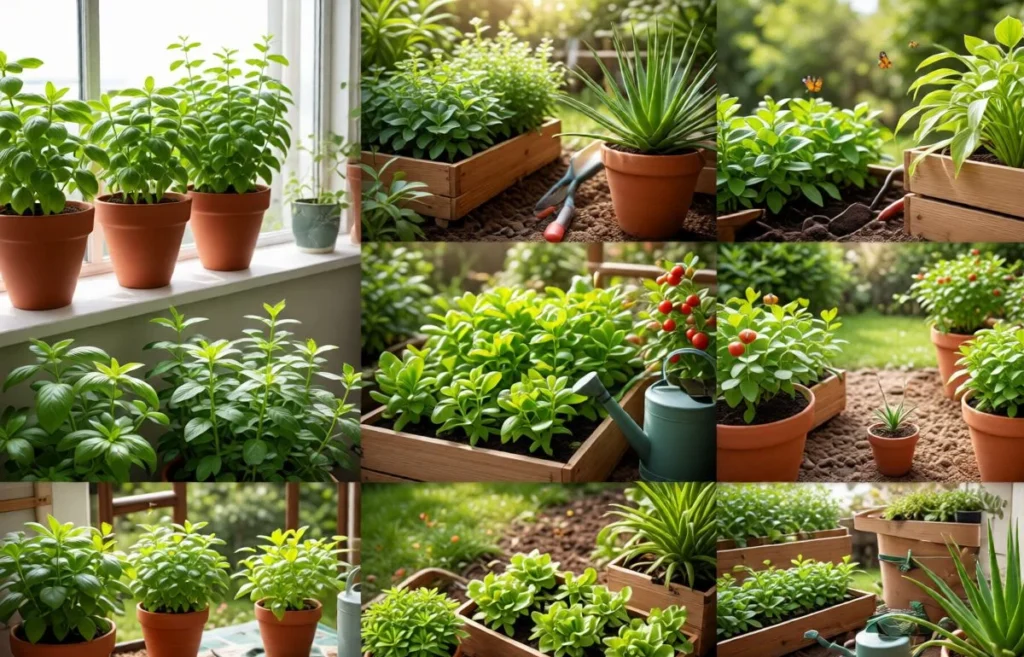
Sustainable Gardening
Creating a beautiful garden with outdoor plants and flowers is rewarding. Sustainable gardening protects the environment and saves resources. It focuses on healthy soil, water conservation, and using native plants. This way, gardens stay vibrant with less work and cost. Even beginners can start by choosing the right flowers for beginner gardeners and simple cheap flower bed ideas. Sustainable gardening grows plants that thrive naturally and last long.
Water Conservation
Water is a key part of gardening. Sustainable gardening uses water wisely to help plants and save this precious resource. Outdoor plants and flowers need water, but not all need the same amount. Choosing plants that use less water makes a big difference.
- Use drip irrigation to deliver water directly to roots, reducing waste.
- Water early in the morning or late in the evening to avoid evaporation.
- Collect rainwater in barrels to use during dry times.
- Mulch around plants to keep soil moist and cool.
Here is a quick guide on water needs for common garden plants:
| Plant Type | Water Needs | Example |
|---|---|---|
| Low | Water once a week | Succulents, lavender |
| Medium | Water 2-3 times a week | Roses, marigolds |
| High | Water daily or every other day | Vegetables, impatiens |
Using these tips helps keep gardens healthy and saves water for other uses.
Native Plants
Native plants are those that grow naturally in your area. They fit well with the local climate and soil. Using native plants in your garden supports local wildlife like birds and bees. These plants usually need less water and care.
For example, if you want flowers that start with i, such as Indian Paintbrush, native options will grow better and require less effort.
- Adapted to local conditions: Resist pests and diseases easily.
- Support local wildlife: Provide food and shelter for insects and animals.
- Low maintenance: Need less fertilizer and water.
Here are some common native plants and their benefits:
| Native Plant | Benefits | Example Area |
|---|---|---|
| Black-eyed Susan | Attracts pollinators | Eastern US |
| Bluebonnet | Low water needs | Texas |
| Prairie Coneflower | Supports butterflies | Midwest |
Native plants help create a sustainable garden that lasts through seasons.
Organic Practices
Organic gardening uses natural methods to grow outdoor plants and flowers. It avoids synthetic chemicals that can harm soil and water. Using organic practices keeps the garden safe and healthy for people and nature.
Some easy organic tips include:
- Compost kitchen scraps to make rich soil fertilizer.
- Use natural pest control like ladybugs or neem oil instead of chemicals.
- Rotate crops to prevent disease build-up in soil.
- Choose organic seeds for flowers and vegetables.
Organic gardens support earthworms and beneficial insects. These help break down organic matter and keep soil healthy.
Here is a list of simple cheap flower bed ideas using organic methods:
- Plant marigolds to repel pests.
- Use homemade compost as mulch.
- Grow flowers that start with i, like impatiens, using organic seeds.
- Mix herbs such as basil and mint for natural pest control.
These practices make gardens safe for children and pets. They also protect water quality by reducing chemical runoff.
Frequently Asked Questions
What Are The Best Outdoor Plants For Beginners?
Easy-care plants like marigolds, sunflowers, and zinnias work well. They need little attention and grow quickly. Great for starting your garden.
How Do I Protect Outdoor Flowers From Harsh Weather?
Use mulch to keep roots cool or warm. Cover plants with cloth during frost or strong sun. Water regularly but avoid overwatering.
Which Flowers Attract Pollinators To My Garden?
Bright flowers like lavender, daisies, and coneflowers draw bees and butterflies. Pollinators help plants grow and produce seeds. Plant near vegetables for better crops.
How Often Should I Water Outdoor Plants?
Most outdoor plants need watering once or twice a week. Check soil moisture; water when the top inch feels dry. Early morning watering reduces evaporation.
Can Outdoor Plants Survive In Low Sunlight?
Some plants like hostas and ferns thrive in shade. Choose shade-tolerant species for spots with little sun. Avoid sun-loving plants in shaded areas.
What Soil Type Is Best For Outdoor Flowers?
Well-drained soil with organic matter is ideal. Mix compost or peat moss to improve soil quality. Good soil helps plants grow strong and healthy.
How Do I Prevent Pests On Outdoor Plants Naturally?
Use neem oil or insecticidal soap to deter pests. Plant herbs like basil or mint nearby to repel insects. Handpick bugs when possible for safe control.
Conclusion
Outdoor plants and flowers bring life to any space. They improve air and add color. Caring for them is simple and rewarding. Choose plants that fit your local climate. Water them regularly and provide enough sunlight. Watch your garden grow and change with each season.
Enjoy the beauty and calm they create. Gardens make outdoor time peaceful and fun. Start small and learn as you go. Your outdoor space can become a green retreat.