
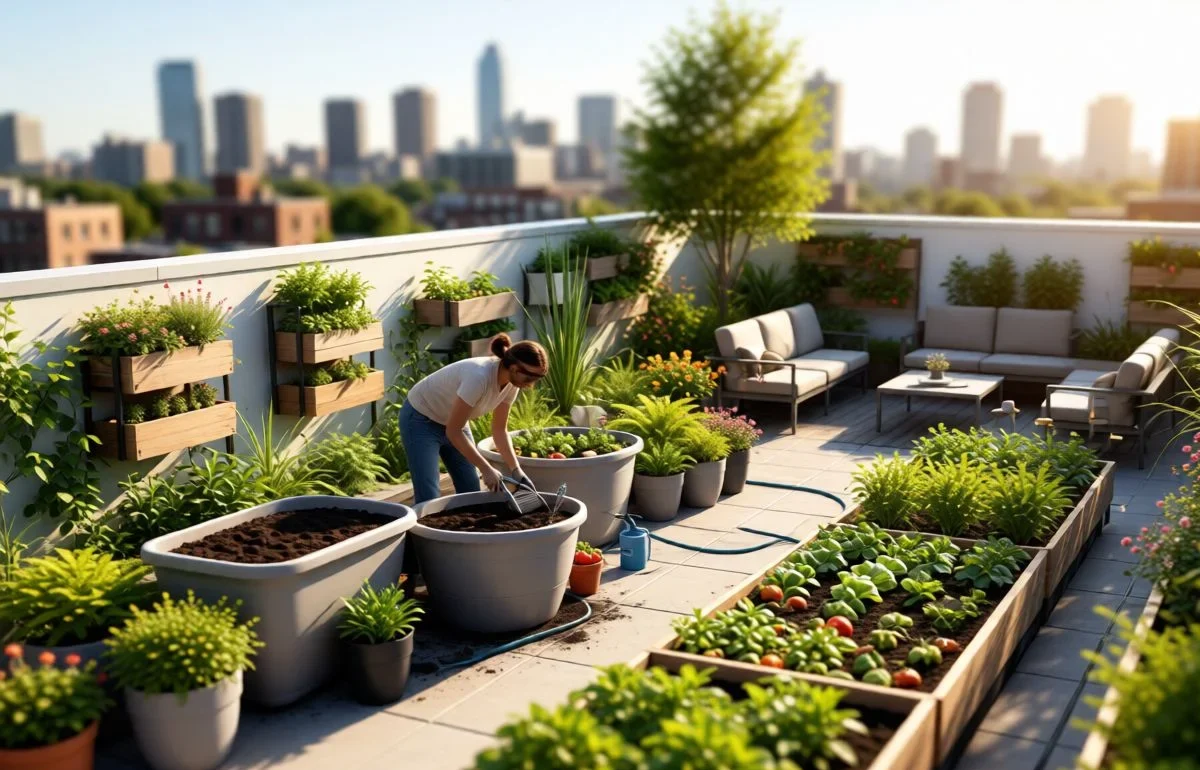

Creating a garden can be one of the most rewarding things you do for yourself. Imagine stepping outside to a space filled with vibrant flowers, fresh herbs, or even your own vegetables.
You don’t need to be an expert or have a huge backyard to start. With a few simple steps, you can turn any patch of land or even containers on your balcony into a thriving garden. Ready to transform your space and enjoy the beauty and peace that comes with gardening?
Keep reading, and you’ll discover easy tips to make your garden grow and flourish.
Choosing The Right Location
Choosing the right location is the first and most important step in learning how to create a garden. The spot you pick affects how well your plants grow and how much care they need. Whether you want to know how to create a bog garden, how to create a community garden, how to create a Japanese garden, or even how to create a rooftop garden, the location plays a key role in your garden’s success.
Assessing Sunlight Exposure
Plants need sunlight to grow. Some need full sun, while others thrive in shade. Check the sunlight your garden spot gets during the day. Note how many hours of direct sun it receives. Most vegetables and flowers need at least 6 hours of sunlight.
- Full sun: 6+ hours of direct sunlight
- Partial sun/shade: 3-6 hours of sunlight
- Full shade: Less than 3 hours of sunlight
Choose a location that fits the sunlight needs of your chosen plants for better growth and fewer problems.
Checking Soil Quality
Good soil helps plants grow strong roots. Test the soil by taking a small sample and checking its texture and drainage. Sandy soil drains quickly but holds fewer nutrients. Clay soil holds water but may drain poorly. Loamy soil is best, with a mix of sand, silt, and clay.
| Soil Type | Water Drainage | Suitability for Gardens |
|---|---|---|
| Sandy | Fast | Good for drought-tolerant plants |
| Clay | Slow | Needs improvement for most plants |
| Loamy | Moderate | Ideal for most garden types |
Improve poor soil with compost or organic matter to help plants thrive.
Table of Contents
Considering Water Sources
Plants need water regularly. Place your garden near a water source for easy watering. This is especially important in a community garden or rooftop garden. A nearby tap or rainwater collection system makes daily watering simple and saves effort.
- Check water access before choosing location
- Consider installing drip irrigation for efficiency
- Collect rainwater to reduce water bills
Evaluating Space And Layout
Think about how much space you have. Large gardens suit community gardens and Japanese gardens with many plants. Small spaces work well for rooftop or bog gardens.
Plan the layout so plants have room to grow. Avoid crowded spots to reduce disease risk. Use paths or borders to organize your garden.
- Measure your available space
- Sketch a simple garden plan
- Group plants by size and sunlight needs
Selecting Soil And Preparing Beds
Creating a beautiful garden starts with strong roots—literally. Selecting soil and preparing beds form the foundation for healthy plants and vibrant blooms. Whether learning how to create a garden, how to create a bog garden, or even how to create a rooftop garden, good soil and well-prepared beds make all the difference. This step also matters when planning how to create a community garden or how to create a Japanese garden. Healthy soil supports plant growth, helps retain moisture, and provides nutrients. Proper bed preparation ensures roots can spread easily and plants thrive.
Selecting The Right Soil
Start by testing your soil’s texture and pH. Most plants prefer loamy soil—a mix of sand, silt, and clay. It drains well but holds moisture. Use a simple soil test kit to check acidity. Ideal pH ranges from 6.0 to 7.0 for most gardens. Adjust soil with lime to reduce acidity or sulfur to increase it.
- Clay soil: Heavy, holds water but drains poorly.
- Sandy soil: Drains quickly but dries out fast.
- Loam soil: Balanced and best for most plants.
Amend poor soil by adding organic matter like compost or peat moss. It improves texture and adds nutrients. For bog gardens, use soil rich in organic matter and keep it moist. For rooftop gardens, use lightweight soil mixes to reduce weight on the structure.
Preparing Garden Beds
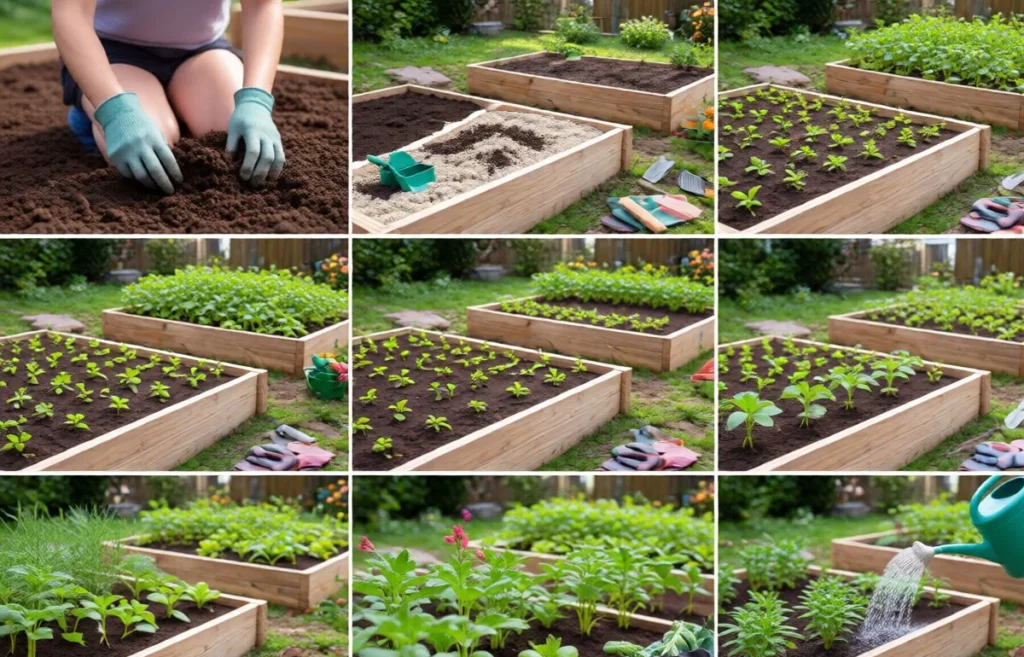
Clear the area by removing weeds, rocks, and debris. Loosen the soil to a depth of 8 to 12 inches with a garden fork or tiller. This helps roots grow freely and improves aeration. Mix in compost or well-rotted manure to enrich the bed.
- Mark the bed boundaries with string or stakes.
- Remove grass or old plants.
- Loosen soil and break up clumps.
- Add organic material and mix thoroughly.
- Level the bed surface for planting.
Raised beds are a good option for community or rooftop gardens. They improve drainage and soil quality. For Japanese gardens, prepare beds carefully to create clean lines and balance.
Tips For Maintaining Soil Health
| Practice | Benefit |
|---|---|
| Mulching | Retains moisture and controls weeds |
| Crop Rotation | Prevents nutrient depletion |
| Cover Crops | Improves soil structure and fertility |
| Regular Soil Testing | Monitors pH and nutrient levels |
Healthy soil leads to strong plants and a thriving garden. Preparing the beds with care sets the stage for success.
Picking Suitable Plants
Creating a beautiful garden starts with picking suitable plants. The right plants make your garden thrive and look great throughout the year. Whether you are learning how to create a garden from scratch, planning how to create a bog garden with water-loving plants, or thinking about how to create a rooftop garden, choosing plants that fit your space and climate is key.
Different gardens need different plants. For example, how to create a japanese garden focuses on calm, simple plants, while how to create a community garden may need plants that grow food or flowers that many people like. Understanding your garden type helps you pick the right plants.
Understanding Your Garden’s Climate And Soil
Plants need the right environment to grow well. Check your local climate: hot, cold, dry, or wet. Also, test your soil type. Is it sandy, clay, or loamy? Some plants prefer rich soil, others do well in poor soil. Knowing this helps you choose plants that will survive and bloom.
Choosing Plants Based On Garden Type
- How to create a garden: Pick a mix of flowers, shrubs, and trees that suit your space.
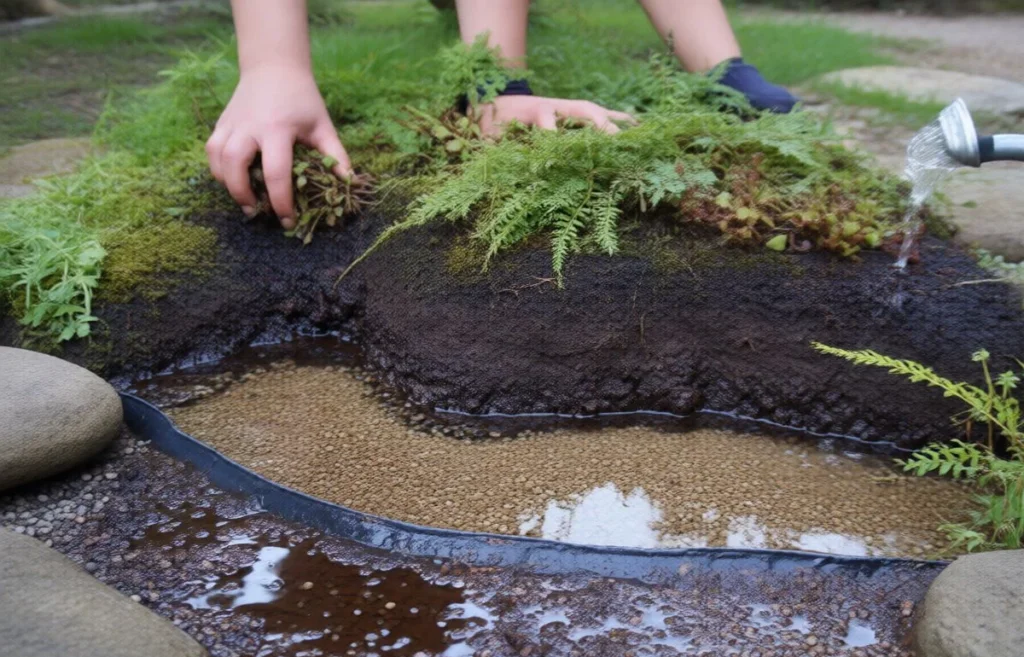
- How to create a bog garden: Choose moisture-loving plants like ferns, reeds, and bog moss.
- How to create a community garden: Select easy-to-grow vegetables and herbs for sharing.
- How to create a japanese garden: Use plants like bamboo, maples, and moss for a peaceful look.
- How to create a rooftop garden: Pick light, drought-resistant plants such as succulents and grasses.
Considering Plant Size And Growth
Think about how big plants will get. Small plants work well for limited spaces like rooftops. Tall plants add privacy and shade but need room to grow. Arrange plants by size for a balanced look. Avoid overcrowding to keep plants healthy.
Planting For Year-round Interest
Choose plants that bloom at different times. Mix evergreens with flowering plants. This way, your garden stays colorful and lively all year. Use bulbs for spring flowers and shrubs for fall colors. A garden with layers of color is more attractive.
Using This Table To Pick Plants For Different Garden Types
| Garden Type | Recommended Plants | Key Features |
|---|---|---|
| General Garden | Roses, Tulips, Hydrangeas, Boxwood | Colorful, varied sizes, easy care |
| Bog Garden | Ferns, Cattails, Marsh Marigold, Bog Moss | Water-loving, thrives in wet soil |
| Community Garden | Tomatoes, Lettuce, Basil, Sunflowers | Edible, fast-growing, popular |
| Japanese Garden | Bamboo, Japanese Maple, Azalea, Moss | Calm, simple, symbolic plants |
| Rooftop Garden | Succulents, Sedum, Ornamental Grasses | Drought-resistant, lightweight |
Planting Techniques
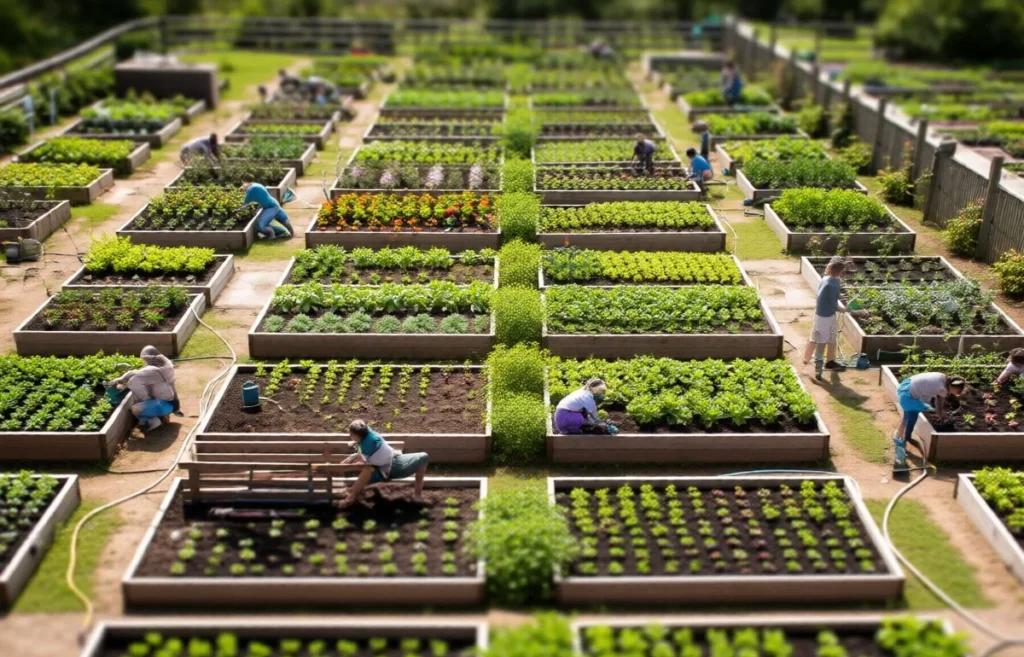
Creating a garden needs more than just picking plants. Understanding planting techniques improves the chance of success. Whether you want to learn how to create a garden from scratch or explore styles like how to create a bog garden, how to create a community garden, how to create a Japanese garden, or how to create a rooftop garden, good planting skills matter. These techniques help plants grow strong and healthy.
Proper Soil Preparation
Soil is the base for healthy plants. Start by removing weeds and debris. Loosen the soil with a garden fork or tiller. This makes space for roots to grow.
- Test the soil pH to know its condition.
- Add compost or organic matter to improve soil quality.
- Ensure good drainage to avoid waterlogging.
Well-prepared soil helps plants absorb nutrients and water better.
Choosing The Right Planting Depth
Planting depth matters for root growth and plant health. Follow these tips:
- Check seed packet or plant label for recommended depth.
- Plant seeds or seedlings at the same depth they grew in the nursery.
- Too deep planting can cause rot; too shallow may dry out roots.
Correct depth ensures plants establish quickly and grow well.
Spacing Plants Correctly
Plants need room to grow. Crowding causes poor air flow and disease.
| Plant Type | Recommended Spacing |
|---|---|
| Small flowers | 6 to 12 inches apart |
| Shrubs | 2 to 4 feet apart |
| Trees | 10 to 20 feet apart |
Follow spacing guidelines for healthy growth and easy maintenance.
Watering After Planting
Water plants right after planting. This helps roots settle in the soil.
- Use gentle watering to avoid washing away soil.
- Keep soil moist but not soggy.
- Water early in the day to reduce evaporation.
Consistent watering supports strong root systems and plant health.
Watering And Irrigation
Creating a garden requires careful planning, especially for watering and irrigation. Proper watering keeps plants healthy and helps your garden thrive. Whether you want to learn how to create a garden, how to create a bog garden, how to create a community garden, how to create a Japanese garden, or how to create a rooftop garden, understanding watering needs is key. Good irrigation saves water and time, making your garden easier to care for.
Choosing The Right Watering Method
Different gardens need different watering methods. Here are common options:
- Hand Watering: Simple and flexible. Use a watering can or hose.
- Drip Irrigation: Delivers water directly to plant roots. Saves water.
- Sprinkler Systems: Covers large areas. Good for lawns and community gardens.
- Soaker Hoses: Slow water release. Perfect for vegetable and bog gardens.
Choose a method that fits your garden size and plant types.
Best Time To Water Your Garden
Water plants when they absorb moisture best. Follow these tips:
- Water early in the morning to reduce evaporation.
- Water in the evening only if morning watering isn’t possible.
- Avoid watering during the hottest part of the day.
Consistent watering helps plants grow strong and healthy.
How Much Water Do Plants Need?
Water needs vary by plant type and garden style. Here is a simple guide:
| Garden Type | Watering Frequency | Amount per Watering |
|---|---|---|
| Japanese Garden | 2-3 times per week | 1 inch |
| Bog Garden | Daily or every other day | Keep soil moist |
| Community Garden | 3 times per week | 1-2 inches |
| Rooftop Garden | Daily in summer, less in winter | Varies by plant |
Tips For Efficient Watering And Irrigation
- Use mulch to keep soil moist longer.
- Check soil moisture before watering.
- Avoid watering leaves to reduce disease risk.
- Install timers to control irrigation schedules.
- Fix leaks in hoses or systems quickly.
Maintaining Your Garden
Creating a garden takes effort beyond planting seeds and flowers. Maintaining your garden keeps it healthy and beautiful all year. Whether you want to know how to create a garden, how to create a bog garden, how to create a community garden, how to create a Japanese garden, or how to create a rooftop garden, regular care is key. This section covers important steps to maintain any garden type and enjoy its full potential.
Watering Your Plants Correctly
Proper watering helps plants grow strong. Water early in the morning or late in the evening. This reduces evaporation and saves water.
- Check soil moisture before watering.
- Water deeply but less often.
- Use drip irrigation or soaker hoses for efficiency.
Pruning And Trimming
Pruning removes dead or overgrown branches. It promotes new growth and keeps plants healthy.
- Use clean, sharp tools.
- Trim after flowering or during dormant seasons.
- Shape bushes and trees for better air flow.
Controlling Weeds And Pests
Weeds compete for water and nutrients. Remove weeds regularly to protect your plants.
Pests can harm leaves and roots. Use natural pest control methods when possible.
| Method | Description |
|---|---|
| Handpicking | Remove pests by hand for small infestations. |
| Companion planting | Plant herbs like basil to repel insects. |
| Natural sprays | Use neem oil or soapy water to control bugs. |
Feeding Your Garden
Plants need nutrients from the soil. Fertilize regularly to keep soil rich.
- Use organic compost or store-bought fertilizer.
- Follow label instructions to avoid overfeeding.
- Test soil every year to check nutrient levels.
Seasonal Care Tips
Gardens need different care each season. Adjust your routine to suit the weather.
- Spring: Prepare soil, plant new seeds.
- Summer: Water often, mulch to keep soil cool.
- Fall: Clean dead plants, add compost.
- Winter: Protect plants from frost with covers.
Adding Decorative Elements
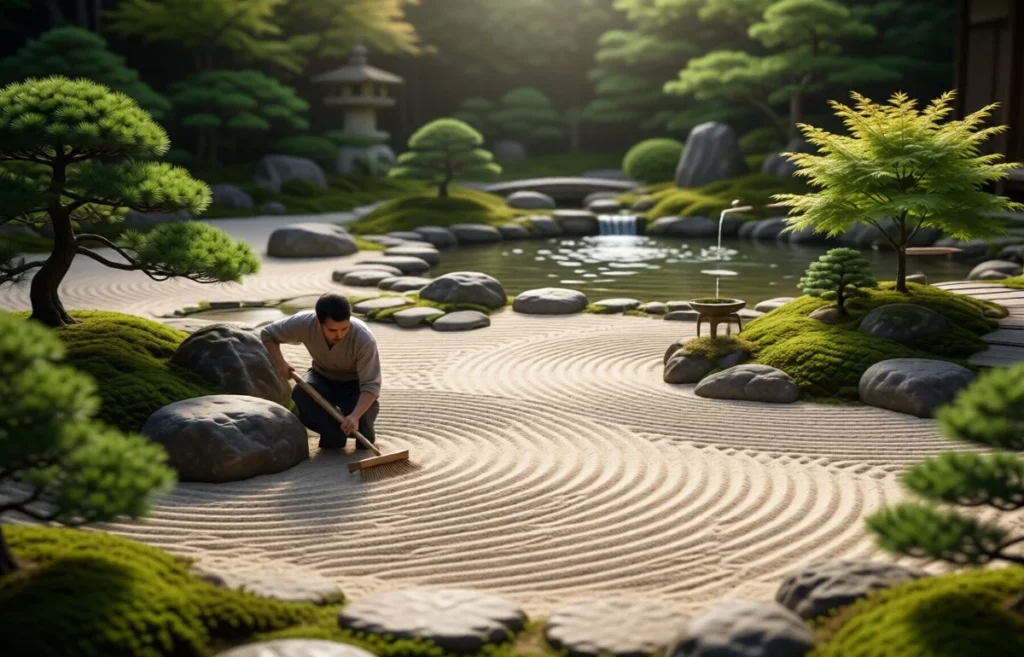
Adding decorative elements transforms a garden from simple green space into a beautiful retreat. These touches bring personality and charm to your outdoor area. Whether you are learning how to create a garden or exploring how to create a bog garden, decorations can highlight your garden’s style. For a traditional feel, study how to create a Japanese garden. Or, for urban spaces, discover how to create a rooftop garden. Even those involved in how to create a community garden find decorative elements vital to making the space inviting and unique.
Choosing Garden Ornaments
Start with ornaments that match your garden’s theme. Popular options include:
- Statues and sculptures: Add art and focal points.
- Birdbaths and feeders: Attract wildlife and add movement.
- Garden stakes and signs: Personalize with messages or plant names.
- Water features: Create soothing sounds and visual interest.
Pick items that blend well with your plants and garden style.
Using Pathways And Borders
Paths guide visitors through your garden and make it easy to explore. Borders define spaces and keep plants neat. Consider these materials:
| Material | Benefits | Best For |
|---|---|---|
| Stone | Durable and natural-looking | Japanese and bog gardens |
| Wood | Warm and rustic | Community and rooftop gardens |
| Brick | Classic and sturdy | Formal garden layouts |
| Gravel | Affordable and easy to install | Casual garden paths |
Paths and borders add structure and charm without much effort.
Incorporating Lighting
Lighting extends garden use into the evening. It creates atmosphere and highlights features.
- Solar lights: Easy to install and eco-friendly.
- String lights: Add a magical glow over seating areas.
- Spotlights: Focus on statues, trees, or water features.
- Lanterns: Offer a cozy, traditional look.
Good lighting makes your garden safe and inviting after dark.
Frequently Asked Questions
What Are The First Steps To Create A Garden?
Start by choosing the right location with good sunlight and soil. Plan the garden size and layout before planting.
How Do I Prepare Soil For A New Garden?
Remove weeds and debris, then loosen the soil. Add compost or organic matter to improve soil health.
Which Plants Are Best For Beginner Gardeners?
Choose easy-care plants like marigolds, sunflowers, or herbs. These plants grow well in most conditions.
How Often Should I Water My Garden Plants?
Water plants early in the morning or late evening. Keep the soil moist but not soggy for best results.
What Tools Do I Need To Start Gardening?
Basic tools include a spade, trowel, watering can, and gloves. These help with planting and maintaining your garden.
How Can I Keep Pests Away From My Garden?
Use natural methods like companion planting or neem oil. Avoid harsh chemicals to protect plants and soil.
When Is The Best Time To Plant A Garden?
Plant in spring or early fall for most plants. Check local climate to choose the best planting time.
Conclusion
Creating a garden brings joy and peace to your daily life. Start small and choose plants that suit your space. Water and care for them regularly to help growth. Watch your garden change with each passing day. Enjoy the fresh air and beauty you create.
Gardening teaches patience and rewards with nature’s charm. Keep learning and trying new ideas as you go. Your garden can become a lovely place to relax and smile.