
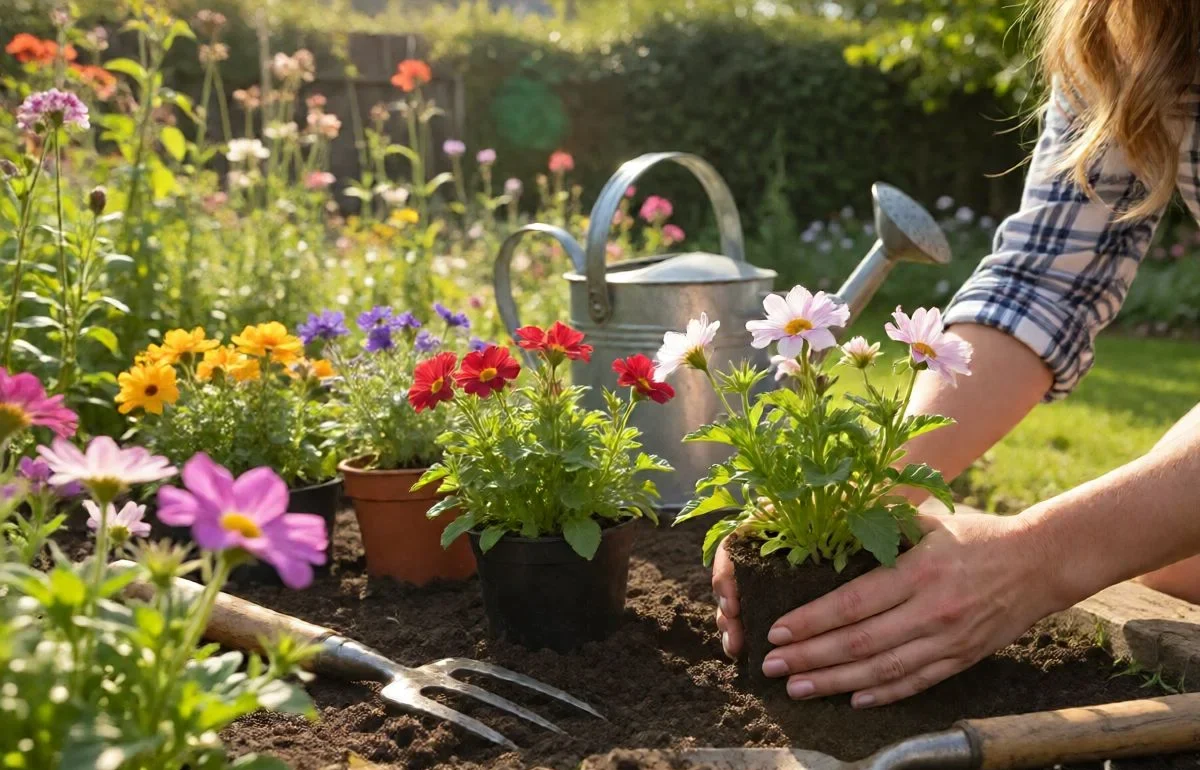

Are you ready to add a splash of color and life to your garden? Learning how to plant flowers is easier than you might think, and it can bring so much joy to your outdoor space.
Whether you want a few bright blooms on your balcony or a full garden bursting with color, this guide will help you get started. You’ll discover simple steps that make planting flowers fun and rewarding. Keep reading, and soon you’ll see your garden transform into a beautiful, vibrant haven that you can be proud of.
Choosing Flower Types
Knowing how to plant flowers starts with choosing the right flower types. Selecting flowers that fit your garden’s climate and soil makes a big difference. It helps your garden bloom beautifully and stay healthy. This step is key when learning how to plant flower plants. Choosing well also makes step by step planting flowers easier and more fun. Understanding planting garden flowers means knowing what flowers thrive where. Let’s explore how to pick the best flowers and what to consider for a bright garden.
Consider Your Climate And Zone
Every flower grows best in certain climates. Check your USDA hardiness zone to find flowers that survive your weather. Some flowers love heat, others need cool places. Choosing flowers that match your zone helps them grow stronger and bloom longer.
- Find your zone on the USDA map.
- Pick flowers labeled for your zone.
- Avoid flowers that need very different conditions.
Table of Contents
Think About Sunlight Needs
Flowers need different amounts of sunlight. Some like full sun, others do well in shade. Decide how much sun your garden gets daily. This helps you pick flowers that will thrive.
| Sunlight Type | Description | Flower Examples |
|---|---|---|
| Full Sun | 6+ hours of direct sunlight | Marigolds, Zinnias, Sunflowers |
| Partial Sun/Shade | 3-6 hours of sun | Impatiens, Begonias, Foxgloves |
| Full Shade | Less than 3 hours of sun | Hostas, Ferns, Astilbe |
Choose Flowers By Bloom Time
Picking flowers that bloom at different times keeps your garden colorful all season. Mix early, mid, and late bloomers. This way, something always flowers and your garden looks fresh for longer.
- Early bloomers: Crocus, Daffodils
- Mid-season bloomers: Tulips, Daylilies
- Late bloomers: Chrysanthemums, Asters
Decide On Flower Height And Size
Flower height affects garden design. Tall flowers go in the back or center. Short flowers work well in front or edges. Think about how plants will grow and fill space.
- Tall: Delphiniums, Hollyhocks
- Medium: Coneflowers, Black-eyed Susans
- Short: Pansies, Sweet Alyssum
Selecting The Right Location
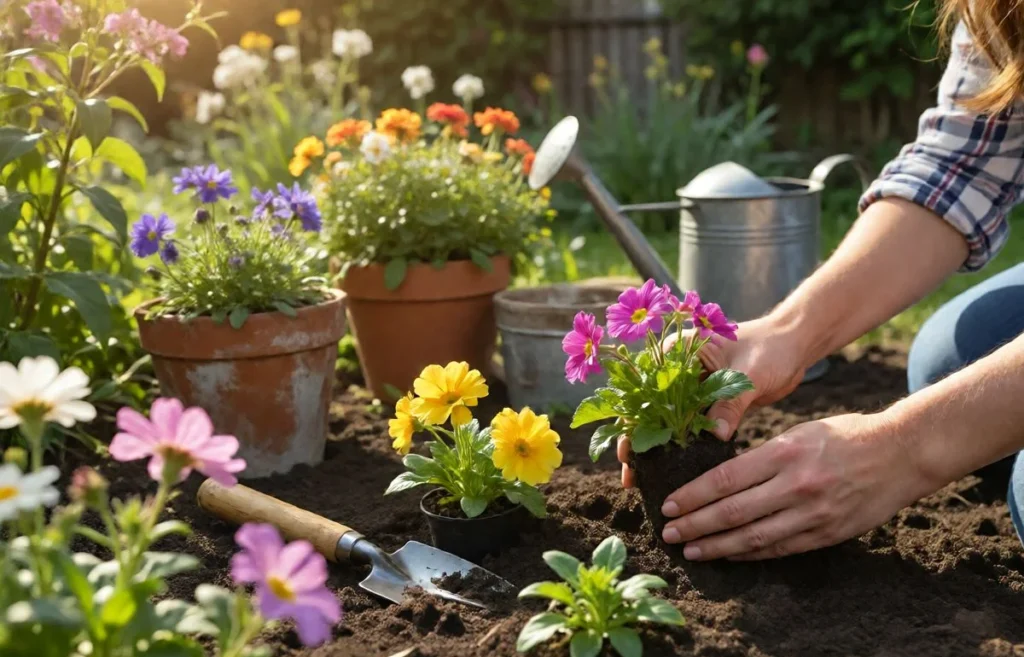
Learning how to plant flowers starts with selecting the right location. The place you choose for your flower plants affects their growth and beauty. A good location gives flowers the right sunlight, soil, and space. This guide will help you understand important factors for planting garden flowers successfully. Knowing what do you need to plant flowers includes picking the perfect spot. Follow these tips for step by step planting flowers that thrive.
Sunlight Requirements For Flower Plants
Flowers need different amounts of sunlight. Some love full sun, while others prefer shade. Check each flower type before planting.
- Full Sun: At least 6 hours of direct sunlight daily.
- Partial Sun/Shade: 3 to 6 hours of sunlight.
- Full Shade: Less than 3 hours of sunlight.
Placing flowers in the right light helps them bloom fully. Too much or too little sun can harm them.
Soil Type And Drainage
Good soil is key for how to plant flower plants well. Soil must hold water but drain excess fast.
| Soil Type | Description | Best For |
|---|---|---|
| Loamy | Rich, well-draining, and full of nutrients. | Most garden flowers |
| Sandy | Drains quickly, low nutrients. | Drought-tolerant flowers |
| Clay | Retains water, can be heavy. | Moisture-loving flowers |
Test soil by digging a hole and checking water drainage. Amend soil with compost if needed.
Space And Air Circulation
Flowers need room to grow. Crowded plants fight for nutrients and sunlight.
- Leave enough space between plants according to their size.
- Good air flow prevents diseases and pests.
- Avoid planting too close to walls or fences where air is still.
Proper spacing helps flowers grow strong and healthy.
Preparing The Soil
Learning how to plant flowers starts with the right foundation. Preparing the soil is a key step in step by step planting flowers. Healthy soil helps flower plants grow strong and bloom beautifully. Understanding what do you need to plant flowers includes knowing how to prepare the soil well. This guide shows how to get your soil ready for planting garden flowers or flower plants.
Checking Soil Quality
Good soil is loose, rich, and drains water well. First, test the soil texture by feeling it. Sandy soil feels gritty, clay soil feels sticky, and loamy soil feels soft and crumbly.
- Sandy soil drains fast but holds few nutrients.
- Clay soil holds water but drains poorly.
- Loamy soil is ideal for most flowers.
Next, check soil pH using a simple kit. Most flowers prefer a pH between 6.0 and 7.0. Adjust the pH by adding lime to raise it or sulfur to lower it.
Removing Weeds And Debris
Clear the planting area of weeds, roots, and rocks. These obstacles compete for nutrients and space. Use a hand fork or hoe to dig out roots completely. Remove sticks, stones, and old plant remains.
- Weeds take water and nutrients from flowers.
- Rocks block roots and make planting hard.
- Clean soil helps flower plants settle well.
Loosening And Aerating Soil
Loosen soil to help air, water, and roots move freely. Use a garden fork or tiller to dig about 6 to 8 inches deep. Break up large clumps and level the soil surface.
- Start at one end of the bed.
- Work tools back and forth to break soil.
- Remove large stones and roots uncovered.
- Rake the soil smooth for planting.
Well-aerated soil prevents waterlogging and encourages root growth.
Adding Nutrients And Compost
Flower plants need nutrients to grow. Mix in organic compost or aged manure to enrich soil. Compost adds nutrients and improves soil texture.
| Material | Benefits | How to Use |
|---|---|---|
| Compost | Boosts nutrients and moisture retention | Mix 2-3 inches into top 6 inches of soil |
| Aged Manure | Improves soil fertility and structure | Use 1-2 inches mixed well with soil |
| Fertilizer | Supplies specific nutrients quickly | Follow package directions carefully |
Balance nutrients to avoid burning young plants. Healthy soil supports strong roots for flower plants.
Planting Seeds And Seedlings
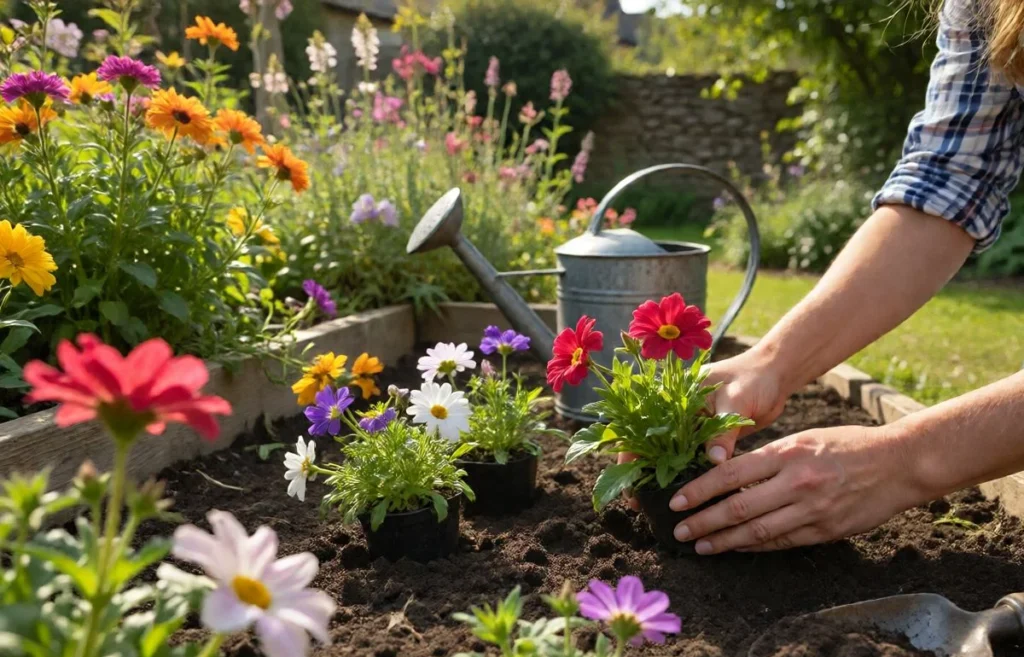
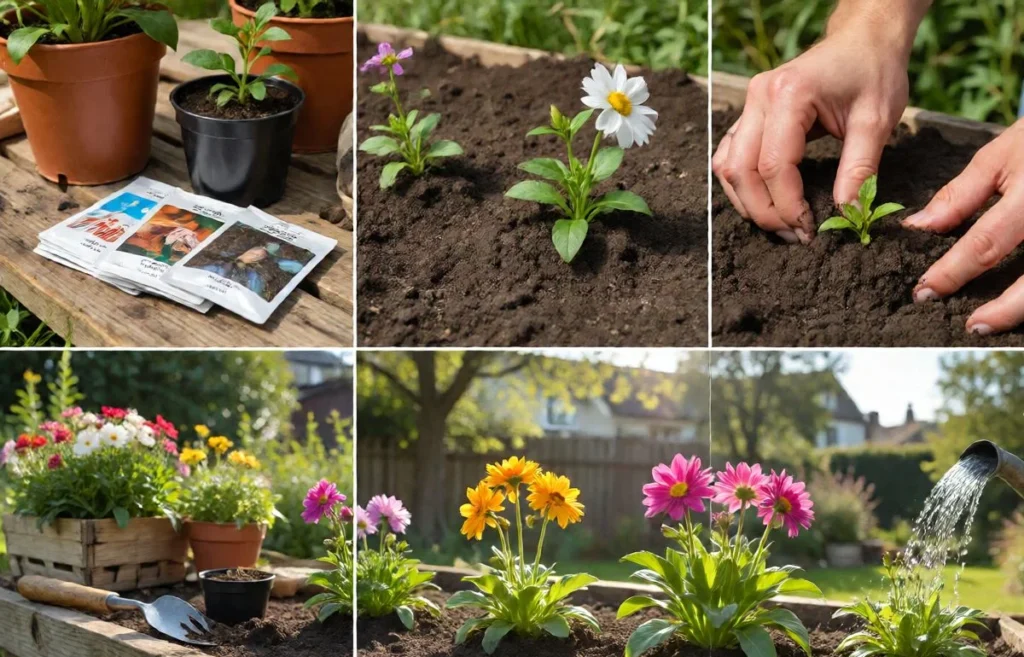
Learning how to plant flowers starts with understanding the basics of planting seeds and seedlings. This process forms the foundation of a beautiful garden. Whether you are planting garden flowers from seeds or young plants, doing it right ensures healthy growth. Knowing what do you need to plant flowers and following a step by step planting flowers guide makes the task easier. Let’s explore key steps for both seeds and seedlings to help you grow your flower plants successfully.
Planting Flower Seeds
Start with good quality seeds. Choose seeds suited for your climate and soil type. Prepare the soil by loosening it and removing weeds. Seeds need a light, fluffy soil for easy sprouting.
- Plant seeds at the correct depth mentioned on the packet.
- Keep the soil moist but not soaked.
- Use a gentle spray to water the seeds daily.
- Place seed trays or pots in a warm, sunny spot.
Patience is key. Seeds take time to sprout. Avoid overwatering or disturbing the soil. Thin out seedlings when they grow too close.
Transplanting Flower Seedlings
Seedlings are young plants started indoors or in a nursery. They need careful handling for successful growth.
- Choose healthy seedlings with strong stems and leaves.
- Harden off seedlings by exposing them to outdoor conditions for a few days.
- Dig holes in the garden soil wide enough to hold the roots comfortably.
- Place seedlings in holes and cover with soil gently.
- Water immediately to settle the soil around roots.
Space seedlings properly to allow air flow and sunlight. Avoid planting too deep or too shallow.
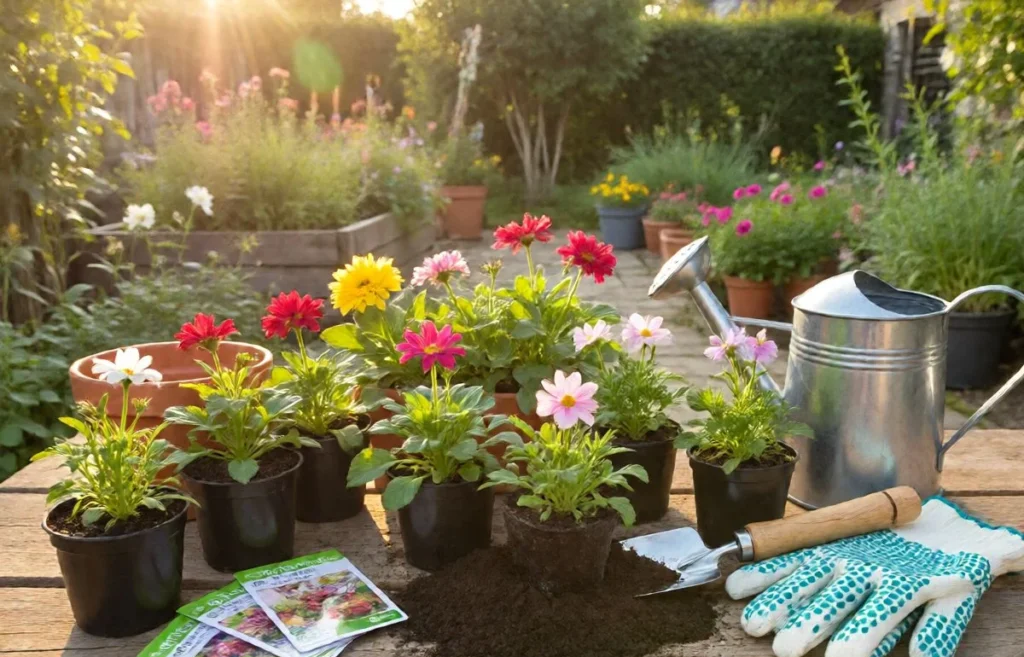
Essential Tools And Materials For Planting
| Tool/Material | Purpose |
|---|---|
| Hand Trowel | Dig small holes for seeds and seedlings |
| Watering Can | Gently water plants without washing away soil |
| Garden Gloves | Protect hands while planting |
| Seed Trays or Pots | Start seeds indoors in controlled environment |
| Quality Potting Soil | Provide nutrients and good drainage for young plants |
Watering Techniques
Watering is a key part of learning how to plant flowers. Proper watering helps flowers grow strong and healthy. When planting garden flowers, knowing the right watering techniques matters. Water too little, and plants dry out. Water too much, and roots may rot. This section shows the best ways to water flower plants for the best results. Follow these tips for step by step planting flowers that thrive.
Understanding Water Needs For Different Flowers
Not all flowers need the same amount of water. Some like it dry, others like it moist. Here is a simple guide:
| Flower Type | Water Frequency | Water Amount |
|---|---|---|
| Drought-tolerant (e.g., lavender) | Once a week | Deep watering |
| Regular garden flowers (e.g., petunias) | 2-3 times a week | Moderate watering |
| Moisture-loving (e.g., ferns) | Every day or every other day | Light to moderate watering |
Best Time To Water Flowers
- Early morning is ideal to reduce evaporation.
- Watering in the evening may cause leaf diseases.
- Midday watering wastes water through evaporation.
Watering at the right time helps plants absorb water well and stay healthy.
Watering Methods For Flower Plants
- Soaker hoses: Deliver water directly to roots.
- Drip irrigation: Saves water and reduces leaf wetness.
- Watering cans: Good for small areas or new plants.
Choose a method that fits your garden size and type of flowers.
How To Water Step By Step When Planting Flowers
Follow these steps for watering during planting:
- Water the soil before planting.
- Place the flower plant in the hole.
- Fill soil around the roots gently.
- Water deeply right after planting.
- Keep soil moist for the first two weeks.
This helps flowers settle and grow strong roots.
Fertilizing Flowers
Learning how to plant flowers involves many steps, and one key part is fertilizing flowers. Fertilizer helps plants grow strong and colorful. When you know how to plant flower plants properly, adding fertilizer boosts their health. In step by step planting flowers, fertilizing comes after planting garden flowers and before regular care. Understanding what do you need to plant flowers includes choosing the right fertilizer for your soil and flower type.
Choosing The Right Fertilizer
Not all fertilizers work the same. Some are for flowering plants, others for vegetables or grass. Look for fertilizers with more phosphorus (the middle number on the package). Phosphorus helps flowers grow buds and blooms.
- Balanced fertilizers: Equal parts nitrogen, phosphorus, and potassium (e.g., 10-10-10).
- Bloom boosters: Higher phosphorus, like 10-20-10.
- Organic options: Compost, bone meal, or fish emulsion.
When To Fertilize Flowers
Timing matters for fertilizing flowers. Here are simple rules:
- Fertilize right after planting garden flowers.
- Feed young plants every 4-6 weeks during the growing season.
- Stop fertilizing 4-6 weeks before the first frost.
Over-fertilizing can hurt plants. Use fertilizer carefully and follow instructions on the package.
How To Apply Fertilizer
Applying fertilizer correctly helps flowers absorb nutrients. Use one of these ways:
- Granular fertilizer: Sprinkle around the base of plants. Water well to soak in.
- Liquid fertilizer: Mix with water and pour on soil or spray on leaves.
- Slow-release pellets: Place in soil once for long-lasting feeding.
Keep fertilizer away from plant stems to avoid burning.
Signs Your Flowers Need Fertilizer
| Symptom | Possible Cause | Fertilizer Tip |
|---|---|---|
| Pale or yellow leaves | Low nitrogen | Use a balanced or nitrogen-rich fertilizer |
| Few or no flowers | Low phosphorus | Apply bloom booster fertilizer |
| Weak stems or slow growth | Low potassium | Use fertilizer with potassium |
Pest And Disease Management
Learning how to plant flowers goes beyond digging holes and placing plants in soil. Protecting your blooms from pests and diseases keeps your garden healthy and bright. Knowing the basics of pest and disease management helps your plants grow strong and beautiful. This guide covers simple steps to watch for trouble and act fast. Following these tips ensures success when planting garden flowers, whether you are planting flower plants for the first time or improving your garden.
Pest Identification And Prevention
Knowing which pests harm your flowers is the first step. Common garden pests include aphids, slugs, and spider mites. Watch leaves for holes, sticky spots, or webs.
- Aphids: Small, soft insects found on new growth.
- Slugs: Leave slimy trails and chew leaves.
- Spider Mites: Tiny dots causing yellowing leaves.
Prevent pests by keeping the garden clean. Remove dead leaves and weeds. Use barriers like copper tape for slugs. Choose healthy plants when planting flower plants to avoid pests from the start.
Natural Pest Control Methods
Try natural ways to keep pests away. These methods are safe and eco-friendly.
- Introduce Beneficial Insects: Ladybugs eat aphids.
- Use Neem Oil: Spray on leaves to deter pests.
- Companion Planting: Plant marigolds near flowers to repel insects.
These simple steps reduce pests without harmful chemicals.
Recognizing And Treating Diseases
Diseases can quickly damage flower plants. Spotting problems early helps save your garden.
| Disease | Signs | Treatment |
|---|---|---|
| Powdery Mildew | White powder on leaves and stems | Remove affected parts; improve air flow; use fungicide |
| Root Rot | Wilting, yellow leaves, soft roots | Reduce watering; plant in well-drained soil |
| Leaf Spot | Brown or black spots on leaves | Remove spots; avoid overhead watering |
Maintaining Healthy Plants
Strong plants resist pests and diseases better. Follow these care tips:
- Water plants at the base, not on leaves.
- Use good soil with nutrients.
- Space plants properly for air circulation.
- Remove dead or damaged leaves regularly.
Good care is key in step by step planting flowers and keeping them healthy.
Frequently Asked Questions
What Is The Best Time To Plant Flowers In My Garden?
The best time to plant flowers depends on the type of flower. Most flowers grow well in spring or fall when temperatures are mild. Check the seed packet for specific planting times.
How Much Sunlight Do Flowers Need To Grow Well?
Most flowers need at least 6 hours of sunlight daily. Some flowers prefer partial shade, so choose a spot based on the flower’s needs. Sunlight helps flowers produce energy for healthy growth.
What Type Of Soil Is Best For Planting Flowers?
Well-drained, loamy soil is ideal for most flowers. It holds moisture but does not stay soggy. You can improve soil by adding compost or organic matter.
How Often Should I Water My Newly Planted Flowers?
Water flowers deeply once or twice a week, depending on weather. Avoid overwatering, which can cause root rot. Keep soil moist but not wet for best results.
Can I Plant Flowers In Pots Or Containers?
Yes, many flowers grow well in pots or containers. Use pots with drainage holes and good potting soil. Containers allow easy control of water and sunlight.
How Do I Protect Flowers From Pests And Diseases?
Remove damaged leaves and keep the garden clean to reduce pests. Use natural pest control methods like neem oil or insecticidal soap. Healthy soil and proper watering also prevent diseases.
Should I Fertilize Flowers, And How Often?
Use a balanced fertilizer every 4 to 6 weeks during the growing season. Fertilizing helps flowers get nutrients they need to bloom well. Avoid over-fertilizing, which can harm plants.
Conclusion
Planting flowers brings joy and color to any space. Choose healthy seeds or seedlings for best results. Prepare the soil by loosening it and adding nutrients. Water your plants regularly, but avoid overwatering. Give your flowers enough sunlight each day.
Watch them grow and enjoy their beauty. With patience and care, your garden will thrive. Start small and learn as you go. Gardening is fun and rewarding for everyone. Try different flowers to find what suits you best. Happy planting!