
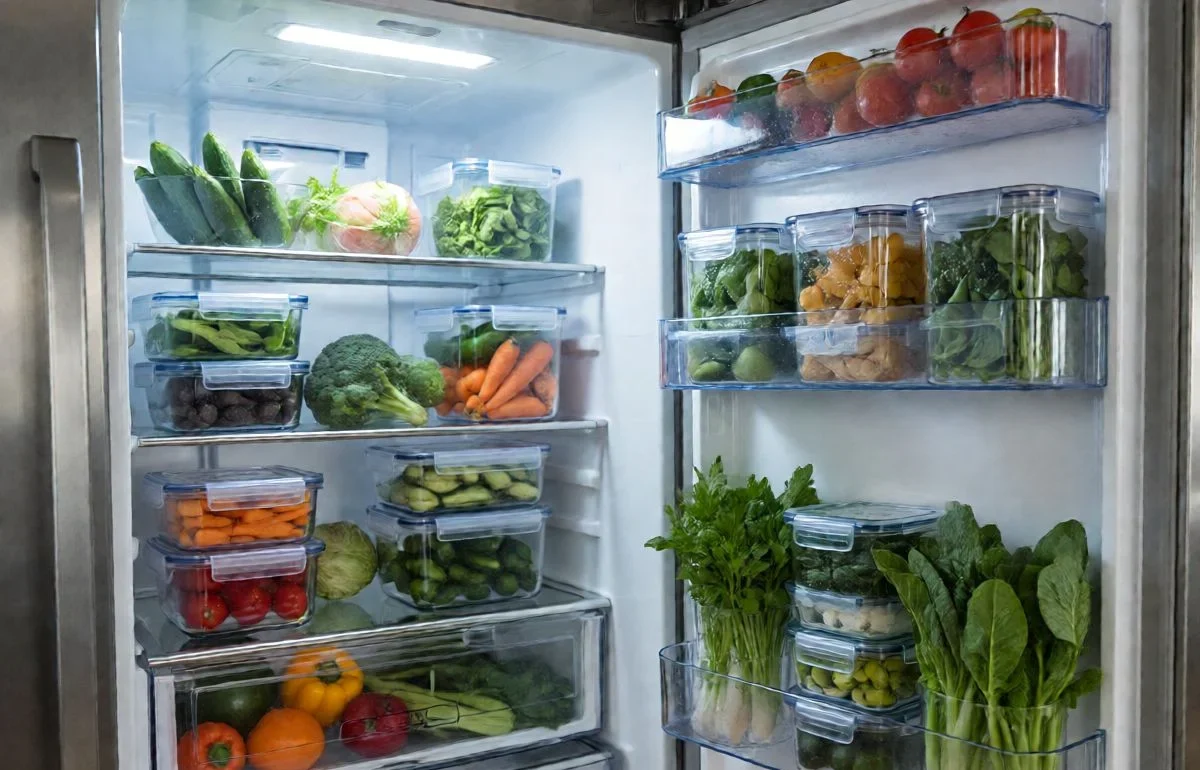

Are you tired of your vegetables wilting or going bad too quickly in the fridge? Keeping your fresh produce crisp and tasty can be a real challenge.
The right vegetable containers for your refrigerator can make all the difference. Imagine opening your fridge and finding perfectly fresh veggies every time you reach in. You’ll discover how the right storage solutions can save you money, reduce waste, and keep your meals healthier.
Ready to transform your fridge and enjoy fresher vegetables? Keep reading to find out how to choose the best containers for your needs.
Choosing The Right Material
Choosing the right material for vegetable containers for refrigerator is key to keeping your vegetables fresh longer. The material affects durability, safety, and how well the container preserves food. Picking the best containers to store vegetables in fridge means balancing convenience, health, and environmental impact. Different materials offer unique benefits and drawbacks. This guide compares popular options and explores eco-friendly choices to help you find the perfect fit for your kitchen.
Plastic Vs Glass
Plastic and glass are the most common materials for refrigerator storage containers for vegetables. Each has its pros and cons. Understanding these helps you choose the right container for your needs.
- Plastic Containers:
- Lightweight and easy to handle.
- Less likely to break if dropped.
- Often come with airtight lids to keep vegetables fresh.
- Some plastics can stain or absorb odors from vegetables.
- Look for BPA-free options for safety.
- Glass Containers:
- Do not absorb odors or stains.
- Can be used in microwaves and ovens (check lids).
- Heavier and more fragile than plastic.
- Usually more expensive but last longer.
- Clear glass helps you see vegetables easily without opening.
| Feature | Plastic | Glass |
|---|---|---|
| Weight | Light | Heavy |
| Durability | High (resistant to breakage) | Fragile (can break easily) |
| Stain & Odor Resistance | Low (can absorb) | High (does not absorb) |
| Microwave Safe | Varies (check labels) | Usually yes (without lids) |
| Cost | Low to moderate | Moderate to high |
Both plastic and glass refrigerator containers for vegetables have clear benefits. Choose plastic for everyday use and easy handling. Pick glass for longer-lasting, odor-free storage. Combining both types can meet different vegetable storage needs.
Table of Contents
Eco-friendly Options
Many people want vegetable storage containers for refrigerator that are good for the planet. Eco-friendly options reduce waste and use safer materials. These containers often last longer and avoid harmful chemicals.
Here are some popular eco-friendly materials:
- Bamboo: Lightweight and biodegradable. Often used for lids or container parts.
- Silicone: Flexible, durable, and reusable. Good for bags or collapsible containers.
- Recycled Plastic: Made from recycled materials. Helps reduce plastic waste.
- Glass with Bamboo Lids: Combines durability with natural materials.
| Material | Benefits | Considerations |
|---|---|---|
| Bamboo | Renewable, biodegradable, stylish | Not fully waterproof, used mostly for lids |
| Silicone | Reusable, dishwasher safe, flexible | May retain some odors |
| Recycled Plastic | Reduces waste, often BPA-free | Still plastic, limited lifespan |
| Glass with Bamboo Lid | Durable, natural look, safe | Lids need care to avoid mold |
Choosing eco-friendly refrigerator containers for vegetables supports a healthier kitchen and environment. These options balance safety, style, and sustainability. They make good choices for anyone wanting to reduce their footprint while storing vegetables effectively.
Size And Shape Considerations
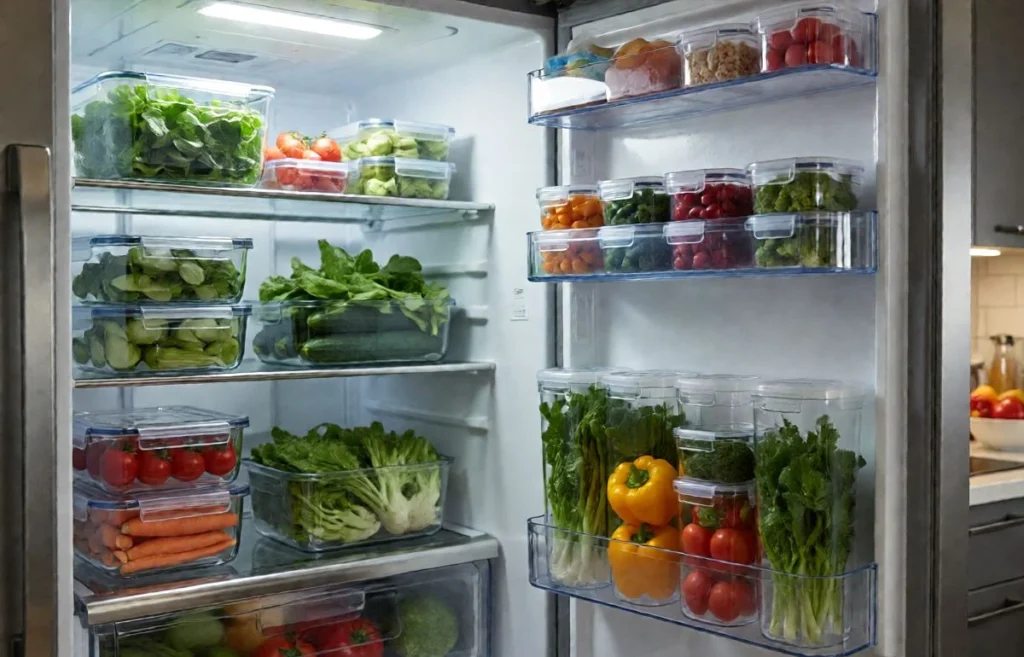
Choosing the right vegetable containers for refrigerator means paying attention to their size and shape. These factors play a big role in keeping vegetables fresh longer and saving space in your fridge. Properly sized and shaped containers help avoid overcrowding and prevent damage to delicate veggies. Understanding these elements allows you to pick the best containers to store vegetables in fridge that fit your fridge shelves and suit different vegetable types.
Maximizing Refrigerator Space
Maximizing space in your fridge starts with selecting the right refrigerator storage containers for vegetables. Containers that fit well on your fridge shelves help you organize food better and reduce waste.
- Stackable containers make good use of vertical space.
- Clear containers let you see contents easily, reducing forgotten vegetables.
- Choose containers with lids that seal tightly to keep veggies fresh longer.
Measure your fridge shelves before buying containers. Sizes that are too large waste space. Too small containers might not hold enough vegetables.
| Container Type | Space Benefit | Best Use |
|---|---|---|
| Rectangular | Fits snugly on shelves and drawers | Most vegetables, especially leafy greens |
| Square | Easy to stack and organize | Cut vegetables and small fruits |
| Cylindrical | Good for tall veggies, like carrots or celery | Long vegetables |
Use a mix of shapes and sizes for the best fit. This helps your fridge stay tidy and your vegetables fresh.
Container Shapes For Different Vegetables
The shape of vegetable storage containers for refrigerator matters for storing various vegetables properly. Different veggies need different spaces to avoid crushing or spoiling.
- Leafy greens: Flat, shallow containers help keep leaves crisp and dry.
- Long vegetables: Cylindrical or tall rectangular containers fit carrots, celery, or green beans without bending.
- Round vegetables: Medium-sized square or round containers prevent rolling and bruising.
Choosing the right refrigerator containers for vegetables extends their freshness. Avoid containers that are too tight or too large. Tight containers crush vegetables, while large ones trap moisture, causing rot.
| Vegetable Type | Recommended Container Shape | Reason |
|---|---|---|
| Spinach, lettuce | Flat, wide | Prevents wilting and keeps leaves dry |
| Carrots, celery | Tall, narrow | Holds long shape without bending |
| Tomatoes, peppers | Medium, round or square | Prevents bruising by limiting movement |
Select containers based on the vegetable type and size. This keeps your fridge organized and your vegetables fresh longer.
Features To Look For
Choosing the right vegetable containers for refrigerator helps keep produce fresh longer. These containers protect vegetables from moisture loss and odors. They also organize your fridge for easy access. Understanding the features to look for ensures you pick the best containers to store vegetables in fridge. Focus on key aspects like sealing quality and airflow control. These features impact freshness and storage life significantly.
Airtight Seals
Airtight seals are essential in refrigerator storage containers for vegetables. They prevent air and moisture from entering. This stops vegetables from drying out or spoiling quickly. Containers with good seals maintain a stable environment inside. It also blocks odors from other foods in the fridge. Look for containers with silicone or rubber gaskets around the lid.
Benefits of airtight seals:
- Keep moisture in and air out
- Prevent vegetables from wilting
- Stop cross-contamination of smells
- Extend shelf life of fresh produce
Some containers show a locking mechanism on all sides. This feature adds extra protection against leaks and air entry. Clear lids help you see the contents without opening the container. This reduces the need to expose vegetables to air repeatedly.
| Feature | Benefit |
|---|---|
| Silicone Gasket | Creates a tight seal to lock moisture in |
| Locking Clips | Secure the lid firmly to prevent leaks |
| Clear Lid | Allows easy viewing without opening |
Ventilation Options
Ventilation options in vegetable storage containers for refrigerator help control airflow. Proper airflow reduces moisture buildup. It also prevents mold and rot. Some vegetables need air circulation to stay fresh. Containers with adjustable vents offer flexibility for different types of produce.
Key ventilation features include:
- Adjustable vents to control airflow
- Small holes or mesh panels for natural breathing
- Removable vent covers for full sealing
For example, leafy greens benefit from more airflow. Root vegetables like carrots last longer in low-air containers. Containers with vents help balance humidity and air exchange. This balance keeps vegetables crisp without drying them out. Look for refrigerator containers for vegetables with easy-to-use vent controls. This adds convenience and better produce care.
| Vent Type | Best For | Benefit |
|---|---|---|
| Adjustable Vent | Leafy greens, herbs | Control humidity and airflow |
| Fixed Small Holes | Root vegetables | Prevent moisture buildup |
| Removable Vent Cover | All vegetables | Flexible sealing options |
Maintaining Freshness Longer
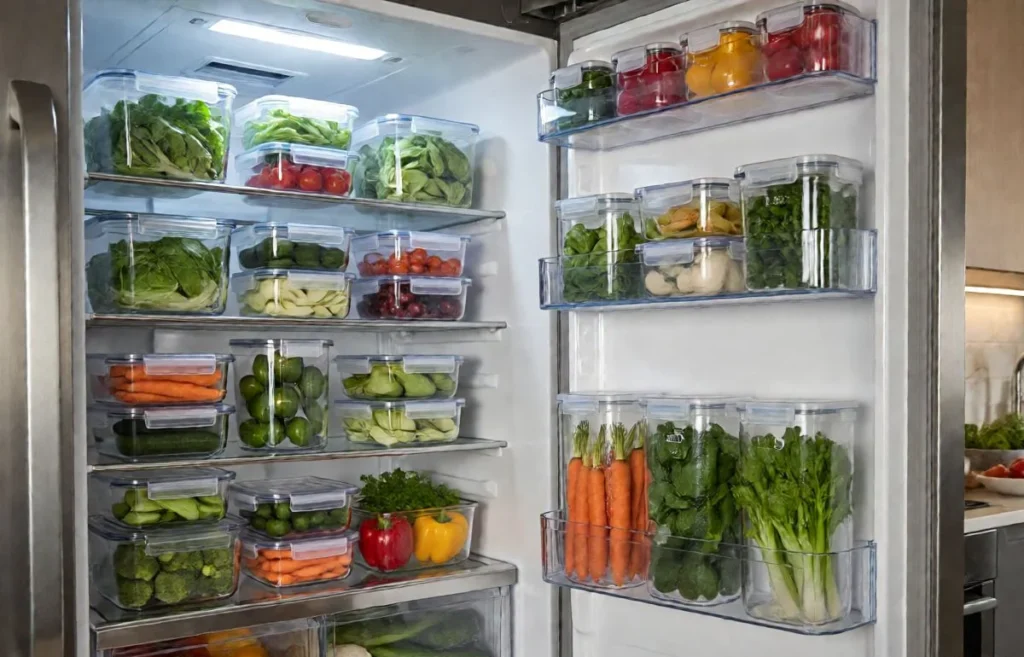
Keeping vegetables fresh in the fridge is a challenge for many. Using the right vegetable containers for refrigerator helps maintain freshness longer. These containers create a controlled environment that slows down spoilage and keeps vegetables crisp. Proper storage extends shelf life and reduces food waste. Choosing the best containers to store vegetables in fridge is essential for preserving taste, texture, and nutrients.
Humidity Control
Humidity control plays a major role in keeping vegetables fresh inside the fridge. Vegetables release moisture, which can cause them to wilt or rot if trapped in a sealed container. The vegetable storage containers for refrigerator often include adjustable vents or special lids to manage airflow and moisture levels.
Maintaining the right humidity level depends on the type of vegetable:
- High humidity: Leafy greens like spinach and lettuce need more moisture to stay crisp.
- Low humidity: Vegetables like mushrooms and onions require less moisture to avoid mold.
Some refrigerator storage containers for vegetables come with built-in humidity settings. These settings let you adjust vents for the right airflow. This helps balance moisture, preventing sogginess or dryness.
| Vegetable Type | Humidity Level Needed | Container Feature |
|---|---|---|
| Leafy Greens | High | Adjustable vents to trap moisture |
| Root Vegetables | Medium | Partial airflow vents |
| Mushrooms, Onions | Low | More airflow, moisture release |
Using the right container with humidity control extends the life of your vegetables. It keeps them fresh longer and reduces the risk of spoilage.
Proper Storage Techniques
Using refrigerator containers for vegetables is just one part of keeping produce fresh. Proper storage techniques inside the fridge matter too.
Follow these tips for best results:
- Clean vegetables before storing but dry them completely.
- Separate vegetables that release ethylene gas (like tomatoes) from those sensitive to it (like leafy greens).
- Use clear containers to see vegetables easily and avoid forgetting them.
- Label containers with the date to track freshness.
- Store vegetables in the crisper drawer if possible, using vegetable containers for refrigerator to organize them.
Here is a simple guide on where to store common vegetables:
| Vegetable | Storage Location | Container Recommendation |
|---|---|---|
| Carrots | Crisper drawer | Sealed vegetable container with medium humidity |
| Leafy Greens | Crisper drawer | Ventilated container with high humidity setting |
| Peppers | Fridge shelf | Loose in vegetable container or perforated bag |
Following these techniques with the best containers to store vegetables in fridge keeps produce fresh and tasty longer.
Cleaning And Maintenance Tips
Keeping vegetable containers for refrigerator clean is key to fresh produce and healthy eating. Dirt, food residue, and odors can build up, affecting the taste and safety of your vegetables. Regular cleaning and proper maintenance extend the life of your vegetable storage containers for refrigerator. Clean containers help prevent mold and bacteria growth. This section shares simple, effective tips to keep your refrigerator containers for vegetables spotless and odor-free.
Dishwasher Safe Containers
Many refrigerator storage containers for vegetables come labeled as dishwasher safe. These containers save time and effort during cleaning. Check the product label or manual to confirm if your best containers to store vegetables in fridge can go in the dishwasher.
Advantages of using dishwasher safe containers:
- Efficient cleaning: High water pressure removes food particles well.
- Sanitization: Hot water kills bacteria, keeping containers hygienic.
- Time-saving: No need for scrubbing by hand.
Tips for dishwasher use:
- Place containers on the top rack to avoid warping.
- Remove lids and wash separately to clean seals and grooves.
- Use a gentle cycle if the containers are made of plastic.
| Material | Dishwasher Safe | Notes |
|---|---|---|
| Glass | Yes | Top rack preferred |
| Plastic (BPA-free) | Usually | Use gentle cycle, top rack |
| Metal | No | Hand wash only |
Washing refrigerator containers for vegetables in a dishwasher keeps them clean and safe. This method suits busy kitchens and daily use.
Deodorizing Methods
Vegetable containers for refrigerator often absorb smells from stored food. Odors can transfer to fresh vegetables, affecting their flavor. Simple deodorizing methods refresh your containers and keep vegetables tasting good.
Effective deodorizing tips include:
- Baking soda: Sprinkle some inside the container. Let it sit for a few hours or overnight, then rinse.
- White vinegar: Wipe container with a vinegar-soaked cloth or soak for 10 minutes, then wash with soap and water.
- Lemon juice: Rub lemon juice inside the container to neutralize odors. Let it dry naturally.
Here is a simple routine to deodorize your vegetable storage containers for refrigerator:
- Empty and wash the container with warm soapy water.
- Apply one of the deodorizing agents (baking soda, vinegar, or lemon juice).
- Let it sit for 30 minutes to several hours depending on odor strength.
- Rinse thoroughly and air dry.
Regular deodorizing prevents bad smells and keeps your refrigerator containers for vegetables fresh. This simple care step improves the quality of stored vegetables and extends container life.
Budget-friendly Picks
Choosing the right vegetable containers for refrigerator does not have to be expensive. Budget-friendly picks offer smart, affordable ways to keep your veggies fresh and organized. These options help reduce waste and save money without sacrificing quality or style. Finding the best containers to store vegetables in fridge can be simple with a few smart choices.
Affordable Brands
Several brands provide refrigerator storage containers for vegetables that balance cost and functionality. These brands offer durable, easy-to-clean containers that fit well in most fridge spaces. Here are some popular affordable brands:
- Rubbermaid – Known for sturdy plastic containers with good seals.
- OXO Good Grips – Offers containers with clear lids for easy viewing.
- Mainstays – Budget-friendly options often found at big-box stores.
- Snapware – Provides airtight options that help veggies last longer.
These brands focus on practical features such as:
- Stackable designs to save fridge space
- Clear lids for quick content identification
- Ventilation options to control moisture
- BPA-free materials for safe food storage
| Brand | Price Range | Key Features | Best For |
|---|---|---|---|
| Rubbermaid | $10–$20 | Durable, airtight lids | Daily vegetable storage |
| OXO Good Grips | $12–$25 | Clear lids, stackable | Organizing various veggies |
| Mainstays | $5–$15 | Budget-friendly, simple design | Basic fridge storage |
| Snapware | $10–$22 | Airtight, BPA-free | Longer veggie freshness |
Choosing from these brands helps find vegetable storage containers for refrigerator that fit any budget.
Diy Container Ideas
Making your own refrigerator containers for vegetables saves money and uses items already at home. Many simple containers work well for storing vegetables safely and neatly.
Ideas for DIY vegetable containers include:
- Cleaned glass jars: Great for small veggies like cherry tomatoes or sliced peppers. They seal tight and are reusable.
- Plastic containers from takeout: Washed well, these are perfect for larger vegetables like carrots or cucumbers.
- Reusable silicone bags: Affordable and flexible, these keep leafy greens fresh and save space.
- Repurposed plastic baskets: Line with paper towels to absorb moisture and keep vegetables crisp.
Tips for DIY vegetable storage:
- Always wash containers thoroughly before use.
- Label containers with dates to track freshness.
- Use breathable covers or lids to avoid moisture build-up.
- Store vegetables in appropriate sections of the fridge for best results.
These DIY methods create low-cost, effective options for refrigerator containers for vegetables. They help reduce waste and organize your fridge without extra spending.
Organizing Your Refrigerator
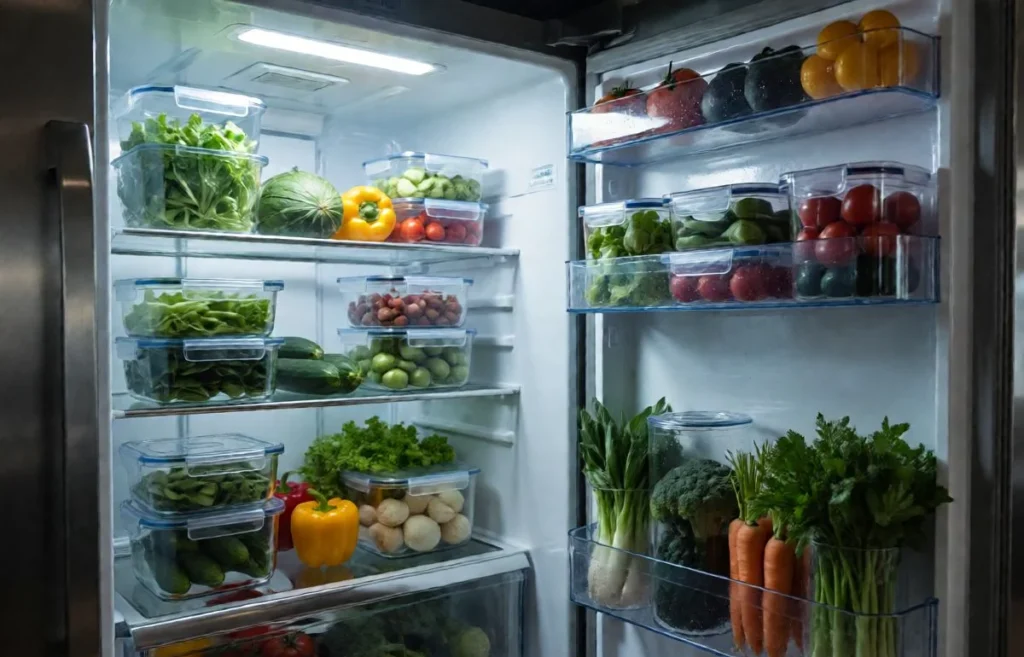
Organizing your refrigerator is key to keeping vegetables fresh and easy to find. Vegetable containers for refrigerator use help save space and reduce waste. Proper organization makes meal prep faster and keeps your fridge neat. Using the best containers to store vegetables in fridge ensures longer freshness and less spoilage. Good refrigerator storage containers for vegetables come in various shapes and sizes to fit all fridge shelves.
Stacking Strategies
Stacking vegetable storage containers for refrigerator use saves valuable space. Choose containers that are uniform in size and shape to create neat stacks. Clear containers help you see what is inside without opening them. Stack containers from heaviest at the bottom to lightest at the top to prevent crushing delicate vegetables.
- Use containers with flat lids for stable stacking.
- Reserve the top shelf for frequently used vegetables in smaller containers.
- Stack larger containers on the bottom to create a solid base.
- Group similar vegetables together for easier access.
Here is a simple stacking plan:
| Stack Level | Container Type | Vegetables Stored |
|---|---|---|
| Bottom | Large Rectangle | Potatoes, Onions |
| Middle | Medium Square | Carrots, Bell Peppers |
| Top | Small Round | Leafy Greens, Herbs |
Use refrigerator containers for vegetables that fit well on your shelves. Avoid overfilling containers to allow air flow and keep vegetables fresh longer.
Labeling Containers
Labeling vegetable containers for refrigerator use helps track freshness and avoid waste. Use waterproof labels or a dry-erase marker on clear containers. Write the vegetable name and date stored. This method keeps your fridge organized and helps use older vegetables first.
Try these labeling tips for refrigerator storage containers for vegetables:
- Use simple, large print for easy reading.
- Label the front of each container for quick identification.
- Include the purchase or storage date to track freshness.
- Use color-coded labels to group similar vegetables.
Labeling creates a system that helps reduce food waste and saves money. It also speeds up meal preparation by quickly finding the needed vegetables. Use the best containers to store vegetables in fridge with labeling space on lids or sides. This helps maintain a clean and efficient fridge environment.
Frequently Asked Questions
What Are The Best Vegetable Containers For Refrigerators?
The best vegetable containers keep produce fresh longer by controlling moisture. Look for containers with vents and airtight lids. Clear containers help you see contents easily.
How Do Vegetable Containers Keep Vegetables Fresh Longer?
Vegetable containers control humidity and airflow to slow spoilage. They prevent excess moisture buildup and reduce vegetable wilting. This keeps vegetables crisp and tasty.
Can Vegetable Containers Fit In Any Refrigerator Drawer?
Most vegetable containers are designed to fit standard fridge drawers. Check measurements before buying to ensure proper fit. Stackable containers help save space.
Are Plastic Or Glass Vegetable Containers Better For Storage?
Plastic containers are lightweight and less breakable, but some absorb odors. Glass containers are durable and easy to clean but heavier. Choose based on your needs and fridge space.
How Often Should I Clean Vegetable Containers In The Fridge?
Clean vegetable containers after each use to prevent bacteria growth. Use warm soapy water and dry completely before storing vegetables again. Regular cleaning keeps veggies fresh and safe.
Do Vegetable Containers Help Reduce Food Waste?
Yes, vegetable containers extend produce freshness, reducing spoilage and waste. Proper storage means fewer vegetables thrown away. This saves money and reduces environmental impact.
Can Vegetable Containers Be Used For Fruits Too?
Many vegetable containers work well for fruits by controlling moisture. Use containers with adjustable vents for different fruit types. This helps keep fruits fresh and juicy longer.
Conclusion
Vegetable containers keep your fridge neat and fresh. They stop vegetables from spoiling quickly. Choose containers that fit your fridge size. Clear containers help you see what you have. Using the right container saves time and money. Your vegetables stay crisp and tasty longer.
Organizing your fridge becomes simple and quick. Good containers make healthy eating easier every day. Try different sizes to match your needs. Clean containers often for best results. Keep your vegetables fresh and your kitchen happy.