
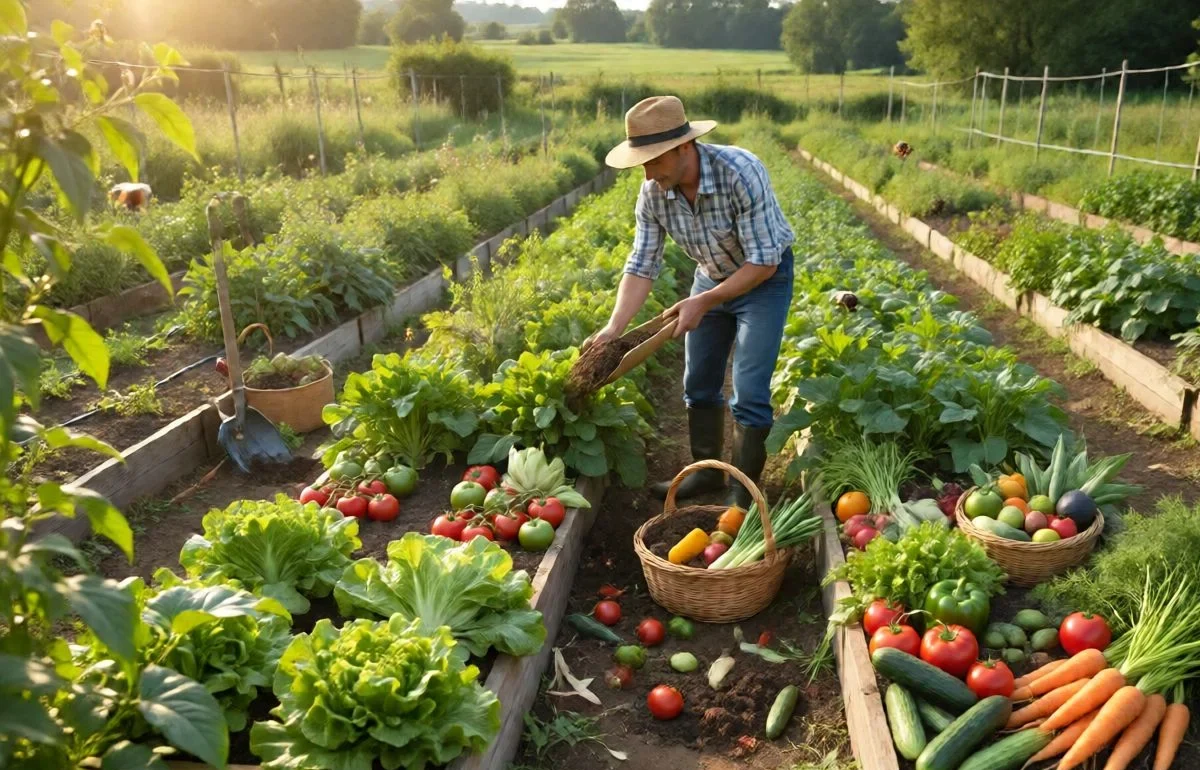

Are you ready to enjoy fresh, tasty vegetables straight from your own garden? Growing organic vegetables is easier than you might think, and it’s a great way to take control of what goes onto your plate.
Imagine biting into a crisp tomato or crunchy carrot that you nurtured yourself—no chemicals, just pure, natural flavor. You’ll discover simple steps to start growing your own organic veggies, even if you’ve never gardened before. Keep reading, and you’ll be on your way to a healthier, more rewarding lifestyle.
Choosing The Right Vegetables
Growing your own food is rewarding. Knowing how to grow organic vegetables starts with choosing the right vegetables. This choice affects your garden’s success and your harvest quality. Picking the best vegetables helps you learn how to produce organic vegetables easily. It also teaches you how to cultivate organic vegetables suited for your climate and soil. Understanding how to plant organic vegetables correctly begins here. Let’s explore how to select the best vegetables to grow organic food in your garden.
Climate And Growing Season
Vegetables need the right climate to grow well. Some plants prefer cool weather, others need warmth. Choose vegetables that match your region’s weather and the length of your growing season.
- Cool-season crops: Lettuce, spinach, broccoli, peas.
- Warm-season crops: Tomatoes, peppers, beans, cucumbers.
Check the average frost dates for your area. This helps you plan when to plant each vegetable.
Soil Type And Quality
Healthy soil is key for organic food. Different vegetables like different soil types. Some grow best in sandy soil, others in clay or loam.
| Vegetable | Preferred Soil Type | Notes |
|---|---|---|
| Carrots | Loose, sandy soil | Needs deep, soft soil for root growth |
| Tomatoes | Rich, well-drained loam | Requires good nutrients and drainage |
| Beans | Light, sandy or loamy soil | Fix nitrogen in soil, improving fertility |
Vegetable Purpose And Space
Think about how much space you have and what you want from your garden.
- Fresh eating: Choose fast-growing vegetables like lettuce and radishes.
- Cooking ingredients: Tomatoes, onions, garlic are great choices.
- Storage: Potatoes, carrots, and winter squash store well for months.
Use vertical space with climbing plants like peas or beans to save room.
Table of Contents
Preparing The Soil
Learning how to grow organic vegetables starts with preparing the soil properly. Healthy soil is the foundation for strong plants and rich harvests. Knowing how to produce organic vegetables means giving your soil the right care before planting. Good soil preparation helps plants absorb nutrients easily and grow better. It also improves water drainage and root strength. Understanding how to cultivate organic vegetables includes testing, loosening, and feeding the soil. This step is vital for anyone who wants to know how to plant organic vegetables successfully and enjoy fresh, healthy organic food.
Testing Your Soil
Testing soil shows its nutrient levels and pH balance. This helps decide what the soil needs.
- Use a soil test kit or send samples to a lab.
- Check for nitrogen, phosphorus, and potassium levels.
- Measure the soil pH; ideal range for most vegetables is 6.0 to 7.0.
Adjust soil based on test results to make it perfect for growing.
Loosening And Turning The Soil
Loosen soil to improve air and water flow. This helps roots grow deep and strong.
- Remove weeds and debris from the garden bed.
- Use a garden fork or tiller to turn the soil 6 to 8 inches deep.
- Break up large clumps into smaller pieces.
- Level the soil surface before planting.
Adding Organic Matter
Organic matter feeds soil microbes and improves texture. It also holds moisture and nutrients.
| Type of Organic Matter | Benefits | How to Use |
|---|---|---|
| Compost | Rich in nutrients, improves soil structure | Mix 2-3 inches into topsoil before planting |
| Manure | Provides nitrogen and minerals | Use well-rotted manure to avoid burning plants |
| Leaf Mold | Improves moisture retention and soil texture | Spread as mulch or mix into soil |
Ensuring Proper Drainage
Good drainage prevents waterlogging and root rot. Vegetables need moist, not soggy, soil.
- Check if water pools after rain or watering.
- Raise beds if soil is heavy clay or drains slowly.
- Add sand or organic matter to improve drainage.
Starting Seeds And Transplants
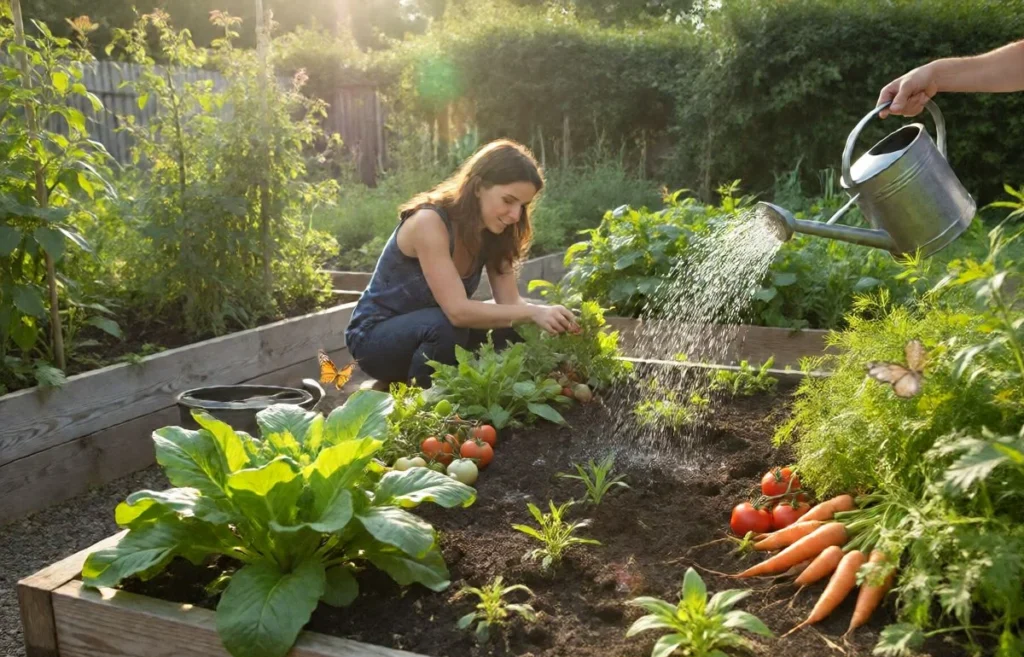
Starting seeds and transplants is a key step in learning how to grow organic vegetables. It allows control over the growing process from the very beginning. Seeds need the right environment to sprout strong and healthy. Transplants give a head start to plants that need more time to grow before moving outdoors. Understanding this step helps with how to produce organic vegetables successfully and teaches how to cultivate organic vegetables with care.
Choosing The Right Seeds
Select seeds labeled as organic to avoid chemicals. Pick varieties suited for your climate and soil. Here are some tips:
- Buy from trusted suppliers.
- Check seed packet for planting dates.
- Choose disease-resistant types.
- Consider heirloom varieties for better flavor.
Preparing Seed Starting Mix
Use a light, well-draining seed starting mix. Avoid garden soil because it can carry pests. A good mix includes:
| Ingredient | Purpose |
|---|---|
| Peat moss or coconut coir | Retains moisture |
| Perlite or vermiculite | Improves drainage and aeration |
| Compost (small amount) | Provides nutrients |
Planting Seeds Properly
Follow seed packet instructions for depth and spacing. Use this simple guide:
- Fill containers with seed mix.
- Moisten the mix but avoid soaking.
- Make shallow holes or furrows with your finger.
- Place seeds carefully and cover lightly.
- Label each container with seed type and date.
Care For Seedlings And Transplants
Seedlings need warmth, moisture, and light to thrive. Key points:
- Keep soil moist, not wet.
- Maintain temperature between 65°F and 75°F.
- Provide 12-16 hours of light daily, using grow lights if needed.
- Thin seedlings to avoid crowding.
- Harden off transplants by slowly exposing them to outdoor conditions.
Watering And Irrigation
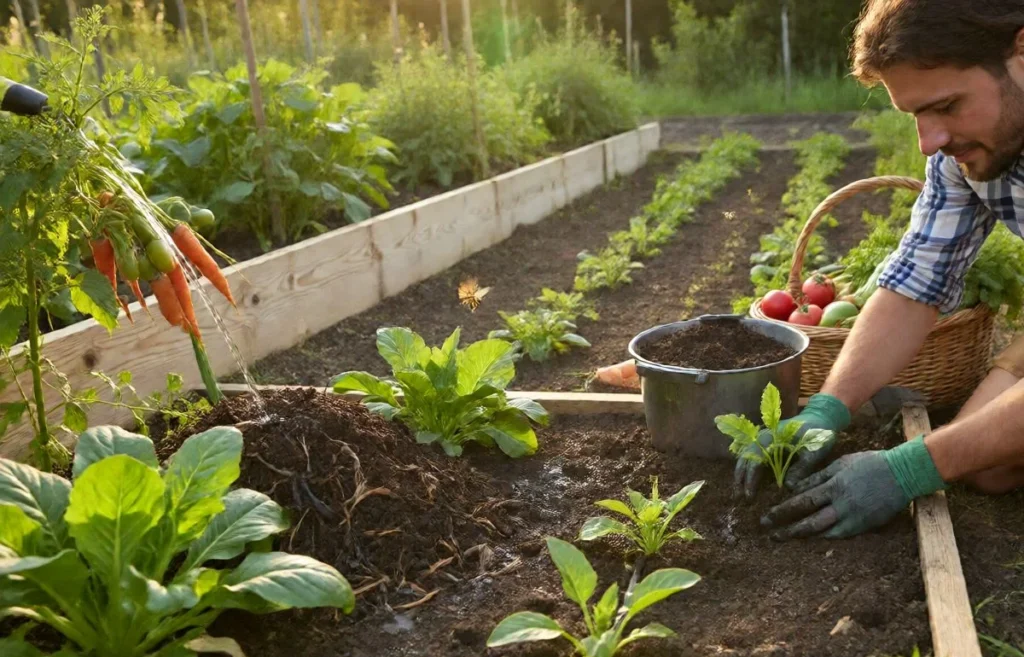
Water is one of the most important parts of how to grow organic vegetables. Proper watering and irrigation help plants stay healthy and strong. Knowing how to produce organic vegetables means understanding when and how much to water. Good watering keeps soil moist but not soggy. It also helps plants absorb nutrients better. Learning how to cultivate organic vegetables includes choosing the right watering methods for your garden. Proper watering saves time and water, making your garden more efficient. This section explains simple ways to water and irrigate your organic garden well.
Choosing The Right Time To Water
Water plants early in the morning or late in the evening. These times reduce water loss from evaporation. Watering in the heat of the day wastes water. It can also stress plants. Morning watering helps leaves dry before night. This prevents diseases. Evening watering works but may keep leaves wet longer, so watch for fungus.
How Much Water Do Organic Vegetables Need?
- Young plants need more frequent watering but less water each time.
- Mature plants require deeper watering to reach roots.
- Water about 1 inch per week, adjusting for rain.
- Check soil moisture by feeling it; it should be damp but not wet.
Best Irrigation Methods For Organic Gardens
Choose irrigation methods that save water and protect plants.
| Method | Advantages | Disadvantages |
|---|---|---|
| Drip Irrigation | Delivers water directly to roots, reduces evaporation, conserves water | Initial setup cost, requires maintenance |
| Soaker Hoses | Easy to install, good for rows, low water loss | Can clog, uneven water distribution if not positioned well |
| Hand Watering | Control over water amount, easy for small gardens | Time-consuming, less consistent |
| Sprinklers | Covers large areas, easy to use | Water loss by evaporation, wet leaves may cause disease |
Tips For Efficient Watering
- Use mulch to keep soil moist and reduce evaporation.
- Water at the base of plants, not on leaves.
- Avoid overwatering to prevent root rot.
- Observe plants daily for signs of too much or too little water.
- Collect rainwater to save water and support organic growing.
Natural Pest Control
Learning how to grow organic vegetables means understanding natural ways to protect your plants. Pests can damage crops, but chemical sprays are not the answer. Natural pest control keeps your garden healthy and safe. It helps you produce organic vegetables without harming the environment. Knowing how to cultivate organic vegetables includes using nature’s own tools to stop pests. This way, you can plant organic vegetables that grow strong and tasty. Discover simple methods to keep bugs away and enjoy fresh, healthy food.
Using Beneficial Insects
Helpful bugs fight garden pests naturally. Ladybugs, lacewings, and predatory wasps eat harmful insects. These beneficial insects protect your plants without chemicals.
- Ladybugs eat aphids and mites.
- Lacewings target caterpillars and whiteflies.
- Parasitic wasps lay eggs inside pest eggs, stopping them.
Introduce these insects near your vegetables to keep pests low.
Planting Companion Plants
Certain plants help repel pests when grown close to vegetables. This method is easy and effective for organic gardeners.
| Companion Plant | Vegetable Protected | Pest Repelled |
|---|---|---|
| Marigold | Tomatoes | Nematodes, whiteflies |
| Basil | Peppers, tomatoes | Flies, mosquitoes |
| Chives | Carrots, cabbage | Aphids, carrot rust flies |
Making Homemade Pest Sprays
Natural sprays can stop pests without chemicals. These sprays are safe and easy to make at home.
- Garlic spray: Crush garlic, soak in water, spray on plants.
- Soap spray: Mix mild liquid soap with water, spray on leaves.
- Chili spray: Blend hot peppers with water, strain, spray on plants.
Apply sprays early morning or late afternoon for best results.
Using Physical Barriers
Barriers keep pests away from your crops without chemicals. Use nets, row covers, or collars around plants.
- Row covers block insects but let light and water through.
- Collars stop cutworms and slugs near plant stems.
- Sticky traps catch flying insects before they reach plants.
These barriers protect plants while letting them grow freely.
Using Organic Fertilizers
Growing your own organic vegetables means caring for the soil and plants naturally. One key step in how to grow organic vegetables is using organic fertilizers. These fertilizers help plants get the nutrients they need without chemicals. Understanding how to produce organic vegetables includes knowing which fertilizers enrich the soil safely. Learning how to cultivate organic vegetables involves using natural methods to keep plants healthy. This guide will explain the benefits and types of organic fertilizers. It will help you how to plant organic vegetables that are fresh and chemical-free. Using organic fertilizers is a smart way to how to grow organic food in your garden.
What Are Organic Fertilizers?
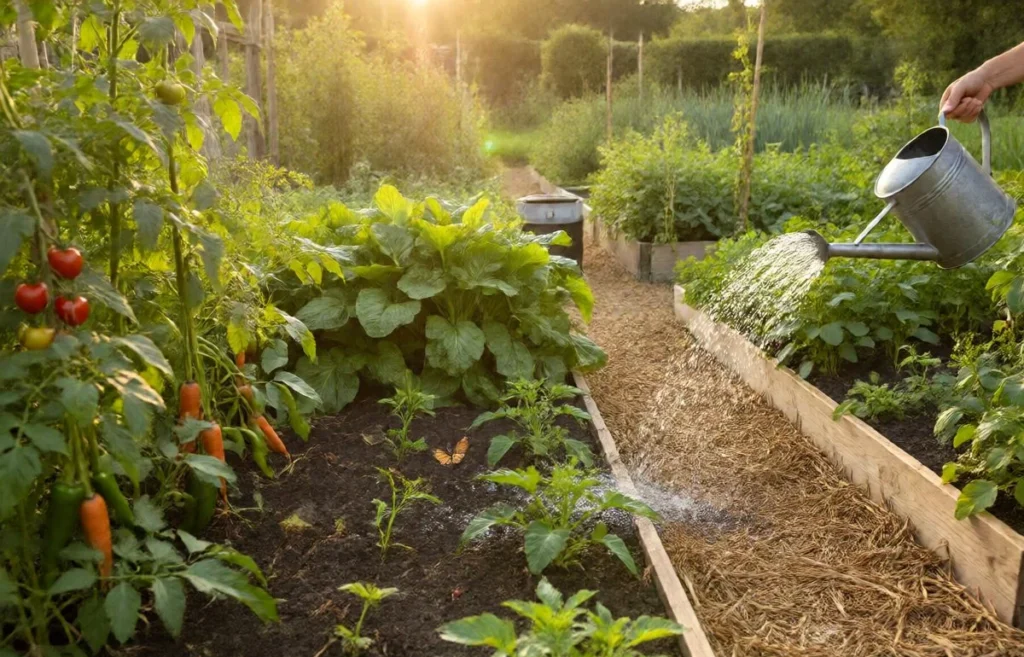
Organic fertilizers come from natural sources like plants and animals. They add nutrients slowly and improve soil health. Unlike synthetic fertilizers, they do not harm beneficial soil life. These fertilizers keep the soil rich and support plant growth for a long time.
Types Of Organic Fertilizers
| Type | Source | Benefits | Best Use |
|---|---|---|---|
| Compost | Decomposed plant and kitchen waste | Improves soil texture and moisture | Mix into soil before planting |
| Manure | Animal waste (cow, horse, chicken) | Rich in nitrogen and minerals | Use aged manure to avoid burning plants |
| Bone Meal | Ground animal bones | High in phosphorus for root growth | Apply near roots during planting |
| Seaweed Fertilizer | Processed seaweed | Contains trace minerals and growth hormones | Use as liquid spray or soil amendment |
How To Apply Organic Fertilizers
- Test your soil to know nutrient needs.
- Choose the right fertilizer based on your soil test.
- Mix compost or manure into the soil before planting.
- Use bone meal near seed or transplant roots.
- Spray liquid seaweed on leaves during growth.
- Water plants well after applying fertilizers.
Benefits Of Using Organic Fertilizers
- Improves soil structure and water retention.
- Feeds soil microbes that help plants.
- Reduces chemical buildup in the garden.
- Supports long-term soil health and fertility.
- Produces healthier and tastier vegetables.
Harvesting And Storage
Harvesting and storage are key steps in how to grow organic vegetables successfully. Proper harvesting ensures vegetables are picked at their best taste and nutrition. Good storage keeps your produce fresh longer and reduces waste. Understanding these steps helps anyone learn how to produce organic vegetables efficiently.
When To Harvest Organic Vegetables
Knowing the right time to harvest is important in how to cultivate organic vegetables. Vegetables picked too early may lack flavor. Picked too late, they can become tough or bitter. Each vegetable has a peak time for harvesting.
- Leafy greens: Harvest when leaves are young and tender.
- Root vegetables: Wait until roots reach full size.
- Fruits (like tomatoes): Pick when fully colored and firm.
Use a sharp knife or scissors to cut vegetables cleanly. This avoids damage to the plant and promotes more growth.
How To Harvest Without Damaging Plants
Careful harvesting is part of how to plant organic vegetables. Follow these simple tips:
- Use clean tools to prevent disease spread.
- Harvest in the morning for best flavor and texture.
- Handle vegetables gently to avoid bruises.
- Leave some leaves or stems so plants can keep growing.
Best Methods For Storing Organic Vegetables
Proper storage keeps vegetables fresh and nutritious. Here are common storage tips in how to grow organic food gardens:
| Vegetable Type | Storage Method | Storage Time |
|---|---|---|
| Leafy Greens | Wrap in damp paper towel, place in fridge | 1-2 weeks |
| Root Vegetables | Store in cool, dark, and dry place | Several weeks to months |
| Tomatoes | Keep at room temperature, away from direct sun | Up to 1 week |
| Peppers | Refrigerate in breathable bag | 1-2 weeks |
Tips For Long-term Storage
- Freeze vegetables like peas and beans after blanching.
- Dry herbs and store in airtight containers.
- Can tomatoes and cucumbers for use later.
- Label containers with date and contents.
Frequently Asked Questions
What Are The Best Organic Vegetables To Grow At Home?
Leafy greens, tomatoes, carrots, and beans grow well in home gardens. They need simple care and grow quickly. These vegetables are great for beginners.
How Do I Prepare Soil For Organic Vegetable Gardening?
Use compost and natural fertilizers to enrich soil. Avoid chemical pesticides and fertilizers. Healthy soil helps plants grow strong and healthy.
How Often Should I Water Organic Vegetable Plants?
Water plants deeply once or twice a week. Avoid overwatering to prevent root rot. Early morning watering is best for plant health.
What Natural Methods Control Pests In Organic Gardens?
Introduce beneficial insects like ladybugs and use neem oil spray. Handpick pests when possible. These methods keep pests away without chemicals.
Can I Grow Organic Vegetables In Small Spaces?
Yes, use containers, raised beds, or vertical gardening. Choose compact vegetable varieties. Small spaces can still produce fresh organic food.
When Is The Best Time To Plant Organic Vegetables?
Plant after the last frost date for your area. Check seed packets for specific timing. Timing ensures better growth and harvest.
How Do I Keep Organic Vegetables Healthy Without Chemicals?
Rotate crops yearly to prevent soil disease. Mulch to retain moisture and control weeds. Use natural compost to feed plants.
Conclusion
Growing organic vegetables takes time and care. Start with good soil and healthy seeds. Water your plants regularly but do not drown them. Watch for pests and remove them gently. Harvest vegetables when they are ripe and fresh. This way, you enjoy tasty and healthy food.
Gardening also brings peace and joy. Keep learning and try new plants each season. Your garden will grow better every year. Small efforts lead to big rewards. Happy gardening!