
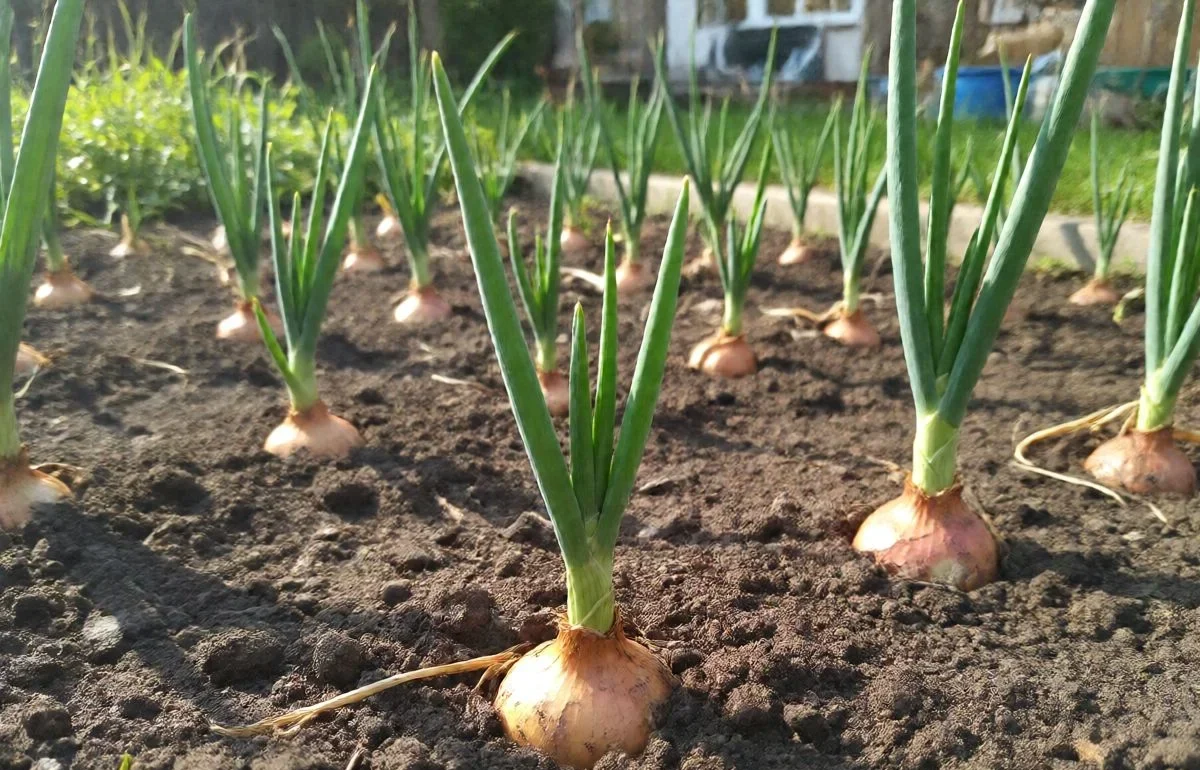

Are you ready to add fresh, flavorful onions to your garden? Growing onions might seem tricky, but with the right steps, you can enjoy crisp, tasty bulbs right from your backyard.
Imagine slicing into your own homegrown onion, bursting with flavor and free from chemicals. This guide will show you exactly how to grow onions successfully, whether you have a big garden or just a small patch. Keep reading, and you’ll discover simple tips that make growing onions easier than you think.
Your garden—and your kitchen—will thank you!
Choosing Onion Varieties
Choosing the right onion variety is key to success in how to grow onions. Each type of onion has unique traits that affect growth, flavor, and harvest time. Picking the right variety depends on the climate, soil, and how you want to use your onions. Understanding the differences helps you plan better for onion sets growing in your garden.
Understanding Onion Types
Onions come in three main types based on day length sensitivity:
- Short-day onions: Start forming bulbs when daylight lasts 10-12 hours. Best for southern regions.
- Intermediate-day onions: Need 12-14 hours of daylight to form bulbs. Grow well in mid-latitudes.
- Long-day onions: Bulb formation begins after 14-16 hours of daylight. Ideal for northern areas.
Choosing the right day length type ensures your onions develop large, firm bulbs.
Common Onion Varieties To Grow
| Variety | Type | Flavor | Best Use |
|---|---|---|---|
| Yellow Sweet Spanish | Long-day | Mild, sweet | Cooking, salads |
| Red Burgundy | Long-day | Sharp, spicy | Raw, grilling |
| White Lisbon | Short-day | Sharp, pungent | Pickling, fresh use |
| Egyptian Walking Onions | Day-neutral | Mild, oniony | Perennial growing, green onions |
Choosing Between Seeds, Sets, And Transplants
Onion sets are small bulbs that give a head start in growing. They are easy to plant and reduce growing time.
Growing onions from seeds allows more variety choices but takes longer. Transplants offer a middle ground in speed and variety.
- Seeds: More variety, longer growth period.
- Onion sets: Faster growth, limited variety.
- Transplants: Moderate growth time and variety.
Table of Contents
Special Variety: Egyptian Walking Onions
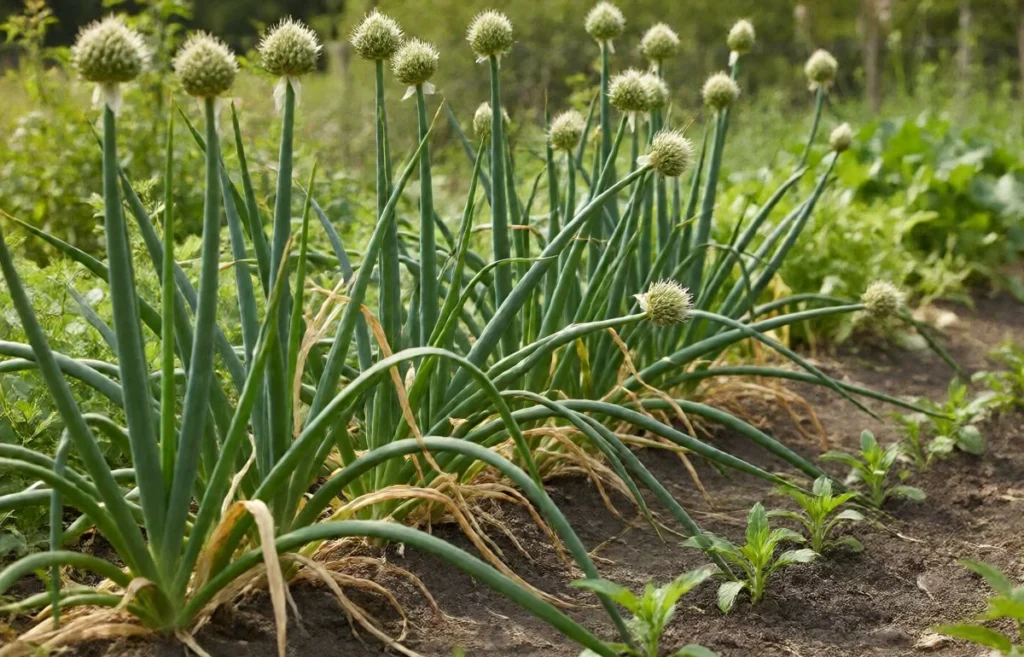
Egyptian walking onions are unique. They produce small bulbs on top of stalks, which “walk” to new spots as they fall and root.
They act like a perennial onion. Great for gardeners wanting less replanting and fresh green onions year-round.
Preparing The Soil
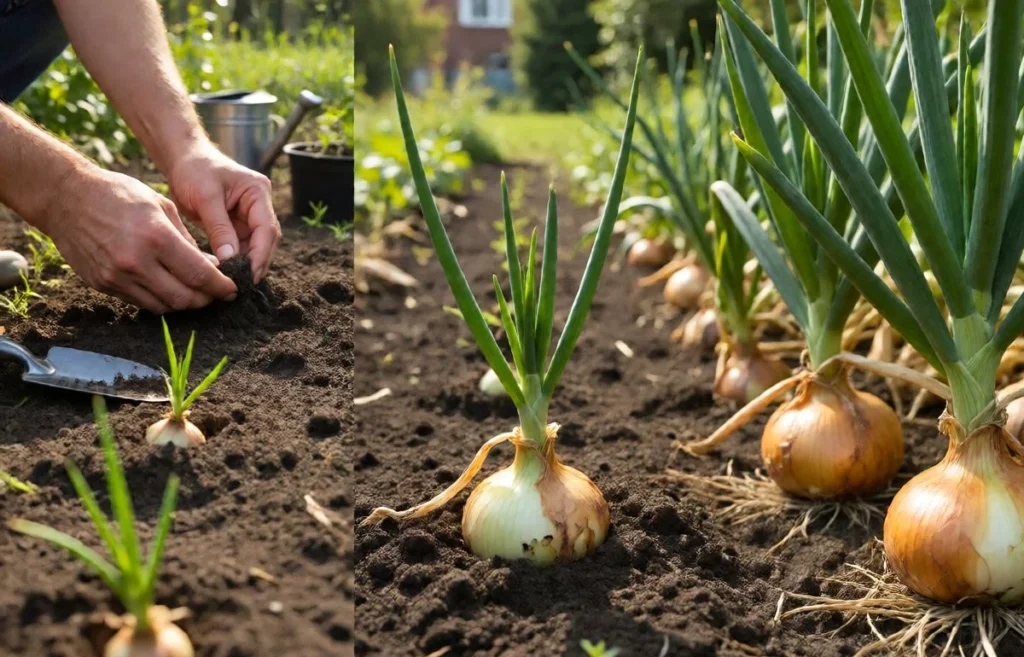
Learning how to grow onions starts with preparing the soil properly. Good soil is the foundation for healthy onion growth. Whether using onion sets, seeds, or egyptian walking onions, the right soil conditions help roots grow strong. Preparing the soil well makes onion sets growing easier and improves the final harvest. Here’s how to prepare your garden soil for the best results.
Checking Soil Quality
Start by testing the soil. Onions need loose, well-drained soil with plenty of nutrients. A soil test kit helps check:
- pH level (ideal between 6.0 and 7.0)
- Nutrient content (especially nitrogen, phosphorus, and potassium)
- Drainage ability
Good soil quality means onions will grow faster and become larger.
Clearing And Loosening The Soil
Remove weeds and old plant roots from the bed. Use a garden fork or tiller to loosen soil down to 8–12 inches. Loosening helps onion roots spread easily.
- Break up large clumps
- Make the soil soft and crumbly
- Ensure the soil is not compacted
Adding Nutrients And Organic Matter
Onions need rich soil. Mix in organic matter like compost or well-rotted manure. This improves soil texture and provides nutrients.
| Material | Benefits | Application Rate |
|---|---|---|
| Compost | Improves soil structure and nutrients | 2-3 inches spread over soil |
| Manure (well-rotted) | Increases nitrogen content | 1-2 inches mixed into soil |
| Balanced fertilizer (10-10-10) | Supplies essential nutrients | Follow package instructions |
Creating Raised Beds Or Rows
Raised beds improve drainage and warmth. Shape soil into rows 6-8 inches high. This helps how to cultivate onion by keeping roots from sitting in water.
- Mark the planting area
- Form rows or beds
- Make rows 12-18 inches apart
- Ensure good sunlight exposure
Planting Techniques
Learning how to grow onions starts with understanding the right planting techniques. Planting onions correctly helps them develop strong roots and healthy bulbs. There are different ways to plant onions, such as using seeds, onion sets, or transplants. Each method has its benefits and suits different gardeners. This section explains the best ways to plant onions, including tips for onion sets growing and a look at unique types like Egyptian walking onions. Knowing how to cultivate onion plants properly makes a big difference in your harvest.
Using Onion Sets For Easy Planting
Onion sets are small, immature onions grown from seed the previous year. They are easy to plant and grow faster than seeds. Onion sets growing is popular for beginners and busy gardeners.
- Choose firm, healthy sets about 1 inch in diameter.
- Plant sets pointed end up, 1 to 2 inches deep.
- Space sets 4 to 6 inches apart in rows 12 to 18 inches apart.
- Water well after planting to help root growth.
Planting Onion Seeds For A Full Crop
Starting onions from seed takes longer but offers more variety. Seeds allow growing sweet, red, or white onions. Follow these steps:
- Sow seeds indoors 8 to 10 weeks before last frost.
- Keep seeds in shallow trays with moist soil.
- Transplant seedlings outdoors when they reach 4 inches tall.
- Space seedlings 4 inches apart in rows 12 to 18 inches apart.
Growing Egyptian Walking Onions
Egyptian walking onions are special. They produce tiny bulbs at the top of their stalks that “walk” to new spots when they fall off. Plant them like sets:
- Plant bulbs 2 inches deep and 6 inches apart.
- Expect new plants to grow around the parent plant.
- They need little care and spread naturally.
| Planting Method | Depth | Spacing | Time to Harvest |
|---|---|---|---|
| Onion Sets | 1 to 2 inches | 4 to 6 inches apart | 90 to 120 days |
| Onion Seeds | Surface, lightly covered | 4 inches apart | 120 to 150 days |
| Egyptian Walking Onions | 2 inches | 6 inches apart | Varies, spreads quickly |
Watering And Fertilizing
Growing onions requires careful attention to watering and fertilizing. These two elements are key to healthy onion sets and good onion sets growing. Whether you are learning how to grow onions from seeds or onion sets, managing water and nutrients properly helps your plants thrive. Even egyptian walking onions benefit from the right care. Understanding how to cultivate onion with proper watering and feeding will improve your harvest.
Watering Needs For Onions
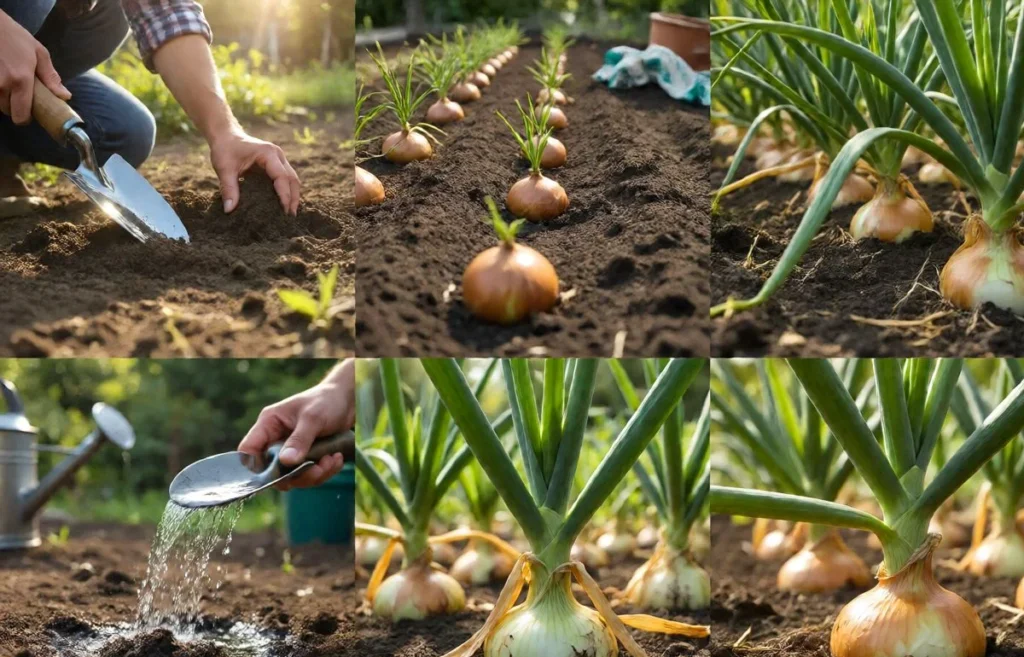
Onions need consistent moisture but dislike soggy soil. Water your onion sets regularly to keep the soil damp. During dry spells, water deeply once or twice a week to reach the roots. Avoid overhead watering to prevent disease and rot.
- Keep soil evenly moist, not wet.
- Water early in the day for better absorption.
- Reduce watering as onions near maturity to avoid soft bulbs.
Fertilizing Onions For Best Growth
Fertilizing supports strong root and bulb development. Use a balanced fertilizer rich in nitrogen at the start to boost leaf growth. Switch to a fertilizer higher in phosphorus and potassium as bulbs form. This improves size and flavor.
- Apply nitrogen-heavy fertilizer during early growth.
- Change to phosphorus and potassium fertilizer mid-season.
- Follow package instructions for amounts and frequency.
Recommended Fertilizer Types And Schedule
| Growth Stage | Fertilizer Type | Frequency |
|---|---|---|
| Planting to early growth | High nitrogen (e.g., 10-10-10) | Every 2 weeks |
| Bulb formation | High phosphorus and potassium (e.g., 5-10-10) | Every 3 weeks |
| Late growth | Light feeding or none | Optional |
Managing Pests And Diseases
Learning how to grow onions successfully means knowing how to protect your plants. Managing pests and diseases is key to healthy onions. Onion sets and egyptian walking onions can suffer from common problems that reduce yield and quality. Onion sets growing in your garden need care to avoid damage. Knowing how to cultivate onion with pest and disease control helps you get the best harvest.
Identifying Common Onion Pests
Watch for these pests on onion plants:
- Onion Thrips: Tiny insects that suck juice from leaves causing silver streaks.
- Onion Maggots: Larvae that feed on onion roots and bulbs, causing decay.
- Cutworms: Caterpillars that cut young onion shoots near soil level.
- Leafminers: Larvae that tunnel inside leaves, leaving white trails.
Early detection stops damage. Check leaves and soil often.
Preventing Onion Diseases
Common onion diseases include:
| Disease | Symptoms | Prevention |
|---|---|---|
| Downy Mildew | Gray mold on leaves, yellow spots | Plant in well-drained soil, avoid overhead watering |
| Fusarium Basal Rot | Yellowing leaves, bulb rot at base | Use disease-free onion sets, rotate crops yearly |
| Pink Root | Roots turn pink and shrink | Plant resistant varieties, improve soil drainage |
Organic Pest Control Methods
Try these natural ways to control pests:
- Use insecticidal soap: Spray on leaves to kill thrips and leafminers.
- Introduce beneficial insects: Ladybugs and lacewings eat harmful pests.
- Apply neem oil: Acts as a natural insect repellent.
- Remove affected plants: Stop pests from spreading.
Best Practices For Disease Management
- Rotate crops: Avoid planting onions in the same place each year.
- Use clean onion sets: Buy from trusted sources to prevent disease.
- Water early: Water in the morning to let leaves dry fast.
- Improve soil drainage: Prevents root diseases by keeping soil dry.
Harvesting Onions
Harvesting onions is the final step in the process of how to grow onions successfully. After months of caring for onion sets and watching onion sets growing, it is time to collect your hard work. Knowing when and how to harvest onions helps keep them fresh and ready for storage. Whether you are learning how to cultivate onion or tending to egyptian walking onions, harvesting correctly is key to enjoying a good crop.
When To Harvest Onions
Onions are ready to harvest when their tops start to fall over and turn yellow or brown. This shows the bulbs have matured. Usually, this happens 100 to 120 days after planting onion sets. Watch the leaves closely. If more than half the tops have fallen, it is time to harvest.
How To Harvest Onions Properly
- Loosen the soil around each onion with a garden fork.
- Lift the bulbs gently without damaging them.
- Shake off excess dirt but do not wash the onions yet.
- Place the onions in a dry, shaded area to cure.
Do not pull onions by their tops. This can damage the bulbs and reduce storage life.
Curing And Storing Onions
Curing onions helps them dry and store longer. Follow these steps:
- Lay onions in a single layer on a dry surface.
- Keep them in a well-ventilated, shaded area for 2 to 3 weeks.
- Onion skins should become papery and tops completely dry.
- Trim roots and cut tops back to one inch after curing.
- Store onions in a cool, dry place with good air flow.
| Storage Tip | Details |
|---|---|
| Temperature | 32 to 40°F (0 to 4°C) is ideal |
| Humidity | Low humidity prevents rot |
| Container | Use mesh bags or crates for air flow |
Special Notes On Egyptian Walking Onions
Egyptian walking onions grow differently from regular onions. Their tops form small bulbs called bulbils. These bulbils can be harvested and planted or allowed to fall and grow new plants. The main bulbs can be harvested like regular onions. Wait until the tops die back before digging them up.
Storing And Using Onions
Growing onions at home offers fresh, tasty bulbs for your kitchen. Learning how to grow onions includes understanding how to store and use them well. Proper storage keeps onions fresh longer. Using onions in many dishes adds flavor and nutrition. This guide covers storing and using onions from onion sets and egyptian walking onions.
Storing Onions For Long Freshness
Store onions in a cool, dry, and dark place. Good air circulation helps prevent mold and sprouting. Avoid storing onions near potatoes; they release moisture and gases that spoil onions faster.
- Keep onions in mesh bags or baskets.
- Temperatures between 45-55°F are best.
- Do not store peeled or cut onions with whole ones.
- Check onions often for soft spots or mold.
Using Onion Sets And Egyptian Walking Onions
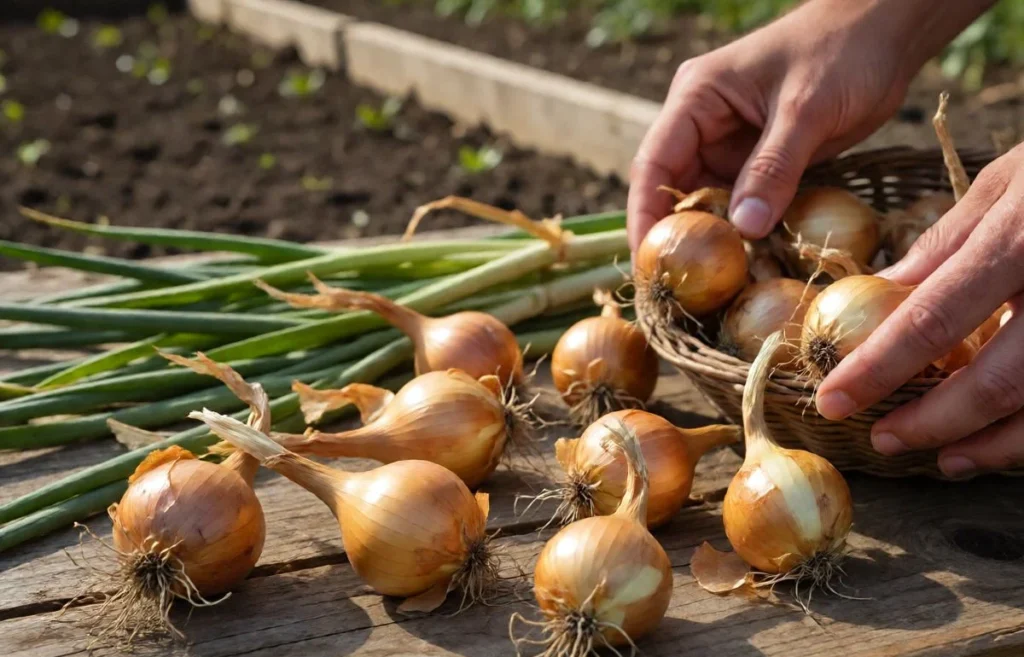
Onion sets growing in your garden produce small bulbs. Use these young onions in salads or as green onions. Egyptian walking onions have small bulbs at the top of their stalks. They can be harvested and used like spring onions or planted again to grow new plants.
- Pick tender onion tops for fresh use.
- Use small bulbs in soups or stews.
- Plant bulb tops again for new growth.
Cooking Tips For Onions
Onions add flavor in many ways. Raw onions are sharp and crunchy. Cooking onions softens their taste and makes dishes sweeter. Use different types of onions for various recipes:
| Onion Type | Best Use | Flavor |
|---|---|---|
| Yellow onions | Soups, stews, roasting | Rich, strong |
| Red onions | Salads, grilling, pickling | Mild, sweet |
| White onions | Salsas, Mexican dishes | Sharp, crisp |
Preserving Onions For Future Use
Dry onions or freeze them to save for later. Dry onions by slicing thin and air drying or using a dehydrator. Freeze chopped onions in small bags for cooking use. Both methods keep onions usable for months.
- Dry onions in a warm, airy place.
- Store dried onions in airtight containers.
- Freeze onions in portion sizes for easy use.
- Label frozen bags with the date.
Frequently Asked Questions
How Long Does It Take To Grow Onions?
Onions usually take 90 to 120 days to grow fully. The time varies by onion type and growing conditions.
What Soil Is Best For Growing Onions?
Onions grow best in loose, well-drained soil rich in organic matter. Slightly acidic to neutral soil pH works well.
How Much Sunlight Do Onions Need Daily?
Onions need full sun, about 6 to 8 hours a day. More sunlight helps bulbs grow larger and healthier.
How Often Should I Water Onion Plants?
Water onions regularly but avoid waterlogging the soil. Keep soil moist, especially during bulb formation.
Can Onions Grow From Seeds Or Sets?
Yes, onions can grow from seeds or sets. Sets grow faster, while seeds offer more variety.
When Is The Best Time To Plant Onions?
Plant onions in early spring or late fall, depending on your climate. Cooler weather helps young plants establish well.
How Do I Know When Onions Are Ready To Harvest?
Onions are ready when tops turn yellow and fall over. Leave them to dry for a few days before storing.
Conclusion
Growing onions takes patience, care, and the right conditions. Choose a sunny spot with well-drained soil. Water them regularly but avoid overwatering. Keep the soil loose and free of weeds. Watch for pests and remove them quickly. Harvest onions when their tops turn brown and dry.
Store them in a cool, dry place. With simple steps, you can enjoy fresh onions from your garden. Give it time and enjoy the process. Your efforts will pay off with tasty, homegrown onions.