
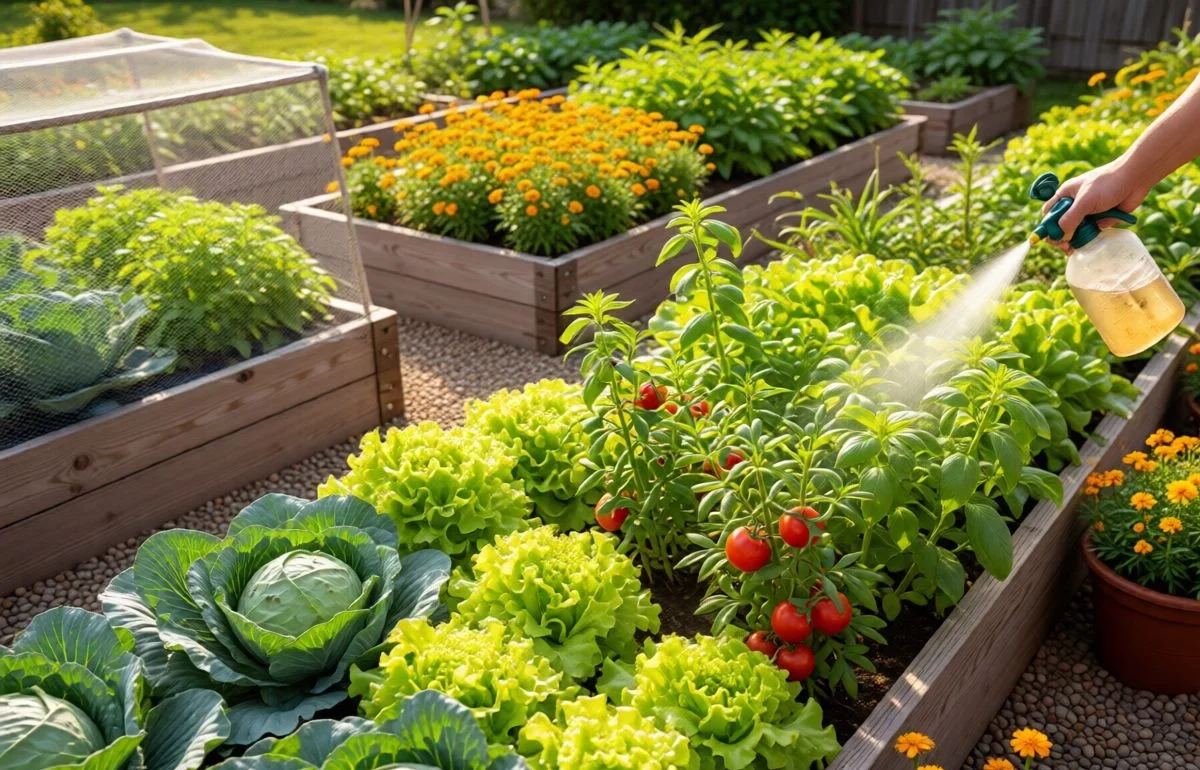

Are you tired of seeing your hard work in the vegetable garden ruined by pesky insects? You’re not alone.
Those tiny invaders can quickly turn your fresh, healthy crops into a feast for bugs. But don’t worry—controlling garden insects doesn’t have to be overwhelming or full of harsh chemicals. You’ll discover simple, effective ways to protect your vegetables and keep your garden thriving.
Keep reading to learn how to take back control and enjoy a bountiful, insect-free harvest!
Common Garden Pests
Controlling insects is vital for a healthy vegetable garden. Vegetable garden insect control protects plants from damage and boosts growth. Many gardeners prefer organic insect control for vegetable gardens to avoid harmful chemicals. Knowing how to keep insects out of garden and how to keep bugs out of vegetable garden naturally helps maintain a safe environment. Common pests can destroy leaves, stems, and fruits, reducing harvest quality. Pest control organic vegetable garden methods focus on natural ways to stop these pests without harming beneficial insects.
Aphids
Aphids are small, soft-bodied insects that suck plant juices. They gather in groups on leaves and stems. Aphids cause leaves to curl and yellow. They also spread plant diseases. These pests attract ants because they produce a sticky substance called honeydew.
- Look for clusters on new growth.
- Use insecticidal soap or neem oil.
- Encourage ladybugs, natural aphid predators.
Cabbage Worms
Cabbage worms are green caterpillars that eat holes in leaves. They target cabbage, broccoli, kale, and related vegetables. These worms can quickly ruin a crop if not controlled.
- Handpick worms off plants.
- Use Bt (Bacillus thuringiensis), a natural bacteria spray.
- Cover plants with row covers to block moths from laying eggs.
Spider Mites
Spider mites are tiny pests that cause yellow spots on leaves. They spin fine webs under leaves, making plants look dusty. Spider mites thrive in hot, dry weather.
| Sign | Effect | Control |
|---|---|---|
| Yellow speckled leaves | Leaf damage and drop | Spray water to remove mites; use neem oil |
| Fine webbing on leaves | Reduced photosynthesis | Increase humidity around plants |
Squash Bugs
Squash bugs feed on squash, pumpkins, and zucchini. They suck sap, causing leaves to wilt and turn brown. These bugs hide under leaves during the day.
- Destroy eggs found on leaf undersides.
- Handpick adults in the morning.
- Use row covers early in the season.
Cutworms
Cutworms are larvae that cut young seedlings at soil level. They hide in the soil during the day and feed at night. Cutworms affect tomatoes, peppers, and other vegetables.
- Place collars around seedlings to protect stems.
- Remove plant debris to reduce hiding spots.
- Use beneficial nematodes to kill larvae.
Table of Contents
Natural Predators
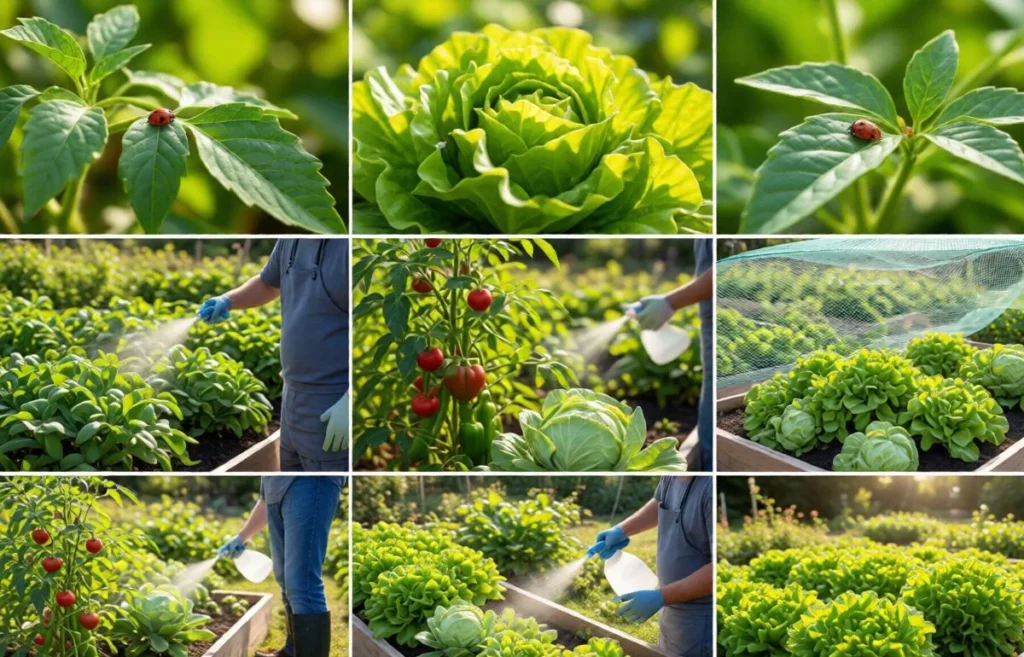
Controlling insects in your vegetable garden can be tricky. Chemical pesticides often harm the plants and soil. Natural predators offer an eco-friendly way to manage pests. These helpful insects and animals eat harmful bugs, keeping your garden healthy. Using natural predators is a smart method for vegetable garden insect control and supports organic insect control for vegetable gardens.
Understanding how to keep insects out of garden with natural predators can save time and effort. It also helps maintain a balanced ecosystem. Many gardeners ask about how to keep bugs out of vegetable garden naturally. The answer lies in encouraging the right predators. This approach is key to effective pest control organic vegetable garden methods.
Ladybugs: The Aphid Warriors
Ladybugs are small but mighty fighters against aphids. Aphids damage plants by sucking sap and spreading disease. A single ladybug can eat up to 50 aphids a day. They also consume other soft-bodied insects.
- Attract ladybugs by planting dill, fennel, or yarrow.
- Provide water sources like shallow dishes with pebbles.
- Avoid pesticides that kill beneficial insects.
Lacewings: Green Pest Hunters
Lacewing larvae are natural predators of many garden pests. They feed on aphids, caterpillars, and whiteflies. Lacewings help maintain pest balance without chemicals.
- Grow plants like cosmos or sunflowers to attract lacewings.
- Use mulch to offer shelter for eggs and larvae.
- Limit pesticide use to protect lacewing populations.
Praying Mantises: Silent Ambushers
Praying mantises eat a wide range of insects, including harmful bugs. They blend into plants and wait to catch prey. Mantises are great for how to keep bugs out of vegetable garden naturally.
| Benefit | Details |
|---|---|
| Wide Diet | Eat beetles, flies, moths, and grasshoppers |
| Low Maintenance | Require no special care once established |
| Long Lifespan | Stay active throughout the growing season |
Ground Beetles: Nighttime Garden Guardians
Ground beetles hunt pests at night. They feed on slugs, caterpillars, and other larvae. These beetles protect plants underground and on the surface.
- Keep soil moist to attract ground beetles.
- Leave leaf litter or mulch for shelter.
- Minimize tilling to protect beetle habitats.
Organic Insecticides
Controlling pests is key to a healthy vegetable garden. Using organic insecticides offers a safe way to protect plants. These natural options help with vegetable garden insect control without harsh chemicals. Many gardeners seek organic insect control for vegetable gardens to keep their crops safe. Knowing how to keep insects out of garden naturally can improve plant health. Learning how to keep bugs out of vegetable garden naturally helps maintain a safe environment. Choosing pest control organic vegetable garden methods supports sustainability and safety.
What Are Organic Insecticides?
Organic insecticides come from natural sources like plants and minerals. These products kill or repel pests without harming the soil or plants. They often have fewer side effects than chemical insecticides. Common types include neem oil, insecticidal soap, and diatomaceous earth. Using these helps maintain a healthy garden ecosystem.
Popular Organic Insecticides For Vegetable Gardens
| Organic Insecticide | Source | Use | Effect on Pests |
|---|---|---|---|
| Neem Oil | Neem tree seeds | Spray on leaves | Stops feeding, growth |
| Insecticidal Soap | Fatty acids from plants | Direct spray | Breaks pest skin |
| Diatomaceous Earth | Fossilized algae | Sprinkle on soil/plants | Damages pest exoskeleton |
| Pyrethrin | Chrysanthemum flowers | Spray application | Paralyzes pests |
How To Apply Organic Insecticides Safely
- Read label instructions carefully before use.
- Apply in early morning or late afternoon.
- Use protective gloves and avoid skin contact.
- Spray evenly on affected plants.
- Repeat applications as needed, not more than recommended.
- Keep children and pets away during spraying.
Benefits Of Using Organic Insecticides
Organic insecticides protect plants without harmful chemicals. They help keep beneficial insects alive, like bees and ladybugs. These products break down quickly in the environment. They reduce the risk of chemical buildup in soil and water. Using organic options fits well with natural gardening methods. They support long-term pest control organic vegetable garden success.
Companion Planting
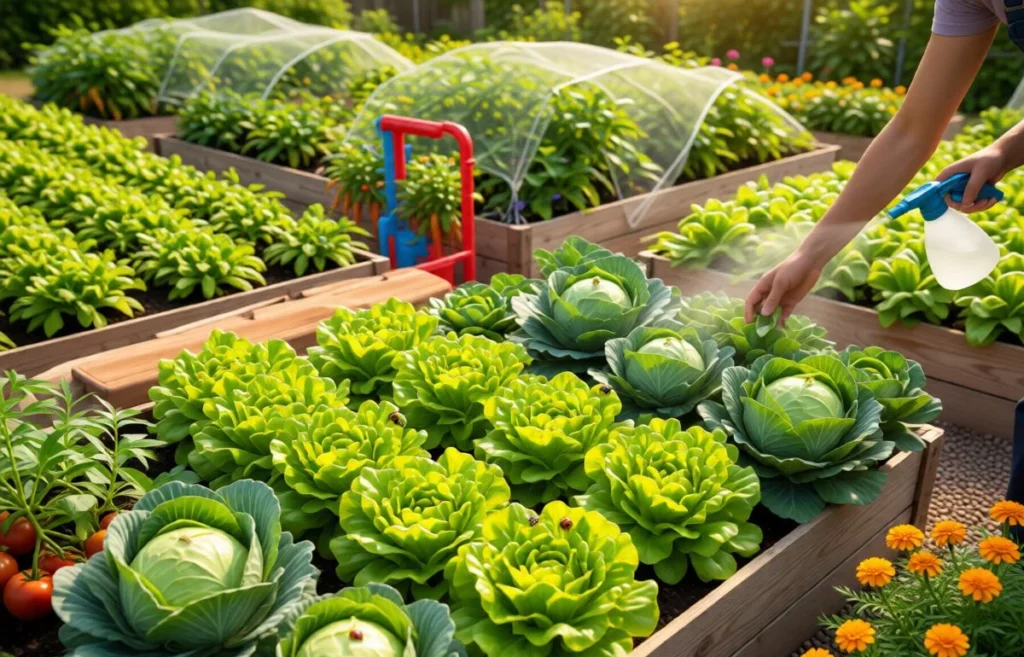
Vegetable garden insect control can be tricky without harsh chemicals. Organic insect control for vegetable gardens uses nature’s own defenses. Companion planting is an effective and natural way to protect your plants from harmful bugs. This method helps keep bugs out of vegetable garden naturally by planting certain plants together. It tricks or repels pests and attracts helpful insects. Learn how to keep insects out of garden by using companion plants. This is a smart and easy way of pest control organic vegetable garden enthusiasts prefer.
What Is Companion Planting?
Companion planting means growing different plants close to each other. Some plants help others by keeping pests away. Others attract insects that eat harmful bugs. This method reduces the need for sprays or chemicals. It creates a balanced garden ecosystem. Gardeners use companion planting to protect vegetables naturally and improve growth.
Best Companion Plants For Insect Control
| Vegetable | Companion Plant | Benefit |
|---|---|---|
| Tomatoes | Basil | Repels flies and mosquitoes |
| Carrots | Onions | Deters carrot flies |
| Cucumbers | Radishes | Confuses cucumber beetles |
| Beans | Marigolds | Repels beetles and nematodes |
| Peppers | Garlic | Keeps aphids away |
How To Plan Your Garden Using Companion Planting
- Identify the main vegetables you want to grow.
- Research their best companion plants for insect control.
- Arrange the plants in your garden bed close together.
- Mix flowering plants that attract beneficial insects.
- Rotate companion plants each season to keep pests away.
Benefits Of Companion Planting For Organic Pest Control
- Reduces pests naturally: No need for chemical sprays.
- Improves soil health: Some companions fix nitrogen.
- Boosts plant growth: Plants support each other.
- Attracts beneficial insects: Ladybugs and bees help control pests.
- Cost-effective method: Uses plants already in your garden.
Physical Barriers
Physical barriers offer an effective, natural way to protect plants in your vegetable garden insect control efforts. They stop insects from reaching your crops without chemicals. This method suits anyone wanting organic insect control for vegetable gardens. Using physical barriers helps answer questions like how to keep insects out of garden and how to keep bugs out of vegetable garden naturally. These barriers act as a shield, providing pest control organic vegetable garden enthusiasts prefer.
Netting And Row Covers
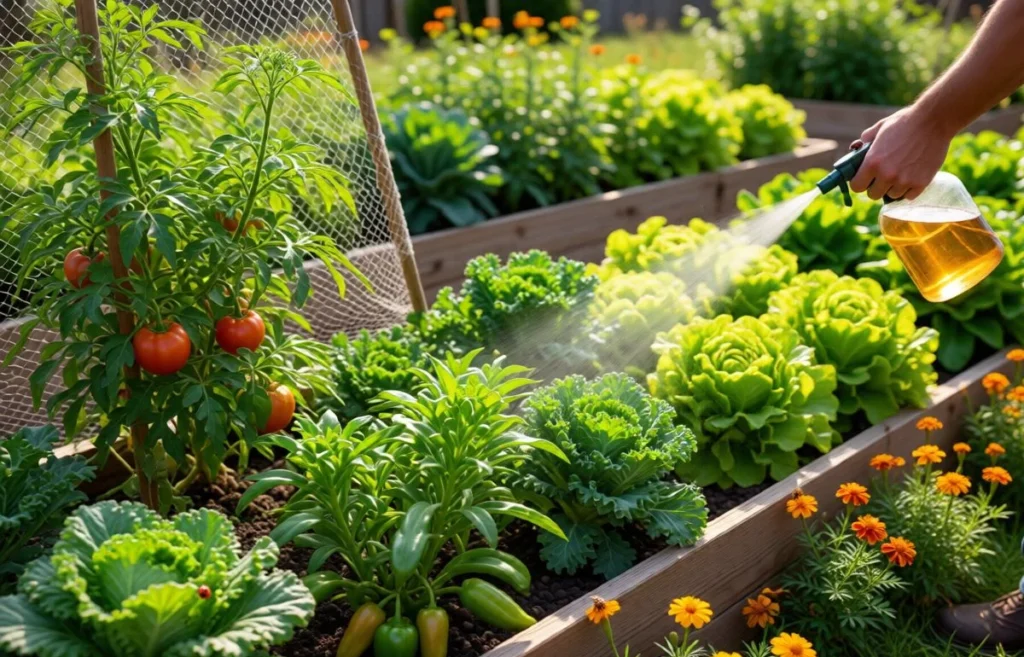
Netting and row covers block flying insects and other pests from landing on plants. They allow sunlight, air, and water to pass through but keep bugs away.
- Lightweight mesh fabric: Covers crops to prevent moths, beetles, and aphids.
- Floating row covers: Lay directly on plants for easy access and protection.
- Use stakes or hoops: Support covers without crushing plants.
Netting helps with organic insect control for vegetable gardens by stopping pests while letting plants grow.
Physical Barriers Around Plant Bases
Wrapping or placing barriers at plant bases stops crawling insects like cutworms and slugs.
- Cardboard collars: Wrap around stems to block cutworms.
- Copper tape or bands: Slugs avoid crossing copper surfaces.
- Gravel or diatomaceous earth: Surround plants to deter pests crawling up.
These barriers fit well into pest control organic vegetable garden plans by reducing pest damage at the source.
Garden Fencing And Traps
Fencing can keep larger pests like rabbits and deer out of your vegetable garden.
- Wire mesh fence: At least 3 feet tall to block rabbits.
- Electric fencing: For larger animals like deer.
- Sticky traps: Placed near plants to catch crawling insects.
Fencing supports how to keep bugs out of vegetable garden naturally by creating a physical barrier.
Regular Monitoring
Regular monitoring is a key step in vegetable garden insect control. It helps catch pest problems early. This way, damage to plants stays minimal. Regular checks support organic insect control for vegetable gardens. By spotting insects early, natural methods work best. Learning how to keep insects out of garden starts with looking closely and often. This habit helps gardeners use pest control organic vegetable garden techniques efficiently. It also teaches how to keep bugs out of vegetable garden naturally without harsh chemicals.
Daily Garden Walkthroughs
Take a few minutes each day to walk through the garden. Look closely at leaves, stems, and soil. Pay special attention to the undersides of leaves where insects hide. Early signs of damage include holes, discoloration, and sticky residue. This simple routine helps catch pests before they multiply.
Use A Garden Journal
Keep a journal to track insect sightings and plant health. Note the type of insect, number seen, and affected plants. Record weather conditions too. This data helps understand patterns and predict pest outbreaks. Over time, it improves your organic insect control for vegetable gardens strategies.
Inspect Different Plant Zones
- Check young seedlings carefully; they are more vulnerable.
- Look around the base of plants for soil-dwelling pests.
- Examine flowers and fruits for insect damage.
Cover all zones regularly to maintain full control and catch hidden pests.
Use Simple Tools For Monitoring
Tools help spot insects better. Use these:
| Tool | Purpose |
|---|---|
| Magnifying glass | See tiny insects clearly |
| White tray or paper | Shake leaves to spot falling insects |
| Sticky traps | Capture flying pests for easy identification |
Spotting Early Signs Of Pest Damage
- Look for holes or eaten parts on leaves.
- Notice wilting or stunted growth.
- Check for sticky honeydew or mold.
- Watch for discoloration or spots.
- Find egg clusters or larvae on plants.
Recognizing these signs helps take action fast with pest control organic vegetable garden methods.
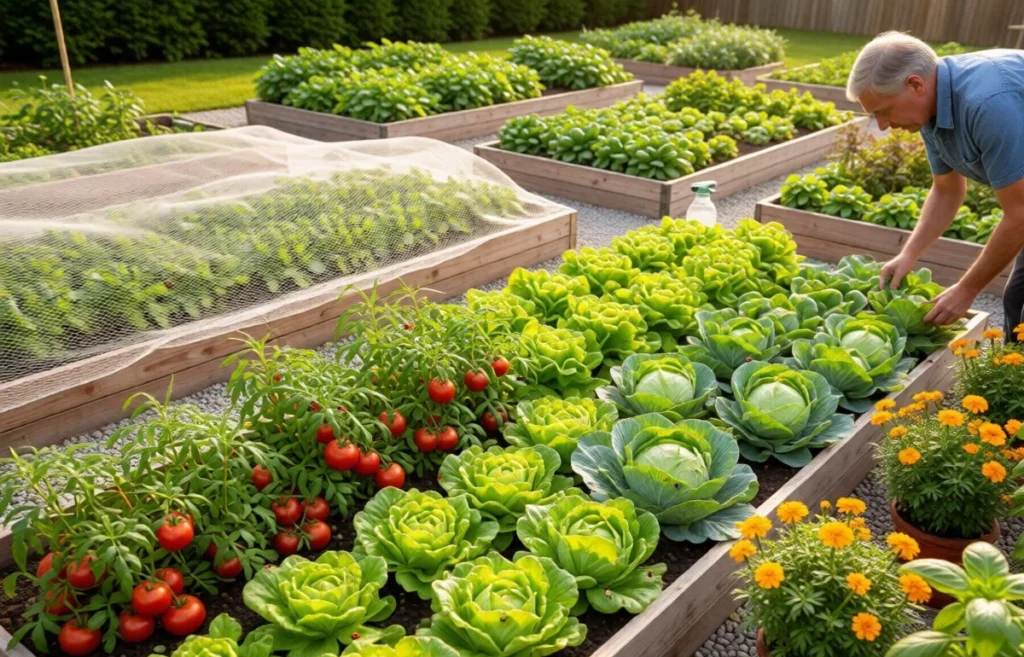
Soil Health And Pest Control
Vegetable garden insect control starts with strong, healthy soil. Healthy soil grows strong plants that resist bugs better. Understanding soil health and pest control helps protect your garden naturally. It reduces the need for chemicals and keeps your garden safe for food. Knowing how to keep insects out of garden and how to keep bugs out of vegetable garden naturally begins below the surface. Good soil supports beneficial insects and fights pests on its own.
What Is Soil Health And Why It Matters
Soil health means soil is full of nutrients, water, air, and living things. Healthy soil grows strong vegetables that resist pests. Poor soil makes plants weak and easy targets for insects. Organic insect control for vegetable gardens depends on keeping soil alive and rich.
- Soil with good structure holds water and air well.
- It contains microbes that fight harmful pests.
- Healthy soil recycles nutrients for plants.
Strong plants mean less damage from bugs and less need for sprays. Soil health supports pest control organic vegetable garden methods naturally.
How Soil Health Helps Control Insects
Healthy soil encourages natural enemies of pests like ladybugs, spiders, and worms. These beneficial insects eat or scare away harmful bugs. Also, healthy soil helps plants produce chemicals that repel insects. This reduces the need for extra treatments.
| Soil Health Factor | Benefit for Pest Control |
|---|---|
| Rich Organic Matter | Feeds beneficial insects and microbes |
| Balanced pH | Improves nutrient uptake for stronger plants |
| Good Drainage | Prevents root diseases that attract pests |
Tips For Improving Soil Health In Your Vegetable Garden
- Add compost to increase nutrients and microbes.
- Rotate crops to prevent pest build-up in the soil.
- Use mulch to keep moisture and reduce weeds.
- Avoid chemical pesticides that harm beneficial soil life.
- Test soil to balance pH and nutrient levels.
Natural Pest Control Through Soil Management
Healthy soil reduces pest problems without harsh chemicals. Feeding soil with natural materials creates a balanced ecosystem. This helps you keep bugs out of vegetable garden naturally. Strong soil means strong plants and fewer pests to worry about.
Frequently Asked Questions
What Are Common Insects That Harm Vegetable Gardens?
Common pests include aphids, caterpillars, beetles, and whiteflies. These insects eat leaves, stems, and fruits. They can weaken or kill plants quickly.
How Can I Prevent Insects In My Vegetable Garden?
Plant strong-smelling herbs like basil or mint near vegetables. Use row covers to block insects physically. Keep the garden clean and remove dead plants.
What Natural Methods Control Vegetable Garden Insects?
Use neem oil, insecticidal soap, or garlic spray to repel bugs. Encourage beneficial insects like ladybugs and lacewings to eat pests. Crop rotation also helps reduce insect problems.
Are Chemical Insecticides Safe For Vegetable Gardens?
Chemical insecticides can harm beneficial insects and soil health. Use them only as a last resort and follow instructions closely. Organic options are safer for food crops.
How Often Should I Check My Garden For Insects?
Check your garden every two to three days for signs of pests. Early detection helps control insects before damage spreads. Look under leaves and on stems carefully.
Can Companion Planting Reduce Insect Damage?
Yes, planting certain plants together can repel harmful insects. For example, marigolds repel nematodes and aphids. Companion plants improve garden health naturally.
What Signs Show Insect Damage On Vegetables?
Look for holes in leaves, yellow spots, or sticky residue. Wilting or stunted plants can also indicate insect problems. Early signs help you act quickly and save your crops.
Conclusion
Controlling insects helps keep your vegetable garden healthy. Use natural methods to protect your plants safely. Regular checks catch problems before they get worse. Small steps make a big difference over time. Healthy plants grow better and give more food.
Keep learning about pests and good bugs too. Enjoy your garden and the fresh vegetables it brings.