
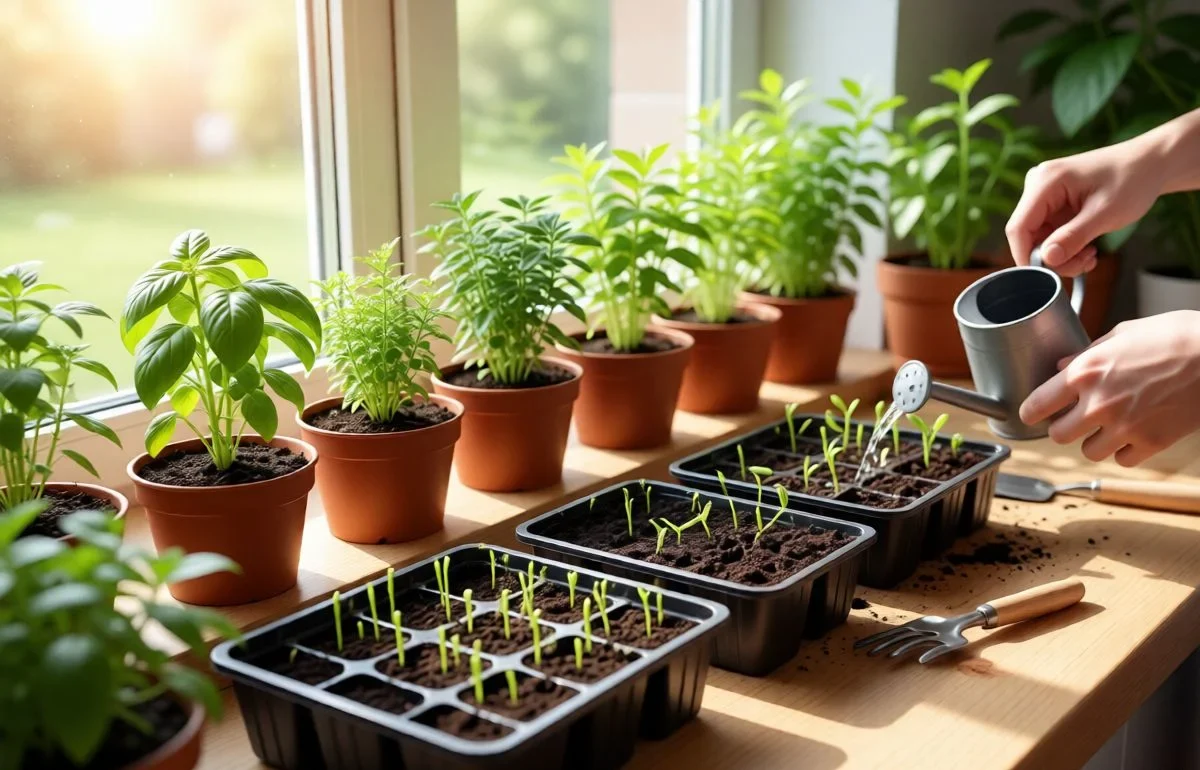

Growing your own herbs from seeds indoors is easier than you might think. Imagine having fresh basil, mint, or rosemary right on your windowsill whenever you want.
Not only does it save you money, but it also adds a burst of flavor to your meals and a fresh scent to your home. If you’ve ever wanted to try it but didn’t know where to start, this guide will walk you through every step.
By the end, you’ll have everything you need to grow healthy, thriving herbs that brighten your kitchen and your cooking. Ready to get your hands a little dirty and enjoy the rewards? Let’s dive in.
Choosing Herb Seeds
Starting how to grow herbs from seeds indoors begins with selecting the right seeds. Choosing herb seeds is a key step for a thriving indoor herb garden. The right seeds ensure strong growth and rich flavors. Whether you want to know how to grow indoor herbs from seed in summer or how to grow indoor herbs in winter, seed choice matters. For those curious about how to grow herbs indoors in the winter, picking hardy herbs is crucial. Using proper herb garden indoor planters also helps, but seeds set the foundation.
Choosing Seeds Based On Growth Speed
Some herbs sprout quickly, while others take longer. Fast growers bring quick joy, especially indoors.
- Fast-growing herbs: Basil, cilantro, and parsley.
- Slow-growing herbs: Rosemary, thyme, and sage.
Pick seeds that match your patience and indoor conditions. Fast growers suit beginners or winter growing.
Herbs Suited For Indoor Growing
Not all herbs thrive indoors. Some need more sunlight or space than others.
| Herb | Light Needs | Ideal Indoor Conditions |
|---|---|---|
| Basil | Full sun | Bright window, warm room |
| Mint | Partial sun | Moderate light, moist soil |
| Chives | Partial sun | Cooler spot, good drainage |
Table of Contents
Choosing Seeds For Winter Herb Growing
Winter indoor herb gardens need hardy seeds. Some herbs handle lower light and cooler temps.
- Parsley: Grows well with less light.
- Thyme: Tolerates cooler indoor air.
- Chives: Survives indoor winter conditions.
Select seeds labeled for indoor or winter growing. They perform better in short daylight.
Seed Quality And Source
Good seed quality leads to healthy plants. Buy seeds from trusted sellers.
- Look for fresh, sealed packets.
- Check expiration dates.
- Choose organic or non-GMO seeds if possible.
Seed packets often provide planting tips. Follow these for best results.
Selecting Containers And Soil
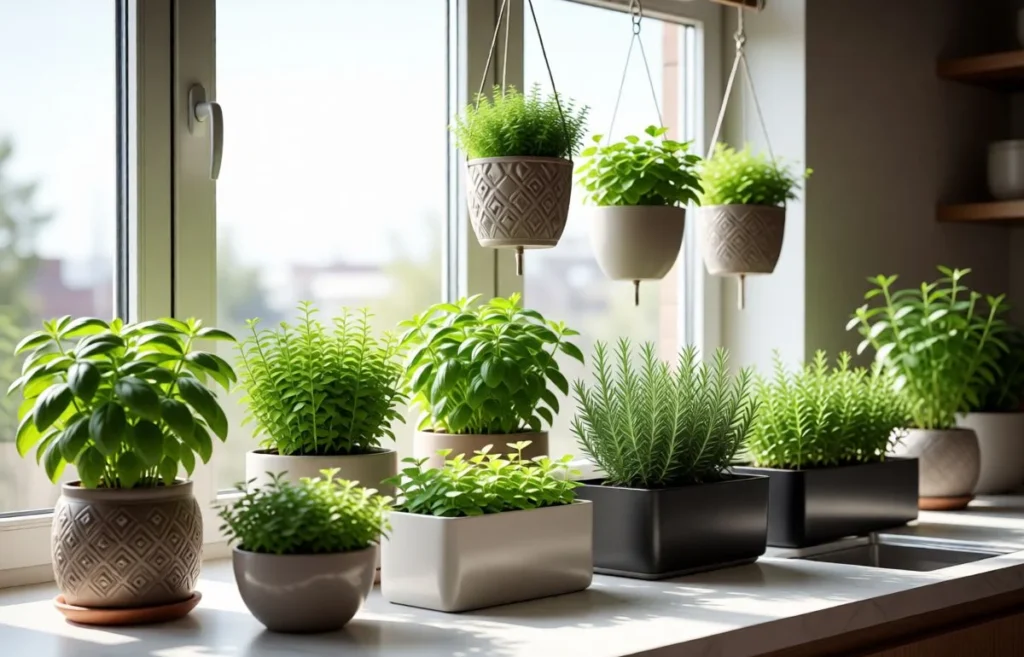
Starting your herb garden indoors means choosing the right containers and soil. These choices affect how well your seeds sprout and grow. For anyone learning how to grow herbs from seeds indoors, picking proper pots and soil is a key step. This is especially true when you want to know how to grow indoor herbs in winter or keep a green space alive during cold months. The right herb garden indoor planters and soil will provide a healthy base for your plants.
Selecting The Right Containers For Indoor Herbs
Containers for indoor herbs must have good drainage. Drainage holes prevent water from pooling and causing root rot. Choose pots made of materials like terracotta, plastic, or ceramic. Each has benefits:
- Terracotta: Breathable, helps soil dry out quickly.
- Plastic: Lightweight and retains moisture well.
- Ceramic: Stylish and good for stable moisture.
Pick containers that are 4 to 6 inches deep to give roots room to grow. Using seed trays or small pots works well for starting seeds. Later, you can move seedlings to larger pots.
Choosing The Best Soil For Growing Indoor Herbs
Soil quality matters in how to grow indoor herbs from seed. Use a light, well-draining potting mix. Avoid garden soil; it can be too heavy and may contain pests.
Look for potting soil labeled for herbs or vegetables. These mixes usually contain:
- Peat moss or coconut coir for moisture retention
- Perlite or vermiculite for aeration
- Organic matter for nutrients
Do not use soil with added fertilizers when starting seeds. Seedlings need gentle nutrition to grow strong roots.
Tips For Preparing Containers And Soil
- Check containers for drainage holes or add some if needed.
- Fill containers with fresh potting mix, leaving about half an inch from the top.
- Lightly moisten the soil before planting seeds.
- Do not compact the soil; keep it loose for root growth.
- Place containers on a tray to catch excess water.
Planting Seeds Correctly
Starting an herb garden indoors is rewarding and practical, especially during colder months. Learning how to grow herbs from seeds indoors ensures fresh flavors year-round. Planting seeds correctly sets the foundation for healthy growth and thriving plants. This step is crucial when you want to know how to grow indoor herbs from seed or how to grow indoor herbs in winter. Proper seed planting helps herbs sprout quickly and develop strong roots, ideal for herb garden indoor planters. Follow simple techniques to make your indoor herb garden flourish, even when learning how to grow herbs indoors in the winter.
Preparing The Soil And Containers
Choose containers with drainage holes to prevent water buildup. Use a light, well-draining seed-starting mix. Avoid regular garden soil; it may be too heavy and cause poor drainage.
- Fill containers with seed-starting mix, leaving ½ inch from the top.
- Moisten the soil lightly before planting seeds.
- Use small pots or seed trays for easy management.
Planting Seeds At The Right Depth
Plant seeds according to their size and package instructions. Most herb seeds need shallow planting. Too deep planting may stop seeds from sprouting.
| Seed Type | Planting Depth |
|---|---|
| Basil | ¼ inch |
| Parsley | ½ inch |
| Thyme | ¼ inch |
| Cilantro | ½ inch |
Spacing Seeds Properly
Give seeds room to grow by spacing them correctly. Overcrowded seeds compete for nutrients and light. This leads to weak seedlings.
- Place 2-3 seeds per cell or pot.
- Thin seedlings later by removing weaker ones.
- Keep spacing clear to improve airflow and light exposure.
Watering Seeds Gently
Use a spray bottle or gentle watering can to moisten soil. Avoid washing seeds away or creating puddles. Keep soil damp but not soggy.
- Water immediately after planting seeds.
- Check soil moisture daily.
- Adjust watering if soil feels dry or too wet.
Providing Adequate Light
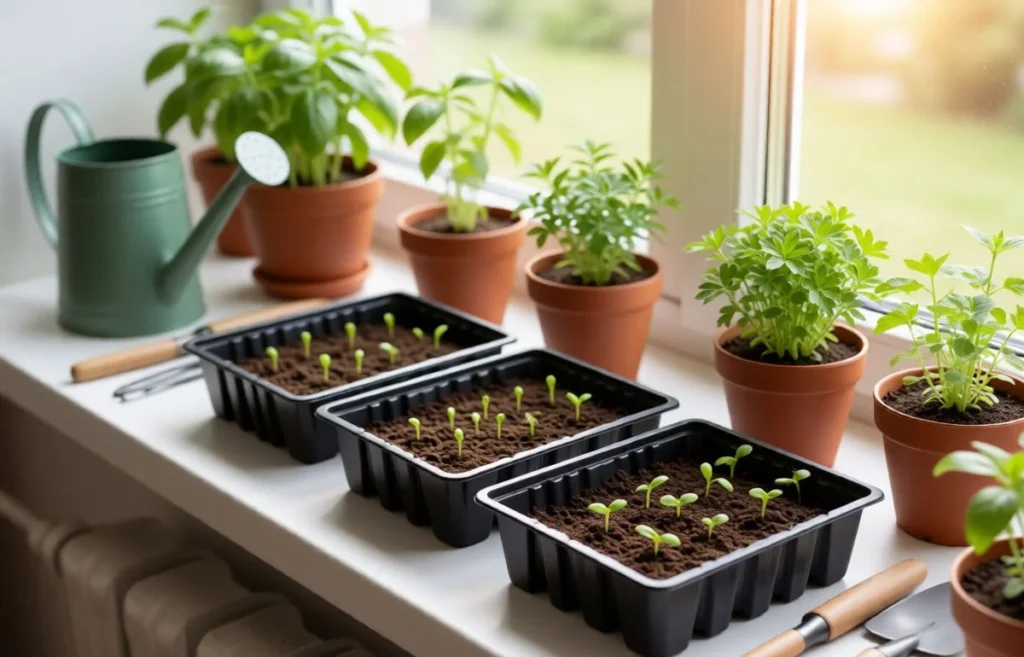
Learning how to grow herbs from seeds indoors starts with understanding the importance of light. Light is key for healthy growth, especially when you want to know how to grow indoor herbs from seed. Plants need enough light to develop strong stems and vibrant leaves. This is true for any herb garden indoor planters you use. The challenge grows during colder months, so knowing how to grow indoor herbs in winter or how to grow herbs indoors in the winter means paying close attention to lighting. Without enough light, herbs become weak and leggy.
Understanding Light Requirements For Herbs
Each herb has its own light needs. Most herbs prefer 6 to 8 hours of bright light daily. Some herbs like basil and parsley need more light, while others like mint can grow in less. Here is a simple guide:
| Herb | Light Needed |
|---|---|
| Basil | 6-8 hours bright light |
| Parsley | 6-8 hours bright light |
| Mint | 4-6 hours indirect light |
| Thyme | 6 hours bright light |
Best Light Sources For Indoor Herb Gardens
Natural sunlight is the best light source. Place your herb garden indoor planters near south-facing windows for the most light. If sunlight is limited, use artificial lights. LED grow lights work well. They provide the right light spectrum and use less energy. Fluorescent lights are another option but may need to be closer to plants.
Setting Up Artificial Lighting
- Choose full-spectrum LED grow lights.
- Place lights 2-4 inches above seedlings.
- Use a timer to provide 12-16 hours of light daily.
- Adjust light height as herbs grow taller.
Signs Of Too Little Or Too Much Light
- Too little light: Herbs grow tall and thin, with pale leaves.
- Too much light: Leaves may turn yellow or brown and dry out.
Watch your herbs daily. Adjust light sources to keep them healthy and strong.
Maintaining Proper Moisture
Growing herbs inside is a great way to enjoy fresh flavors all year. Knowing how to grow herbs from seeds indoors means understanding the needs of young plants. One key part is maintaining proper moisture. Moisture helps seeds sprout and roots grow strong. Without the right water level, seeds may dry out or rot. This guide covers easy steps to keep your indoor herb garden healthy, especially during colder months. Whether you want to learn how to grow indoor herbs from seed or how to grow indoor herbs in winter, moisture control is essential. Using the right herb garden indoor planters and watering routine makes a big difference.
Understanding Soil Moisture Needs For Herb Seeds
Herb seeds need soil that is moist but not soaked. Too dry soil stops germination. Too wet soil causes seeds to rot. The goal is to keep soil damp like a wrung-out sponge. Check moisture by touching the soil surface daily.
- Water gently to avoid washing seeds away.
- Use a spray bottle for light watering.
- Drain excess water to prevent soggy soil.
Best Watering Practices For Indoor Herb Seeds
Watering at the right time helps seeds grow faster. Follow this simple routine:
- Check soil moisture every morning.
- Water when the top 1/4 inch of soil feels dry.
- Use room temperature water to avoid shock.
- Water from the bottom by placing planters in a shallow tray of water for 10 minutes.
This method encourages roots to grow downward and keeps leaves dry.
Using Herb Garden Indoor Planters To Control Moisture
Choosing the right planters helps maintain moisture. Look for planters with:
| Planter Feature | Benefit |
|---|---|
| Drainage holes | Prevents water buildup and root rot |
| Water reservoir | Provides steady moisture without overwatering |
| Material (ceramic or plastic) | Retains moisture better than porous pots |
Using these planters makes how to grow indoor herbs in winter easier. They hold moisture steady when air is dry.
Temperature And Humidity Tips
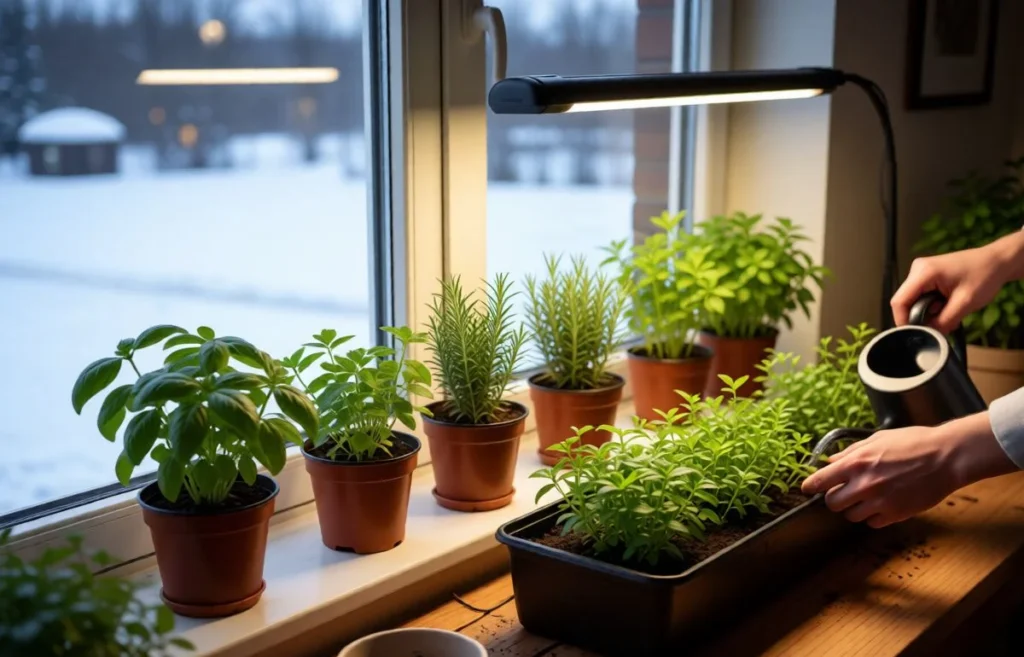
Growing herbs indoors from seeds is a rewarding and practical hobby. Understanding temperature and humidity is key to success. These factors affect seed germination and plant growth. Managing these conditions helps create the perfect environment for your herb garden indoor planters. Whether you want to know how to grow herbs from seeds indoors or how to grow indoor herbs in winter, controlling temperature and humidity is essential.
Temperature Range For Seed Germination
Herb seeds need warmth to sprout. Most herbs prefer temperatures between 65°F and 75°F. This range promotes fast and healthy germination.
- Basil: 70°F to 75°F
- Parsley: 65°F to 70°F
- Cilantro: 60°F to 70°F
- Thyme: 65°F to 70°F
Keep your indoor area stable. Avoid cold drafts or hot spots near heaters.
Maintaining Humidity For Seedlings
Seeds and young herbs need humidity to stay moist. Aim for around 50% to 70% humidity. This keeps the soil from drying too fast.
Try these tips:
- Cover seed trays with plastic wrap or a humidity dome.
- Use a spray bottle to mist the soil lightly.
- Place a shallow tray of water nearby to add moisture to the air.
Too much humidity can cause mold. Remove covers once seedlings appear.
Temperature And Humidity During Winter
Winter indoor gardening needs extra care. Homes can be dry and cold. Keep indoor temperatures between 65°F and 70°F. Use a space heater if needed but avoid direct heat on plants.
| Winter Tip | Recommended Action |
|---|---|
| Low humidity | Use a humidifier or place water trays near plants |
| Cold drafts | Move plants away from doors and windows |
| Short daylight | Use grow lights for 12-16 hours daily |
Creating The Ideal Environment For Your Herb Garden Indoor Planters
Combining temperature and humidity control supports healthy herb growth. Follow these steps:
- Check room temperature daily with a thermometer.
- Use a humidifier to keep air moist in dry seasons.
- Cover seeds until they sprout, then remove covers.
- Adjust watering based on humidity levels to avoid overwatering.
- Place planters in a warm spot, away from cold windows.
These steps help you learn how to grow indoor herbs from seed successfully and enjoy fresh herbs all year round.
Transplanting And Harvesting
Growing your own herbs indoors can be rewarding, especially when learning how to grow herbs from seeds indoors. Taking care of young plants by transplanting and harvesting at the right time is important. These steps help your herbs stay healthy and produce more leaves for cooking. Whether you wonder about how to grow indoor herbs from seed or how to grow indoor herbs in winter, understanding transplanting and harvesting keeps your plants strong. Using the right herb garden indoor planters also makes a difference for success.
Transplanting Seedlings To Larger Pots
Transplant seedlings carefully to avoid damage. Wait until seedlings have 2-3 sets of true leaves. Follow these steps:
- Choose pots with good drainage and enough space for roots.
- Fill pots with fresh potting soil.
- Gently remove seedlings from the seed tray, holding the leaves, not the stem.
- Plant seedlings at the same soil depth as before.
- Water lightly after transplanting to settle the soil.
Tip: Transplant in the morning or late afternoon to reduce stress.
Best Time To Transplant Indoors
Knowing the right time helps your herbs grow well. Look for these signs:
- Seedlings are about 2-3 inches tall.
- Roots start to show at the pot’s bottom.
- Leaves look healthy and strong.
Note: Avoid transplanting if seedlings are weak or yellow.
Harvesting Herbs For Fresh Use
Harvest herbs regularly to encourage new growth. Follow these simple rules:
- Pick leaves in the morning for best flavor.
- Use clean scissors or fingers to snip leaves.
- Never remove more than one-third of the plant at once.
- Harvest from the top to keep plants bushy.
Warning: Avoid cutting too low; herbs need leaves for photosynthesis.
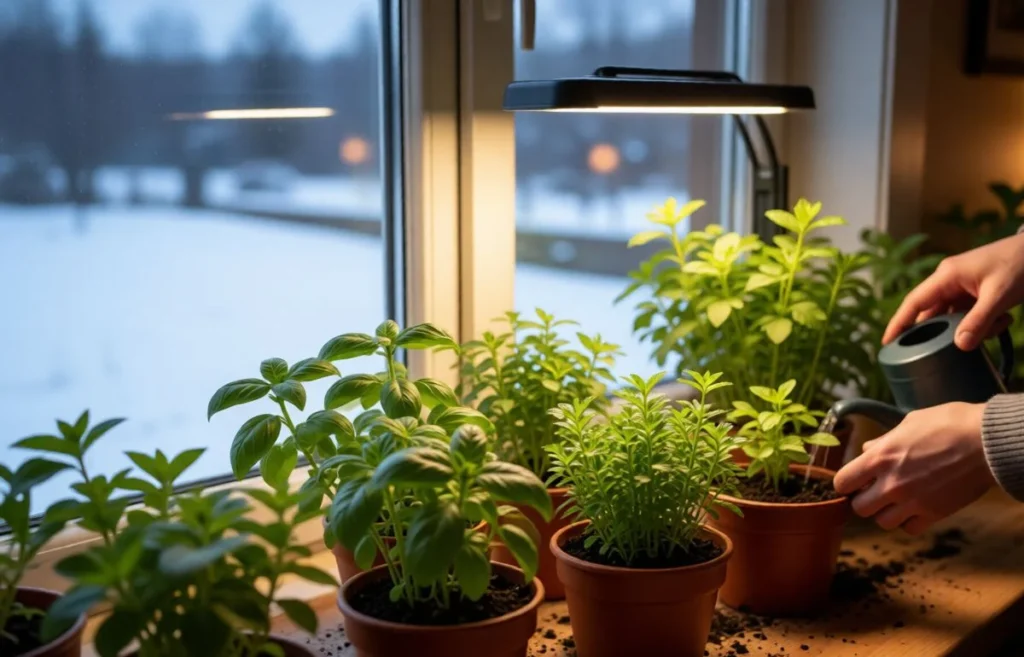
Harvesting Schedule For Common Indoor Herbs
| Herb | First Harvest Time | Harvest Frequency |
|---|---|---|
| Basil | 3-4 weeks after transplant | Every 1-2 weeks |
| Mint | 4-6 weeks after transplant | Every 2 weeks |
| Parsley | 6-8 weeks after transplant | Every 3 weeks |
| Thyme | 8 weeks after transplant | Every 3 weeks |
Frequently Asked Questions
How Long Does It Take For Herb Seeds To Sprout Indoors?
Most herb seeds sprout within 7 to 14 days indoors. Temperature and light affect germination speed. Keep soil moist and warm for best results.
What Is The Best Soil For Growing Herbs From Seeds?
Use light, well-draining potting mix made for seed starting. Avoid heavy garden soil that holds too much water. This helps seeds get air and moisture.
How Much Sunlight Do Indoor Herb Seeds Need Daily?
Herb seeds need 6 to 8 hours of sunlight each day. Place them near a sunny window or use grow lights. Light helps seedlings grow strong and healthy.
How Often Should I Water Herb Seeds Indoors?
Water herb seeds lightly to keep soil moist but not wet. Overwatering can cause seeds to rot. Check soil daily and water when the top feels dry.
Can I Use Regular Kitchen Herbs Seeds For Indoor Planting?
Yes, most kitchen herb seeds like basil, parsley, and cilantro grow well indoors. Fresh seeds give better results than old or store-bought cooking seeds. Use seeds labeled for planting.
When Should I Transplant Herb Seedlings To Bigger Pots?
Move seedlings when they have 2 to 3 sets of true leaves. This usually takes 3 to 4 weeks after sprouting. Transplant carefully to avoid root damage.
What Temperature Is Best For Growing Herbs From Seeds Indoors?
Keep indoor temperature between 65°F and 75°F for ideal seed germination. Avoid cold drafts or very hot spots. Consistent warmth helps seeds sprout quickly.
Conclusion
Growing herbs from seeds indoors is simple and rewarding. Start with good soil and enough light. Keep the soil moist but not wet. Watch your herbs sprout and grow each day. You will enjoy fresh herbs for cooking or tea.
This small effort brings nature inside your home. Try different herbs to see what you like best. Soon, you’ll have a green, tasty herb garden right on your windowsill. Happy growing!