
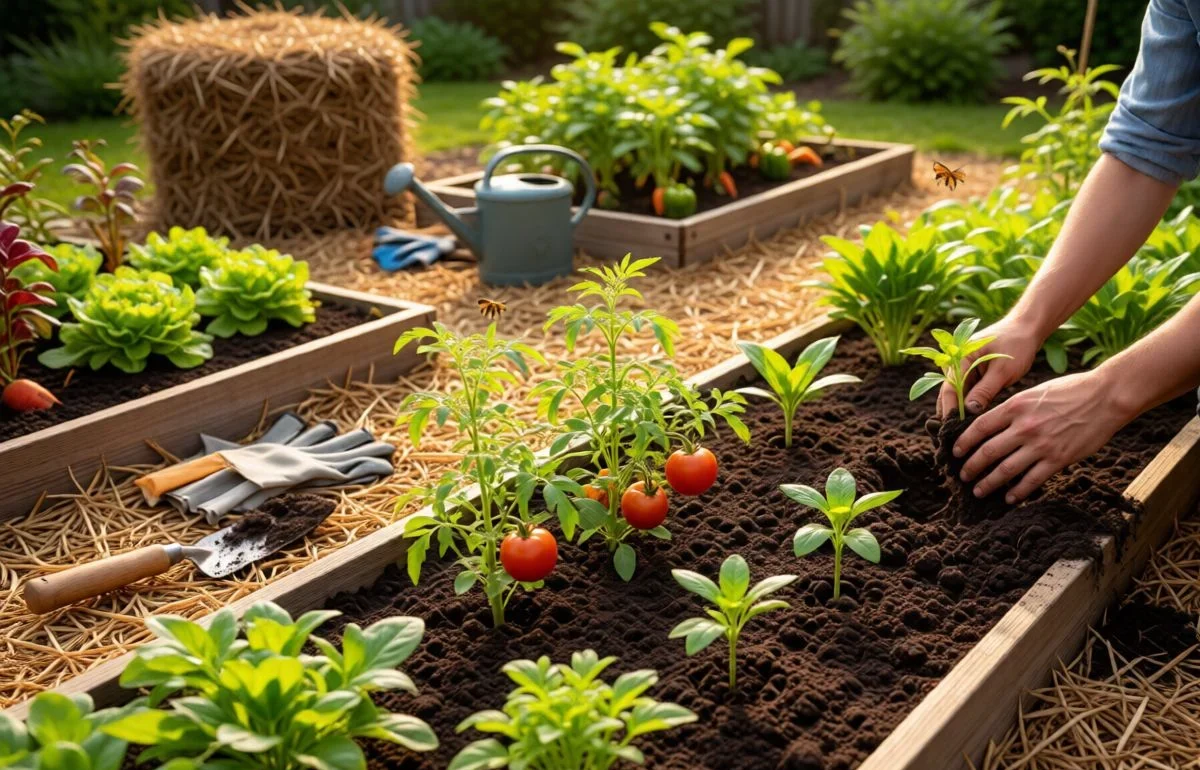

Have you ever wondered what makes some gardens burst with life while others struggle? The secret often lies in how they are cared for.
Organic gardening is more than just a trend—it’s a way to grow plants naturally and healthily, without harmful chemicals. If you want to enjoy fresh, vibrant vegetables and flowers while protecting your soil and the environment, understanding organic gardening is a great place to start.
Keep reading to discover how you can transform your garden into a thriving, natural oasis.
Basics Of Organic Gardening
Understanding what is organic gardening helps beginners grow healthy plants without chemicals. Organic gardens focus on natural methods for soil care, pest control, and plant growth. This organic guide shares simple steps for planting organic vegetables and offers practical organic gardening advice to start your garden the right way.
Soil Preparation
Good soil is the base of organic gardens. Healthy soil has nutrients and living organisms that feed plants naturally. To prepare soil:
- Use compost to add nutrients and improve texture
- Mix organic matter like leaves, grass clippings, or manure
- Test soil pH to keep it between 6 and 7 for most vegetables
- Turn soil gently to keep it loose and aerated
Choosing Plants
Pick plants that grow well in your climate and soil. Native or heirloom varieties often do better in organic gardens. Tips for choosing plants:
- Select disease-resistant seeds or seedlings
- Plan for crop rotation to avoid soil depletion
- Include a variety of vegetables to attract beneficial insects
Table of Contents
Natural Pest Control
Organic gardening avoids synthetic pesticides. Instead, use natural ways to keep pests away:
- Introduce helpful insects like ladybugs and lacewings
- Use barriers such as nets or row covers
- Plant herbs like basil or marigold to repel pests
- Handpick harmful insects from plants regularly
Watering Techniques
Proper watering helps plants stay strong without wasting water. Follow these tips:
- Water early in the morning or late in the evening
- Use drip irrigation or soaker hoses to target roots
- Avoid wetting leaves to reduce disease risk
- Check soil moisture before watering to prevent overwatering
Organic Fertilizers
Organic fertilizers supply nutrients naturally and improve soil health. Common options include:
| Fertilizer Type | Benefits | How to Use |
|---|---|---|
| Compost | Improves soil structure and provides balanced nutrients | Mix into soil before planting or use as mulch |
| Manure | Rich in nitrogen and other nutrients | Apply well-aged manure to avoid burning plants |
| Bone Meal | High in phosphorus for root growth | Sprinkle around plants before planting |
| Seaweed Extract | Provides trace minerals and stimulates growth | Use as foliar spray or soil drench |
Benefits For Health And Environment
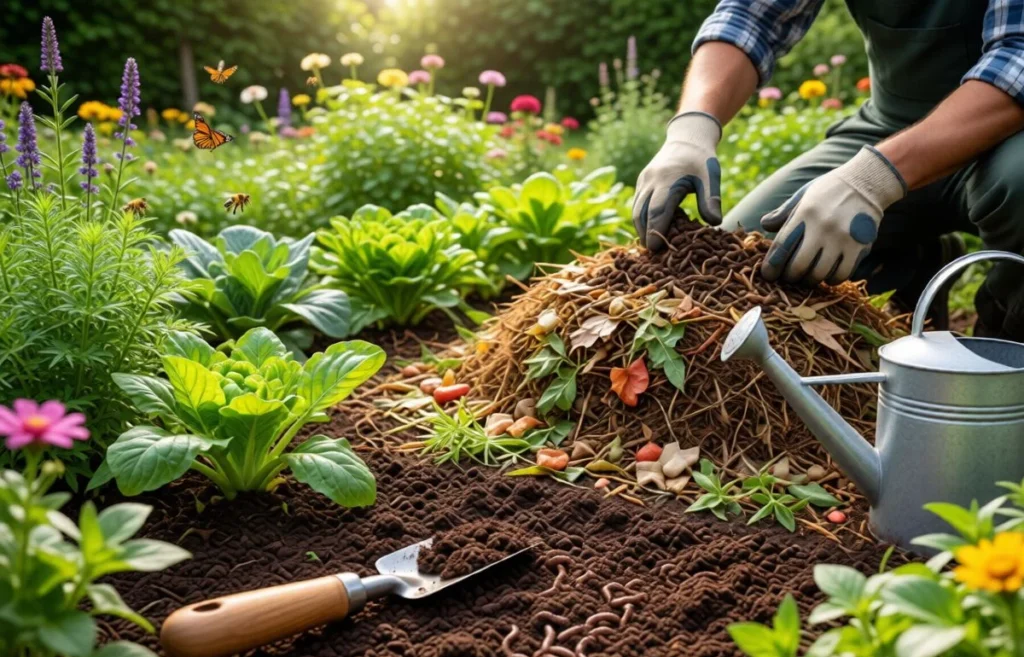
What is organic gardening? It is a way to grow plants without using harmful chemicals. Organic gardens focus on natural methods to keep soil healthy and plants strong. This approach offers many benefits for health and environment. Understanding these benefits helps gardeners make better choices. The organic guide encourages planting organic vegetables that are safe and nutritious. Following good organic gardening advice supports a cleaner, greener planet.
Improves Food Quality And Nutrition
Plants grown in organic gardens contain fewer chemicals. This means less exposure to pesticides and fertilizers for you. Organic vegetables often have higher levels of vitamins and minerals. Eating them can boost your health and energy. Clean food reduces risks of allergies and illnesses linked to chemicals.
Protects Soil And Water
Organic gardening keeps soil full of life. It avoids synthetic chemicals that harm helpful bugs and microbes. Healthy soil holds water better and prevents erosion. This stops harmful runoff from polluting rivers and lakes. The environment stays cleaner and safer for all living things.
Supports Biodiversity
Organic gardens attract many insects and animals. Bees, butterflies, and birds find food and shelter here. This helps pollinate plants and control pests naturally. Biodiversity keeps ecosystems balanced and strong. It is a key part of healthy organic gardening.
Reduces Pollution And Carbon Footprint
Organic gardening uses fewer fossil fuels. It avoids synthetic fertilizers that release greenhouse gases. Composting and mulching recycle waste on site. This cuts down pollution and helps fight climate change. Growing food naturally lowers your carbon footprint.
| Benefit | Impact on Health | Impact on Environment |
|---|---|---|
| Clean Food | Less chemical intake, more nutrients | Less soil and water contamination |
| Healthy Soil | Better food quality | Improved water retention, reduced erosion |
| Biodiversity | Supports natural pest control | Maintains ecosystem balance |
| Lower Pollution | Cleaner air and water | Reduced greenhouse gases |
Soil Preparation Techniques
Soil preparation techniques form the foundation of any successful organic garden. Understanding what is organic gardening involves recognizing the importance of nurturing healthy soil. Organic gardens thrive when the soil is rich, fertile, and alive with beneficial organisms. Preparing the soil properly ensures plants get the nutrients they need naturally, without synthetic chemicals.
For anyone planting organic vegetables, soil preparation is the first step. This organic guide shares simple, effective methods to improve soil health, helping plants grow strong and resist pests. Following good organic gardening advice about soil can boost your garden’s productivity and sustainability.
Understanding Soil Types
Soil comes in different types: sandy, clay, loam, and silt. Each type holds water and nutrients differently. Knowing your soil type helps choose the right preparation techniques for your organic gardens.
- Sandy soil: Drains quickly but holds fewer nutrients.
- Clay soil: Holds water well but drains poorly.
- Loam soil: A balanced mix, ideal for most plants.
- Silt soil: Smooth and fertile but can compact easily.
Adding Organic Matter
Organic matter improves soil texture and fertility. It feeds helpful microbes and holds moisture better. Common sources include:
- Compost
- Well-rotted manure
- Leaf mold
- Grass clippings
Spread 2-3 inches of organic matter over the soil. Then mix it into the top 6-8 inches using a garden fork or tiller.
Testing And Adjusting Soil Ph
Soil pH affects nutrient availability. Most vegetables prefer a pH between 6.0 and 7.0. Test soil with a simple kit from garden centers.
| pH Level | Effect on Plants | Adjustment Method |
|---|---|---|
| Below 6.0 | Too acidic | Add lime (ground limestone) |
| 6.0 – 7.0 | Ideal for most plants | No adjustment needed |
| Above 7.0 | Too alkaline | Add sulfur or organic matter |
Proper Soil Tilling
Tilling breaks up compacted soil and mixes in organic matter. Use a hand fork or rototiller to loosen soil to a depth of 8-12 inches. Avoid over-tilling, which can harm soil structure and organisms.
Mulching To Protect Soil
Mulch keeps soil moist, controls weeds, and adds nutrients as it breaks down. Use organic mulches like straw, shredded leaves, or grass clippings. Spread a 2-3 inch layer around plants after planting.
Natural Pest Control Methods
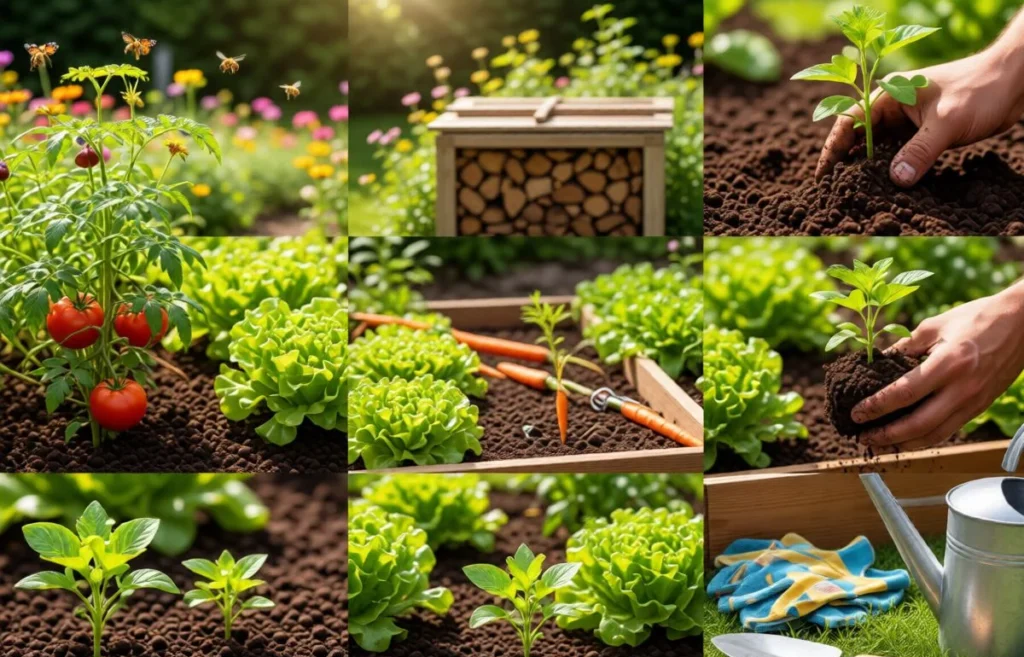
Understanding what is organic gardening helps gardeners grow healthy plants without harmful chemicals. Organic gardens focus on nature’s balance. One key part of this is natural pest control methods. These methods protect plants by using natural ways to stop pests from causing damage. This approach keeps the garden safe, healthy, and eco-friendly. For anyone planting organic vegetables, knowing these methods is essential. This organic guide shares practical tips and organic gardening advice to keep pests in check naturally.
Using Beneficial Insects
Beneficial insects help control pests by eating harmful bugs. Ladybugs, lacewings, and predatory wasps are common helpers. They target aphids, mites, and other pests.
- Ladybugs: Eat aphids and scale insects.
- Lacewings: Devour caterpillars and whiteflies.
- Predatory Wasps: Attack beetle larvae and other pests.
Encourage these insects by planting flowers like marigolds and dill. Avoid using chemical pesticides that kill helpful bugs.
Companion Planting
Companion planting means growing certain plants together to repel pests. Some plants naturally keep bugs away with their smell or taste. For example:
| Plant | Repels | Companion Plant |
|---|---|---|
| Basil | Flies, mosquitoes | Tomatoes |
| Marigold | Nematodes, aphids | Vegetables, herbs |
| Garlic | Spider mites, aphids | Roses, carrots |
This method is simple and effective for planting organic vegetables.
Homemade Natural Sprays
Natural sprays can protect plants without chemicals. Common recipes include:
- Soap Spray: Mix mild soap and water to kill soft-bodied insects.
- Garlic Spray: Blend garlic cloves with water to repel pests.
- Chili Spray: Use ground chili peppers mixed with water for strong pest control.
Spray plants early in the morning or late afternoon to avoid leaf burn.
Choosing Organic Seeds And Plants
Understanding what is organic gardening is key to starting your own healthy and natural green space. Organic gardens thrive without synthetic chemicals, focusing on natural growth methods. Choosing the right seeds and plants plays a big role in successful organic gardening. This part of the organic guide helps you pick options that grow well and resist pests naturally. Selecting seeds and plants carefully supports planting organic vegetables and flowers that stay true to organic gardening advice.
Choosing Certified Organic Seeds
Certified organic seeds come from plants grown without synthetic pesticides or fertilizers. They ensure you start your garden with pure, chemical-free material. This choice supports the overall health of your organic garden.
- Look for labels: Seeds marked as “Certified Organic” meet strict standards.
- Benefits: These seeds are non-GMO and free from harmful chemicals.
- Where to buy: Use trusted seed catalogs or local organic stores.
Choosing Heirloom And Open-pollinated Seeds
Heirloom and open-pollinated seeds are excellent for organic gardens. They allow you to save seeds each year and keep plants true to type.
- Heirloom seeds: Passed down through generations, offering rich flavors and unique traits.
- Open-pollinated seeds: Pollinated naturally, resulting in stable and reliable plants.
- Advantages: These seeds adapt well to your local garden environment.
Selecting Healthy Organic Plants
Buying healthy organic plants is as important as choosing seeds. Look for strong, vibrant plants free from pests and disease.
- Check leaves for spots or discoloration.
- Inspect roots to ensure they are white and firm.
- Choose plants grown in organic soil without synthetic chemicals.
Healthy plants start strong growth and reduce the risk of problems in your organic garden.
Tips For Planting Organic Vegetables
Planting organic vegetables requires care and the right environment. Use compost and natural fertilizers to support growth.
- Plant seeds or seedlings at the right depth and spacing.
- Water gently and regularly to keep soil moist.
- Use mulch to retain moisture and control weeds.
- Rotate crops yearly to keep soil healthy.
Watering And Maintenance Tips
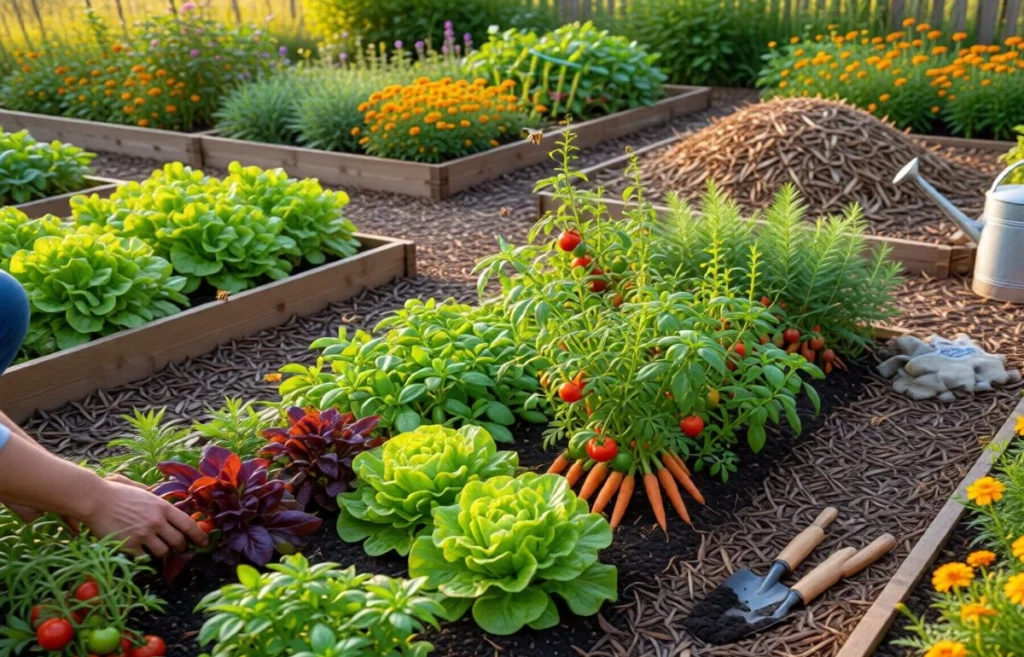
Watering and maintenance are key parts of caring for organic gardens. Proper care keeps plants healthy and helps the soil stay rich and alive. In this organic guide, learn simple tips for watering and maintaining your garden. These tips work well for planting organic vegetables and other plants. Following good organic gardening advice improves growth and stops pests naturally.
Proper Watering Techniques
Water plants deeply but less often. This encourages roots to grow strong and deep. Shallow watering leads to weak roots and dry soil. Early morning is the best time to water. It reduces evaporation and helps plants use water well.
- Use a soaker hose or drip irrigation to save water
- Check soil moisture before watering
- Avoid wetting leaves to prevent diseases
Mulching For Moisture And Weed Control
Mulch keeps soil moist and cool. It stops weeds from growing and protects soil life. Organic mulch like straw, leaves, or grass clippings works best. Apply a 2-3 inch layer around plants but keep mulch away from plant stems.
| Mulch Type | Benefits | How to Use |
|---|---|---|
| Straw | Retains moisture, reduces weeds | Spread 2-3 inches around plants |
| Leaves | Breaks down into nutrients | Shred and layer in the garden |
| Grass clippings | Adds nitrogen to soil | Use fresh or dried, thin layer |
Routine Maintenance Tasks
Keep your garden clean and free of dead leaves. Regularly check for pests and diseases. Remove weeds by hand to avoid chemicals. Rotate crops yearly to keep soil healthy. Use natural compost to feed plants.
- Inspect plants weekly for signs of pests
- Remove diseased or damaged parts quickly
- Water and mulch as needed based on weather
- Apply compost or organic fertilizer monthly
Common Challenges And Solutions
Understanding what is organic gardening helps many people grow healthy plants without chemicals. Organic gardens use natural methods to keep soil rich and plants strong. This approach brings many rewards but also some common challenges. Knowing these problems and how to solve them makes planting organic vegetables easier. This organic guide offers helpful tips and organic gardening advice for a thriving garden.
Soil Quality Issues
Good soil is the base of organic gardens. Poor soil can stop plants from growing well. Soil may lack nutrients or have bad texture.
- Solution: Add compost or natural fertilizers like manure.
- Use mulch to keep soil moist and healthy.
- Test soil regularly to check pH and nutrients.
Pest Control Problems
Pests can damage plants and reduce harvest. Organic gardens do not use harsh chemicals.
- Solution: Use natural predators like ladybugs or birds.
- Plant herbs like basil or mint to repel insects.
- Apply organic sprays made from neem oil or garlic.
Weed Management
Weeds compete with plants for water and nutrients. They can quickly take over a garden.
- Hand-pull weeds regularly to keep control.
- Use mulch to block weed growth.
- Plant ground covers to reduce bare soil areas.
Watering Challenges
Water is vital for organic gardens but too much or too little harms plants.
| Problem | Solution |
|---|---|
| Overwatering | Water only when soil is dry to touch. |
| Underwatering | Use drip irrigation or water early in the day. |
Crop Rotation Difficulties
Planting the same crop repeatedly can cause soil depletion and pests.
- Solution: Change crops every season.
- Grow legumes to fix nitrogen in soil.
- Keep records to plan crop rotation effectively.
Frequently Asked Questions
What Is Organic Gardening And How Does It Work?
Organic gardening is growing plants without synthetic chemicals. It uses natural compost, mulch, and pest control to keep plants healthy. This method helps protect soil and water quality.
Why Choose Organic Gardening Over Conventional Methods?
Organic gardening avoids harmful pesticides and fertilizers. It supports biodiversity and improves soil health. This creates a safer environment for people and wildlife.
What Are The Main Benefits Of Organic Gardening?
Organic gardening produces healthier fruits and vegetables. It improves soil fertility and reduces pollution. Plus, it helps conserve water and encourages beneficial insects.
How Can Beginners Start An Organic Garden?
Start by choosing organic seeds and healthy soil. Use natural compost and avoid chemical sprays. Plant native or easy-to-grow plants for better success.
What Natural Methods Control Pests In Organic Gardening?
Organic gardeners use beneficial insects like ladybugs and traps. They also apply natural sprays made from plants or soap. Crop rotation helps prevent pests too.
How Does Organic Gardening Improve Soil Quality?
Organic gardening adds compost and mulch to soil. This feeds helpful microbes and keeps soil moist. Over time, the soil becomes richer and more fertile.
Can Organic Gardening Save Money On Gardening Supplies?
Yes, organic gardening often uses homemade compost and natural pest controls. This lowers costs on fertilizers and chemicals. Growing your own plants also reduces grocery bills.
Conclusion
Organic gardening helps plants grow healthy without chemicals. It supports the earth by keeping soil rich and alive. You save money by using natural materials from your home. Gardens also attract helpful insects and birds that protect your plants. This type of gardening feels rewarding and calming.
Anyone can start with small steps and learn along the way. Growing your own food brings fresh taste and peace of mind. Simple, natural, and kind to nature—organic gardening works well for all.