

Are you looking to grow fresh, healthy plants but don’t have a big garden? Organic gardening in pots is the perfect solution for you.
It lets you enjoy homegrown vegetables, herbs, and flowers right on your balcony, patio, or windowsill. Imagine picking your own juicy tomatoes or fragrant basil, knowing exactly what went into growing them. You’ll discover simple tips to start your own organic container garden, avoid common mistakes, and keep your plants thriving.
Ready to transform your space and your meals? Let’s dive in!
Benefits Of Organic Container Gardening
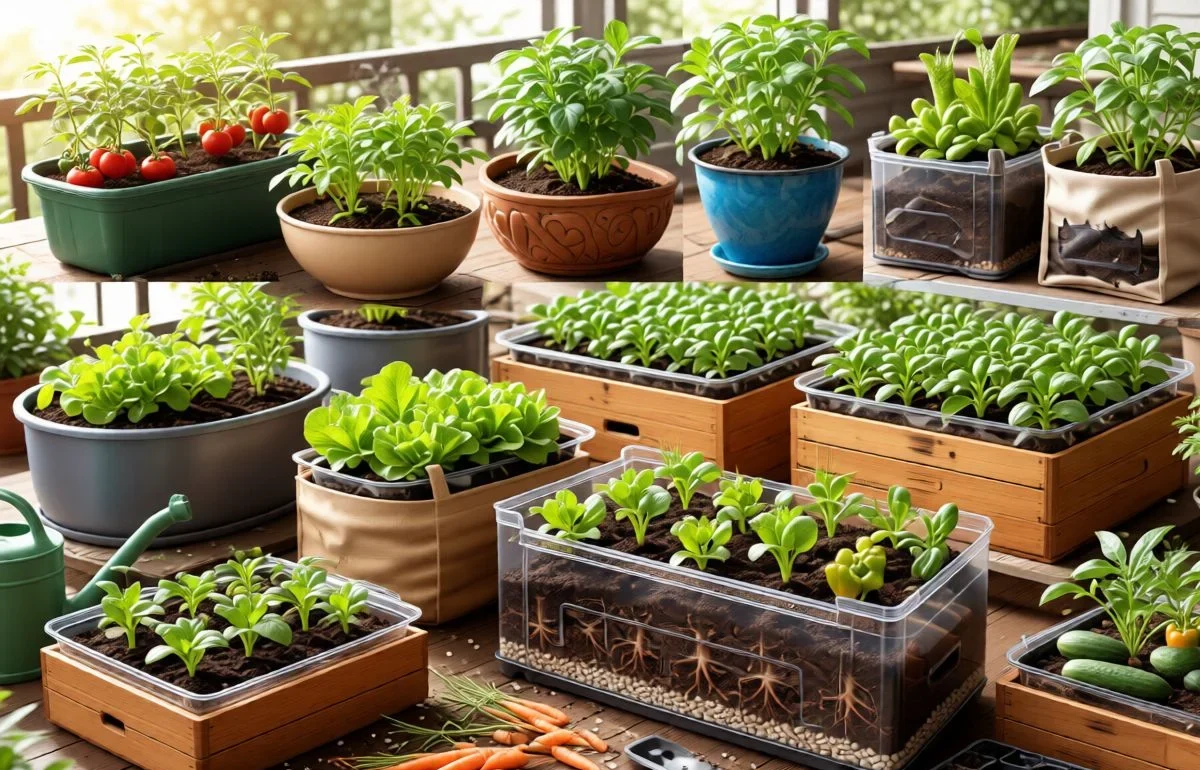
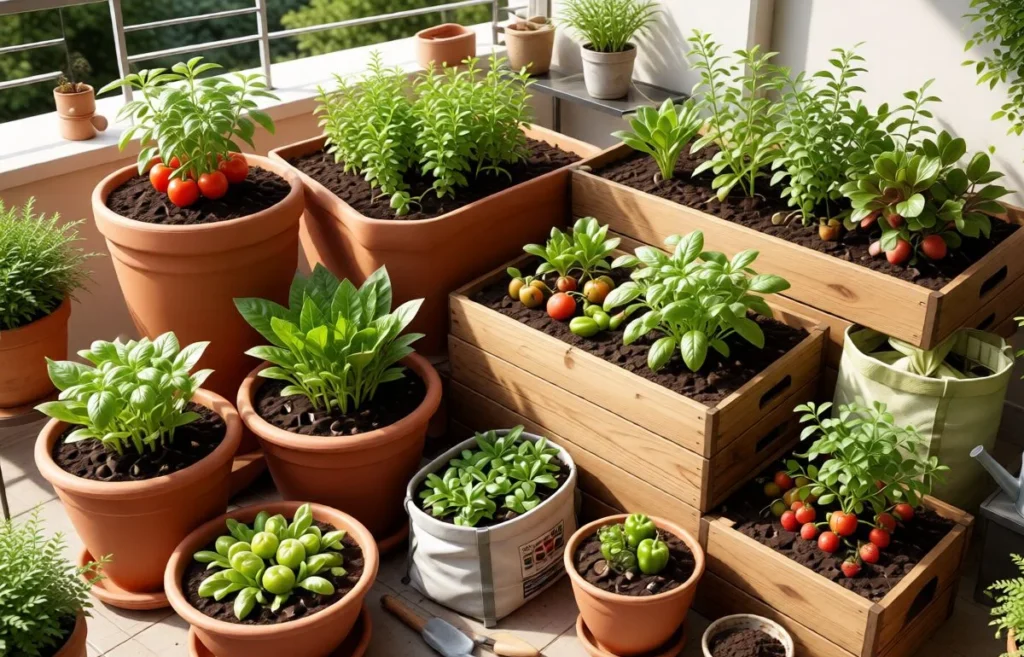
Organic gardening in pots offers a simple and effective way to grow fresh, healthy plants at home. Using containers for organic gardening lets gardeners control soil quality, water, and sunlight easily. Choosing the best containers for organic gardening ensures plants get the right environment to thrive. Food safe flower pots protect plants from harmful chemicals, making them ideal for growing edible plants. Knowing what containers are safe to grow vegetables in helps keep your harvest pure and healthy.
Improved Soil Control
Organic container gardening allows full control over the soil used. Gardeners can choose rich, natural soil mixes free from pesticides and chemicals. This control reduces the chance of soil-borne diseases and pests. It also helps maintain soil moisture and nutrients better than traditional garden beds.
Space Efficiency
Using pots for organic gardening saves space, perfect for small areas like balconies or patios. Containers can fit in tight spots, letting anyone grow vegetables or herbs. Portable pots make it easy to move plants for better sunlight or protection from harsh weather.
Reduced Pest Problems
Growing plants in containers reduces exposure to many common garden pests. Containers can be placed where pests are less likely to reach. Using organic methods inside pots helps keep pests away without harmful chemicals, protecting plant health and safety.
Better Water Management
Containers for organic gardening help control water use efficiently. They prevent water waste by directing moisture directly to roots. Good drainage in food safe flower pots prevents waterlogging, which protects roots from rot and disease.
Easy Access And Maintenance
Organic gardening in pots makes planting, watering, and harvesting easier. Containers are often at a comfortable height, reducing bending or kneeling. This ease allows gardeners of all ages and abilities to enjoy growing fresh food.
Table of Contents
Safer For Growing Edibles
| Container Type | Safety for Vegetables | Benefits |
|---|---|---|
| Food Safe Flower Pots | High | No harmful chemicals; safe for edible plants |
| Clay Pots | Moderate | Good breathability; may leach minerals |
| Plastic Containers | Varies | Lightweight; check for food-safe labels |
| Wooden Boxes | High | Natural material; good insulation |
Choosing the right container matters. Food safe flower pots and untreated wooden boxes provide the safest options for growing vegetables. Avoid containers with lead or harmful paints.
Choosing The Right Pots
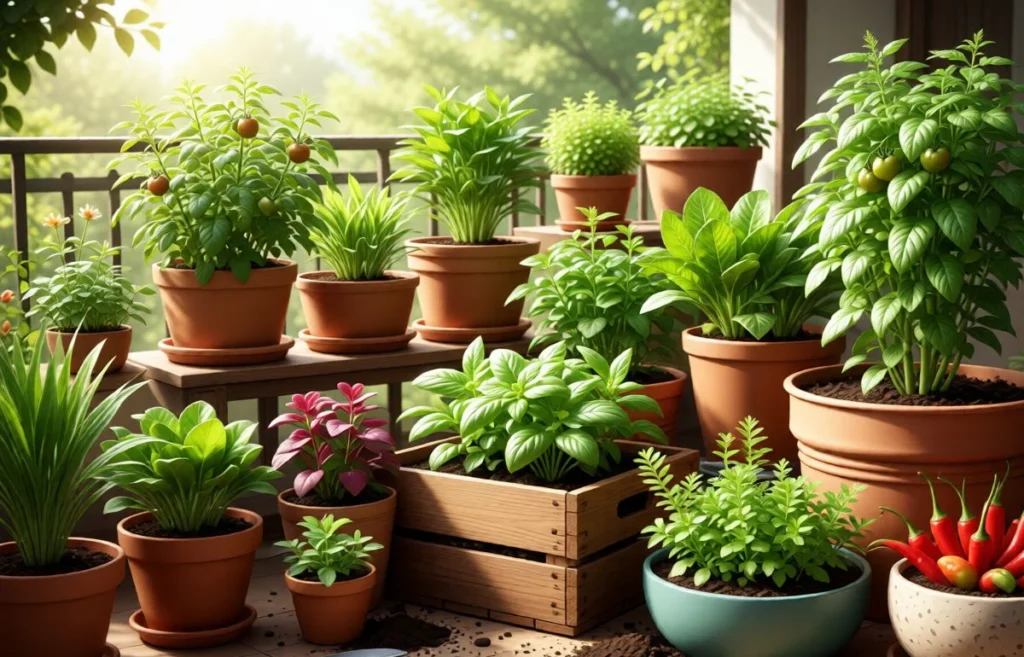
Organic gardening in pots offers a simple way to grow fresh vegetables and herbs at home. Choosing the right pots plays a key role in this process. The right containers help plants grow strong and healthy. They also keep the soil moist and safe from harmful chemicals. Understanding what containers are safe to grow vegetables in makes gardening easier and more rewarding. This section covers the best containers for organic gardening and how to pick food safe flower pots for your garden.
Material Matters For Containers
Different materials affect plant growth in containers for organic gardening. Some materials keep soil moist longer. Others dry out fast or can harm plants.
- Terracotta: Breathable, helps prevent overwatering. May dry out quickly in hot weather.
- Plastic: Lightweight and retains moisture well. Choose BPA-free or food safe plastic pots.
- Wood: Natural and organic. Needs treatment to last longer and avoid rot.
- Metal: Can heat up fast, which may harm roots. Not usually recommended for organic gardening in pots.
- Fabric: Offers good airflow and drainage. Promotes strong root growth.
Size And Shape Impact Plant Health
Choosing the right size container is important. Pots that are too small limit root growth. Pots that are too big hold too much water and cause root rot.
| Plant Type | Recommended Pot Size | Notes |
|---|---|---|
| Herbs (basil, mint) | 6-8 inches deep | Small, shallow pots work well |
| Leafy greens (lettuce, spinach) | 8-10 inches deep | Needs room for root spread |
| Root vegetables (carrots, radishes) | 10-12 inches deep | Deep pots are essential |
Choosing Food Safe Flower Pots
Food safe flower pots protect plants from harmful chemicals. They do not release toxins into the soil. This is crucial for organic gardening in pots.
- Look for pots labeled “food safe” or “BPA free.”
- Avoid pots made with lead, cadmium, or other heavy metals.
- Consider natural materials like unglazed terracotta or untreated wood.
- Plastic pots made for food use are a safe choice.
Drainage And Airflow Are Key
Good drainage prevents waterlogging and root rot. Containers for organic gardening need holes at the bottom. Airflow helps roots breathe and grow.
- Check pots for drainage holes before use.
- Elevate pots slightly to let water drain freely.
- Use breathable materials for better airflow.
Selecting Organic Soil And Compost
Choosing the right soil and compost is key for organic gardening in pots. The soil feeds your plants and helps them grow strong. Using the best containers for organic gardening is important too. These containers should hold soil well and allow air and water to pass through. You also want to pick food safe flower pots so no harmful chemicals get into your vegetables. Knowing what containers are safe to grow vegetables in helps you avoid problems and grow healthy plants in your garden or balcony.
Selecting Nutrient-rich Organic Soil
Organic soil is full of natural nutrients. It supports plant growth without chemicals. Look for soil labeled “organic” or “chemical-free.” It should be loose and dark brown. Good organic soil drains well but holds moisture too.
- Contains natural materials like peat, compost, and bark
- Free from synthetic fertilizers and pesticides
- Supports beneficial microorganisms
Use this soil in your containers for organic gardening to give plants the best start.
Choosing High-quality Compost
Compost adds extra nutrients and improves soil texture. It is made by breaking down plant waste naturally. Compost keeps soil healthy and helps retain water. Use compost that is dark, crumbly, and smells fresh.
- Pick compost made from organic plant matter only
- Avoid compost with large sticks or plastic bits
- Add compost to soil in your food safe flower pots to boost growth
Mixing Soil And Compost For Containers
Mixing soil with compost creates a perfect blend for your pots. This mix keeps nutrients balanced and soil light. Use a ratio of 2 parts organic soil to 1 part compost.
| Component | Purpose | Amount |
|---|---|---|
| Organic Soil | Base material, holds nutrients | 2 parts |
| Compost | Adds nutrients and improves texture | 1 part |
This mix works well in containers for organic gardening, creating a healthy environment for roots.
Best Organic Plants For Pots
Organic gardening in pots offers a simple way to grow fresh food and beautiful plants. Choosing the right plants helps you get the most from your containers. Using food safe flower pots keeps your harvest healthy and pure. Understanding what containers are safe to grow vegetables in matters for organic success. Containers for organic gardening come in many styles, but the best containers for organic gardening provide good drainage and enough space for roots. This section covers the best organic plants for pots to make your garden thrive.
Vegetables Perfect For Organic Gardening In Pots
Many vegetables grow well in containers for organic gardening. They need soil rich in nutrients and enough sunlight.
- Tomatoes: Compact varieties like cherry or patio tomatoes suit pots well.
- Lettuce and Spinach: These leafy greens grow fast and take little space.
- Peppers: Both sweet and hot peppers adapt nicely to pots.
- Radishes: Quick-growing and perfect for small containers.
- Carrots: Choose short-root varieties for better results in pots.
Herbs That Thrive In Food Safe Flower Pots
Herbs bring flavor and fragrance to your garden. Food safe flower pots keep these plants free from harmful chemicals.
- Basil: Loves warmth and grows well in containers.
- Mint: Spreads fast but stays controlled in pots.
- Parsley: A hardy herb that grows year-round.
- Thyme: Needs little water and thrives in small pots.
- Chives: Easy to grow with a mild onion taste.
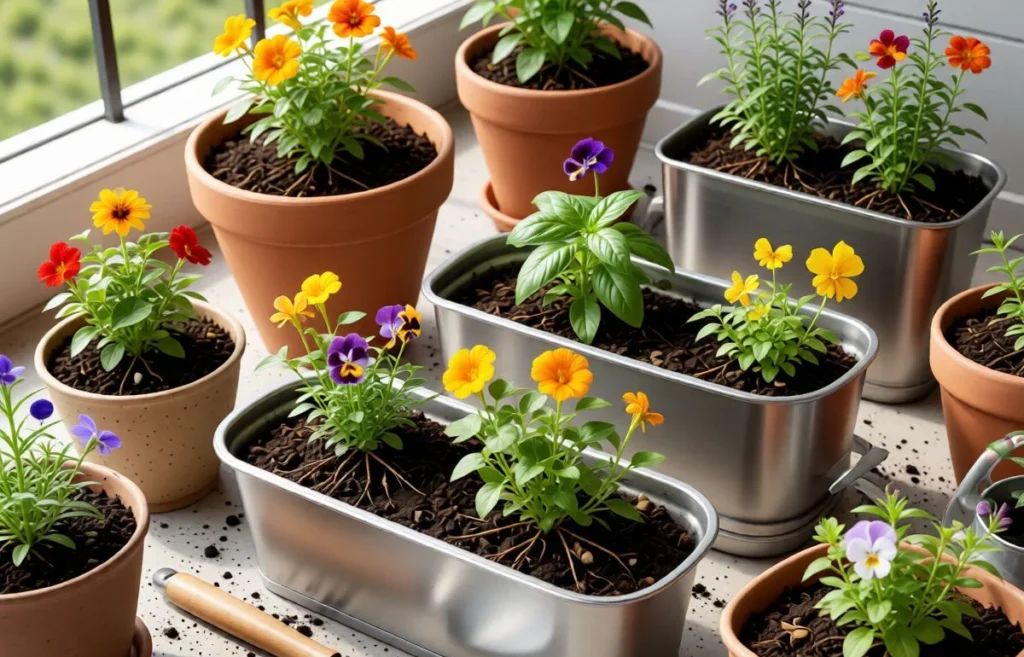
Flowering Plants For Organic Gardening In Pots
Flowers add color and attract helpful insects. They also fit well in best containers for organic gardening.
| Flower | Benefits | Care Tips |
|---|---|---|
| Marigolds | Repel pests naturally | Full sun and regular watering |
| Petunias | Bright colors and easy care | Partial shade and moist soil |
| Lavender | Fragrant and attracts bees | Well-drained soil and full sun |
| Calendula | Edible flowers and pest control | Moderate watering and sun |
Natural Fertilizers And Soil Amendments
Organic gardening in pots requires more than just soil and seeds. Using the right natural fertilizers and soil amendments helps plants grow healthy and strong. Containers for organic gardening need soil that holds nutrients well and drains properly. Choosing the best containers for organic gardening is important, especially if growing vegetables or herbs. Food safe flower pots ensure no harmful chemicals affect your plants. Knowing what containers are safe to grow vegetables in protects your food and the environment. Natural fertilizers and soil amendments improve soil quality and provide essential nutrients for plants in pots.
Natural Fertilizers For Containers
Natural fertilizers feed plants slowly and safely. They release nutrients over time, helping plants grow steady and healthy.
- Compost: Rich in nutrients and microbes. Mix well with potting soil.
- Worm Castings: Great for improving soil structure and fertility.
- Fish Emulsion: Liquid fertilizer high in nitrogen. Use diluted in watering.
- Bone Meal: Supplies phosphorus for strong roots and flowers.
- Seaweed Extract: Contains trace minerals and growth hormones.
Soil Amendments To Improve Potting Mix
Soil amendments change soil texture and water retention. They help containers for organic gardening hold water without becoming soggy.
| Amendment | Benefit | Use |
|---|---|---|
| Perlite | Improves drainage and aeration | Mix 10-20% with potting soil |
| Coconut Coir | Holds moisture and lightens soil | Mix 20-30% for better water retention |
| Vermiculite | Retains water and nutrients | Add 10-15% for moisture control |
| Composted Bark | Improves air flow and drainage | Use 10-20% in potting mix |
Choosing Safe Containers For Organic Gardening
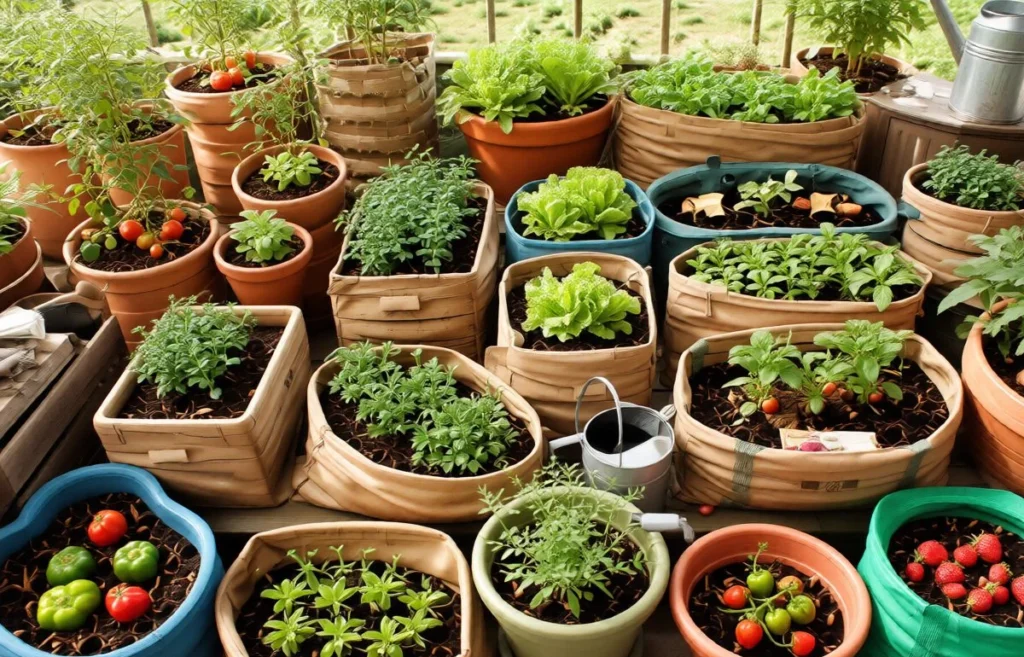
Food safe flower pots keep plants free from chemicals. Avoid containers with lead, BPA, or other toxins.
- Ceramic Pots: Choose unglazed or food-safe glazed types.
- Wooden Planters: Use untreated or naturally rot-resistant wood.
- Plastic Pots: Select BPA-free and food grade plastics.
- Fabric Grow Bags: Breathable and safe for vegetables.
Knowing what containers are safe to grow vegetables in helps maintain healthy food. Safe pots prevent chemicals from leaching into soil and plants.
Watering Techniques For Potted Gardens
Organic gardening in pots requires special care, especially with watering. Proper watering keeps plants healthy and boosts growth. Different containers for organic gardening hold water differently. Knowing how much and how often to water helps plants thrive. Choosing the best containers for organic gardening also affects watering needs. Food safe flower pots and other safe containers prevent harmful chemicals from affecting your vegetables. Understanding what containers are safe to grow vegetables in makes watering easier and safer.
Proper Watering Frequency For Potted Plants
Water potted plants only when the soil feels dry about an inch below the surface. Overwatering can drown roots, while underwatering causes stress. Check soil moisture every few days. During hot weather, water more often. In cooler weather, water less.
Choosing The Right Watering Method
- Top watering: Pour water slowly on the soil surface until it drains from the bottom.
- Bottom watering: Place pots in a tray of water and let soil absorb water through drainage holes.
- Drip irrigation: Use a drip system for steady, slow watering, saving time and water.
Each method suits different types of containers for organic gardening.
Water Quality And Temperature
Use room temperature water to avoid shocking plant roots. Rainwater or filtered water works best for organic gardening in pots. Tap water may contain chemicals harmful to plants. Avoid using cold or hot water directly on plants.
Signs Of Improper Watering In Potted Gardens
| Symptom | Cause | Solution |
|---|---|---|
| Yellowing leaves | Overwatering | Reduce watering and check drainage |
| Wilting | Underwatering | Increase watering frequency |
| Brown leaf edges | Dry soil or salt build-up | Flush soil with water |
Improving Water Retention In Containers
Use organic mulch like straw or shredded leaves on top of soil to keep moisture. Choose containers with good drainage holes. Mixing compost or coco coir into soil improves water retention. Avoid containers that dry out quickly, especially in hot sun.
Managing Pests Without Chemicals
Organic gardening in pots offers a safe way to grow fresh vegetables at home. Managing pests without chemicals keeps your plants healthy and your harvest clean. Choosing the best containers for organic gardening helps reduce pest problems. Using food safe flower pots or other containers for organic gardening ensures no harmful chemicals leach into your plants. Knowing what containers are safe to grow vegetables in supports strong plant growth and pest resistance.
Natural Pest Deterrents For Containers
Use natural pest deterrents to protect plants in your pots. Some common options include:
- Neem oil: A natural insect repellent safe for edible plants.
- Garlic spray: Repels many insects and is easy to make at home.
- Chili pepper spray: Keeps pests like aphids and beetles away.
- Soap spray: Mild soapy water can remove soft-bodied pests.
Apply sprays carefully, avoiding strong sun to prevent leaf burn. These solutions work well with the best containers for organic gardening.
Encouraging Beneficial Insects
Beneficial insects eat harmful pests and help your garden thrive. Attract ladybugs, lacewings, and predatory wasps by:
- Planting herbs such as dill, fennel, and cilantro in your containers.
- Adding small flowering plants to attract pollinators and predators.
- Avoiding chemical pesticides that kill helpful insects.
These insects keep pest populations low naturally in your containers for organic gardening.
Regular Monitoring And Maintenance
Check plants often for early signs of pest damage. This allows quick action before problems grow. Follow these steps:
- Inspect leaves, stems, and soil regularly.
- Remove any damaged or infested leaves immediately.
- Keep containers clean and free of fallen plant debris.
- Water plants properly to keep them strong against pests.
Consistent care in food safe flower pots prevents pest outbreaks and supports healthy growth.
Frequently Asked Questions
What Are The Best Pots For Organic Gardening?
Choose pots with good drainage holes to prevent waterlogging. Terra cotta and plastic pots work well. Size depends on the plant’s root needs.
How Do I Prepare Soil For Organic Gardening In Pots?
Use a mix of compost, peat moss, and vermiculite. This blend helps retain moisture and nutrients. Avoid regular garden soil as it may compact.
Which Plants Grow Best In Pots Organically?
Herbs like basil, mint, and parsley grow well. Tomatoes, peppers, and lettuce also thrive in containers. Choose plants suited to your climate.
How Often Should I Water Organic Potted Plants?
Water when the top inch of soil feels dry. Container plants often need more frequent watering than garden beds. Check daily in hot weather.
Can I Use Organic Fertilizers In Potted Gardening?
Yes, organic fertilizers like compost tea or fish emulsion work well. They feed plants naturally and improve soil health. Avoid chemical fertilizers for organic growth.
How Do I Prevent Pests In Organic Container Gardens?
Use natural remedies like neem oil or insecticidal soap. Encourage beneficial insects like ladybugs. Keep plants healthy to resist pests better.
What Sunlight Do Potted Organic Plants Need?
Most herbs and vegetables need 6-8 hours of sunlight daily. Place pots in a sunny spot or near a south-facing window. Adjust based on plant type.
Conclusion
Growing plants in pots with organic methods brings many benefits. You control what goes into the soil and avoid harmful chemicals. Fresh herbs, vegetables, and flowers grow well in small spaces. Pots make it easy to move plants to catch sunlight.
Watering and feeding become simple tasks. Your garden becomes a healthy, green space right outside your door. Start small and enjoy the process. Healthy plants, fresh food, and clean air—all from your own pots. It’s a rewarding way to garden and live more naturally.