
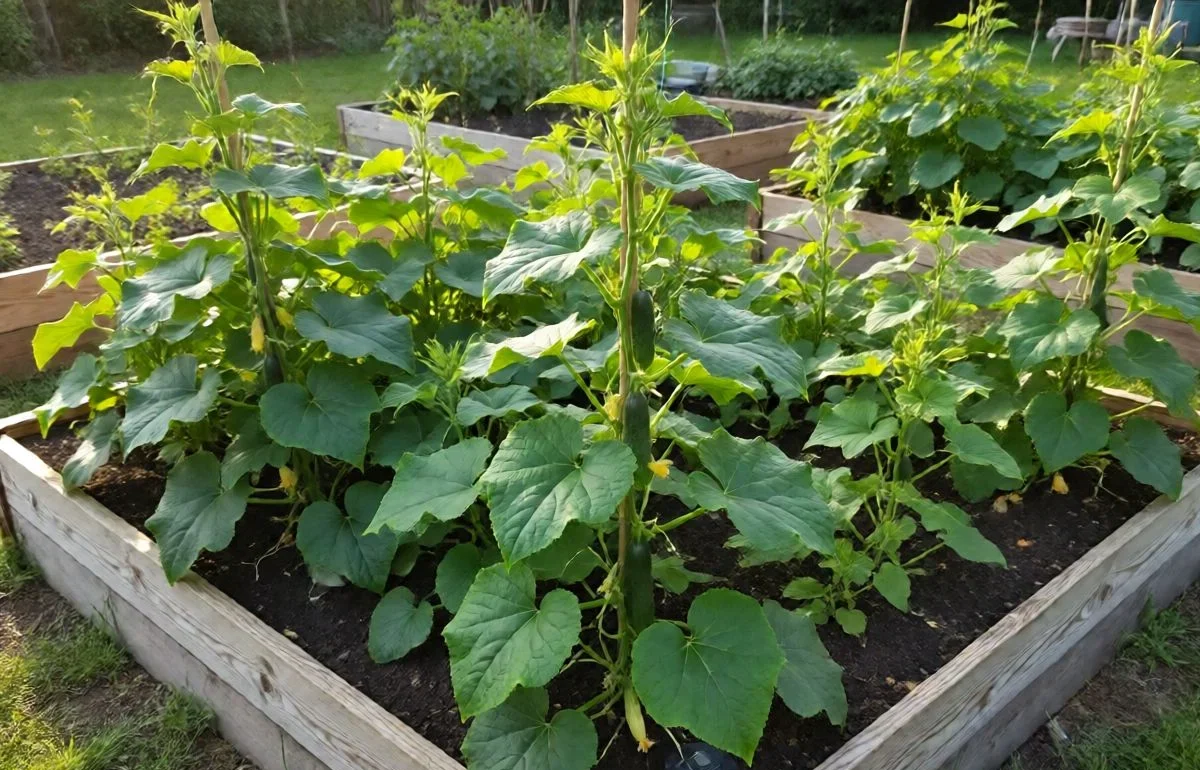

Growing cucumbers on a trellis is one of the smartest ways to get fresh, crisp cucumbers right from your garden. If you want to save space, keep your plants healthy, and enjoy an easier harvest, a trellis is your best friend.
You might be wondering how to set it up or what steps to follow to make sure your cucumbers climb strong and produce plenty. This guide will walk you through everything you need to know, so by the end, you’ll be ready to grow cucumbers like a pro.
Keep reading, and discover simple tips that will change how you garden forever.
Choosing The Right Cucumber Variety
Growing cucumbers on a trellis is a smart way to save space and keep your garden tidy. Knowing how to grow cucumbers on a trellis starts with choosing the right cucumber variety. This choice affects how well your plants climb and how many cucumbers you can harvest. In square foot gardening cucumbers thrive best when you pick varieties that suit trellising. You might wonder how many cucumbers per square foot you can expect. The answer depends on the variety and growth habit. Also, watch out for issues like cucumber plant leaves turning yellow, which can signal problems with your plants. Learning about the best types for trellis growing helps you get the most from your garden.
Types of Cucumbers for Trellis Growing
Cucumbers come in two main types: slicing and pickling. Both types can grow on a trellis, but their growth patterns differ. Slicing cucumbers are usually longer and need more space. Pickling cucumbers are shorter and often bushier. Choose varieties labeled as “vining” because they climb better on trellises.
- Slicing Cucumbers: Best for fresh eating, salads, and sandwiches.
- Pickling Cucumbers: Smaller, ideal for jars and preservation.
- Mini Cucumbers: Compact vines, perfect for small trellises and limited space.
Factors to Consider When Choosing Varieties
Pick cucumbers that match your garden space and climate. Consider:
- Vine Type: Choose vining cucumbers for trellising, not bush types.
- Disease Resistance: Look for varieties resistant to common cucumber diseases.
- Fruit Size: Select sizes that fit your cooking or pickling needs.
- Harvest Time: Early or late season varieties affect your garden schedule.
Recommended Cucumber Varieties for Trellises
| Variety Name | Type | Growth Habit | Best Use |
|---|---|---|---|
| Marketmore 76 | Slicing | Vining | Fresh eating, disease resistant |
| Boston Pickling | Pickling | Vining | Pickling, compact vines |
| Spacemaster | Slicing | Bush (not ideal for trellis) | Small gardens, fresh eating |
| Armenian Cucumber | Slicing | Vining | Long, thin, great for trellis |
Selecting And Preparing The Trellis
Growing cucumbers on a trellis saves space and improves air flow. This method works well for square foot gardening cucumbers, where efficient use of space is key. Knowing how to grow cucumbers on a trellis starts with selecting and preparing the right support. The trellis holds the vines upright, making harvesting easier and reducing problems like cucumber plant leaves turning yellow from soil contact.
Table of Contents
Selecting The Right Trellis For Your Garden
Choose a trellis that fits your garden space and cucumber variety. Vertical trellises help save room and keep plants healthy.
- Material: Use wood, metal, or plastic. Wood is sturdy but may rot. Metal lasts longer but can be costly.
- Height: At least 5 to 6 feet tall. Cucumbers climb well and need space to grow upward.
- Width: Wide enough to support several vines. This helps answer how many cucumbers per square foot you can grow.
- Design: Choose from A-frame, flat panel, or teepee shapes. Each supports vines differently.
Preparing The Trellis Before Planting
Preparing the trellis is as important as picking it. A well-prepared trellis supports healthy growth and easy harvesting.
- Clean the structure: Remove dirt or old plant material to avoid pests and diseases.
- Secure the trellis: Anchor it firmly into the soil to prevent tipping as vines grow heavy.
- Add support netting or wire: This gives cucumber tendrils something to grip tightly.
- Check for sharp edges: Smooth or cover any spots that could damage vines.
Using Images Of Cucumber Trellis For Guidance
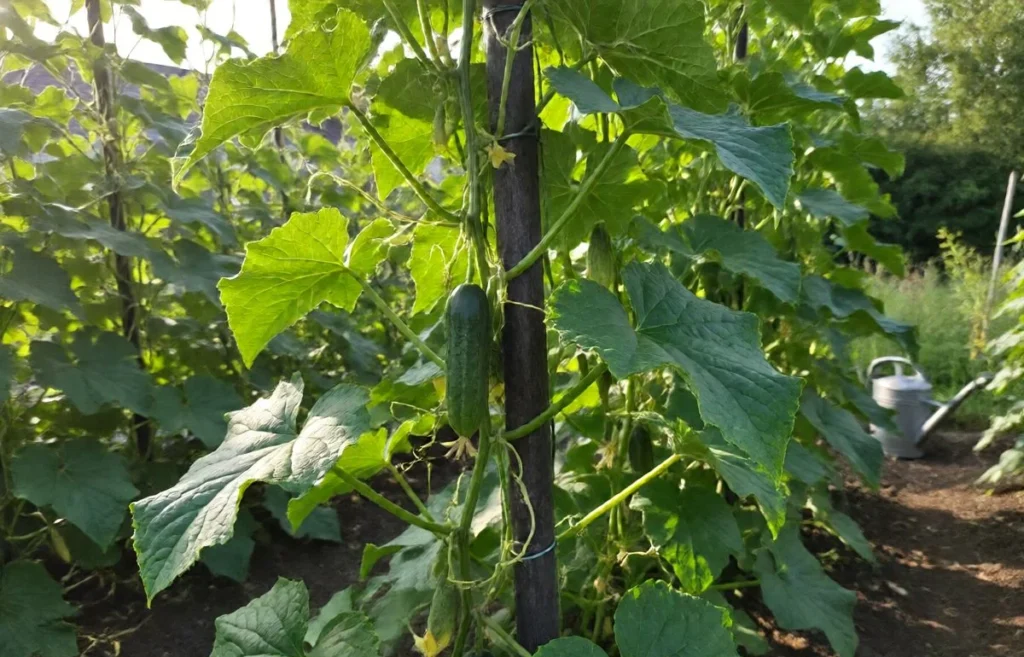
Visual aids help understand proper trellis setup. Images of cucumber trellis show spacing and vine placement clearly.
- Refer to pictures that show healthy cucumber plant leaves turning yellow less often.
- Compare different trellis types and how vines climb on them.
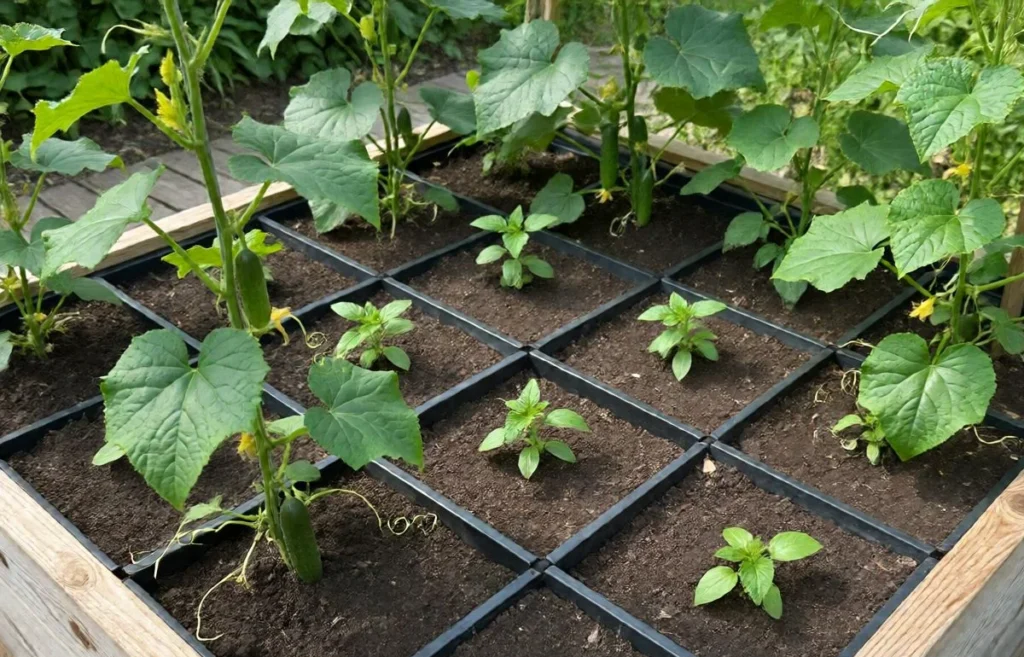
- Use images to plan your own square foot gardening cucumbers layout.
Planting Cucumbers For Trellis Growth
Growing cucumbers on a trellis saves space and helps plants get more sunlight. It also keeps fruits clean and easy to harvest. Understanding how to grow cucumbers on a trellis starts with proper planting. Good planting ensures strong growth and healthy cucumbers. This method works well for square foot gardening cucumbers, which need organized space. Knowing how many cucumbers per square foot to plant improves yield and health. Watching for signs like cucumber plant leaves turning yellow helps catch problems early. Below are key steps for planting cucumbers for trellis growth.
Choosing The Right Cucumber Variety For Trellis
Select cucumber types suited for vertical growth. Pick vining cucumbers over bush varieties. Vining types climb well and produce more fruit. Some popular vining varieties include:
- Marketmore 76
- Spacemaster
- Boston Pickling
These varieties work great with trellis systems and square foot gardening cucumbers.
Preparing The Soil And Planting Site
Healthy soil helps cucumbers grow strong on a trellis. Follow these soil tips:
- Choose a sunny spot with at least 6-8 hours of sunlight daily.
- Ensure soil drains well to avoid root rot.
- Mix organic compost into soil to add nutrients.
- Maintain soil pH between 6.0 and 7.0.
Prepare planting holes about 12 inches apart for good air circulation and growth.
Spacing And Planting Depth For Square Foot Gardening Cucumbers
Spacing cucumbers correctly improves fruit quality and yield. Follow this guide:
| Planting Method | Space Between Plants | Plants Per Square Foot | Planting Depth |
|---|---|---|---|
| Trellis Vining Cucumbers | 12 inches (1 foot) | 1 plant | 1 inch deep |
| Bush Cucumbers (Not Trellised) | 18-24 inches | 1 plant per 2-3 sq ft | 1 inch deep |
Plant seeds or seedlings 1 inch deep. Water well after planting to settle soil.
Supporting Young Cucumber Plants On The Trellis
Help young vines climb the trellis early. Use these tips:
- Gently tie vines to trellis with soft garden ties or twine.
- Train vines upward by guiding tendrils toward the trellis.
- Check ties regularly to avoid cutting into stems.
- Remove any leaves blocking sunlight from lower parts.
Early support encourages healthy vertical growth and fruit production.
Training Vines To Climb The Trellis
Growing cucumbers on a trellis saves space and keeps the fruits clean. Learning how to grow cucumbers on a trellis involves guiding the vines upward. This method is perfect for square foot gardening cucumbers, where space is limited. Training the vines helps control their growth and prevents problems like cucumber plant leaves turning yellow. Below are simple steps and tips for training vines to climb the trellis effectively.
Choosing The Right Vine To Train
Start with the strongest, healthiest vine. Look for a stem that is thick and has lots of leaves. Avoid weak or damaged vines because they may not climb well.
- Pick the longest vine with no signs of disease.
- Check for new growth near the base.
- Choose a vine that grows toward the trellis naturally.
Gently Guiding Vines Upward
Hold the vine close to the trellis and gently wrap it around. Do this every few inches to keep it stable. Use soft ties like garden twine or strips of old cloth to avoid damage.
- Place the vine against the trellis.
- Wrap the vine loosely around the trellis bar.
- Tie the vine gently with soft material.
- Repeat along the length of the vine.
Supporting Heavy Fruits
As cucumbers grow, they become heavy and can pull the vine down. Use slings made of cloth or netting to hold each fruit. This reduces stress on the vine and keeps cucumbers clean.
| Support Type | Benefits | How to Use |
|---|---|---|
| Cloth Sling | Soft, gentle on fruit | Tie a cloth strip under each cucumber |
| Netting Support | Holds multiple fruits | Create small nets to cradle fruits |
Regular Checks And Adjustments
Check vines every few days to adjust ties and supports. Remove any yellow leaves to keep the plant healthy. This habit prevents problems like cucumber plant leaves turning yellow.
- Untie any tight spots to avoid stem damage.
- Trim side shoots that grow away from the trellis.
- Look for pests or diseases during each check.
Watering And Fertilizing For Healthy Growth
Growing cucumbers on a trellis saves space and keeps your garden neat. Learning how to grow cucumbers on a trellis involves knowing the right watering and fertilizing methods. Proper watering and feeding help cucumber plants stay strong and produce more fruit. These steps also prevent common problems like cucumber plant leaves turning yellow. Whether using square foot gardening cucumbers or larger spaces, watering and fertilizing correctly improves your harvest. Understanding how many cucumbers per square foot you want helps adjust your care routine. Images of cucumber trellis often show healthy, lush vines thriving with proper water and nutrients.
Watering Needs For Cucumbers On A Trellis
Cucumbers need consistent moisture. Water deeply to reach the roots, about 1 to 2 inches per week. Use drip irrigation or a soaker hose to avoid wetting the leaves. Wet leaves can cause diseases and yellow spots. Early morning watering reduces evaporation and disease risk.
- Water 2-3 times a week in hot weather
- Check soil moisture regularly
- Keep soil evenly moist but not soggy
Fertilizing For Strong Growth
Cucumbers grow fast and need nutrients. Use a balanced fertilizer with equal parts nitrogen, phosphorus, and potassium. Apply fertilizer before planting and again when vines start to climb the trellis. Over-fertilizing can cause many leaves but fewer fruits.
- Mix compost or organic matter into the soil before planting
- Use a balanced 10-10-10 fertilizer at planting
- Side-dress with fertilizer when vines reach 6 inches
Signs Of Nutrient Deficiency
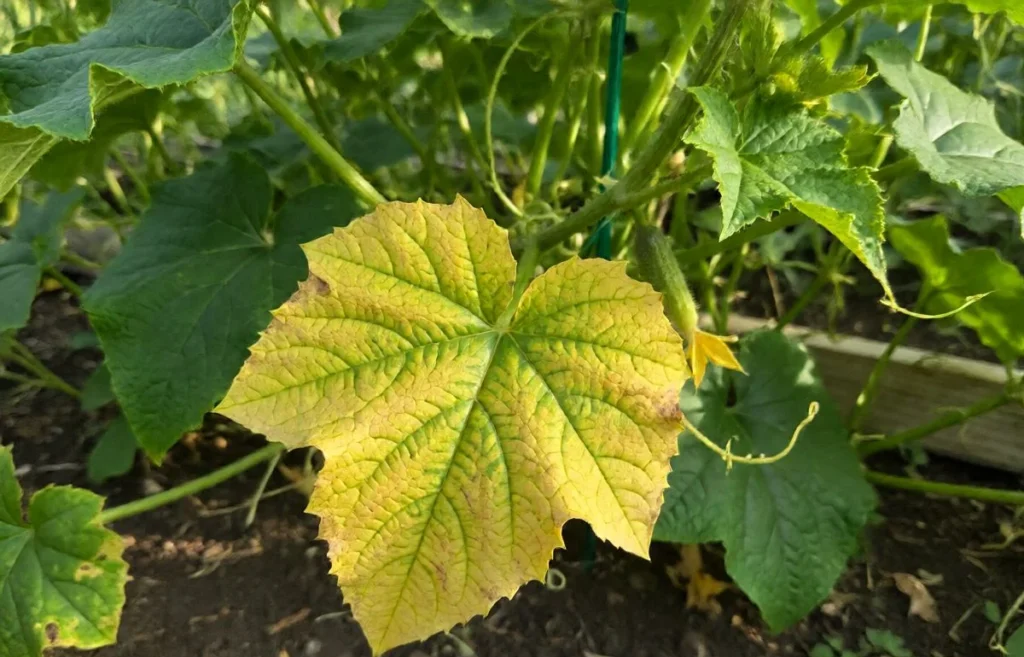
Watch for cucumber plant leaves turning yellow. Yellow leaves often mean lack of nitrogen or water stress. Pale yellow veins can signal magnesium deficiency. Fix these by adjusting watering and adding fertilizer.
| Symptom | Possible Cause | Solution |
|---|---|---|
| Yellowing leaves | Nitrogen deficiency | Apply nitrogen-rich fertilizer |
| Wilting leaves | Water stress | Water deeply and regularly |
| Pale yellow veins | Magnesium deficiency | Use Epsom salts or magnesium fertilizer |
Managing Pests And Diseases
Growing cucumbers on a trellis is a smart way to save space and keep the fruit clean. Using square foot gardening cucumbers is popular because it maximizes yield in small gardens. Knowing how many cucumbers per square foot helps plan your garden well. While growing cucumbers this way, managing pests and diseases is vital. Problems like cucumber plant leaves turning yellow can signal pests or illness. Keeping your plants healthy means watching for signs and acting fast. Below are key tips on managing pests and diseases for your cucumber trellis.
Identifying Common Pests On Cucumber Plants
Pests can damage cucumber vines and fruit. Spotting them early helps protect your crop. Watch for these common pests:
- Aphids: Tiny green or black bugs found on leaves and stems.
- Cucumber Beetles: Yellow-green beetles with black spots or stripes.
- Spider Mites: Very small, causing webbing and speckled leaves.
- Squash Bugs: Flat, brown bugs that suck plant juices.
Natural Ways To Control Pests
Use gentle methods to keep pests away without chemicals. Try these steps:
- Handpick: Remove beetles and bugs by hand daily.
- Water Spray: Blast aphids and mites off leaves with water.
- Introduce Beneficial Insects: Ladybugs and lacewings eat harmful pests.
- Neem Oil: Apply neem oil spray to repel and kill pests.
- Companion Planting: Plant marigolds or nasturtiums nearby to deter pests.
Preventing And Treating Diseases
Diseases can cause issues like cucumber plant leaves turning yellow or wilting. Common diseases include:
| Disease | Symptoms | Prevention/Treatment |
|---|---|---|
| Powdery Mildew | White powdery spots on leaves | Ensure good airflow; use fungicide sprays |
| Downy Mildew | Yellow patches on upper leaf surfaces | Water early; remove infected leaves |
| Bacterial Wilt | Leaves wilt and die quickly | Control cucumber beetles; remove affected plants |
Maintaining Healthy Growth For Square Foot Gardening Cucumbers
Healthy cucumbers grow better on a trellis and resist pests and diseases. Follow these tips:
- Plant in well-drained soil with compost.
- Water at the base to keep leaves dry.
- Remove yellow or damaged leaves promptly.
- Space plants properly, knowing how many cucumbers per square foot helps avoid crowding.
- Use mulch to reduce weeds and soil splash.
Harvesting Cucumbers From The Trellis
Growing cucumbers on a trellis is a smart way to save space and keep plants healthy. It also makes harvesting easier and cleaner. Knowing how to grow cucumbers on a trellis helps gardeners increase yield and manage their plants better. This method works well with square foot gardening cucumbers, where space is limited. Understanding how many cucumbers per square foot to plant ensures each vine has enough room to grow. Watching out for issues like cucumber plant leaves turning yellow helps keep the plants strong. Below, learn the best tips for harvesting cucumbers from the trellis to enjoy fresh, crisp cucumbers all season.
Choosing The Right Time To Harvest
Harvest cucumbers when they reach the right size, usually 6 to 8 inches long. Check the color; cucumbers should be bright green and firm. Avoid letting cucumbers grow too large. Overripe cucumbers become bitter and less crunchy. Pick cucumbers early in the morning for the best flavor and texture.
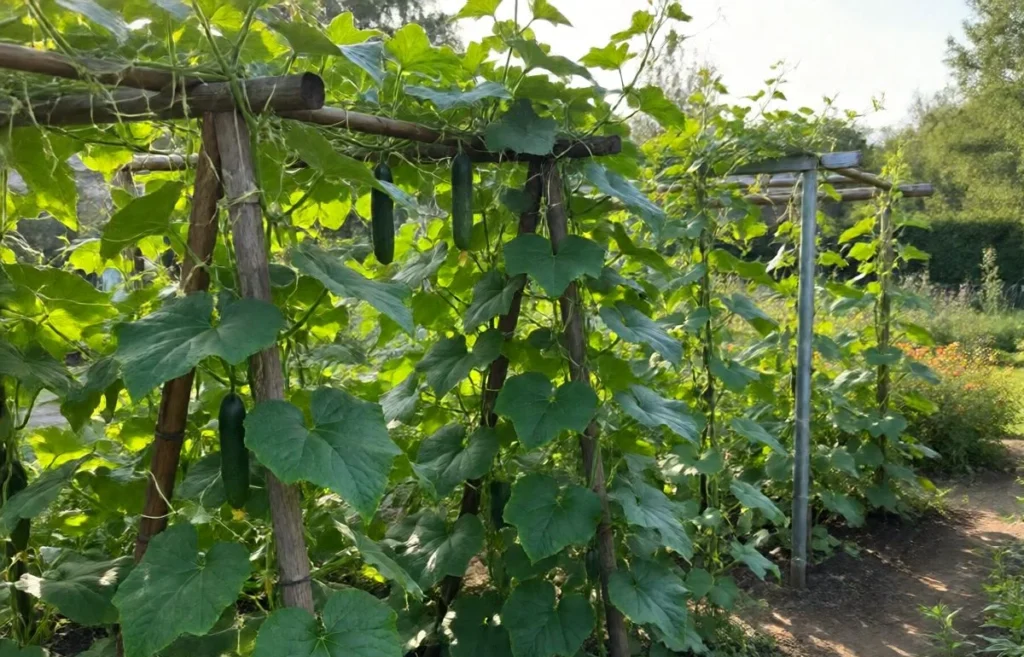
How To Pick Cucumbers Safely
Use sharp scissors or garden shears to cut cucumbers from the vine. Cut the stem about half an inch above the fruit to avoid damage. Do not pull cucumbers off by hand; this can harm the plant. Handle the fruit gently to prevent bruising.
Signs Of Ready Cucumbers On The Trellis
- Firm texture when gently squeezed
- Uniform dark green color
- Size between 6 and 8 inches
- Glossy skin without wrinkles
- No yellow spots or softness
Storing Harvested Cucumbers
Store cucumbers in the refrigerator to keep them fresh. Wrap cucumbers in a paper towel and place them in a plastic bag. This helps prevent moisture loss and keeps them crisp for up to a week. Avoid storing cucumbers near fruits like bananas, which release gases that cause cucumbers to spoil faster.
Frequently Asked Questions
What Type Of Trellis Is Best For Growing Cucumbers?
A sturdy trellis made of wood or metal works best for cucumbers. It should be tall enough, about 5 to 6 feet, to support the vines.
How Do I Train Cucumber Vines On A Trellis?
Gently tie the cucumber vines to the trellis using soft ties or garden twine. Guide the vines upward to encourage vertical growth and better air flow.
When Should I Start Planting Cucumbers For Trellis Growth?
Plant cucumbers after the last frost date when soil temperature reaches 70°F. This ensures warm soil for healthy seed germination and strong growth.
How Often Should I Water Cucumbers On A Trellis?
Water cucumbers deeply once or twice a week, depending on weather. Keep soil moist but not soggy to avoid root rot and stress.
Can Trellising Improve Cucumber Fruit Quality?
Yes, trellising keeps cucumbers off the ground, reducing rot and pests. It also helps fruits grow straight and cleaner for easier harvesting.
What Soil Conditions Suit Cucumbers On A Trellis?
Cucumbers prefer well-drained, fertile soil rich in organic matter. A soil pH between 6. 0 and 7. 0 supports healthy vine and fruit development.
How Do I Prevent Pests On Trellised Cucumbers?
Inspect vines regularly for pests like aphids and cucumber beetles. Use natural controls like neem oil or insecticidal soap to protect plants safely.
Conclusion
Growing cucumbers on a trellis saves space and keeps fruits clean. It helps plants get more sunlight and air, which means healthier growth. You can pick cucumbers easily without bending down. Regular watering and checking for pests keep plants strong.
With simple care, your cucumber vines will thrive. Try trellis growing for a fresh, tasty harvest this season. Enjoy the process and the fresh cucumbers you grow!