
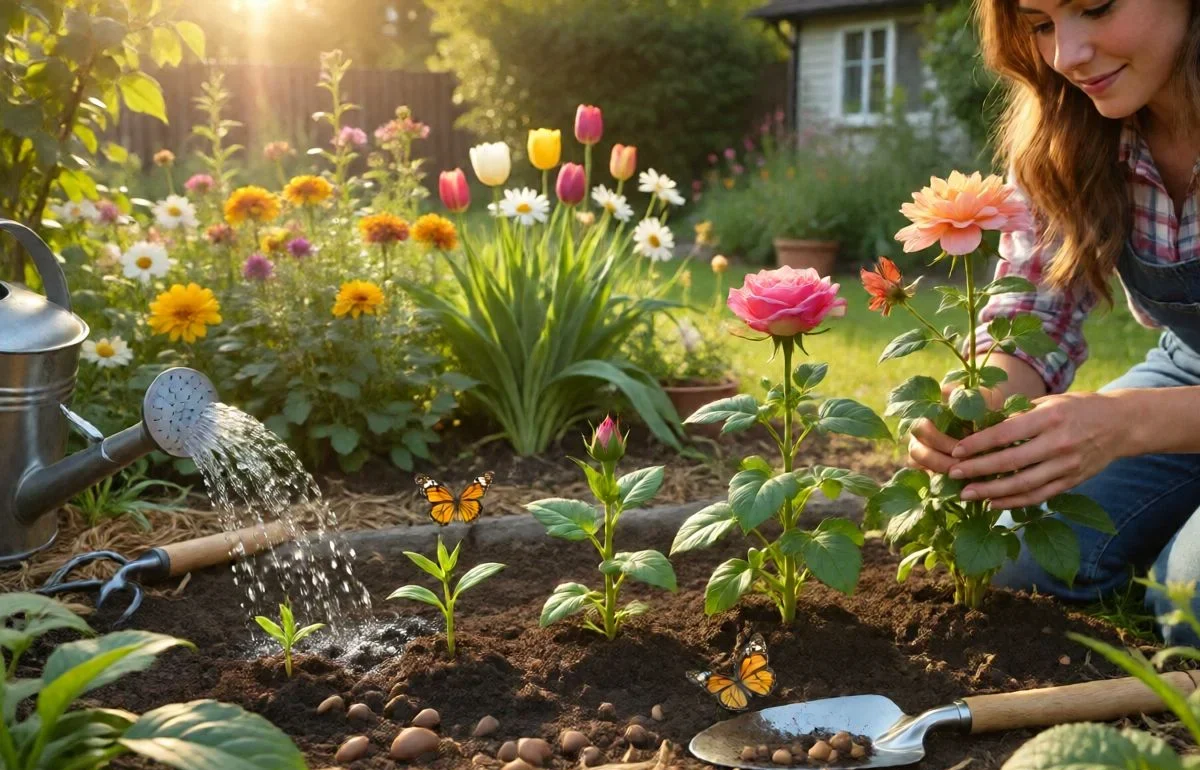

Are you eager to see your garden bloom but wonder, how long do flowers take to grow? Knowing the right timeline can save you frustration and help you plan your garden better.
Whether you’re planting seeds or young plants, understanding the growth process lets you enjoy the beauty of flowers at just the right time. Keep reading to discover the factors that affect flower growth and get clear answers to your most pressing questions.
Your garden’s transformation is closer than you think!
Factors Influencing Flower Growth
Wondering how long do flowers take to grow? The answer depends on many things. How a flower grows changes based on its needs and the environment. Understanding factors influencing flower growth helps you know how long does a flower take to grow. It also shows what flowers need to grow well and stay healthy.
Soil Quality And Type
The soil plays a big role in how flowers grow. Good soil has nutrients that flowers need. Some flowers like sandy soil, while others prefer clay or loam.
- Rich soil provides nutrients for faster growth.
- Poor soil slows down flower development.
- Proper drainage is important to avoid root rot.
Sunlight Exposure
Sunlight is essential for photosynthesis, which fuels flower growth. Different flowers need different amounts of light.
- Full sun flowers need 6-8 hours of direct sunlight daily.
- Partial sun flowers thrive with 3-6 hours of sun.
- Shade-loving flowers grow best with less than 3 hours of sunlight.
Watering And Moisture
Water affects how a flower grows. Both too much and too little water can harm flowers.
| Water Amount | Effect on Growth |
|---|---|
| Too little water | Stunted growth, wilting, and poor flower development |
| Optimal water | Healthy growth and vibrant blooms |
| Too much water | Root rot and slow or stopped growth |
Temperature And Climate
Temperature affects the speed of how flowers grow. Most flowers prefer moderate temperatures.
- Very cold temperatures can stop growth or kill plants.
- Very hot temperatures can cause wilting and reduce flowering.
- Ideal temperature varies by flower type.
Flower Species And Genetics
How long does a flower take to grow depends on its species. Some flowers bloom quickly, others take months.
- Annuals usually grow and bloom within one season.
- Perennials may take longer to mature but bloom yearly.
- Genetics influence growth speed and flower size.
Table of Contents
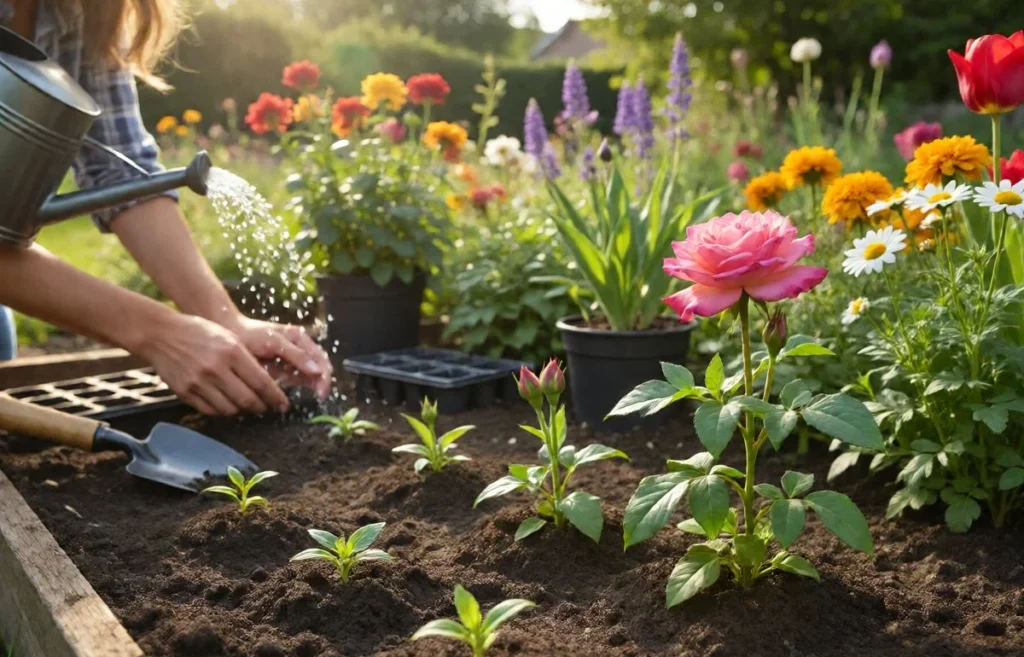
Growth Timelines For Common Flowers
Wondering how long do flowers take to grow? The answer varies by flower type. Understanding how a flower grows helps gardeners plan their planting and care. Different flowers have unique growth timelines based on their needs and environment. Knowing how long does a flower take to grow helps set realistic expectations.
What flowers need to grow includes sunlight, water, soil, and temperature. Each factor affects growth speed. Below are growth timelines for common flowers to guide your gardening journey.
Growth Timeline for Sunflowers
Sunflowers grow quickly, often reaching full height in about 70 to 100 days. They start from seed and sprout within 7 to 10 days.
- Seed germination: 7-10 days
- Seedling stage: 2-3 weeks
- Flowering: 8-12 weeks
Sunflowers need full sun and well-drained soil to grow strong.
Growth Timeline for Tulips
Tulips take longer, usually 14 to 16 weeks from planting to bloom. They grow from bulbs planted in fall and bloom in spring.
- Bulb planting: Fall
- Root development: 6-8 weeks
- Flowering: Early spring
Tulips require cold temperatures to start growth, so timing matters.
Growth Timeline for Marigolds
Marigolds are fast growers. They bloom within 45 to 60 days after planting seeds.
- Seed germination: 5-7 days
- Vegetative growth: 3-4 weeks
- Flowering: 6-8 weeks
Marigolds thrive in warm weather and need moderate watering.
Growth Timeline for Roses
Roses are slower to bloom. From planting a bare root or cutting, expect 12 to 16 weeks for first flowers.
- Root establishment: 4-6 weeks
- New growth: 6-8 weeks
- Flowering: 12-16 weeks
Roses need rich soil, regular feeding, and plenty of sunlight.
Summary Table of Flower Growth Timelines
| Flower | Growth Time (Days) | Key Growing Needs |
|---|---|---|
| Sunflower | 70-100 | Full sun, well-drained soil |
| Tulip | 98-112 | Cold period, well-drained soil |
| Marigold | 45-60 | Warm weather, moderate water |
| Rose | 84-112 | Rich soil, full sun, regular feeding |
Seed Germination Periods
Understanding how long do flowers take to grow starts with seed germination. This period marks the beginning of how a flower grows. Germination is the stage when a seed sprouts and begins to develop into a young plant. Knowing how long does a flower take to grow depends greatly on this initial phase.
Seed germination varies widely among flower types. It depends on factors like seed type, temperature, moisture, and light. These factors influence what flowers need to grow successfully.
What Is Seed Germination?
Seed germination is the process where a seed absorbs water and starts to grow. The seed coat breaks open, and the root grows downward. Then, the shoot grows upward toward the light. This process is the first step in how flowers grow.
Typical Germination Times For Common Flowers
| Flower Type | Germination Time |
|---|---|
| Sunflowers | 7-10 days |
| Marigolds | 5-7 days |
| Pansies | 10-14 days |
| Petunias | 7-10 days |
| Zinnias | 5-7 days |
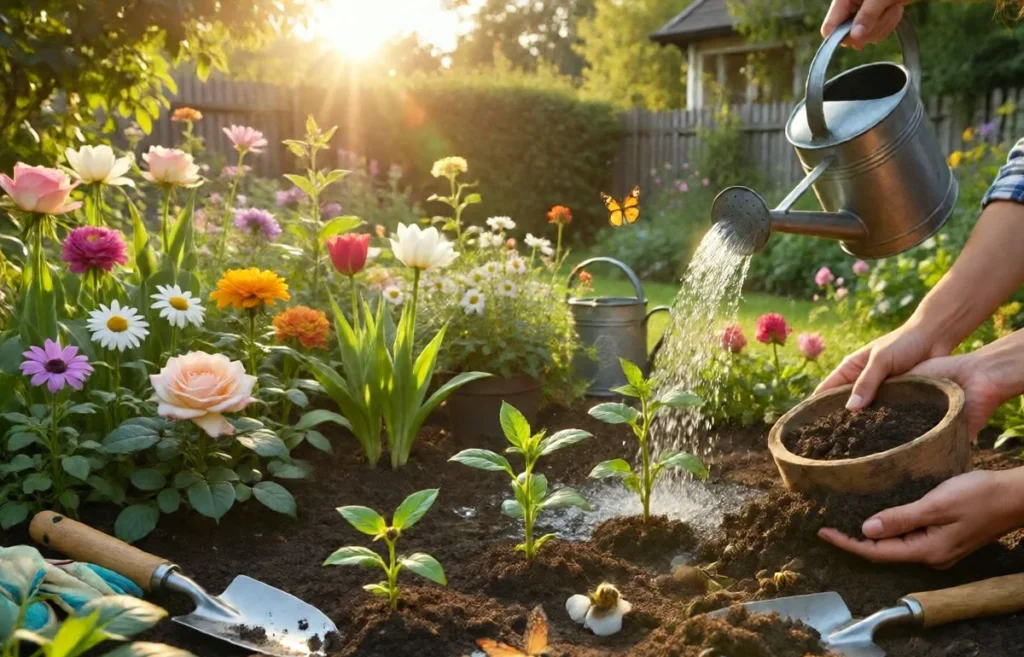
Factors Affecting Seed Germination Periods
- Temperature: Most flower seeds sprout best between 65°F and 75°F.
- Water: Seeds need moisture to start growing, but too much water can cause rot.
- Light: Some seeds require light to germinate, while others grow best in darkness.
- Soil Quality: Well-drained, fertile soil speeds up germination.
How To Speed Up Germination
- Soak seeds in water for 12-24 hours to soften the seed coat.
- Keep soil moist but not soggy.
- Maintain consistent warm temperatures.
- Use seed-starting mix for better drainage and nutrients.
Seed germination periods set the pace for the full growth cycle. Knowing these helps answer how long does a flower take to grow and what steps to take next.
Impact Of Climate On Flower Growth
Understanding how long do flowers take to grow depends a lot on the climate around them. Climate affects temperature, sunlight, and moisture — key factors in how a flower grows. Different flowers need different conditions, so what flowers need to grow changes by place. The right climate can speed up or slow down how long does a flower take to grow.
Temperature And Its Role In Flower Growth
Temperature controls many processes inside plants. Warm weather usually helps flowers grow faster. Cold weather can slow growth or stop it completely. Some flowers thrive in cool climates, while others need warmth.
- Warm-season flowers: Grow best in temperatures between 65°F and 85°F.
- Cool-season flowers: Prefer 45°F to 65°F.
- Extreme heat or frost: Can damage flowers and delay growth.
Sunlight Exposure And Flower Development
Sunlight gives energy for flowers to make food through photosynthesis. More sunlight usually means faster growth. Some flowers need full sun, while others grow well in shade.
- Full sun: At least 6 hours of direct sunlight daily.
- Partial sun/shade: 3 to 6 hours of sunlight.
- Full shade: Less than 3 hours of direct sun, suitable for shade-loving flowers.
Rainfall And Moisture Impact On Flower Growth
Water is essential for flowers to grow. Rainfall supplies natural water, but too much or too little can harm growth. Soil type also affects moisture levels.
| Moisture Level | Effect on Flower Growth |
|---|---|
| Optimal | Promotes healthy root development and fast growth. |
| Too Dry | Causes wilting, slow growth, and poor blooming. |
| Too Wet | Leads to root rot and stunted growth. |
Soil Conditions And Flower Development
Understanding how long do flowers take to grow depends greatly on soil conditions. The quality of soil affects how a flower grows from seed to bloom. Soil provides nutrients, water, and support. Knowing what flowers need to grow helps gardeners create the best environment for healthy plants. Poor soil slows growth, while rich soil speeds up flower development.
Soil Types And Their Impact On Flower Growth
Soil comes in several types. Each type affects how long does a flower take to grow. The main soil types are:
- Sandy soil: Drains quickly but holds fewer nutrients.
- Clay soil: Holds water but drains slowly, can suffocate roots.
- Loamy soil: Best for flowers, balanced drainage, and nutrients.
- Silty soil: Smooth texture, holds moisture well but can compact.
Loamy soil is ideal for most flowers. It supports faster growth and strong roots.
Soil Ph And Nutrient Levels
Soil pH affects how flowers grow. Most flowers prefer a slightly acidic to neutral pH (6.0 to 7.0). When pH is too high or low, plants cannot absorb nutrients well. Nutrients like nitrogen, phosphorus, and potassium are essential for growth.
| Nutrient | Role in Flower Growth | Signs of Deficiency |
|---|---|---|
| Nitrogen (N) | Helps leaves and stems grow | Yellowing leaves, slow growth |
| Phosphorus (P) | Supports root and flower development | Poor blooms, weak roots |
| Potassium (K) | Improves overall plant health | Weak stems, brown leaf edges |
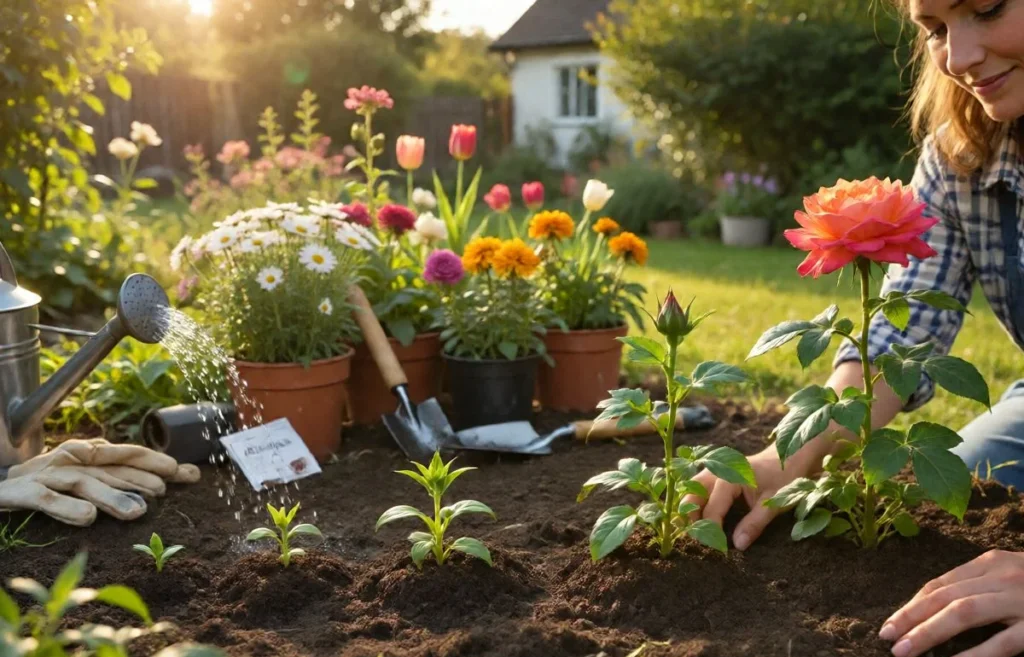
Water Retention And Drainage In Soil
Water is vital for how a flower grows. Soil must hold enough water but drain excess to avoid root rot. Good soil balances water retention and drainage.
- Sandy soil drains too fast, plants dry out quickly.
- Clay soil holds water too long, roots may drown.
- Loamy soil retains moisture and drains well.
Proper watering combined with good soil helps flowers grow faster and stronger.
Watering And Nutrient Effects
Understanding how long do flowers take to grow involves more than just counting days. Watering and nutrients play a crucial role in how a flower grows. These factors affect the speed and health of your plants. Knowing what flowers need to grow helps gardeners get better results. Proper water and nutrients can shorten the growing time and make flowers bloom beautifully.
Watering’s Impact On Flower Growth
Water is vital for flowers. It helps transport nutrients from soil to the plant cells. Too little water slows down growth, causing flowers to wilt or die. Too much water can drown roots, leading to rot.
- Consistent watering keeps flowers healthy and growing fast.
- Deep watering encourages strong roots.
- Surface watering only wets the top soil and can stress plants.
Understanding how flowers grow includes learning the right watering amount and timing. Early morning or late afternoon watering reduces evaporation. This practice saves water and helps flowers absorb more.
Effects Of Nutrients On Flower Development
Nutrients act as food for flowers. They support cell growth, color, and bloom size. The three main nutrients are nitrogen (N), phosphorus (P), and potassium (K).
| Nutrient | Role in Flower Growth | Effect of Deficiency |
|---|---|---|
| Nitrogen (N) | Supports leaf and stem growth | Yellow leaves, weak stems |
| Phosphorus (P) | Promotes root and flower development | Poor root growth, fewer blooms |
| Potassium (K) | Improves flower color and disease resistance | Weak flowers, more disease |
Balanced fertilizer helps flowers grow faster and stronger. Over-fertilizing can harm plants and slow growth. Use fertilizer according to the plant’s needs and type.
Combining Water And Nutrients For Best Growth
Water helps nutrients move into the plant. Without water, nutrients stay locked in soil. Proper watering enhances nutrient absorption.
- Water soil before applying fertilizer to avoid burning roots.
- Apply fertilizer during active growth periods for best results.
- Use slow-release fertilizers to provide steady nutrients.
- Monitor soil moisture to keep water and nutrients balanced.
Good watering and nutrient balance shorten the time it takes for flowers to bloom. This knowledge answers how long does a flower take to grow with better control.
Accelerating Flower Growth Tips
Understanding how long do flowers take to grow helps gardeners plan their planting schedules better. Knowing how flowers grow also allows people to speed up this process. Many wonder how long does a flower take to grow and what they can do to help. What flowers need to grow is simple: sunlight, water, and good soil. Using some smart tips, anyone can help their flowers bloom faster. Below are easy ways to accelerate flower growth and enjoy vibrant blooms sooner.
Provide Adequate Sunlight
Sunlight is the main energy source for plants. Most flowers need at least 6 hours of direct sunlight daily. Without enough light, growth slows down. Place pots or garden beds in sunny spots. For indoor plants, use grow lights to mimic sunlight. How a flower grows depends greatly on light quality and duration.
Use Quality Soil And Fertilizer
Healthy soil feeds flowers with essential nutrients. Use soil rich in organic matter for better growth. Fertilizers add missing nutrients like nitrogen, phosphorus, and potassium. Apply fertilizer according to the flower type and growth stage. Avoid over-fertilizing, which can harm plants. Good soil and fertilizer help answer the question how long do flowers take to grow by speeding growth.
Water Consistently And Properly
Water is vital for flower development. Keep soil moist but not soaked. Overwatering causes root rot, while underwatering slows growth. Water early in the morning or late in the afternoon. This helps reduce water loss through evaporation. Consistent watering supports how a flower grows healthily and quickly.
Control Temperature And Humidity
Flowers grow best within certain temperature ranges. Most prefer 60°F to 75°F (15°C to 24°C). Extreme cold or heat slows or stops growth. Maintaining moderate humidity helps flowers absorb water better. Use shade cloths or heaters to adjust conditions if needed. Proper temperature and humidity improve growth speed and quality.
Prune And Deadhead Regularly
Pruning removes dead or weak parts of the plant. Deadheading means cutting off spent blooms. Both practices redirect energy to new growth. This helps flowers grow faster and bloom more. Use clean tools to avoid infections. Regular pruning supports how flowers grow strong and healthy.
| Tip | Benefit | How It Helps |
|---|---|---|
| Sunlight | Energy for growth | Boosts photosynthesis, speeds flowering |
| Quality Soil & Fertilizer | Nutrition | Feeds roots, supports strong stems and blooms |
| Consistent Watering | Hydration | Prevents stress, keeps cells healthy |
| Temperature & Humidity | Optimal environment | Encourages steady growth and flowering |
| Pruning & Deadheading | Energy redirection | Promotes new growth and more blooms |
Frequently Asked Questions
How Long Does It Take For Flowers To Bloom From Seeds?
Most flowers bloom within 30 to 90 days after planting seeds. Some fast-growing flowers, like marigolds, bloom in about 45 days. Growth time depends on flower type and growing conditions.
What Affects The Growth Speed Of Flowers The Most?
Sunlight, water, and soil quality greatly affect flower growth speed. Flowers grow faster with enough light and proper watering. Poor soil or too little sunlight slows growth.
Can Flowers Grow Faster In Pots Than In Gardens?
Flowers may grow faster in pots due to controlled conditions. Pots help manage water and soil nutrients better. But some flowers prefer garden soil and space to spread.
How Does Climate Impact Flower Growth Time?
Warmer climates usually help flowers grow and bloom faster. Cold or very hot weather can slow down flower growth. Each flower type has its ideal climate for best growth.
Do Flowering Plants Grow Faster With Fertilizer?
Yes, fertilizer provides nutrients that help flowers grow faster. Use balanced fertilizer to avoid damaging plants. Over-fertilizing can harm flowers and slow growth.
How Long Until Perennial Flowers Bloom After Planting?
Perennial flowers may take one or two seasons to bloom. Some bloom the first year, but many need time to establish roots. Patience is key for perennial flower growth.
What Is The Fastest Flower To Grow And Bloom?
Marigolds and zinnias are among the fastest flowers to bloom. They can start flowering within 45 to 60 days. Great choices for quick, colorful garden blooms.
Conclusion
Growing flowers takes time and care. Each type has its own growing speed. Some bloom in weeks, others need months. Good soil, water, and sunlight help plants grow strong. Watch your flowers daily to see their progress. Patience brings the best results in gardening.
Enjoy the beauty as your flowers slowly open. Growing flowers teaches patience and joy in small things. Keep caring, and your garden will flourish beautifully.