
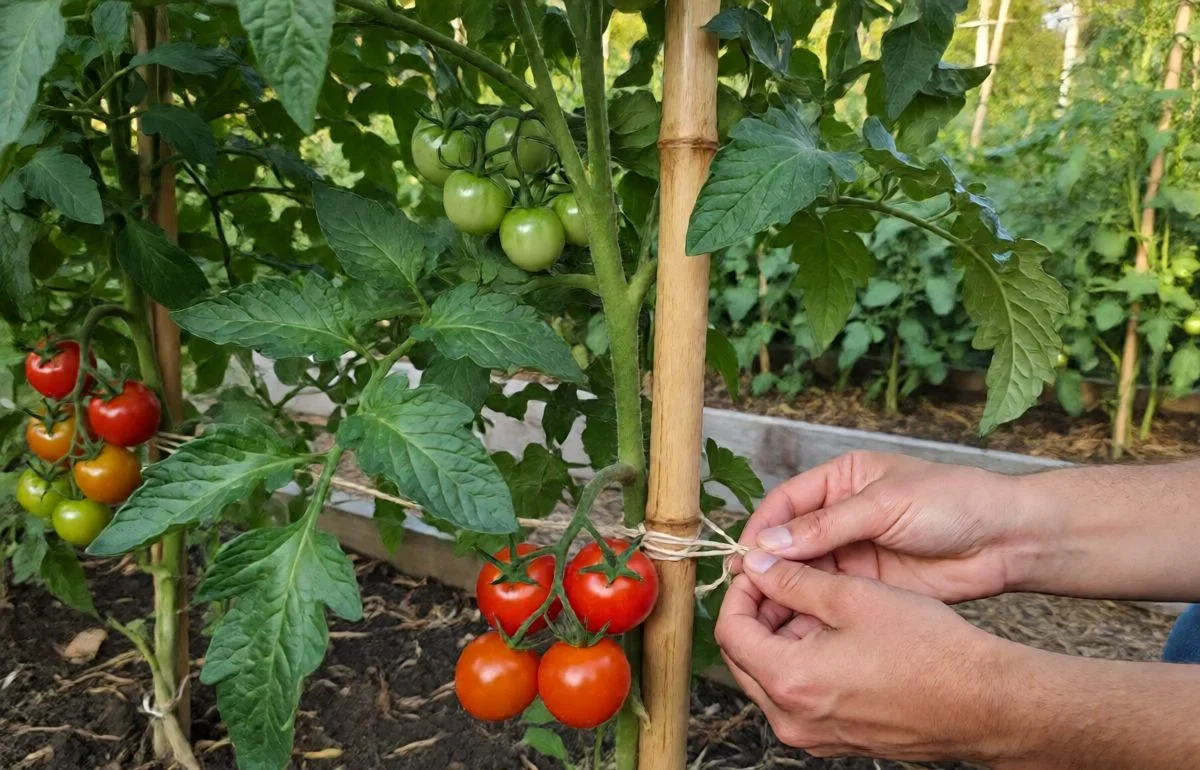

If you want bigger, healthier tomatoes, learning how to prune tomatoes is a game-changer. Pruning might sound like extra work, but it helps your plants grow stronger and produce more fruit.
When you know the right way to prune, you’ll see your tomato plants thrive like never before. Keep reading, and you’ll discover simple steps that make a big difference in your garden this season.
Benefits Of Pruning Tomatoes
Pruning tomato plants helps improve their health and boosts fruit production. Knowing how to prune tomatoes correctly makes a big difference in your garden. Removing extra branches lets the plant focus energy on growing strong and producing tasty tomatoes. This process also helps manage space, especially when using tomato stakes. Pruning is a useful skill, just like growing green pepper plants or learning how to grow ginger. Understanding how to prune tomato plants can lead to a better harvest and a healthier garden.
Improved Air Circulation And Sunlight
Pruning opens up the tomato plant, allowing more air to flow through the leaves. This reduces the chance of mold and diseases. Sunlight reaches more parts of the plant, helping all branches grow stronger. Good air and light improve the plant’s overall health.
Better Fruit Quality And Size
Cutting away extra stems helps the plant put more energy into fewer tomatoes. This leads to larger, juicier fruits. Pruned plants often produce better-tasting tomatoes with thicker skin and fewer cracks.
Stronger Plant Structure
Removing weak or crowded branches lets the main stems grow thicker and stronger. This makes the plant less likely to break or fall over. Using tomato stakes is easier when the plant has a clear, strong shape.
Reduced Risk Of Pests And Diseases
Pruning helps remove dead or damaged leaves where pests like to hide. It also stops diseases from spreading by keeping plants less crowded. This keeps your tomato plants healthier and reduces the need for chemicals.
More Efficient Use Of Space
Proper pruning controls the size of the tomato plant. This is great for small gardens or pots. Pruned plants fit better in limited spaces, giving each plant enough room to grow.
Table of Contents
Tools Needed For Pruning
Pruning tomato plants is an important step in growing healthy tomatoes. Knowing how to prune tomatoes helps improve air flow and fruit production. Using the right tools makes pruning easier and safer. Tools for pruning tomato plants are simple but must be sharp and clean. This guide covers the basic tools needed for pruning and how they help your garden. Whether you also grow green pepper plants or want to learn how to grow ginger, these tools will come in handy.
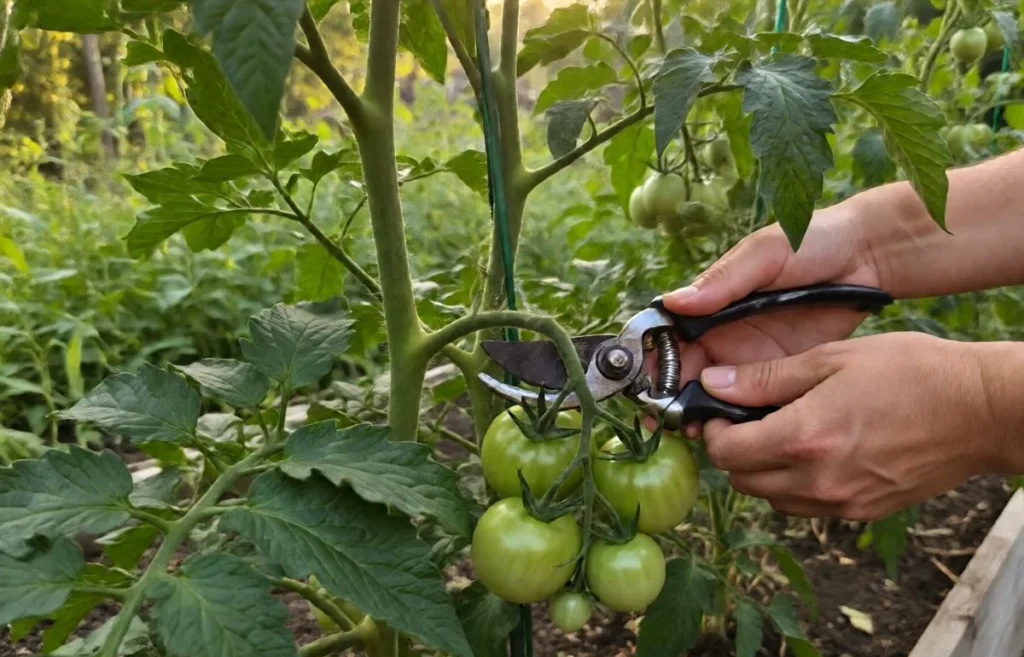
Pruning Shears Or Garden Scissors
Sharp pruning shears or garden scissors are the best tools for pruning tomato plants. They make clean cuts that help the plant heal faster. Dull tools can damage the plant and cause disease. Choose shears that fit comfortably in your hand. Always clean them before and after use to stop germs spreading.
Gloves For Hand Protection
Wearing gloves protects your hands from dirt, scratches, and sticky tomato sap. Gloves also stop small cuts or blisters from pruning tomato plants. Look for gloves that are breathable and flexible. This allows better grip on tomato stakes and pruning tools.
Tomato Stakes And Ties
Tomato stakes keep plants upright after pruning. They also help air circulate around the plant. Use soft ties to attach the tomato stems to stakes without damaging them. Stakes support growing green pepper plants too. Make sure stakes are strong enough for the plant size.
Disinfectant For Tools
Disinfecting pruning tools prevents spreading disease between plants. Use rubbing alcohol or a mix of water and bleach to clean blades. Wipe tools before moving to another plant. This step is important for healthy tomato plants and other crops like ginger.
| Tool | Purpose | Tips |
|---|---|---|
| Pruning Shears | Make clean cuts on tomato plants | Keep blades sharp and clean |
| Gloves | Protect hands from sap and scratches | Choose breathable and flexible gloves |
| Tomato Stakes & Ties | Support plants after pruning | Use soft ties to avoid stem damage |
| Disinfectant | Prevent disease spread between plants | Clean tools regularly with alcohol or bleach |
When To Start Pruning
Knowing when to start pruning is key to growing healthy tomato plants. Pruning helps tomatoes grow better and produce more fruit. It also keeps the plant strong and stops disease. Learning how to prune tomatoes at the right time makes a big difference in your garden.
Signs It’s Time To Start Pruning
Start pruning tomato plants once they have grown several sets of leaves. Look for:
- Strong stems that stand on their own
- At least 6–8 inches tall
- Visible small side shoots or suckers
These signs show the plant is ready for shaping and support with tomato stakes.
Best Stage For Pruning Tomato Plants
Tomato plants usually need pruning after they start flowering. At this stage, removing small side shoots helps the plant focus on fruit growth. Prune carefully to avoid stress. This stage is the perfect time to learn how to prune tomato plants well.
Timing Tips For Different Tomato Types
| Tomato Type | When to Start Pruning |
|---|---|
| Indeterminate | After 6–8 inches tall, before flowering |
| Determinate | Minimal pruning, mainly remove dead leaves |
Early Care: Preparing For Pruning
Before pruning, support plants with tomato stakes. This helps keep stems upright and easier to prune. Also, keep an eye on other plants like growing green pepper plants nearby. They need space and care too.
Why Timing Matters In Pruning
Pruning too early can slow growth. Pruning too late can reduce fruit yield. Knowing when to prune keeps your tomato plants healthy. It also improves airflow and sunlight exposure.
Related Tips For Gardeners
- Check soil moisture before pruning
- Use clean, sharp tools
- Prune on dry days to avoid infection
- Observe plants daily for new growth
Understanding when to start pruning helps your tomato plants thrive. This knowledge also supports other plants, like how to grow ginger, by keeping your garden balanced and healthy.
Identifying Suckers And Leaves To Remove
Pruning tomato plants helps them grow strong and produce better fruit. Knowing how to prune tomatoes means learning to spot which parts to cut. Identifying suckers and leaves to remove is key for healthy plants. Removing extra growth lets the plant focus on making ripe tomatoes. It also improves air flow and light inside the plant. This guide shows how to find and remove suckers and leaves. It works well with tomato stakes or other supports. The same ideas apply when growing green pepper plants or learning how to grow ginger.
What Are Tomato Suckers?
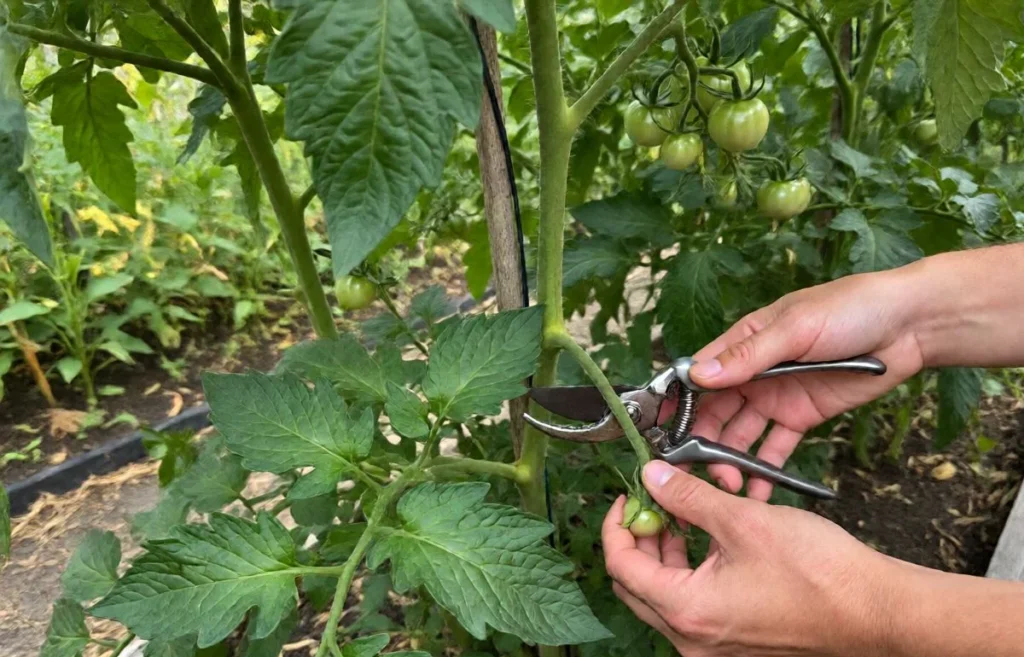
Tomato suckers are small shoots that grow in the joint between a branch and the main stem. They look like tiny new stems. Suckers take energy from the plant and slow fruit growth. Removing them helps the plant focus on the main stems and fruit.
- Suckers grow in the “V” shape between stem and branch
- They start small but grow fast
- Best to remove them early
How To Spot Leaves To Remove
Leaves near the bottom of the plant or those that are yellow and dead should be removed. These leaves use energy but do not help the plant much. Removing them reduces disease risk and lets sunlight reach the fruit.
| Leaf Type | Reason to Remove |
|---|---|
| Yellowing leaves | They indicate disease or nutrient problems |
| Leaves touching soil | Can carry soil diseases to plant |
| Overcrowded leaves | Block sunlight and reduce air flow |
Use clean, sharp scissors or pruning shears. This helps make smooth cuts and stops plant damage. Wash tools before and after pruning to avoid spreading diseases.
- Gather pruning shears or sharp scissors
- Clean them with rubbing alcohol
- Cut suckers and unwanted leaves carefully
Tips For Removing Suckers And Leaves
- Pinch suckers off with your fingers when small
- Cut larger suckers with tools to avoid damage
- Remove only a few leaves at a time to avoid stress
- Check plants every week while growing
- Use tomato stakes to support the plant after pruning
Pruning Techniques For Different Tomato Types
Pruning tomato plants helps them grow stronger and produce more fruit. Different tomato types need different pruning methods. Knowing how to prune tomatoes correctly improves airflow and sunlight exposure. This reduces disease and boosts fruit size. Two main tomato types are indeterminate and determinate. Each needs specific care for best results. Below are key pruning techniques for both types.
Indeterminate Varieties
Indeterminate tomatoes grow tall and keep producing fruit all season. They need regular pruning to control their size and focus energy on fruit. Here’s how to prune tomato plants of this type:
- Remove suckers: These are small shoots between the main stem and branches. Cut them off to stop the plant from becoming too bushy.
- Trim lower leaves: Cut leaves near the ground to prevent soil diseases from splashing onto the plant.
- Use tomato stakes: Support the tall vines with stakes or cages. This keeps plants upright and healthy.
Pruning indeterminate tomatoes encourages bigger fruits and better airflow. It also helps in managing the plant’s height. Here is a simple table summarizing pruning tips:
| Step | Action | Benefit |
|---|---|---|
| 1 | Remove suckers | Focuses energy on fruit growth |
| 2 | Trim lower leaves | Reduces disease risk |
| 3 | Use tomato stakes | Supports plant and improves air flow |
Regular pruning keeps indeterminate tomato plants healthy. It also makes harvesting easier. These tips work well alongside other garden tasks, like growing green pepper plants or learning how to grow ginger.
Determinate Varieties
Determinate tomatoes grow to a set size and produce fruit all at once. Their pruning needs differ from indeterminate types. Pruning determinate tomatoes too much can reduce yield. Follow these guidelines:
- Prune only damaged leaves: Remove dead or yellow leaves to keep the plant healthy.
- Avoid cutting suckers: These help produce more fruit quickly.
- Use short tomato stakes: Support plants but allow natural shape to grow.
Pruning determinate tomatoes mainly means light trimming. This helps the plant put energy into fruit ripening. Here is a quick comparison table of pruning techniques:
| Tomato Type | Pruning Focus | Common Mistake |
|---|---|---|
| Indeterminate | Remove suckers and lower leaves | Not pruning enough, causing overgrowth |
| Determinate | Trim damaged leaves only | Over-pruning, reducing fruit yield |
Light pruning on determinate tomatoes helps improve fruit size and quality. This method works well with other garden activities like growing green pepper plants or learning how to grow ginger. Proper pruning keeps your tomato plants productive and healthy.
Common Mistakes To Avoid
Pruning tomato plants is a vital step for a healthy garden. Many gardeners wonder how to prune tomatoes correctly to boost their yield. Avoiding common mistakes helps plants thrive and prevents damage. Mistakes often happen with tomato stakes or when pruning at the wrong time. This section highlights errors to avoid for better growth. Whether you focus on how to prune tomato plants or care for other crops like growing green pepper plants or how to grow ginger, careful pruning is key.
Incorrect Timing For Pruning
Pruning too early or too late harms tomato plants. Trim when the plant has several sets of leaves. Avoid pruning after fruit appears; this can reduce harvest size. Pruning at the wrong time stresses plants and slows growth.
Removing Too Many Leaves
Leaves help tomatoes make food through photosynthesis. Cutting too many leaves weakens the plant. Leave enough leaves to keep the plant healthy and strong. Focus on removing only small suckers and dead leaves.
Ignoring Tomato Stakes Support
Tomato stakes support plant growth and prevent damage. Prune without securing plants to stakes and branches may break. Tie plants gently to stakes before pruning. This keeps plants upright and healthy.
Using Dirty Or Dull Tools
Pruning tools must be clean and sharp. Dirty or dull tools cause damage and spread disease. Clean tools with rubbing alcohol before use. Sharp tools make clean cuts, which heal faster.
Failing To Remove Suckers
Suckers are small shoots growing between the stem and branches. These take energy from fruit production. Removing suckers focuses the plant’s energy on growing tomatoes. Leave only a few suckers if you want bushier plants.
| Mistake | Effect on Tomato Plant | Tip to Avoid |
|---|---|---|
| Pruning at wrong time | Stresses plant, less fruit | Prune after several leaf sets, before fruit |
| Removing too many leaves | Weakens plant, less food | Leave healthy leaves, remove only suckers |
| No support from stakes | Branches break easily | Use tomato stakes and tie plants |
| Dirty or dull tools | Spreads disease, damages plant | Clean and sharpen tools before pruning |
| Not removing suckers | Wastes energy, fewer fruits | Remove suckers to focus growth |
Aftercare For Pruned Tomato Plants
Pruning tomato plants is a key step in growing healthy, productive tomatoes. Knowing how to prune tomatoes helps you remove unnecessary branches and focus the plant’s energy on fruit production. After pruning, proper care is crucial to keep your plants strong and thriving. This section covers the essential steps for aftercare for pruned tomato plants. Whether you use tomato stakes or other supports, these tips will help your plants recover quickly and produce more fruit. The same care principles often apply to growing green pepper plants and even how to grow ginger successfully in your garden.
Watering And Soil Care
After pruning, tomato plants need steady moisture to heal and grow new shoots. Keep the soil evenly moist but not soaked. Too much water can cause root problems.
- Water deeply at the base, avoiding wetting the leaves.
- Check soil moisture regularly, especially during hot days.
- Add mulch around the plant to keep soil moist and cool.
Supporting Pruned Plants With Tomato Stakes
Pruned tomato plants often need extra support. Tomato stakes help keep stems upright and prevent damage from wind or heavy fruit.
- Place stakes near the plant without disturbing roots.
- Tie stems gently with soft garden ties or strips of cloth.
- Adjust ties as the plant grows to avoid cutting into stems.
Feeding And Fertilizing After Pruning
Pruning removes growth, so plants need nutrients to bounce back. Use a balanced fertilizer to encourage healthy leaves and fruit.
| Type of Fertilizer | Recommended Use | Frequency |
|---|---|---|
| Balanced NPK (10-10-10) | Supports overall plant growth | Every 3-4 weeks |
| Compost or Organic Matter | Improves soil health and moisture | Once at planting, then monthly |
| Calcium Supplement | Prevents blossom end rot | As needed |
Monitoring For Pests And Diseases
Pruned plants can be more open to pests and diseases. Check plants daily for signs of problems.
- Look for spots, holes, or discoloration on leaves.
- Remove any damaged or infected parts immediately.
- Use natural pest control methods where possible.
Frequently Asked Questions
What Is The Best Time To Prune Tomato Plants?
Prune tomato plants early in the growing season. This helps shape the plant and boosts fruit growth. Avoid pruning during wet or cold weather.
How Often Should I Prune Tomato Plants?
Prune tomato plants every one to two weeks. Regular pruning keeps the plant healthy and controls growth. Check for new suckers or dead leaves each time.
Why Should I Remove Suckers From Tomato Plants?
Suckers take energy away from fruit production. Removing them helps the plant focus on growing bigger tomatoes. It also improves air flow around the plant.
Can Pruning Improve Tomato Fruit Size And Quality?
Yes, pruning directs nutrients to fewer fruits. This results in larger and better-quality tomatoes. It also reduces disease risks by improving air circulation.
Should I Prune All Types Of Tomato Plants?
Indeterminate tomato plants benefit most from pruning. Determinate types need little or no pruning. Knowing your tomato variety helps decide the right pruning method.
What Tools Do I Need To Prune Tomatoes Safely?
Use clean, sharp pruning shears or scissors. This prevents damage and stops disease spread. Clean tools before and after pruning for best results.
How Do I Prune Tomato Plants Without Harming Them?
Cut suckers and dead leaves gently. Avoid cutting too close to the main stem. Take your time and remove small parts to keep the plant healthy.
Conclusion
Pruning tomatoes helps plants grow stronger and produce more fruit. Cut off small side shoots to focus energy on main stems. Remove dead or yellow leaves to keep plants healthy. Prune carefully and often for best results. Watch your plants daily to spot new growth.
With simple steps, your tomato garden will thrive. Enjoy fresh, tasty tomatoes all season long. Easy to do, pruning makes a big difference. Try it and see your tomato plants flourish!