
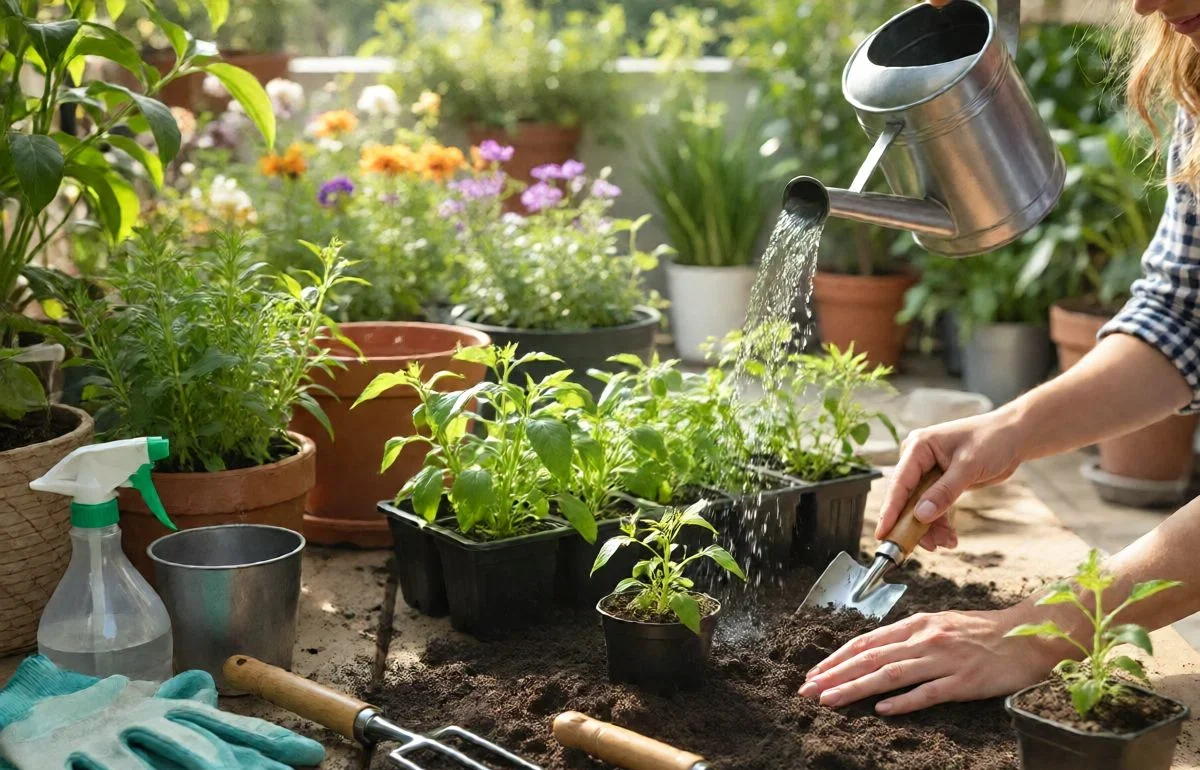

Have you ever wanted to grow your own fresh vegetables, herbs, or beautiful flowers but didn’t know where to begin? Starting a garden might seem overwhelming at first, but it’s easier than you think.
With just a little guidance, you can create a green space that brings you joy, fresh air, and even tasty homegrown food. This guide will walk you through simple steps to get your garden up and running quickly. By the end, you’ll feel confident and excited to dig in and watch your plants thrive.
Ready to turn your outdoor space into a garden paradise? Let’s get started!
Choosing The Right Space
Choosing the right space is one of the first steps in how to start gardening for beginners. The space you select affects how well your plants grow and how much effort you need to put in. Picking a spot with enough light, good soil, and easy access makes gardening more enjoyable and successful. This section helps you decide between indoor and outdoor options and shows you how to check sunlight and soil quality. Following these gardening tips for beginners will make your start smooth and rewarding.
Indoor Vs Outdoor Gardening
Deciding between indoor and outdoor gardening depends on your space, climate, and the plants you want to grow. Both have advantages and challenges. Understanding these can help you choose the best place for your garden.
- Indoor Gardening
- Works well in small spaces like apartments or homes without yards.
- Allows control over temperature and pests.
- Needs good natural light or grow lights.
- Perfect for herbs, small flowers, and some vegetables.
- Outdoor Gardening
- Offers more space for a variety of plants.
- Plants get natural sunlight and rain.
- Requires soil preparation and pest management.
- Great for growing veg for beginners like tomatoes, lettuce, and carrots.
| Feature | Indoor Gardening | Outdoor Gardening |
|---|---|---|
| Space Needed | Small to medium | Medium to large |
| Light Source | Natural or artificial | Natural sunlight |
| Plant Variety | Limited to small plants | Wide variety possible |
| Maintenance | Frequent watering, light control | Soil care, pest control |
Choose indoor gardening for easy control and small spaces. Pick outdoor gardening for larger projects and natural conditions. Both methods offer easy gardening for beginners with the right care and planning.
Assessing Sunlight And Soil
Sunlight and soil are key factors for successful gardening. Plants need sunlight to grow and soil to provide nutrients. Checking these before planting saves time and effort.
Here are simple steps for beginner gardening tips to assess your space:
- Check Sunlight: Observe your chosen spot for 4-6 hours daily. Most vegetables need at least 6 hours of sunlight.
- Note Sun Patterns: Morning sun is gentle, while afternoon sun is stronger. Choose plants based on their sunlight needs.
- Test Soil Quality: Take a small soil sample from your outdoor spot. Check texture, color, and smell.
Use this simple table to understand soil types:
| Soil Type | Characteristics | Best For |
|---|---|---|
| Sandy | Drains quickly, low nutrients | Root vegetables, herbs |
| Clay | Holds water, heavy texture | Leafy greens, beans |
| Loamy | Balanced texture and nutrients | Most plants, ideal choice |
Improve poor soil by adding compost or organic matter. This helps plants grow stronger and healthier.
These gardening tips for beginners make your garden space ready for planting and growing veg for beginners easier to manage.
Table of Contents
Selecting Easy Plants
Starting a garden can feel overwhelming for a beginner. Choosing the right plants is key to success. Selecting easy plants makes gardening enjoyable and less stressful. Plants that grow well with little care build confidence for new gardeners. This guide shares simple choices for your first garden.
Best Vegetables For Beginners
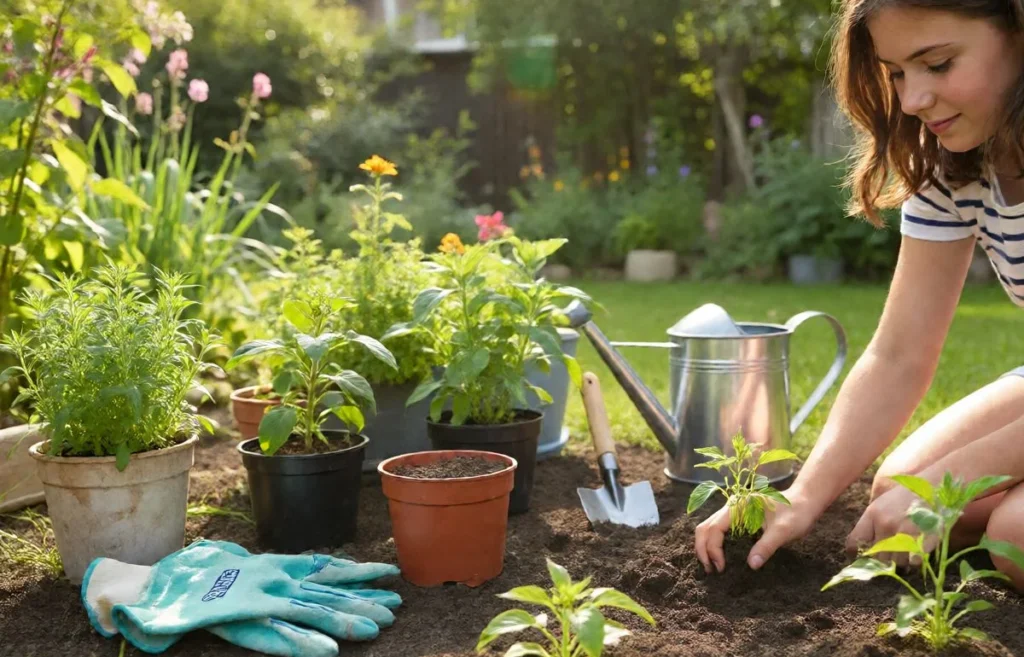
Growing veg for beginners means picking plants that need less attention and grow quickly. Easy vegetables help you learn basic gardening skills. They also provide fresh produce without much effort.
- Radishes: Fast-growing and ready to harvest in about 30 days.
- Lettuce: Requires little space and can grow in cooler weather.
- Green Beans: Produce plenty with simple care and support.
- Carrots: Grow well in loose soil and need minimal watering.
- Spinach: Thrives in partial shade and grows quickly.
These vegetables are forgiving and adapt well to different garden conditions.
| Vegetable | Growing Time | Care Level | Ideal Conditions |
|---|---|---|---|
| Radishes | 30 days | Low | Full sun, well-drained soil |
| Lettuce | 45 days | Low | Partial shade, moist soil |
| Green Beans | 50-60 days | Low | Full sun, support for climbing |
| Carrots | 70 days | Low | Loose soil, full sun |
| Spinach | 40-50 days | Low | Partial shade, moist soil |
Follow these beginner gardening tips to set your plants up for success. Water regularly and check soil health. These easy veggies make how to start gardening for beginners simple and rewarding.
Low-maintenance Flowers
Flowers add color and joy to any garden. Choosing low-maintenance flowers makes gardening stress-free for beginners. These plants need little watering, pruning, or special care.
Here are some top choices:
- Marigolds: Bright, pest-resistant, and bloom all summer.
- Sunflowers: Tall, cheerful, and easy to grow from seeds.
- Zinnias: Thrive in sun, bloom in many colors, and attract butterflies.
- Daylilies: Hardy perennials that bloom each year with little effort.
- Lavender: Fragrant, drought-tolerant, and good for small spaces.
These flowers suit different garden sizes and climates. They tolerate common beginner mistakes like irregular watering.
| Flower | Sunlight | Water Needs | Bloom Time |
|---|---|---|---|
| Marigolds | Full sun | Low to medium | Summer to fall |
| Sunflowers | Full sun | Low | Summer |
| Zinnias | Full sun | Medium | Summer to fall |
| Daylilies | Full sun to partial shade | Low | Spring to summer |
| Lavender | Full sun | Low | Summer |
These easy gardening for beginners options help you build gardening skills. Enjoy watching your garden bloom with little fuss. Keep watering and give your flowers some sunshine.
Gathering Essential Tools
Starting a garden is exciting, but gathering the right tools is important. Good tools make gardening easier and more fun. For those learning how to start gardening for beginners, having basic tools saves time and effort. These tools help you plant, water, and care for your garden effectively. Also, knowing which accessories to add later can improve your gardening experience.
Basic Gardening Tools
Every beginner needs a set of basic gardening tools to start well. These tools are simple but useful for most gardening tasks. They help with digging, planting, watering, and trimming. Here are some essentials to keep handy:
- Hand Trowel: Small shovel for digging and planting seeds.
- Pruning Shears: Used for cutting small branches and dead leaves.
- Garden Fork: Helps loosen soil and remove weeds.
- Watering Can: Ideal for watering plants gently.
- Gloves: Protect hands from dirt and sharp objects.
These tools cover most beginner gardening needs. You can start planting flowers, herbs, or even try growing veg for beginners. Using the right tools improves your success and keeps plants healthy.
| Tool | Purpose | Tip |
|---|---|---|
| Hand Trowel | Digging and planting | Choose one with a comfortable grip |
| Pruning Shears | Cutting stems and branches | Keep blades sharp for clean cuts |
| Garden Fork | Loosening soil and weeding | Use it to aerate soil before planting |
| Watering Can | Watering plants | Pick a can with a detachable spout |
| Gloves | Hand protection | Choose gloves that fit well and are durable |
Optional Accessories
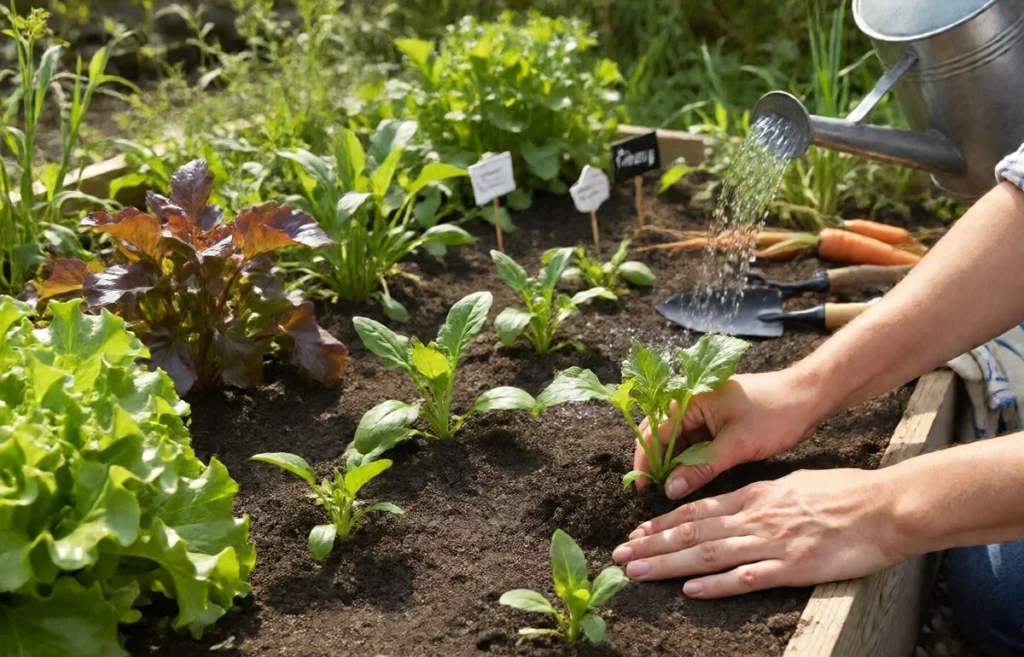
After mastering basic tools, some accessories can improve your gardening. These are not required but help with comfort and plant care. They support beginners by making tasks easier and more efficient. Here are some useful additions:
- Kneeling Pad: Protects knees during long planting sessions.
- Garden Hoe: Useful for breaking up soil and removing weeds.
- Plant Labels: Help track different plants and their needs.
- Soil Tester: Measures soil pH and nutrients for better growth.
- Wheelbarrow: Moves soil, plants, and tools easily around the garden.
These accessories support many gardening tips for beginners. Using a kneeling pad reduces discomfort. Plant labels avoid confusion when planting many seeds. A soil tester guides you to improve soil quality. These small tools make gardening more enjoyable and less tiring.
| Accessory | Benefit | Recommended For |
|---|---|---|
| Kneeling Pad | Knee protection and comfort | Gardeners working on soil for long periods |
| Garden Hoe | Weed removal and soil breaking | Those growing veg or large flower beds |
| Plant Labels | Organizing and identifying plants | Helpful for beginners planting many seeds |
| Soil Tester | Checks soil health and pH | For gardeners wanting better plant growth |
| Wheelbarrow | Easy transport of garden materials | Great for bigger gardens or heavy loads |
Preparing The Soil
Preparing the soil is a key step in how to start gardening for beginners. Healthy soil helps plants grow strong and stay healthy. Before planting, take time to get the soil ready. Good soil holds water, has enough nutrients, and drains well. With proper soil preparation, even new gardeners can enjoy a thriving garden. Follow these beginner gardening tips to prepare your soil the right way for growing veg for beginners or flowers.
Soil Testing
Soil testing shows what your soil needs. It tells you about the soil’s pH level and nutrient content. Testing helps avoid problems like poor growth or yellow leaves. You can buy a simple soil test kit from garden stores or send a soil sample to a lab for detailed results.
How to test your soil:
- Take samples from different spots in your garden. Dig 4-6 inches deep.
- Mix the samples in a clean bucket.
- Dry the soil and remove any stones or roots.
- Use a test kit or send the sample to a lab.
The test results usually include:
| Test Result | What It Means | Action to Take |
|---|---|---|
| pH Level | Acidic or alkaline soil | Adjust with lime (raise pH) or sulfur (lower pH) |
| Nitrogen (N) | Important for leaf growth | Add compost or nitrogen fertilizer |
| Phosphorus (P) | Helps roots and flowers | Use bone meal or rock phosphate |
| Potassium (K) | Supports overall plant health | Add potash or wood ash |
Testing soil saves time and money by giving clear guidance. This is one of the best gardening tips for beginners to start healthy plants.
Improving Soil Quality
Good soil holds water, drains well, and has nutrients. Improving soil quality makes plants grow better. Start by removing weeds and old roots. Break up hard soil with a garden fork or tiller. This helps air and water reach roots.
Use these easy gardening for beginners methods to improve soil:
- Add organic matter. Compost, aged manure, or leaf mold improves soil texture and nutrients.
- Use mulch. Mulch keeps soil moist, controls weeds, and adds nutrients as it breaks down.
- Balance soil pH. Most plants prefer pH between 6 and 7. Adjust with lime or sulfur based on soil test.
- Rotate crops. Change plant locations yearly to avoid pests and nutrient depletion.
Here is a simple guide for adding amendments:
| Soil Problem | Amendment | Benefit |
|---|---|---|
| Heavy clay | Sand and compost | Improves drainage and texture |
| Sandy soil | Organic matter | Increases water retention |
| Low nutrients | Compost or balanced fertilizer | Provides essential nutrients |
Improving soil quality is a core step in growing veg for beginners. It makes planting easier and helps plants grow strong. Follow these beginner gardening tips for healthy soil and a successful garden.
Planting Techniques
Planting techniques form the backbone of any garden. They ensure seeds and plants grow strong and healthy. For those learning how to start gardening for beginners, understanding these techniques is vital. Good planting habits lead to better growth, fewer problems, and more joy in gardening. This section covers essential methods like seed starting and transplanting seedlings, which are key steps in growing a thriving garden. Follow these gardening tips for beginners to get the best results in your first garden.
Seed Starting Tips
Starting seeds indoors or in a controlled environment gives young plants a strong start. It is a smart way of growing veg for beginners and other plants. Here are some simple easy gardening for beginners tips to help your seeds sprout well:
- Use clean containers like seed trays or small pots to prevent disease.
- Choose quality seed-starting mix instead of garden soil. It holds moisture and drains well.
- Plant seeds at the right depth. Usually, this is 2-3 times the seed’s size.
- Keep the soil moist but not soaked. Use a spray bottle to mist the surface.
- Provide warmth. Most seeds sprout best at temperatures between 65-75°F (18-24°C).
- Give plenty of light. Use a sunny window or grow lights for 12-16 hours daily.
- Label your seeds to avoid confusion later.
Here is a quick table showing common seed planting depths and sprouting times:
| Seed Type | Planting Depth | Sprouting Time |
|---|---|---|
| Tomato | 1/4 inch | 5-10 days |
| Lettuce | 1/8 inch | 7-14 days |
| Carrot | 1/4 inch | 10-21 days |
| Peppers | 1/4 inch | 7-14 days |
Patience is key. Keep checking moisture and light. With these beginner gardening tips, seed starting becomes easier and more fun.
Transplanting Seedlings
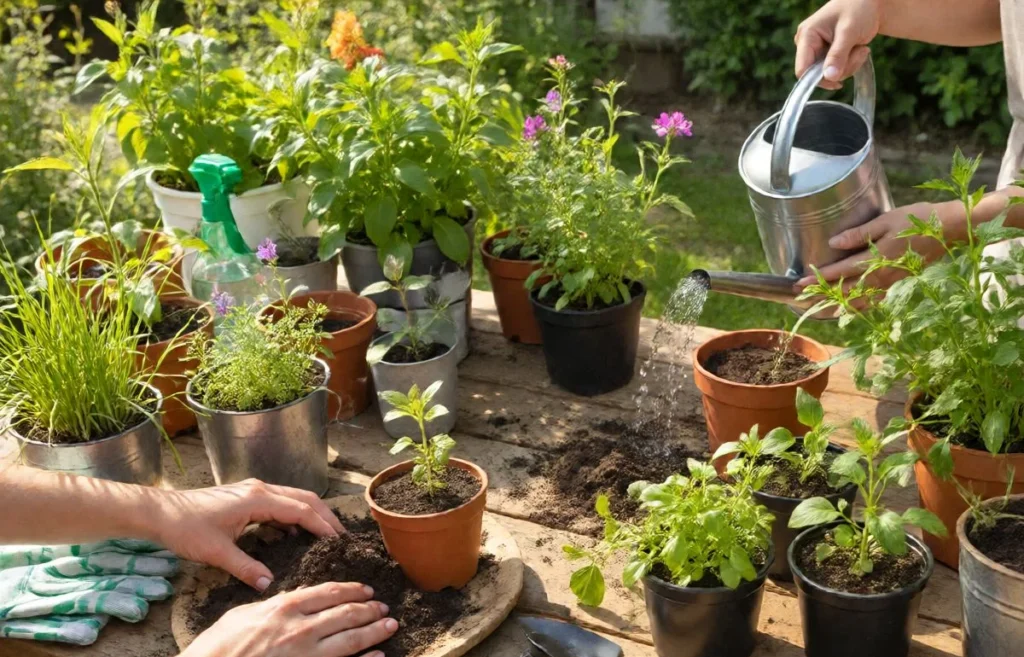
Moving seedlings from small pots to the garden or larger containers is an important step. It helps plants grow bigger and produce more vegetables. Here are clear steps for how to start gardening for beginners with transplanting:
- Wait for the right time: Seedlings should have 2-3 sets of true leaves and look strong.
- Harden off seedlings: Gradually expose them to outdoor conditions for 5-7 days. Start with a few hours in shade, then increase sun and time.
- Prepare the planting site: Loosen soil and add compost or fertilizer. This gives nutrients and good drainage.
- Water seedlings well before transplanting to reduce shock.
- Dig holes slightly bigger than the root ball of each seedling.
- Carefully remove seedlings from containers. Hold by leaves, not stems.
- Plant seedlings at the same soil depth they grew in pots.
- Water seedlings immediately after planting to settle soil.
- Mulch around plants to keep moisture and stop weeds.
Here is a simple checklist for transplanting seedlings:
- Seedlings have true leaves
- Harden off seedlings outdoors
- Prepare soil with compost
- Water seedlings before moving
- Plant at correct depth
- Water after planting
- Mulch area
Following these gardening tips for beginners reduces plant stress. It helps seedlings grow strong roots and leaves. Transplanting is a key skill in easy gardening for beginners. Practice it carefully to enjoy a healthy and productive garden.
Watering And Maintenance
Watering and maintenance are key parts of successful gardening for beginners. Proper care keeps plants healthy and helps your garden grow strong. Learning how to water plants correctly and maintain the soil makes gardening easier and more rewarding. These simple steps can save time and prevent common problems. Follow these beginner gardening tips to enjoy your garden all season.
Proper Watering Methods
Watering plants is more than just pouring water on soil. Proper watering keeps roots healthy and prevents diseases. Here are important points on how to water your garden well:
- Water deeply but less often: This encourages roots to grow deep into the soil.
- Water early in the morning: It reduces evaporation and allows leaves to dry, preventing fungus.
- Avoid watering leaves: Water the base of plants to keep leaves dry and healthy.
- Check soil moisture: Stick your finger 1-2 inches into soil. If dry, it’s time to water.
- Use mulch: Mulch helps keep soil moist for longer periods.
Here is a simple table on watering frequency for common garden plants:
| Plant Type | Watering Frequency | Best Time to Water |
|---|---|---|
| Vegetables | 2-3 times per week | Early morning |
| Herbs | 1-2 times per week | Early morning |
| Flowers | 2 times per week | Early morning |
| Newly Planted Seeds | Daily, light watering | Morning or evening |
Remember, overwatering can cause root rot. Underwatering makes plants wilt. Watch your plants and adjust watering. These beginner gardening tips will help your garden thrive.
Weeding And Mulching
Weeding and mulching are important for easy gardening for beginners. Weeds take nutrients and water from your plants. Mulch keeps weeds down and helps soil stay moist. Here’s how to manage them:
- Remove weeds regularly: Pull weeds by hand or use a hoe. Do this before they flower.
- Mulch your garden beds: Use straw, wood chips, or grass clippings as mulch.
- Apply mulch 2-3 inches thick: This blocks sunlight and stops weeds from growing.
- Keep mulch away from plant stems: This prevents rot and pests.
- Water after mulching: It helps mulch settle and works better.
Use this simple checklist for weeding and mulching tasks:
- Inspect garden weekly for new weeds.
- Pull or hoe weeds early.
- Apply mulch in spring and replenish as needed.
- Water thoroughly after applying mulch.
- Monitor soil moisture under mulch.
Good maintenance protects your plants and soil. These beginner gardening tips will help you grow veg for beginners and keep your garden neat and healthy. Consistent weeding and mulching reduce work later and improve plant growth.
Dealing With Pests And Problems
Starting a garden is exciting, but pests and plant problems can make it tough. Learning how to start gardening for beginners means understanding how to protect your plants. Pests can damage leaves, stems, and roots. If problems are not controlled early, plants may stop growing or die. Knowing common garden pests and how to control them helps keep your garden healthy. This section shares simple ways to identify pests and use natural methods to manage them. These beginner gardening tips are easy to follow and help with growing veg for beginners and other plants.
Common Garden Pests
Many pests can harm your garden. Some are easy to spot, while others hide under leaves or in soil. Knowing which pests are common helps you watch for damage early. Here are some pests to check for:
- Aphids: Tiny green or black bugs that suck plant sap.
- Slugs and Snails: Leave holes in leaves and slimy trails.
- Spider Mites: Very small, cause yellow spots and webbing.
- Caterpillars: Eat leaves and can strip plants.
- Whiteflies: Small white flies that fly up when plants are disturbed.
Signs of pest problems include:
- Wilting or yellowing leaves
- Holes or chewed edges on leaves
- Sticky residue or webbing on plants
- Stunted growth
| Pest | Damage | Where Found |
|---|---|---|
| Aphids | Wilted leaves, sticky residue | Undersides of leaves |
| Slugs and Snails | Chewed leaves, slime trails | Near soil, damp areas |
| Spider Mites | Yellow spots, webbing | Leaf undersides |
| Caterpillars | Holes in leaves | On leaves and stems |
| Whiteflies | Yellowing leaves, fly away when touched | On leaves |
Natural Pest Control Methods
Using natural pest control is safe and works well in easy gardening for beginners. These methods do not use harmful chemicals. They protect plants and keep your garden eco-friendly. Try these natural pest control ideas:
- Handpicking: Remove pests like slugs and caterpillars by hand.
- Water Spray: Use a strong jet of water to knock off aphids and whiteflies.
- Companion Planting: Plant herbs like basil or marigold to repel pests.
- Natural Predators: Encourage ladybugs or lacewings that eat harmful insects.
- Neem Oil: A natural spray that stops many pests from feeding.
Here is a simple guide for natural pest control:
| Method | Best For | How to Use |
|---|---|---|
| Handpicking | Slugs, caterpillars | Pick pests off plants and drop in soapy water |
| Water Spray | Aphids, whiteflies | Spray plants with strong water stream once a week |
| Companion Planting | Various pests | Plant pest-repelling herbs near vegetables |
| Natural Predators | Soft-bodied insects | Buy or attract beneficial insects to your garden |
| Neem Oil | Many insect pests | Spray diluted neem oil on affected plants weekly |
These beginner gardening tips help control pests without chemicals. Use these methods to keep your plants healthy and enjoy growing veg for beginners with less worry about pests.
Frequently Asked Questions
What Are The Best Plants For Beginner Gardeners?
Choose easy plants like herbs, lettuce, and marigolds. They grow fast and need less care. These plants help beginners learn gardening basics.
How Much Sunlight Does A Beginner Garden Need?
Most garden plants need 6 to 8 hours of sunlight. Find a spot with enough light for healthy growth. Some plants can grow in partial shade.
What Type Of Soil Is Best For New Gardeners?
Use well-draining soil rich in organic matter. Mix compost or peat moss to improve soil quality. Good soil helps plants grow strong and healthy.
How Often Should Beginners Water Their Garden Plants?
Water plants deeply but less often to encourage strong roots. Usually, watering 2-3 times a week is enough. Adjust based on weather and soil moisture.
What Tools Do Beginner Gardeners Need To Start?
Basic tools include a trowel, gloves, watering can, and pruning shears. These help with planting, watering, and trimming. Start with simple tools to keep it easy.
Can Beginners Start Gardening Indoors?
Yes, indoor gardening is great for beginners. Use pots and place them near windows for sunlight. Start with herbs or small plants indoors.
How Can Beginners Prevent Pests In Their Garden?
Keep plants healthy to avoid pests naturally. Use homemade sprays like soapy water for bugs. Remove dead leaves and keep the garden clean.
Conclusion
Starting a garden can bring joy and fresh food to your home. Begin with small steps and learn as you grow. Choose easy plants and watch them thrive with care. Gardening teaches patience and connects you with nature. Keep watering, weeding, and enjoying your green space.
Soon, you’ll see your efforts bloom beautifully. Gardening is a simple way to relax and stay active. Every small plant shows your progress and hard work. Keep going, and your garden will become a happy place.