

Are you ready to grow a garden that’s healthy, vibrant, and truly yours? Choosing organic seeds is the first step to creating a garden free from harmful chemicals and full of natural life.
When you plant organic seeds, you’re giving your garden the best chance to thrive while protecting your family and the environment. Imagine harvesting fresh, nutritious vegetables and beautiful flowers that you grew from pure, natural beginnings. Keep reading to discover why organic seeds matter and how they can transform your garden into a flourishing paradise you’ll be proud of.
Benefits Of Organic Seeds
Choosing organic seeds for garden planting brings many benefits for home gardeners and the environment. Organic seeds grow plants without harmful chemicals or synthetic fertilizers. Many gardeners prefer organic heritage vegetable seeds because they retain natural flavors and resist pests better. These non GMO heirloom seeds come from plants passed down for generations, ensuring quality and variety. Using organic seeds for vegetables supports healthier soil and ecosystems. Growing non GMO heirloom vegetable seeds helps protect plant diversity and promotes sustainable gardening.
Improved Plant Health And Growth
Organic seeds for garden plants produce stronger and healthier crops. These seeds come from plants grown in natural conditions, so they adapt well to your garden. They often show better resistance to diseases and pests. Healthy plants mean a better harvest with less need for chemicals.
Better Taste And Nutritional Value
Vegetables grown from organic heritage vegetable seeds usually taste fresher and richer. These seeds preserve traditional flavors that commercial seeds often lose. Studies show that organic vegetables can have more vitamins and minerals. This results in food that is both tasty and good for your health.
Environmental Benefits
- Non GMO heirloom seeds help keep soil healthy by encouraging natural processes.
- Organic seed farming avoids synthetic pesticides and fertilizers, reducing pollution.
- These seeds support biodiversity by maintaining many plant varieties.
- They help protect pollinators like bees and butterflies.
Seed Saving And Garden Sustainability
Using non GMO heirloom vegetable seeds allows gardeners to save seeds for future planting. This practice lowers costs and creates a self-sustaining garden. Seed saving also preserves rare and local plant varieties. It connects gardeners to the history and culture of their plants.
Table: Comparison Of Seed Types
| Seed Type | Benefits | Common Uses |
|---|---|---|
| Organic Seeds for Garden | Free from chemicals, better plant health | Home gardening, healthy crops |
| Organic Heritage Vegetable Seeds | Rich flavor, traditional varieties | Heirloom vegetable growing |
| Non GMO Heirloom Seeds | Preserve diversity, natural traits | Seed saving, sustainable gardening |
| Organic Seeds for Vegetables | Safe, chemical-free vegetables | Vegetable beds, family gardens |
| Non GMO Heirloom Vegetable Seeds | High quality, genetic diversity | Organic vegetable production |
Table of Contents
Choosing The Right Seeds
Choosing the right seeds is the first step to a successful garden. The quality of organic seeds for garden directly affects plant growth, health, and yield. Selecting seeds involves understanding different types, the climate where you live, and soil conditions. These factors help ensure your plants thrive and produce well. Using organic heritage vegetable seeds or non GMO heirloom seeds guarantees natural growth without harmful chemicals. This makes your garden healthier and more sustainable.
Seed Varieties
Seed varieties vary in type, size, shape, and growth habits. Choosing the right variety depends on your garden space and what you want to grow. Organic seeds for vegetables come in many forms, including:
- Heirloom seeds: These are traditional varieties passed down for generations. They offer rich flavors and unique shapes.
- Hybrid seeds: These are created by crossing two different varieties for better yield or disease resistance.
- Open-pollinated seeds: These seeds pollinate naturally and grow true to type.
For gardeners focusing on natural growth, non GMO heirloom vegetable seeds provide a great choice. They maintain genetic purity and strong flavors. Below is a simple table comparing seed types:
| Seed Type | Characteristics | Best For |
|---|---|---|
| Heirloom | Traditional, flavorful, open-pollinated | Home gardeners, preserving heritage |
| Hybrid | High yield, disease resistance | Commercial growers, beginners |
| Open-pollinated | Natural pollination, true to type | Seed saving, organic gardens |
Choosing the right variety ensures plants grow well and meet your garden goals.
Climate Considerations
Climate plays a big role in seed selection. Plants grow best in climates suited to their needs. Understanding local weather helps pick the right organic seeds for garden. Consider these points:
- Temperature: Some plants need warm weather, others prefer cool.
- Frost dates: Know the last frost in spring and first frost in fall.
- Rainfall: Choose seeds that tolerate your area’s rain levels.
- Day length: Some vegetables need long daylight to grow.
For example, tomatoes need warmth and plenty of sun. Lettuce prefers cooler temperatures. Using organic heritage vegetable seeds adapted to your climate improves chances of success. Check seed packages for climate zones or growing seasons. Here is a quick guide:
| Climate Type | Best Seed Types | Examples |
|---|---|---|
| Warm | Heat-tolerant, drought-resistant | Tomatoes, peppers, okra |
| Cool | Cold-hardy, short season | Lettuce, spinach, broccoli |
| Humid | Disease-resistant, mildew-tolerant | Beans, squash, cucumbers |
Choosing seeds suited to your climate reduces plant stress and improves harvest quality.
Soil Compatibility
Soil type affects seed germination and plant growth. Different seeds thrive in different soil conditions. Understanding your soil helps select the best organic seeds for vegetables. Focus on these soil factors:
- Soil texture: Sandy, clay, loam, or silt affects drainage and root growth.
- pH level: Most vegetables prefer slightly acidic to neutral soil (pH 6-7).
- Nutrient content: Organic matter boosts fertility and plant health.
- Drainage: Seeds need well-drained soil to prevent rot.
Non GMO heirloom vegetable seeds often do well in natural, nutrient-rich soils. Improving soil with compost benefits all seed types. Here is a simple soil compatibility guide:
| Soil Type | Best Seeds | Notes |
|---|---|---|
| Sandy | Carrots, radishes, melons | Good drainage, low nutrients |
| Clay | Broccoli, cabbage, beans | Heavy, poor drainage; amend with organic matter |
| Loam | Most vegetables | Balanced texture, ideal for growth |
Testing soil before planting helps choose compatible seeds and prepare the ground. This promotes healthy plants and higher yields.
Sources For Organic Seeds
Finding the right organic seeds for garden starts with knowing where to source them. Choosing reliable sources ensures healthy plants and bountiful harvests. Organic seeds are grown without synthetic chemicals, and many gardeners prefer organic heritage vegetable seeds for their natural traits and flavors. Sources for these seeds vary from local shops to global online stores and community-driven seed exchanges. Each source offers unique advantages for gardeners wanting non GMO heirloom seeds or organic seeds for vegetables. Understanding the options helps gardeners make informed choices for a thriving garden.
Local Suppliers
Local suppliers often provide the best starting point for organic seeds for garden. These suppliers know the regional climate and soil, offering seeds adapted to local conditions. You can find:
- Organic heritage vegetable seeds that grow well in your area
- Non GMO heirloom seeds preserved by local farmers
- Expert advice on planting and care
Visiting a local garden center or farmers market allows you to inspect seed quality in person. You can ask questions and get tips directly from experienced growers.
| Benefits of Local Suppliers | Details |
|---|---|
| Seed Adaptation | Seeds suited to local climate and soil |
| Freshness | Often fresher seeds than online options |
| Community Support | Supports local farmers and economy |
Local suppliers promote sustainable gardening by offering organic seeds for vegetables grown nearby. This choice reduces transportation impact and supports local biodiversity.
Online Stores
Online stores provide a vast selection of organic seeds for garden from many regions. These stores offer:
- Wide variety of non GMO heirloom vegetable seeds
- Rare and exotic organic heritage vegetable seeds
- Convenient home delivery
Many online stores certify their seeds as organic and non-GMO. They often include detailed descriptions about seed origin, growth tips, and harvest times.
| Feature | Advantage |
|---|---|
| Seed Variety | Access to many types from different climates |
| Convenience | Order anytime, delivered to your door |
| Information | Detailed seed profiles and customer reviews |
Shopping online opens opportunities for gardeners who want organic seeds for vegetables not found locally. It also helps gardeners compare prices and find high-quality non GMO heirloom seeds easily.
Seed Exchanges
Seed exchanges are community events or online platforms where gardeners swap seeds. These exchanges focus on preserving heirloom varieties and promoting organic seeds for garden. Benefits include:
- Access to unique organic heritage vegetable seeds
- Sharing knowledge and gardening tips
- Building connections with other gardeners
Seed exchanges encourage biodiversity by spreading rare non GMO heirloom vegetable seeds. Many participants grow seeds organically, ensuring quality.
Local groups and online forums often host seed swaps. Some exchanges use a point or credit system to keep trades fair and fun.
| Seed Exchange Feature | Benefit |
|---|---|
| Community Involvement | Meet gardeners and share experiences |
| Seed Variety | Discover rare and heirloom seeds |
| Cost | Often free or low-cost seed swaps |
Seed exchanges are ideal for gardeners wanting to grow organic seeds for vegetables with a story and tradition behind them.
Seed Starting Techniques
Starting your garden with organic seeds for garden ensures healthy, chemical-free plants. Seed starting techniques play a vital role in growing strong seedlings. Good practices improve germination rates and help seedlings thrive. This section covers essential steps for soil preparation, germination tips, and transplanting. Using organic heritage vegetable seeds or non GMO heirloom seeds means giving your garden a natural, rich beginning.
Soil Preparation
Soil preparation is the foundation for successful seed starting. Healthy soil holds moisture, provides nutrients, and supports root growth. For organic seeds for vegetables, soil must be free of chemicals and rich in organic matter.
- Choose a well-draining potting mix: Avoid heavy garden soil that can compact and drown roots.
- Mix organic compost: Add compost to provide nutrients and improve soil texture.
- Check pH levels: Most seeds prefer a neutral to slightly acidic pH (6.0-7.0).
- Sterilize soil: Heat soil in the oven or microwave to kill pests and diseases.
Use this table to compare soil types:
| Soil Type | Drainage | Nutrient Content | Best for Seed Starting |
|---|---|---|---|
| Garden Soil | Poor | Variable | No |
| Potting Mix | Good | Moderate | Yes |
| Compost Mix | Good | High | Yes |
Organic seeds for garden need soil that supports life. Avoid synthetic fertilizers or pesticides. Keep soil moist but not soggy to prevent seed rot.
Germination Tips
Germination is the stage where seeds sprout and begin growth. Proper care improves success with non GMO heirloom vegetable seeds and other organic seeds.
- Plant seeds at the right depth: Generally, plant seeds twice as deep as their size.
- Maintain warmth: Most seeds germinate best between 65°F and 75°F.
- Keep soil moist: Use a spray bottle to avoid washing seeds away.
- Provide light: Some seeds need light to germinate; check seed packet instructions.
- Use a humidity dome: Cover trays with plastic to keep moisture in.
Here is a simple germination guide for common seeds:
| Seed Type | Planting Depth | Germination Time | Light Needed |
|---|---|---|---|
| Tomato (Organic heritage vegetable seeds) | 1/4 inch | 5-10 days | Yes |
| Carrot (Non GMO heirloom seeds) | 1/2 inch | 10-21 days | No |
| Lettuce (Organic seeds for vegetables) | 1/8 inch | 7-14 days | Yes |
Check seed packets for specific instructions. Avoid overwatering and provide gentle airflow to prevent mold. Patience is key; some organic seeds for garden take longer to sprout.
Transplanting
Transplanting moves seedlings from seed trays to larger pots or the garden. This step requires care to avoid damaging roots or stressing plants.
Follow these steps for healthy transplanting:
- Harden off seedlings: Gradually expose them to outdoor conditions over 7-10 days.
- Water seedlings well: Moist soil reduces root damage during transplant.
- Handle gently: Use a spoon or small trowel to lift seedlings by the leaves or root ball.
- Plant at correct depth: Some seedlings, like tomatoes, can be planted deeper for stronger roots.
- Space properly: Follow spacing guidelines for non GMO heirloom vegetable seeds to avoid overcrowding.
- Water after transplant: Keep soil moist but not waterlogged.
Use this quick transplant checklist:
| Task | Details |
|---|---|
| Harden Off | 7-10 days outside, increasing sunlight and wind exposure |
| Water | Before and after transplanting |
| Handle | By leaves or root ball, avoid stem damage |
| Plant Depth | Match original depth or deeper for some vegetables |
| Spacing | Follow seed packet recommendations |
Transplanting is critical for strong growth. Healthy seedlings from organic heritage vegetable seeds or non GMO heirloom seeds will produce bountiful harvests.
Maintaining Seed Viability
Maintaining seed viability is crucial for gardeners using organic seeds for garden. Seeds lose their ability to sprout over time if not stored correctly. Proper care ensures organic heritage vegetable seeds and non GMO heirloom seeds stay healthy and ready for planting. Preserving seed quality saves money and preserves rare plant varieties. Keeping seeds alive means you enjoy a thriving garden season after season.
Storage Methods
Storing organic seeds for vegetables properly protects their viability. Seeds need a cool, dry, and dark place to last longer. Moisture and heat cause seeds to spoil quickly. Follow these simple tips to store your non GMO heirloom vegetable seeds effectively:
- Use airtight containers: Glass jars, metal tins, or sealed plastic bags keep moisture out.
- Keep seeds dry: Add a small packet of silica gel or dry rice to absorb moisture.
- Store seeds in a cool place: A refrigerator or a cool basement works well.
- Label containers: Write the seed type and date of storage for easy tracking.
- Avoid direct sunlight: Light can damage seeds and reduce germination rates.
Here is a simple storage guide:
| Seed Type | Recommended Storage | Temperature | Humidity |
|---|---|---|---|
| Organic heritage vegetable seeds | Airtight jar with silica gel | 35-50°F (2-10°C) | Below 8% |
| Non GMO heirloom seeds | Sealed plastic bag in refrigerator | 35-45°F (2-7°C) | Low humidity |
Shelf Life
The shelf life of organic seeds for garden varies by type. Some seeds last many years; others only a few seasons. Knowing shelf life helps in planning seed use and buying.
Here are average shelf lives for common seeds:
- Tomato: 4-6 years
- Carrot: 3-4 years
- Lettuce: 2-3 years
- Beans: 3-5 years
- Peppers: 2-3 years
Organic heritage vegetable seeds and non GMO heirloom vegetable seeds often keep well if stored properly. Seed age affects germination; older seeds may sprout less.
To maximize shelf life:
- Store seeds in cool, dry conditions.
- Check seed packets for harvest dates.
- Use seeds before their expected expiration.
- Rotate seed stock regularly.
Testing Germination Rates
Testing germination rates shows how many seeds will sprout. This step saves time and effort in the garden. Testing helps decide if seeds are still good to plant.
Follow this easy test:
- Place 10 seeds on a damp paper towel.
- Fold the towel and put it in a plastic bag.
- Keep the bag in a warm spot (70-75°F).
- Check daily to keep the towel moist.
- Count how many seeds sprout in 7-10 days.
Calculate the germination rate:
Germination Rate (%) = (Number of Sprouted Seeds / Total Seeds Tested) × 100Example: If 7 out of 10 seeds sprout, the rate is 70%.
A germination rate above 70% is good for planting. Below 50% means consider buying fresh organic seeds for garden or non GMO heirloom seeds.
Testing germination ensures a healthy garden and better use of seeds.
Common Challenges With Organic Seeds
Using organic seeds for garden projects offers many rewards but also comes with common challenges. These seeds, including organic heritage vegetable seeds and non gmo heirloom seeds, need special care. Gardeners must face problems like pests, weather changes, and seedling care. Understanding these challenges helps growers protect their plants and get good results.
Pest And Disease Control
Pests and diseases can harm plants grown from organic seeds for vegetables. Since no synthetic chemicals are used, controlling these problems takes careful planning. Organic gardeners use natural methods to keep pests away and stop diseases.
- Crop rotation: Changing plant locations each season reduces pest buildup.
- Companion planting: Growing certain plants together can repel insects.
- Natural predators: Ladybugs and lacewings eat harmful pests.
- Organic sprays: Neem oil or insecticidal soap controls insects without chemicals.
Diseases like blight or mildew can damage non gmo heirloom vegetable seeds crops. To reduce risk:
- Water plants early to allow leaves to dry.
- Remove infected plant parts quickly.
- Keep the garden clean from debris.
| Pest | Damage | Organic Control |
|---|---|---|
| Aphids | Suck sap, weaken plants | Introduce ladybugs, use neem oil |
| Slugs | Eat leaves, holes in plants | Use beer traps, handpick at night |
| Fungal diseases | Leaf spots, wilting | Ensure good airflow, remove infected leaves |
Weather Impacts
Weather affects organic seeds for garden much more than conventional seeds. These seeds often lack chemical treatments that protect against harsh weather. Rain, heat, or cold can stop germination or damage young plants.
Common weather challenges include:
- Frost: Can kill seedlings from non gmo heirloom seeds.
- Heavy rain: Causes soil erosion and root rot.
- Heat waves: Stress plants and dry soil quickly.
To protect plants, gardeners use methods like:
- Starting seeds indoors to avoid cold.
- Using row covers or cloches to shield plants.
- Mulching to keep soil moist and cool.
- Watering early in the morning to reduce evaporation.
| Weather Condition | Effect on Seeds/Plants | Protection Method |
|---|---|---|
| Frost | Damages seedlings | Use row covers, start seeds indoors |
| Heavy rain | Soil erosion, root rot | Improve drainage, add mulch |
| Heat | Soil dries fast, plant stress | Mulch soil, water early |
Seedling Care
Young plants from organic seeds for vegetables need extra care. Seedlings are delicate and can easily die from poor conditions. Proper care ensures strong, healthy plants.
Key tips for seedling care:
- Use quality soil: Organic, well-draining soil supports growth.
- Maintain moisture: Keep soil damp but not soaked.
- Provide light: Seedlings need plenty of sunlight or grow lights.
- Thin seedlings: Remove weaker plants to give space to stronger ones.
Watch seedlings for signs of stress like yellow leaves or stunted growth. These signs show problems in watering, light, or nutrients. Using organic heritage vegetable seeds means avoiding chemical fertilizers, so natural feeding methods help.
- Use compost tea or diluted organic fertilizer.
- Ensure good air circulation to prevent fungal issues.
Caring well for seedlings leads to a strong start for your garden. Healthy seedlings grow into plants that produce abundant, tasty vegetables.
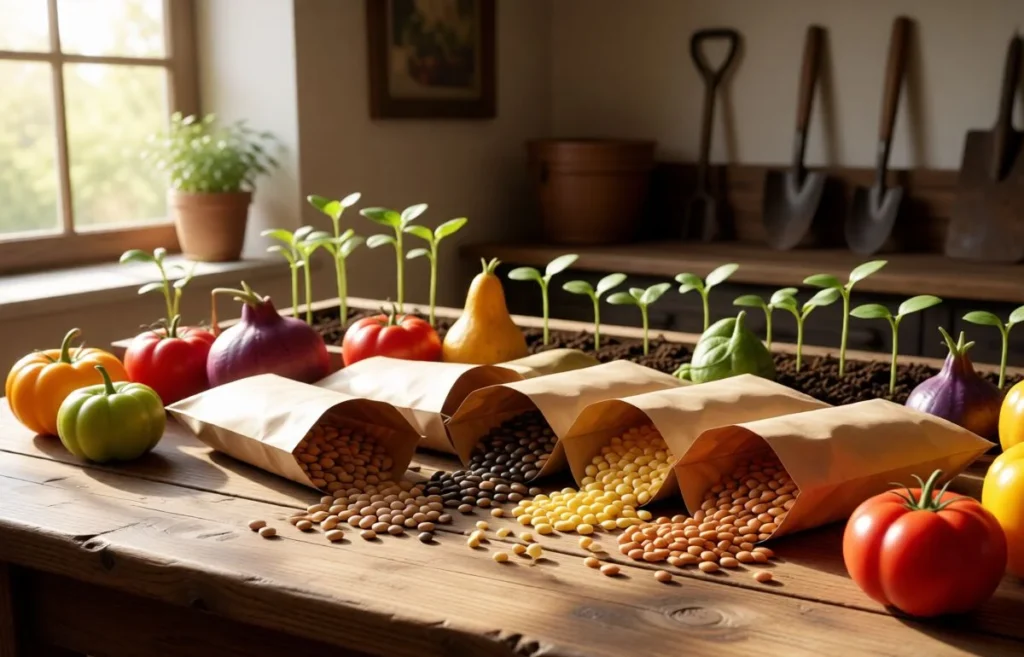
Saving Seeds For Future Gardens
Saving seeds for future gardens is a rewarding practice that connects gardeners with nature and tradition. Using organic seeds for garden ensures plants grow healthy without harmful chemicals. Collecting and saving seeds from your best plants helps preserve unique traits and supports sustainability. This practice works well with organic heritage vegetable seeds and non gmo heirloom seeds, which maintain their quality over generations. By saving seeds, you can grow your own organic seeds for vegetables year after year, reducing costs and increasing garden diversity.
Harvesting Seeds
Harvesting seeds at the right time is key to saving strong, viable seeds. Wait until fruits or pods are fully mature and dry on the plant. For example, beans and peas should be left until their pods turn brown and crispy. Tomatoes and peppers need to be fully ripe before seed collection.
- Choose healthy plants free from disease or pests to collect seeds.
- Harvest seeds from open-pollinated or heirloom varieties like non gmo heirloom vegetable seeds, which breed true.
- Collect seeds on a dry day to prevent mold during drying.
Using organic seeds for garden helps maintain purity and plant health. Avoid hybrid seeds as their offspring may not keep parent traits. Focus on saving seeds from plants that performed well in your garden for best results.
Cleaning And Drying
Cleaning and drying seeds properly prevents mold and spoilage. After harvesting, remove pulp, chaff, or pod material. Some seeds, like tomatoes, need soaking and rinsing to separate seeds from the gel.
- Remove unwanted parts by rubbing seeds gently or using water to separate them.
- Spread seeds on a clean paper towel or screen in a warm, dry place away from direct sunlight.
- Allow seeds to dry for several days until they feel hard and brittle.
Proper drying is crucial for organic heritage vegetable seeds and non gmo heirloom seeds to keep their viability. Avoid storing seeds that are damp or sticky. Clean, dry seeds store longer and germinate better.
Storage Tips
Store seeds in cool, dark, and dry conditions for maximum shelf life. Use airtight containers like glass jars or sealed bags to protect seeds from moisture and insects.
| Storage Method | Benefits | Notes |
|---|---|---|
| Glass jars with tight lids | Prevents moisture and air exposure | Add silica gel packets for extra dryness |
| Paper envelopes inside sealed bags | Allows seeds to breathe but stays dry | Label envelopes with seed type and date |
| Refrigerator storage | Keeps seeds cool and extends viability | Keep seeds dry to avoid mold |
Label each seed batch with the plant name and harvest year. Check seeds yearly for germination rates. Using organic seeds for vegetables or non gmo heirloom vegetable seeds stored well gives the best chance for healthy plants in future gardens.
Frequently Asked Questions
What Are Organic Seeds For Garden Use?
Organic seeds come from plants grown without synthetic chemicals. They are natural and safe for healthy gardens.
Why Choose Organic Seeds Over Regular Seeds?
Organic seeds avoid chemicals that harm soil and plants. They support eco-friendly gardening and healthier food.
How To Store Organic Seeds Properly?
Keep seeds in a cool, dry place. Use airtight containers to keep moisture and pests away.
Can Organic Seeds Grow In Any Climate?
Most organic seeds suit various climates but check seed type first. Choose seeds adapted to your region.
Are Organic Seeds More Expensive Than Regular Seeds?
Organic seeds can cost more due to natural farming. The health benefits often outweigh the price difference.
How Long Do Organic Seeds Stay Viable?
Seed life varies by type, usually 1-5 years. Store seeds well to keep their ability to sprout.
Where To Buy Reliable Organic Seeds?
Buy from trusted garden stores or certified organic seed companies. Look for clear labeling and good reviews.
Conclusion
Choosing organic seeds helps your garden grow healthy and strong. These seeds are natural and free from harmful chemicals. You support the environment by planting organic seeds. Your plants will taste better and be safer to eat. Growing your own food can bring joy and pride.
Start small and watch your garden thrive. Healthy soil leads to happy plants. Organic seeds offer a simple way to care for nature. Give your garden the best chance to grow well. The benefits last season after season.