
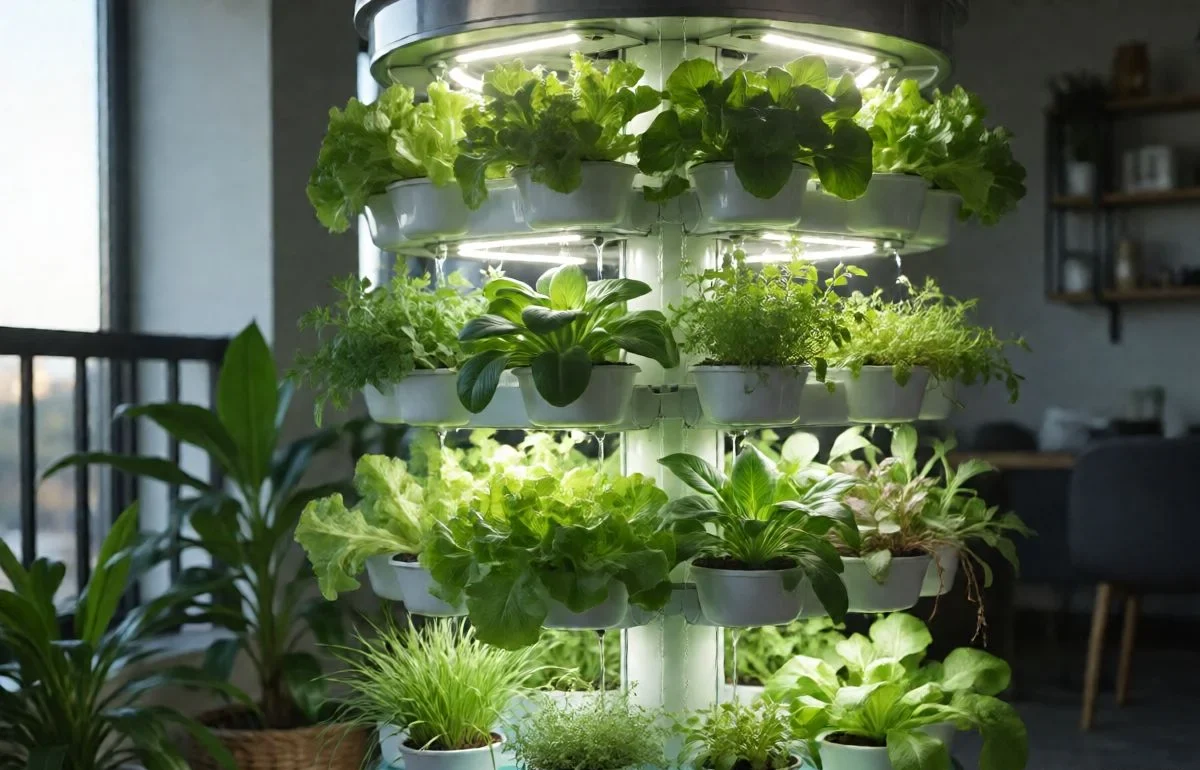

Imagine growing fresh, healthy greens right in your own home, no matter the weather outside. An indoor vertical hydroponic garden lets you do just that—saving space while boosting your access to nutritious, homegrown food.
If you’ve ever thought about gardening but felt limited by space or time, this could be the perfect solution for you. Keep reading to discover how you can transform a small corner of your home into a thriving garden that works smarter, not harder.
Benefits Of Indoor Vertical Hydroponics
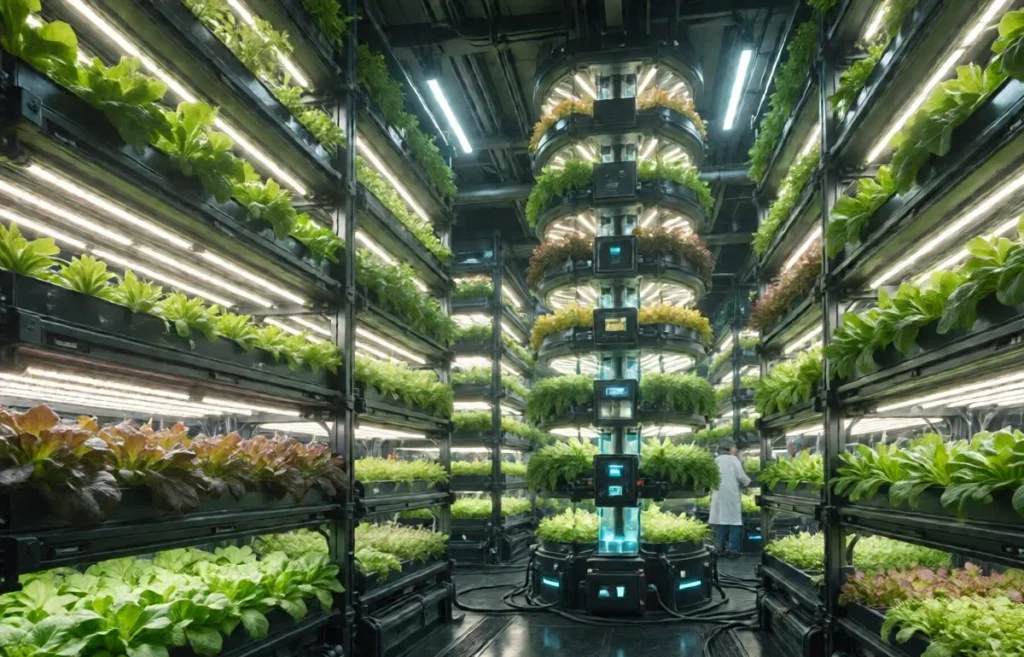
An indoor vertical hydroponic garden offers a smart way to grow plants inside limited spaces. Using a 10 layers hydroponic vertical tower or similar setups, it maximizes space while boosting plant growth. These hydroponic vertical garden towers use water and nutrients efficiently, making them ideal for homes or businesses. Commercial vertical hydroponic systems and hydroponic vertical farming systems provide fresh produce year-round without soil. The benefits of indoor vertical hydroponics go beyond space saving. They improve plant health, reduce water use, and cut down on pests and weeds. This makes indoor vertical hydroponics a smart choice for growing food sustainably and effectively.
Space Efficiency And High Yield
Indoor vertical hydroponic gardens use vertical space instead of horizontal. This setup allows growing many plants in a small area. A 10 layers hydroponic vertical tower can hold ten times more plants than traditional gardens. This means more food from less room. It is perfect for apartments, small homes, or urban areas where land is scarce.
- Maximizes plant density
- Fits into small indoor spaces
- Supports multiple crop types
Water Conservation And Nutrient Efficiency
Hydroponic vertical systems recycle water and nutrients, reducing waste. Compared to soil gardening, they use up to 90% less water. The closed-loop design in hydroponic vertical farming systems delivers nutrients directly to plant roots. This method prevents runoff and keeps plants healthy.
| Feature | Indoor Vertical Hydroponics | Traditional Soil Gardening |
|---|---|---|
| Water Usage | Uses 90% less water | High water consumption |
| Nutrient Delivery | Precise and efficient | Less control, more waste |
| Soil Requirement | None | Required |
Reduced Pest And Disease Problems
Growing plants indoors in a hydroponic vertical garden tower lowers pest risks. No soil means fewer bugs and diseases. Plants stay cleaner and healthier. The controlled environment helps prevent mold and fungal infections.
- Less exposure to outdoor pests
- Fewer chemicals needed
- Healthier crops with fewer diseases
Year-round Growing And Faster Growth
Indoor vertical hydroponic gardens allow growing crops all year. They are not affected by weather or seasons. Controlled light, temperature, and nutrients speed up plant growth. Crops can mature up to 25% faster than in soil.
- Consistent harvest cycles
- Better control of environment
- More fresh produce available
Table of Contents
Essential Components
An indoor vertical hydroponic garden requires several key parts to work well. These parts help plants grow without soil, using water and nutrients instead. Whether using a 10 layers hydroponic vertical tower or larger commercial vertical hydroponic systems, the right components ensure strong plant growth. Understanding these parts is important for anyone interested in hydroponic vertical garden towers or hydroponic vertical farming systems.
Structure And Frame
The structure and frame form the base of the garden. They hold all other parts in place. Common materials include metal, plastic, or wood. A sturdy frame supports multiple layers, such as a 10 layers hydroponic vertical tower, allowing more plants in less space.
Growing Channels Or Towers
Plants grow in special channels or towers designed for water flow. These channels keep roots moist and supply nutrients. Hydroponic vertical garden towers have holes where plants sit. The design helps save water and space while maximizing plant growth.
Water And Nutrient Delivery System
This system moves water mixed with nutrients to plants’ roots. It includes pumps, tubes, and reservoirs. Pumps send nutrient-rich water up to the top and let it flow down through the layers. This keeps plants healthy and growing fast in hydroponic vertical farming systems.
Lighting
Light is essential for plant growth indoors. LED grow lights are popular for indoor vertical hydroponic gardens. They use little energy and provide the right light spectrum. Proper lighting helps plants produce food and stay healthy.
Control Systems
Control systems help manage water flow, light timing, and temperature. Some use timers or sensors to automate tasks. These systems improve plant health and reduce manual work in commercial vertical hydroponic systems.
| Component | Purpose | Common Material |
|---|---|---|
| Structure and Frame | Supports the garden and layers | Metal, plastic, wood |
| Growing Channels | Holds plants and delivers water | Plastic, PVC |
| Water and Nutrient System | Supplies nutrients to roots | Pumps, tubes, reservoirs |
| Lighting | Provides essential light for growth | LED grow lights |
| Control Systems | Manages water, light, and temperature | Timers, sensors |
Choosing The Right Plants
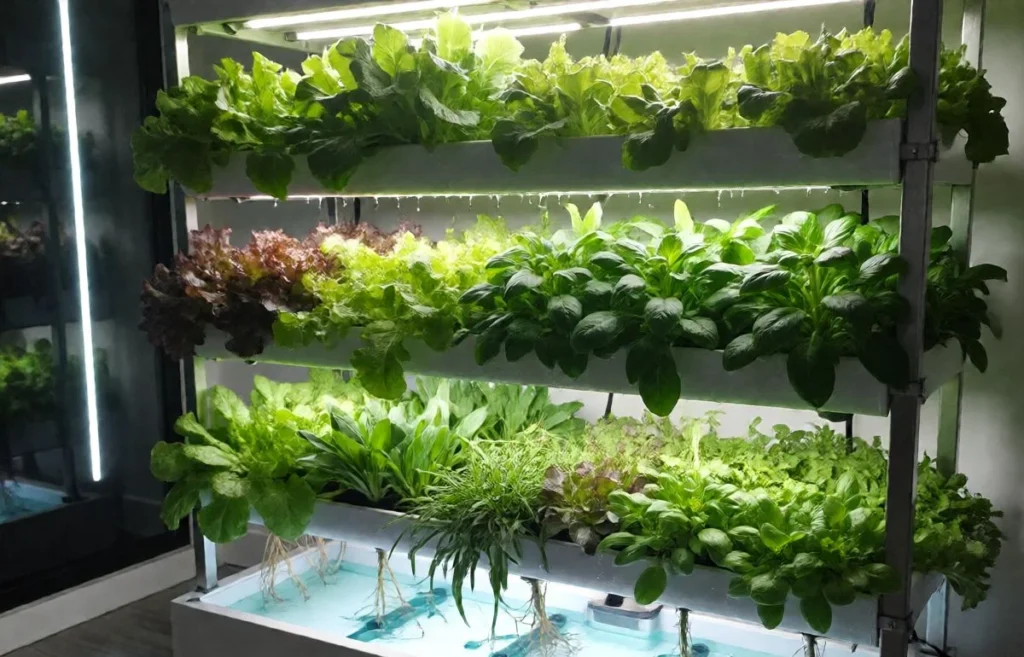
Choosing the right plants is key for a successful indoor vertical hydroponic garden. The 10 layers hydroponic vertical tower and other hydroponic vertical garden tower setups offer limited space. Picking plants that grow well in these conditions helps maximize yield. Different plants suit various commercial vertical hydroponic systems and hydroponic vertical farming systems. Understanding plant needs and growth habits makes your garden thrive.
Understanding Plant Size And Growth Rate
Choose plants that fit the height and width of your tower. Compact plants work best. Fast-growing plants let you harvest quickly and replant often. Tall or wide plants can block light for others below. Keep space and light in mind.
- Leafy greens like lettuce and spinach grow fast and stay small.
- Herbs such as basil and mint fit well in small spaces.
- Small fruiting plants like cherry tomatoes need more room and support.
Light And Nutrient Needs
Each plant has different light requirements. Most hydroponic vertical garden towers provide artificial light. Choose plants that match your light setup. Nutrient needs vary too. Group plants with similar needs together to simplify care.
| Plant Type | Light Needs | Nutrient Requirements |
|---|---|---|
| Lettuce | Medium | Low |
| Basil | High | Medium |
| Strawberries | High | High |
Temperature And Humidity Tolerance
Many commercial vertical hydroponic systems control temperature and humidity. Select plants that thrive in those conditions. Tropical plants prefer warm, humid spaces. Cool-weather crops need lower temperatures. Mixing plants with different needs may cause stress and poor growth.
Ease Of Maintenance
Choose plants that match your experience level. Some plants need more pruning or pest control. Simple plants like herbs and lettuces require less care. This is important for busy gardeners or beginners using hydroponic vertical farming systems.
- Start with easy plants to gain confidence.
- Try more demanding crops as you learn.
- Keep the system clean to avoid problems.
Setting Up Your System
Setting up your indoor vertical hydroponic garden is an exciting step toward fresh, homegrown produce. A well-organized setup creates the foundation for healthy plants and high yields. Whether using a 10 layers hydroponic vertical tower or a smaller system, understanding the basics helps you start strong. This guide covers key parts of building your hydroponic vertical garden tower, suitable for beginners and those exploring commercial vertical hydroponic systems.
Choosing The Right Location
Pick a spot with enough light, good air flow, and easy access. Natural sunlight near a window works well, but you can use grow lights for better results. Keep the area clean and free from pests. Consider the space needed for a hydroponic vertical farming system with multiple layers.
- Near a south-facing window for sunlight
- Room temperature between 65-75°F (18-24°C)
- Good ventilation to prevent mold
- Easy access for watering and maintenance
Gathering Materials And Equipment
Collect all essential parts before assembling your system. A typical hydroponic vertical garden tower includes containers, a water pump, tubing, and nutrient solutions. Choose materials that fit your space and plant needs.
| Item | Description | Purpose |
|---|---|---|
| Vertical Tower | Plastic or metal structure with multiple layers | Supports plant growth in a small footprint |
| Water Pump | Electric pump to circulate nutrient solution | Keeps roots hydrated and fed |
| Tubing and Drip Emitters | Channels water to each plant site | Ensures even water distribution |
| Nutrient Solution | Water mixed with minerals | Feeds plants essential nutrients |
| Grow Lights | LED or fluorescent lights | Provides light for photosynthesis indoors |
Assembling Your Hydroponic Vertical Tower
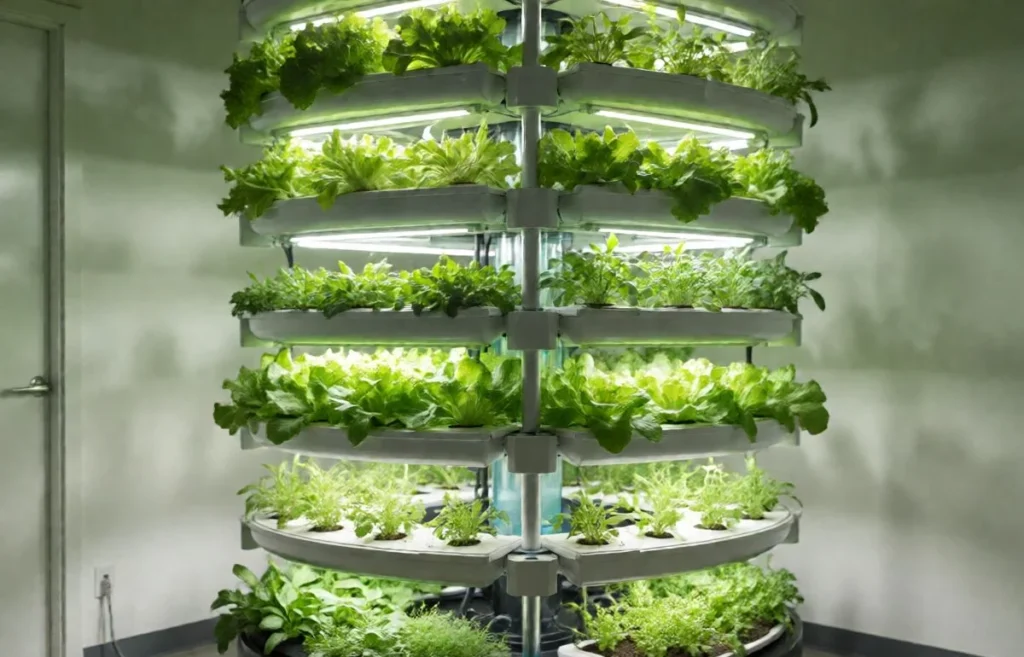
Follow clear steps to build your 10 layers hydroponic vertical tower. Align each layer correctly to allow water flow from top to bottom. Connect the pump and tubing securely to prevent leaks.
- Place the base on a stable surface.
- Stack each layer, locking it firmly in place.
- Attach tubing to the water pump outlet.
- Run tubing through each layer to drip emitters.
- Fill the reservoir with nutrient solution.
- Test the pump to check water flow.
Starting Your Plants
Choose seedlings or seeds suited for hydroponic growth. Plant them in net pots with a growing medium like clay pellets. Place each pot into the tower holes carefully.
- Use fast-growing, leafy greens for best results
- Keep roots moist but not waterlogged
- Monitor plants daily for growth and health
Lighting And Nutrient Needs
An indoor vertical hydroponic garden depends heavily on proper lighting and nutrients for healthy plant growth. Whether using a 10 layers hydroponic vertical tower or larger commercial vertical hydroponic systems, plants need the right light and balanced nutrients. These factors support fast growth and maximize yields in hydroponic vertical garden tower setups and other hydroponic vertical farming systems.
Lighting Requirements For Hydroponic Vertical Gardens
Plants in an indoor vertical hydroponic garden need light to perform photosynthesis. Without natural sunlight, artificial lights provide the energy plants require.
- LED grow lights are popular due to low heat and energy efficiency.
- Full-spectrum lights mimic sunlight, covering blue and red wavelengths.
- Light duration should be 12-16 hours daily for most vegetables and herbs.
- Position lights close to plants, about 6-12 inches, to ensure proper intensity.
Proper lighting helps plants in a 10 layers hydroponic vertical tower receive even light distribution. This prevents weak or leggy growth in lower layers.
Nutrient Needs In Hydroponic Vertical Farming Systems
Nutrients in hydroponic vertical farming systems are delivered through water solutions. Plants absorb minerals directly, so nutrient quality is critical.
- Essential elements: nitrogen, phosphorus, potassium, calcium, magnesium, and trace minerals.
- Nutrient solutions must be balanced and adjusted for plant type and growth stage.
- Use pH meters to keep solution pH between 5.5 and 6.5 for optimal uptake.
- Regularly monitor electrical conductivity (EC) to maintain nutrient concentration.
Good nutrient management ensures plants in a hydroponic vertical garden tower grow strong and healthy. It also supports sustainable production in commercial vertical hydroponic systems.
Balancing Light And Nutrients In Vertical Hydroponic Systems
Balancing light and nutrients is key in hydroponic vertical garden towers. Both must work together to boost plant health.
| Factor | Recommended Range | Effect on Plants |
|---|---|---|
| Light Duration | 12-16 hours daily | Supports photosynthesis and growth |
| Light Intensity | 6-12 inches from plants | Prevents leggy growth |
| pH Level | 5.5 – 6.5 | Maximizes nutrient absorption |
| EC Level | 1.2 – 2.0 mS/cm | Ensures balanced nutrient supply |
Monitoring these factors daily can improve yields in hydroponic vertical farming systems. It keeps plants vibrant and productive.
Common Challenges And Solutions
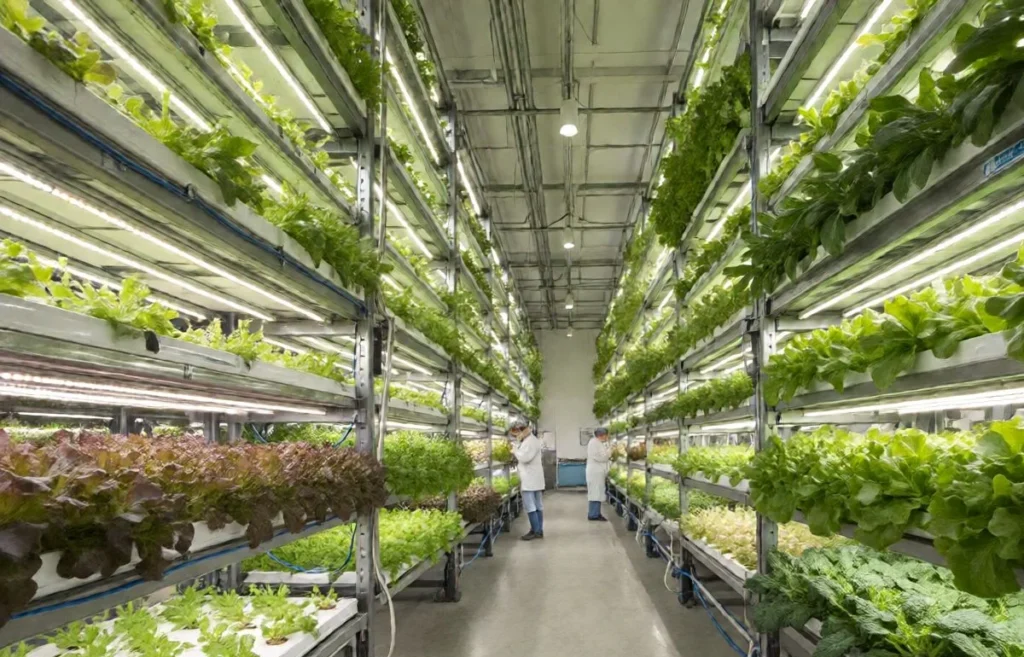
An indoor vertical hydroponic garden offers a smart way to grow plants in small spaces. Many gardeners use a 10 layers hydroponic vertical tower or a hydroponic vertical garden tower to maximize yield. These setups are popular in homes and businesses. But, like any system, they face common challenges. Understanding these problems and their solutions helps maintain healthy plants and good harvests. This guide covers issues in commercial vertical hydroponic systems and hydroponic vertical farming systems, offering simple fixes.
Poor Water Circulation
Poor water flow can cause roots to dry out or rot. It is a frequent problem in hydroponic vertical towers. Plants need constant moisture without being soaked.
- Check and clean water pumps regularly.
- Ensure tubes are not blocked or kinked.
- Use timers to maintain consistent watering schedules.
- Adjust pump power if water flow is too weak or strong.
Nutrient Imbalance
Plants grow best with the right balance of nutrients. An imbalance leads to yellow leaves or stunted growth in hydroponic vertical farming systems.
| Nutrient Deficiency | Common Symptoms | Simple Solutions |
|---|---|---|
| Nitrogen | Yellowing leaves, slow growth | Add nitrogen-rich nutrients; monitor pH |
| Potassium | Brown leaf edges, weak stems | Use potassium supplements; check water quality |
| Calcium | Leaf curling, blossom end rot | Apply calcium sprays; balance nutrient mix |
Lighting Issues
Indoor vertical hydroponic gardens need proper light. Without enough light, plants grow weak and pale. Too much light causes leaf burn.
- Use full-spectrum LED grow lights for best results.
- Set light timers to mimic natural daylight hours.
- Keep lights at a correct distance from plants (usually 12-18 inches).
- Rotate plants to ensure even light exposure.
Pest and Disease Control
Even indoor systems face pests and diseases. Hydroponic vertical garden towers can get mold, algae, or insects. These harm plant health.
- Inspect plants regularly for pests like aphids or spider mites.
- Use natural pest control methods, such as neem oil or insecticidal soap.
- Keep the environment clean and dry to prevent mold and algae.
- Maintain good air circulation around the tower.
Maintenance Tips For Success
Maintaining an indoor vertical hydroponic garden requires care and attention. Success depends on regular checks and smart habits. Whether it is a 10 layers hydroponic vertical tower or larger commercial vertical hydroponic systems, good maintenance keeps plants healthy and growing fast. Hydroponic vertical garden towers and hydroponic vertical farming systems need clean water, balanced nutrients, and proper light. Follow these simple tips to keep your system running smoothly and your plants thriving.
Water Quality And Nutrient Balance
Check water quality often. Clean water helps roots absorb nutrients well. Change water every 1-2 weeks to avoid salt build-up.
- Use filtered or distilled water if possible.
- Test pH regularly; ideal range is 5.5 to 6.5.
- Keep nutrient levels balanced using hydroponic nutrient solutions.
- Adjust nutrient mix based on plant type and growth stage.
Lighting And Temperature Control
Plants need enough light for good growth. Use LED grow lights designed for hydroponic systems.
- Set light cycle to 12-16 hours daily.
- Keep temperature between 65°F and 75°F.
- Avoid placing towers near drafts or heaters.
- Use a timer for consistent light and dark periods.
Cleaning And System Inspection
Clean your hydroponic vertical garden tower regularly to prevent algae and pests.
- Turn off the system before cleaning.
- Wipe down surfaces with mild soap and water.
- Check pumps and tubing for clogs or leaks.
- Replace damaged parts immediately.
- Sanitize containers every month with diluted bleach solution.
Plant Health Monitoring
Watch plants daily for signs of stress or disease.
| Symptom | Possible Cause | Action |
|---|---|---|
| Yellow leaves | Nutrient deficiency or overwatering | Adjust nutrient mix and water flow |
| Wilting | Root rot or poor oxygenation | Improve aeration and check roots |
| Spots on leaves | Fungal infection | Remove affected leaves and clean system |
Frequently Asked Questions
What Is An Indoor Vertical Hydroponic Garden?
An indoor vertical hydroponic garden grows plants without soil, using water and nutrients. It saves space by stacking plants vertically. Ideal for small homes or apartments.
How Does Vertical Hydroponic Gardening Work Indoors?
Plants grow in a vertical structure with nutrient-rich water flowing through. Roots absorb nutrients directly from the water. This method uses less water than traditional soil gardening.
What Are The Best Plants For Indoor Vertical Hydroponics?
Lettuce, herbs, spinach, and strawberries grow well indoors vertically. These plants need less light and grow fast. Perfect for beginners and small spaces.
How Much Light Do Indoor Vertical Hydroponic Gardens Need?
Most plants need 12 to 16 hours of light daily. LED grow lights work well indoors. They help plants grow healthy and strong.
Is Indoor Vertical Hydroponic Gardening Cost-effective?
It saves money on soil and water over time. Initial setup can cost more but pays off. Lower water use and faster growth reduce ongoing costs.
How Often Should I Change The Nutrient Solution?
Change the nutrient solution every two weeks for best results. This keeps nutrients fresh and plants healthy. Monitor water levels and top up as needed.
Can I Grow Food Year-round With Vertical Hydroponics Indoors?
Yes, you can grow fresh food all year inside. Controlled indoor conditions avoid weather problems. Great for fresh vegetables and herbs anytime.
Conclusion
Indoor vertical hydroponic gardens save space and water. They grow plants faster than soil methods. You can enjoy fresh herbs and vegetables all year. These gardens fit well in small homes or apartments. They require less effort and keep pests away.
Growing your own food indoors feels rewarding. Start small and watch your plants thrive. Healthy, homegrown food is always within reach. Give vertical hydroponics a try today.