

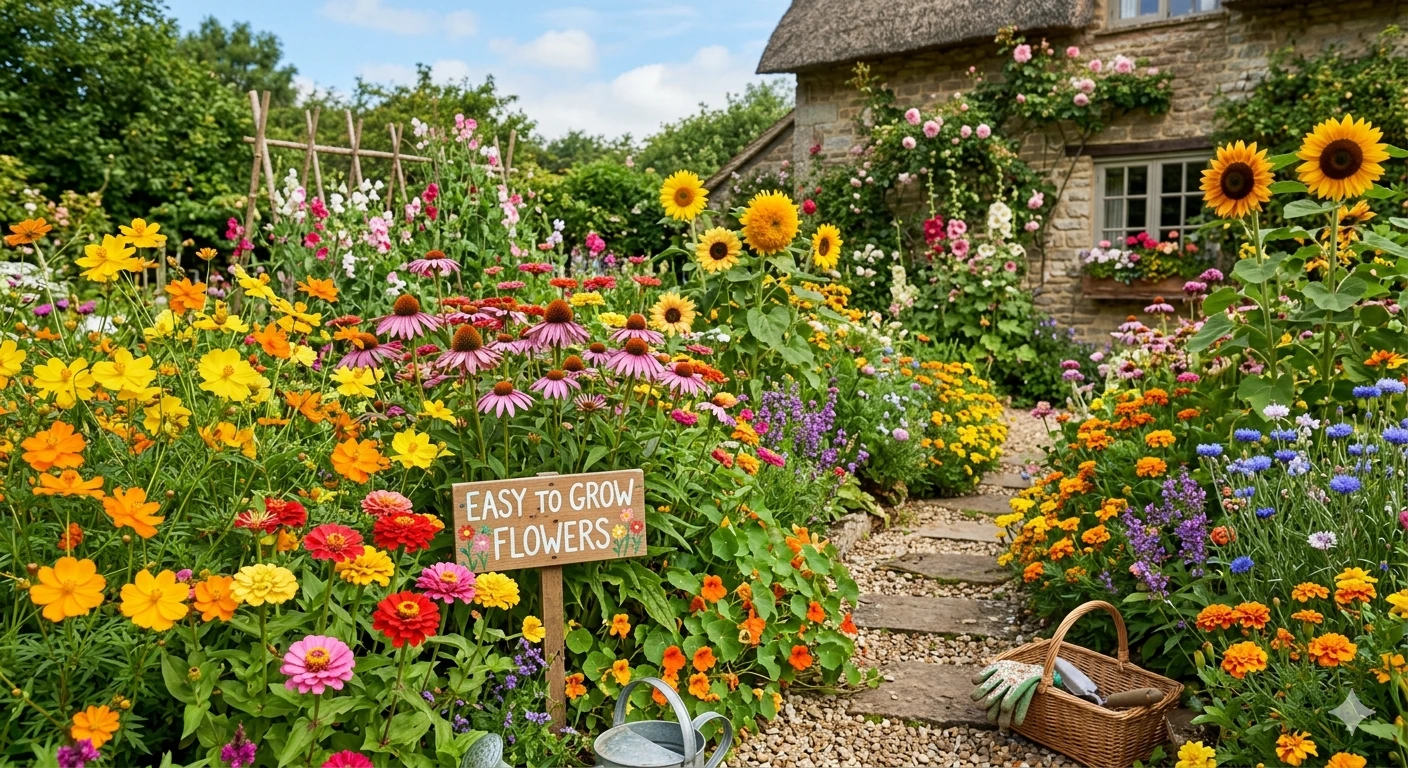
Growing beautiful flowers doesn’t have to be hard or time-consuming. Imagine stepping outside and seeing vibrant colors brighten your garden, all without spending hours on care.
You can create a stunning flower display even if you’re new to gardening or short on time. This guide will show you easy to grow flowers that thrive with minimal effort, helping you enjoy nature’s beauty and boost your mood every day.
Ready to transform your space with flowers that practically take care of themselves? Keep reading to discover the best choices for your garden.
Best Flowers For Beginners
Choosing the best flowers for beginners can make gardening fun and stress-free. Many people want to know what flowers are easy to grow and take care of. Starting with easy to grow flowers helps build confidence and keeps the garden healthy. These flowering plants for outdoors need less attention but still bloom beautifully. You can enjoy color and life in your garden without hard work. Here are some of the easiest plants to grow outdoors that suit new gardeners perfectly.
Marigolds
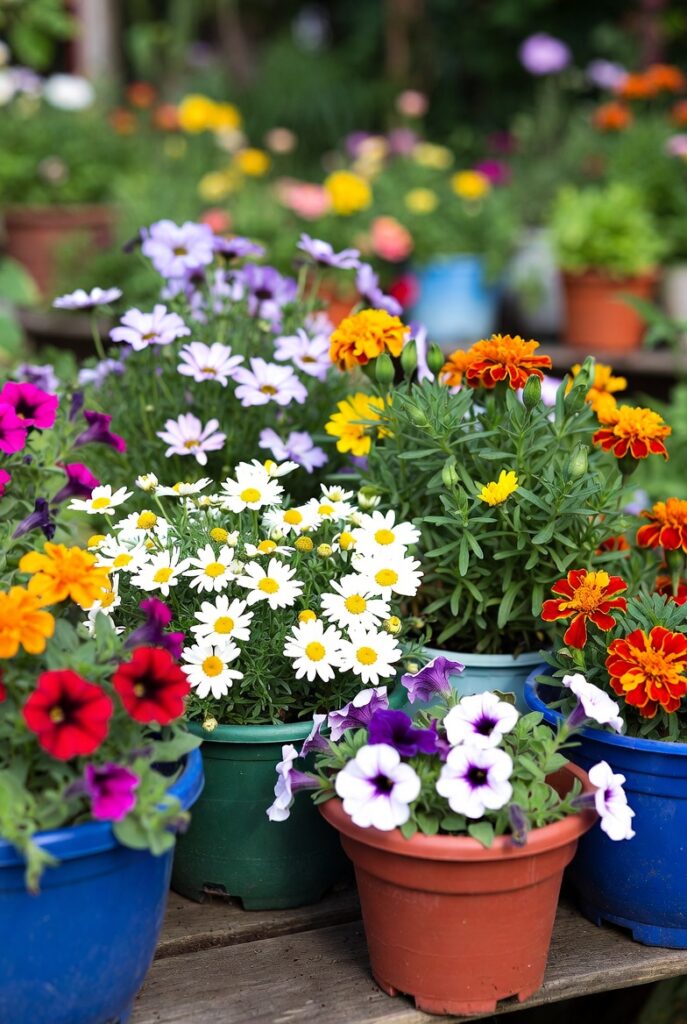
Marigolds are among the best flowers for gardening beginners. They grow quickly and tolerate heat well. Marigolds need full sun and regular watering. They also repel pests, helping other plants stay healthy.
- Bright yellow and orange blooms
- Grow well in most soils
- Low maintenance and hardy
Sunflowers
Sunflowers are tall, cheerful, and easy to grow. They thrive in full sun and need minimal care. Sunflowers attract birds and pollinators, which helps your garden.
- Fast-growing with large blooms
- Good for outdoor spaces
- Can grow in poor soil
Zinnias
Zinnias are colorful and bloom all summer. They do well in full sun and dry conditions. Zinnias are perfect for beginners wanting bright, long-lasting flowers.
- Available in many colors
- Attract butterflies
- Resistant to drought
Lavender
Lavender is both beautiful and fragrant. It prefers sunny spots with well-drained soil. Lavender is a great choice for easy to grow flowers that also smell nice.
- Requires little watering
- Attracts bees
- Can be used for cooking and crafts
Table: Easy To Grow Flowers At A Glance
| Flower | Sunlight | Water Needs | Special Features |
|---|---|---|---|
| Marigolds | Full Sun | Moderate | Pest-repellent |
| Sunflowers | Full Sun | Low | Attracts birds |
| Zinnias | Full Sun | Low | Butterfly-friendly |
| Lavender | Full Sun | Low | Fragrant, drought-tolerant |
Table of Contents
Choosing The Right Soil
Choosing the right soil plays a big role in growing easy to grow flowers successfully. Soil affects how plants get water, air, and nutrients. Many beginners ask, what flowers are easy to grow and how to prepare soil for them. The easiest plants to grow outdoors need soil that supports their growth without much effort. Using the right soil helps flowering plants for outdoors bloom beautifully and stay healthy. This guide helps pick the best soil for the best flowers for gardening.
Understanding Soil Types
Soil comes in different types. Each type holds water, air, and nutrients differently. The main types include:
- Sandy Soil: Drains quickly but does not hold nutrients well.
- Clay Soil: Holds water but can be heavy and hard for roots.
- Loamy Soil: A mix of sand, silt, and clay. It drains well and holds nutrients.
- Silty Soil: Smooth and holds moisture but can be compact.
Loamy soil is best for most easy to grow flowers because it balances drainage and nutrients well.
Testing Soil For Flower Gardening
Test soil before planting. This helps know what soil needs. Follow these simple steps:
- Take soil from different spots in your garden.
- Check texture by feeling: Is it gritty, smooth, or sticky?
- Perform a pH test with a kit or strips from a garden store.
- Observe drainage by watering soil and timing how fast water drains.
Most flowering plants for outdoors prefer soil with a pH between 6 and 7.5.
Improving Soil For Easy To Grow Flowers
Soil can be improved to help plants grow better. Try these tips:
- Add organic matter: Compost or aged manure improves nutrients and texture.
- Use mulch: Keeps soil moist and cool.
- Mix sand into clay soil: Improves drainage.
- Avoid compacting soil: Roots need air to grow well.
Soil Preparation Checklist
| Step | Action | Purpose |
|---|---|---|
| 1 | Clear weeds and debris | Prevents competition for nutrients |
| 2 | Loosen soil with a fork or tiller | Improves root growth and air flow |
| 3 | Add compost or organic matter | Boosts nutrients and moisture retention |
| 4 | Check and adjust pH | Ensures plants absorb nutrients properly |
| 5 | Level soil surface | Prepares for planting |
Sunlight And Water Needs
Easy to grow flowers are perfect for gardeners who want beauty without hard work. Knowing the sunlight and water needs of these plants helps them thrive. Many beginners ask, what flowers are easy to grow with low care? Choosing the right flowering plants for outdoors depends on understanding how much sun and water they require. This guide covers the basics, helping you pick the best flowers for gardening that suit your garden’s conditions. Below, discover simple tips on sunlight and watering for the easiest plants to grow outdoors.
Sunlight Requirements For Easy To Grow Flowers
Sunlight is a key factor in plant growth. Most easy to grow flowers need at least 4 to 6 hours of sunlight daily. Some do well in full sun, while others prefer partial shade.
- Full Sun: Plants like marigolds and zinnias bloom best with 6+ hours of direct sunlight.
- Partial Shade: Impatiens and begonias grow well with 3 to 5 hours of sun and some shade.
- Shade: Ferns and hostas thrive in low light but are less common as flowering plants for outdoors.
Check the sunlight your garden receives before planting. Place flowers where they get the right light to keep them healthy.
Water Needs For The Easiest Plants To Grow Outdoors
Watering is simple but important. Most best flowers for gardening like moist soil but not soggy. Overwatering can cause root problems.
| Flower Type | Water Frequency | Notes |
|---|---|---|
| Marigolds | Once or twice a week | Allow soil to dry between watering |
| Zinnias | Once a week | Do not overwater; drought-tolerant |
| Impatiens | 2-3 times a week | Keep soil consistently moist |
| Begonias | Once or twice a week | Water early to avoid leaf fungus |
Tips For Balancing Sunlight And Water
- Observe your garden’s sun patterns daily.
- Choose plants matching your garden’s light levels.
- Water early in the morning or late afternoon.
- Use mulch to keep soil moist longer.
- Adjust watering based on weather and season.
Understanding the right sunlight and water helps your easy to grow flowers flourish. Pick the right spot and care for them gently.
Planting Tips For Success
Growing easy to grow flowers brings joy and color to any garden. Knowing how to plant them correctly ensures they thrive. This guide shares simple planting tips for success with the best flowers for gardening. Whether you want flowering plants for outdoors or the easiest plants to grow outdoors, these tips help your garden flourish.
Choose The Right Location
Picking the perfect spot is key for what flowers are easy to grow. Most easy to grow flowers need plenty of sunlight. Aim for a place with at least 6 hours of sun daily. Check soil drainage too. Avoid areas where water pools after rain. Good air flow helps prevent disease.
Prepare The Soil Properly
Healthy soil makes a big difference. Loosen the soil to a depth of 8-12 inches. Mix in organic matter like compost or aged manure. This improves soil texture and adds nutrients. Test soil pH if possible. Most flowering plants for outdoors prefer slightly acidic to neutral soil (pH 6.0-7.0).
Plant At The Right Time
Timing matters when planting easy to grow flowers. Plant after the last frost date in your area. This avoids cold damage. Some best flowers for gardening also do well when planted in early fall for spring blooms. Follow seed packet or plant tag instructions for timing.
Watering Tips For Healthy Growth
- Water deeply but less often. This encourages strong roots.
- Check soil moisture before watering.
- Water early in the morning to reduce evaporation.
- Avoid wetting leaves to prevent fungal diseases.
Use Mulch To Protect Plants
Mulch keeps soil moist and controls weeds. Apply a 2-3 inch layer around plants but keep it away from stems. Organic mulch breaks down and adds nutrients. It also regulates soil temperature, helping plants grow well in changing weather.
Common Mistakes To Avoid
- Planting too deep or too shallow.
- Overwatering or underwatering.
- Ignoring sunlight needs.
- Skipping soil preparation.
- Not removing weeds regularly.
| Flower Type | Sunlight | Water Needs | Soil Preference |
|---|---|---|---|
| Marigold | Full Sun | Moderate | Well-drained |
| Sunflower | Full Sun | Low to Moderate | Loamy |
| Zinnia | Full Sun | Moderate | Well-drained |
| Impatiens | Partial Shade | High | Moist, rich |
Low Maintenance Flower Varieties
Easy to grow flowers bring color and life to any garden without much work. Many gardeners want low maintenance flower varieties that thrive with little care. These flowers are perfect for beginners or busy people. They need less water, less pruning, and still produce beautiful blooms. Choosing what flowers are easy to grow helps create a vibrant garden quickly.
Some of the easiest plants to grow outdoors include hardy perennials and annuals that adapt well to different climates. These flowering plants for outdoors can resist pests and survive poor soil. They are the best flowers for gardening if you want beauty without stress.
Sun-Loving Low Maintenance Flowers
These flowers need plenty of sunlight and little water. They are great for sunny gardens or pots on a balcony.
- Marigolds: Bright orange and yellow blooms. They repel bugs naturally.
- Zinnias: Colorful, easy to grow from seeds. Attract butterflies.
- Lavender: Fragrant and drought-tolerant. Good for dry areas.
Shade-Tolerant Easy Flowers
Some flowers thrive in low light. Ideal for shady spots or under trees.
- Hostas: Known for their lush leaves and small flowers.
- Impatiens: Bright, colorful blooms that love shade.
- Begonias: Long-lasting flowers that tolerate shade well.
Perennials That Require Little Care
Perennials come back every year, saving time on replanting. These are simple to grow and maintain.
| Flower | Care Tips | Bloom Time |
|---|---|---|
| Daylilies | Water occasionally, prune dead leaves | Summer |
| Black-eyed Susan | Needs full sun, minimal watering | Late summer |
| Coneflowers | Well-drained soil, drought-resistant | Mid to late summer |
Common Growing Mistakes
Growing easy to grow flowers can bring joy and color to any garden. Many gardeners want to know what flowers are easy to grow and how to keep them healthy. Even the easiest plants to grow outdoors need care. Some common growing mistakes can stop flowering plants for outdoors from blooming well. Avoiding these errors helps you enjoy the best flowers for gardening without frustration.
Incorrect Sunlight Exposure
Most easy to grow flowers need the right amount of sunlight. Too much sun can dry plants out quickly. Too little sun stops flowers from blooming.
- Full sun plants need at least 6 hours of direct light.
- Partial shade plants do better with 3-6 hours of sun.
- Shade plants prefer less than 3 hours of direct sun.
Check the sunlight needs before planting. Planting in the wrong spot causes weak growth or no flowers.
Overwatering Or Underwatering
Water is key to healthy flowering plants for outdoors. Overwatering makes roots rot. Underwatering dries plants and stops blooms.
- Water plants when the top inch of soil is dry.
- Use a watering can or hose with a gentle spray.
- Drainage holes in pots help prevent water build-up.
Keep soil moist but not soggy for the best results.
Ignoring Soil Quality
Good soil helps the best flowers for gardening grow strong. Poor soil can cause slow growth and no flowers.
| Soil Type | Benefits | Common Issues |
|---|---|---|
| Loamy | Good drainage and nutrients | Rarely a problem |
| Sandy | Drains well | Dries out quickly |
| Clay | Holds nutrients | Poor drainage, heavy |
Amend soil with compost or peat moss to improve texture and nutrition.
Planting At The Wrong Time
Timing affects how well easy to grow flowers grow. Planting too early or late can hurt growth.
- Plant spring flowers after the last frost.
- Summer flowers need warm soil.
- Fall flowers should go in before the first frost.
Check local planting dates for best success.
Neglecting Pest And Disease Control
Pests and diseases harm flowering plants for outdoors. Ignoring them stops flowers from blooming.
- Look for holes, spots, or wilting leaves.
- Remove affected leaves or plants quickly.
- Use natural pest controls like neem oil or insecticidal soap.
Regular checks keep plants healthy and blooming.
Seasonal Flower Care
Easy to grow flowers bring color and joy to any garden. Taking care of these plants varies with the seasons. Seasonal flower care helps your plants thrive throughout the year. Knowing how to care for flowering plants for outdoors during each season makes gardening simple and rewarding. This guide covers the best tips for what flowers are easy to grow and how to care for the easiest plants to grow outdoors in every season.
Spring Care For Easy To Grow Flowers
Spring is the perfect time to plant and nurture your garden. Most best flowers for gardening bloom beautifully this season.
- Prepare soil by loosening and adding compost.
- Water plants regularly but avoid overwatering.
- Remove dead leaves and old blooms to encourage growth.
- Use a balanced fertilizer to promote strong roots and flowers.
Popular spring flowers include pansies, tulips, and daffodils. These are easy to grow flowers that brighten any space.
Summer Care Tips For Flowering Plants
Summer heat requires special attention for your easiest plants to grow outdoors. Follow these tips for healthy blooms:
- Water early in the morning or late in the evening to reduce evaporation.
- Mulch around plants to keep soil moist and cool.
- Deadhead spent flowers to encourage new blooms.
- Protect plants from strong sun or wind with shade cloth if needed.
Marigolds, zinnias, and sunflowers thrive in summer and are simple to care for.
Autumn Flower Care For Outdoor Gardens
Autumn prepares your garden for cooler months. Focus on strengthening plants and cleaning the garden.
| Task | Action | Reason |
|---|---|---|
| Pruning | Cut back dead or weak stems | Prevents disease and promotes healthy growth |
| Fertilizing | Apply slow-release fertilizer | Supports root growth before winter |
| Mulching | Cover soil with leaves or straw | Keeps soil warm and moist |
Chrysanthemums and asters are easy to grow flowers that bloom well in autumn.
Winter Care For Easy To Grow Flowers
Winter care keeps your garden alive until spring. Choose hardy flowering plants for outdoors that survive cold weather.
- Water sparingly to prevent root rot.
- Protect plants with frost cloth or move pots indoors.
- Remove fallen leaves and debris to avoid pests.
- Avoid heavy pruning during winter.
Plants like pansies and hellebores can bloom even in cold months, making them some of the best flowers for gardening in winter.
Frequently Asked Questions
What Are The Easiest Flowers To Grow For Beginners?
Sunflowers, marigolds, and zinnias are great for beginners. They need little care and grow fast. Perfect for starting your flower garden.
How Much Sunlight Do Easy-to-grow Flowers Need?
Most easy flowers need 6 to 8 hours of sunlight. Some can tolerate partial shade. Check each flower’s sunlight needs before planting.
Can Easy Flowers Grow In Small Spaces Or Containers?
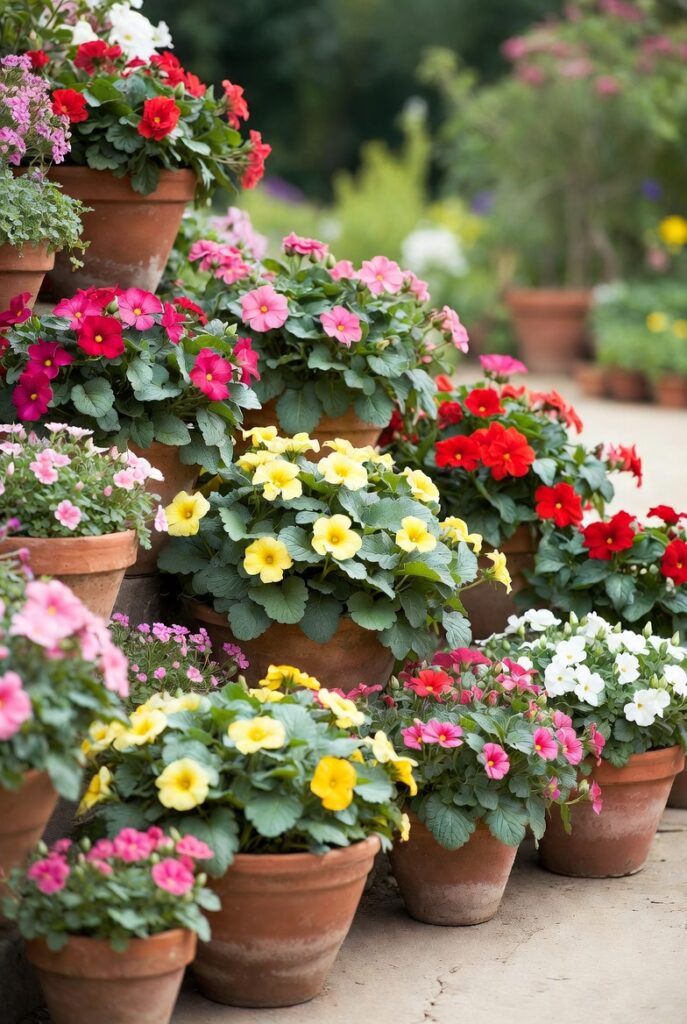
Yes, many easy flowers like petunias and pansies grow well in pots. Container gardening saves space and looks beautiful. Just use good soil and water regularly.
How Often Should I Water Easy-to-grow Flowers?
Water flowers when the top soil feels dry. Usually, 2 to 3 times a week works well. Avoid overwatering to prevent root rot.
Do Easy Flowers Need Special Soil Or Fertilizer?
Most easy flowers grow well in regular garden soil. Adding compost helps flowers grow stronger. Use a balanced fertilizer once a month for better blooms.
How Long Do Easy-to-grow Flowers Usually Bloom?
Many easy flowers bloom for several weeks to months. Deadheading spent flowers helps new ones grow. Enjoy colorful blooms all season long.
Can Easy Flowers Attract Bees And Butterflies?
Yes, flowers like cosmos and zinnias attract pollinators. Bees and butterflies help your garden thrive. Planting easy flowers supports local wildlife.
Conclusion
Growing flowers can bring joy and color to any space. Choose easy-to-grow types for less work and more fun. Water them regularly and give enough sunlight daily. Watch your garden bloom with bright, happy colors. Enjoy the fresh air and calm that flowers bring.
Gardening helps you relax and feel closer to nature. Start small and see how your flowers thrive. Simple steps make gardening fun and rewarding. You can create a beautiful garden with little effort. Try growing these flowers and enjoy nature’s beauty every day.