

Are pesky insects ruining your vegetable garden? You’re not alone.
Every gardener faces this challenge, but controlling those unwanted visitors doesn’t have to be frustrating or complicated. Imagine enjoying healthy, thriving plants without constantly battling bugs. You’ll discover simple, effective ways to protect your garden and keep insects at bay.
Whether you’re a beginner or have some experience, these tips will help you grow a vibrant vegetable garden you can be proud of. Ready to take control and see your garden flourish? Let’s dive in.
Common Garden Pests
Vegetable garden insect control is essential for healthy plants and a good harvest. Common garden pests can damage leaves, stems, and fruits, reducing your crop yield. Knowing these pests helps you take proper action early. This knowledge supports organic insect control for vegetable gardens, which keeps your garden safe and chemical-free. Understanding how to keep insects out of garden starts with identifying these frequent invaders. Using natural methods to keep bugs out of vegetable garden naturally protects both plants and the environment. Effective pest control organic vegetable garden strategies begin with recognizing these common pests.
Cabbage Worms
Cabbage worms are small green caterpillars that eat holes in leaves. They prefer cabbage, broccoli, and kale. These pests can quickly destroy young plants.
- Look for small green worms on undersides of leaves.
- Check for frass (dark droppings) near damaged leaves.
- Hand-pick worms or use organic sprays like Bacillus thuringiensis (Bt).
Aphids
Aphids are tiny, soft-bodied insects that suck plant sap. They form large groups on new growth and cause leaves to curl and yellow.
- Identify by their pear-shaped bodies and antennae.
- Spray plants with water to remove aphids.
- Introduce ladybugs or use insecticidal soap for control.
Tomato Hornworms
Tomato hornworms are large green caterpillars with white stripes. They feed on tomato and pepper plants, stripping leaves quickly.
- Spot large green worms with a horn-like tail.
- Remove by hand or apply organic pesticides.
- Use mulch to reduce egg laying on plants.
Spider Mites
Spider mites are tiny, spider-like pests that cause yellow spots on leaves. They thrive in hot, dry weather and spin fine webs.
- Check for fine webbing on leaves.
- Spray with water to wash off mites.
- Use neem oil or insecticidal soap for treatment.
Slugs And Snails
Slugs and snails chew irregular holes in leaves and fruits. They are most active at night and hide in moist areas during the day.
- Look for slimy trails on soil and plants.
- Use barriers like crushed eggshells or diatomaceous earth.
- Set beer traps to attract and drown pests.
| Pest | Signs of Damage | Organic Control Methods |
|---|---|---|
| Cabbage Worms | Holes in leaves, green caterpillars | Hand-picking, Bacillus thuringiensis (Bt) |
| Aphids | Curled yellow leaves, sticky residue | Water spray, ladybugs, insecticidal soap |
| Tomato Hornworms | Striped leaves, large green caterpillars | Hand-picking, organic pesticides, mulch |
| Spider Mites | Yellow spots, fine webbing on leaves | Water spray, neem oil, insecticidal soap |
| Slugs and Snails | Irregular holes, slimy trails | Barriers, beer traps, diatomaceous earth |
Natural Predators
Controlling pests in your vegetable garden is key to a healthy harvest. Natural predators play a vital role in vegetable garden insect control without chemicals. These helpful insects and animals eat harmful bugs, keeping pest numbers low. Using natural predators is a smart way of organic insect control for vegetable gardens. It teaches how to keep insects out of garden areas safely and effectively. Knowing how to keep bugs out of vegetable garden naturally helps gardeners protect plants while respecting the environment. This method supports pest control organic vegetable garden practices that maintain balance in your garden’s ecosystem.
Table of Contents
What Are Natural Predators?
Natural predators are animals and insects that eat pests harming your plants. They include ladybugs, spiders, and birds. These creatures control pest populations by hunting and eating them. This helps reduce the need for chemical pesticides. Using natural predators supports a healthy garden and soil.
Common Natural Predators In Vegetable Gardens
| Predator | Prey (Pests They Eat) | Benefits |
|---|---|---|
| Ladybugs | Aphids, mealybugs, scale insects | Eat large numbers of soft-bodied pests |
| Spiders | Various insects, including flies and caterpillars | Trap and kill many garden pests |
| Praying Mantises | Beetles, caterpillars, grasshoppers | Strong hunters that catch bigger pests |
| Birds (e.g., sparrows, wrens) | Insects, larvae, grubs | Natural pest control and seed spreaders |
How To Attract Natural Predators
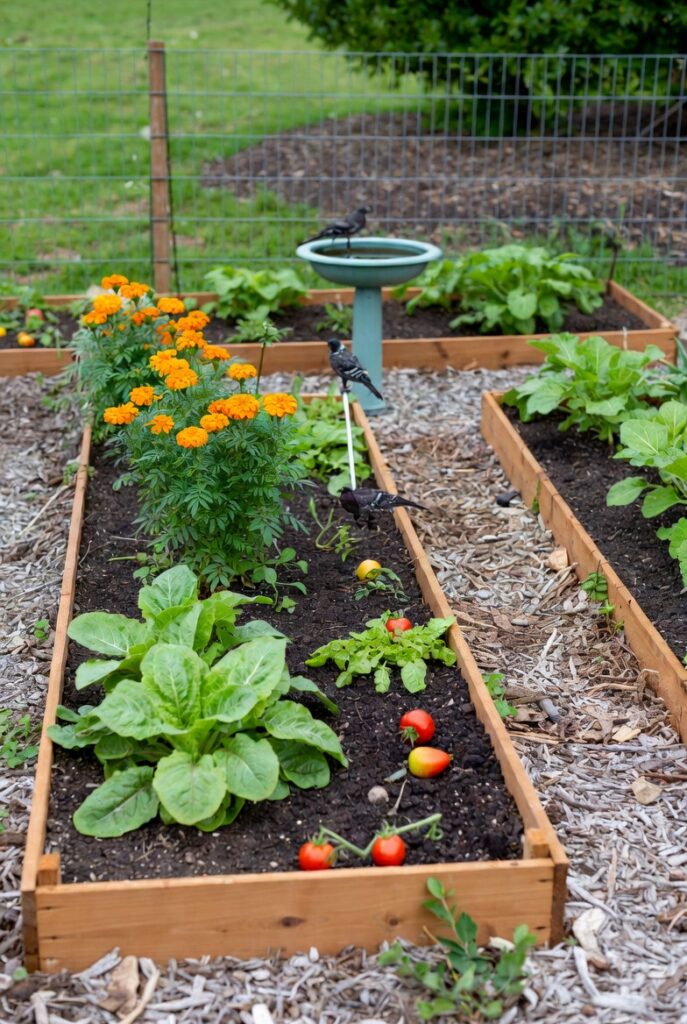
- Plant flowers like marigolds and daisies to provide nectar.
- Grow herbs such as dill and fennel to attract beneficial insects.
- Keep some areas of your garden wild or with mulch for shelter.
- Avoid using chemical pesticides that harm predators.
- Provide small water sources like shallow dishes with water.
Benefits Of Using Natural Predators
- Reduces chemical use: Protects plants without harmful sprays.
- Maintains garden balance: Keeps pests under control naturally.
- Supports biodiversity: Encourages a healthy ecosystem in your garden.
- Cost-effective: Saves money on pesticides and treatments.
Organic Pest Control Methods
Controlling pests in your vegetable garden is key for a healthy harvest. Vegetable garden insect control can be tricky without harsh chemicals. Organic insect control for vegetable gardens uses natural ways to stop bugs and protect plants. These methods focus on balance and safety for your family and the environment. Learning how to keep insects out of garden naturally helps maintain a thriving garden without harmful sprays. Understanding how to keep bugs out of vegetable garden naturally means using nature’s own defenses. Pest control organic vegetable garden techniques keep pests low and plants strong.
Using Beneficial Insects
Some insects eat harmful bugs in your garden. Ladybugs, lacewings, and praying mantises are natural predators. They help control aphids, caterpillars, and other pests.
- Release ladybugs near affected plants
- Plant flowers to attract beneficial insects
- Avoid broad-spectrum insecticides that kill helpful bugs
Beneficial insects work as natural pest control agents. They reduce pest numbers without chemicals.
Homemade Organic Sprays
Simple sprays made from household items can deter pests. Neem oil, garlic spray, and soap solutions are common choices. These sprays disrupt pest feeding and reproduction.
| Spray | Ingredients | Use |
|---|---|---|
| Neem Oil Spray | Neem oil, water, mild soap | Controls aphids, whiteflies, and mites |
| Garlic Spray | Garlic cloves, water, dish soap | Repels beetles and caterpillars |
| Soap Spray | Liquid soap, water | Kills soft-bodied insects like aphids |
Companion Planting For Pest Control
Planting certain crops together helps keep bugs away. Some plants confuse or repel pests naturally. This method improves garden health and lowers insect problems.
- Marigolds repel nematodes and beetles.
- Basil deters flies and mosquitoes.
- Chives reduce aphids on nearby plants.
- Garlic planted near roses prevents aphids.
Companion planting creates a natural pest barrier. It supports healthy vegetable growth without chemicals.
Chemical Insecticides
Controlling pests is a key part of maintaining a healthy vegetable garden. Chemical insecticides offer a fast and effective way to protect plants from harmful insects. They play a role in vegetable garden insect control, especially when organic methods are not enough.
Many gardeners want to know how to keep insects out of garden without harming plants. Chemical insecticides can provide quick results but require careful use. Unlike organic insect control for vegetable gardens, these chemicals can kill pests immediately but might affect beneficial insects too.
For those wondering how to keep bugs out of vegetable garden naturally, chemicals are not the first choice. Still, sometimes chemical treatments become necessary for severe infestations. Using them wisely supports pest control organic vegetable garden efforts and helps balance garden health.
Chemical Insecticides: Types And Uses
Chemical insecticides come in several forms. Each works differently to stop insect damage.
- Contact insecticides: Kill insects on contact. Spray directly on pests.
- Systemic insecticides: Absorbed by plants. Protect from inside.
- Residual insecticides: Remain active on surfaces. Provide long-term protection.
Choose insecticides based on the pest type and plant sensitivity. Follow label instructions for safety and effectiveness.
Benefits Of Chemical Insecticides
| Benefit | Description |
|---|---|
| Fast Action | Quickly reduces large pest populations. |
| Wide Availability | Many products available for different pests. |
| Easy Application | Simple sprays or soil treatments. |
| Effective Against Tough Pests | Controls insects resistant to organic methods. |
Risks And Precautions
Chemical insecticides can harm beneficial insects like bees and ladybugs. Overuse leads to pest resistance. Follow these tips to reduce risks:
- Use the lowest effective dose.
- Apply during early morning or late evening.
- Avoid spraying on flowering plants.
- Wear protective gear when applying.
- Store insecticides safely away from children and pets.
Integrating Chemical Insecticides With Organic Methods
Combine chemical and organic methods for balanced insect control. Use chemicals only when needed. Organic approaches like companion planting and natural predators help maintain pest balance.
Rotate insecticides to prevent resistance. Monitor pest levels before applying chemicals. This strategy supports long-term pest control organic vegetable garden health without heavy chemical reliance.
Preventive Gardening Techniques
Preventive gardening techniques are the first step in vegetable garden insect control. These methods help stop pests before they damage plants. Using organic insect control for vegetable gardens starts with smart planning and care. Knowing how to keep insects out of garden naturally saves time and effort later. These techniques also teach how to keep bugs out of vegetable garden naturally without harsh chemicals. They are the foundation of pest control organic vegetable garden practices that protect your crops safely and effectively.
Crop Rotation
Crop rotation means changing the type of plants in each area yearly. Pests that like one plant will not find their food easily. This breaks the pest life cycle. It reduces insect problems naturally.
- Plant tomatoes in one bed this year.
- Next year, grow beans in that same bed.
- Rotate crops to confuse pests and improve soil health.
Companion Planting
Some plants protect each other from pests. Planting these together helps repel insects. It is a natural way to control bugs.
| Vegetable | Companion Plant | Benefit |
|---|---|---|
| Carrots | Onions | Onions repel carrot flies |
| Tomatoes | Basil | Basil keeps whiteflies away |
| Cabbage | Dill | Dill attracts pests away from cabbage |
Healthy Soil Maintenance
Healthy soil grows strong plants. Strong plants resist pests better. Add organic matter like compost or manure. It feeds plants and improves soil texture.
- Test soil pH and nutrients regularly.
- Add compost each season.
- Use mulch to keep soil moist and cool.
Proper Watering Practices
Water plants carefully to avoid pests. Overwatering can cause root rot and attract insects. Water early in the day to let leaves dry quickly.
- Use drip irrigation or soaker hoses.
- Avoid wetting leaves in the evening.
- Keep soil moist, not soggy.
Physical Barriers
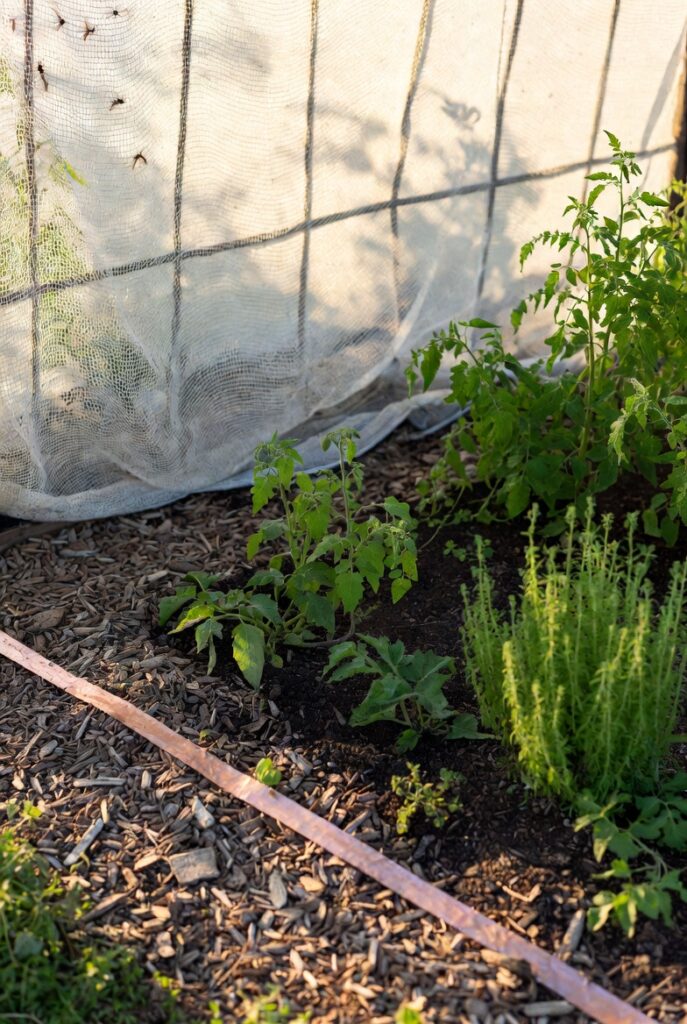
Physical barriers keep insects away without chemicals. Use row covers, nets, or collars around plants. These block pests from reaching vegetables.
- Use lightweight fabric covers to allow sunlight and air.
- Place collars around stems to stop cutworms.
- Check barriers regularly for holes or damage.
Companion Planting Benefits
Vegetable garden insect control is essential for a healthy, thriving garden. One natural and effective method is companion planting. This technique uses certain plants to help protect vegetables from harmful insects. It is a popular approach in organic insect control for vegetable gardens. Companion planting improves pest control by attracting beneficial insects or repelling pests. It helps gardeners understand how to keep insects out of garden without harmful chemicals. Learning how to keep bugs out of vegetable garden naturally can save plants and boost harvests. This method supports pest control organic vegetable garden efforts by creating a balanced ecosystem.
What Is Companion Planting?
Companion planting means growing different plants close together. Some plants help each other by improving growth or stopping pests. This method works as a natural defense system. Certain plants produce scents or chemicals that bugs dislike. Others attract insects that eat pests. Gardeners use companion plants to protect vegetables and reduce pest damage.
Plants That Repel Harmful Insects
Certain plants drive away harmful bugs from vegetable gardens. Here are some popular examples:
- Marigolds: Keep away nematodes and aphids.
- Basil: Repels flies and mosquitoes.
- Garlic: Discourages spider mites and aphids.
- Chives: Deter carrot flies and aphids.
- Mint: Confuses ants and aphids.
Plants That Attract Beneficial Insects
Some plants attract helpful insects that eat pests. These insects control pest populations naturally.
- Yarrow: Attracts ladybugs and hoverflies.
- Dill: Brings in parasitic wasps and predatory beetles.
- Fennel: Draws lacewings and parasitic wasps.
- Sunflowers: Attract pollinators and predatory insects.
Best Companion Planting Combinations For Pest Control
| Vegetable | Companion Plant | Benefit |
|---|---|---|
| Tomatoes | Basil | Repels whiteflies and improves flavor |
| Cabbage | Marigolds | Repels cabbage worms and beetles |
| Carrots | Chives | Repels carrot flies |
| Cucumbers | Dill | Attracts predatory insects that eat cucumber beetles |
| Peppers | Onions | Repels aphids and spider mites |
How Companion Planting Supports Organic Pest Control
Companion planting reduces the need for chemical sprays. It fits perfectly with pest control organic vegetable garden methods. Natural pest control keeps vegetables safe and healthy. It also protects the soil and beneficial bugs. This method helps gardeners maintain a strong, natural balance in the garden. It shows how to keep bugs out of vegetable garden naturally and effectively.
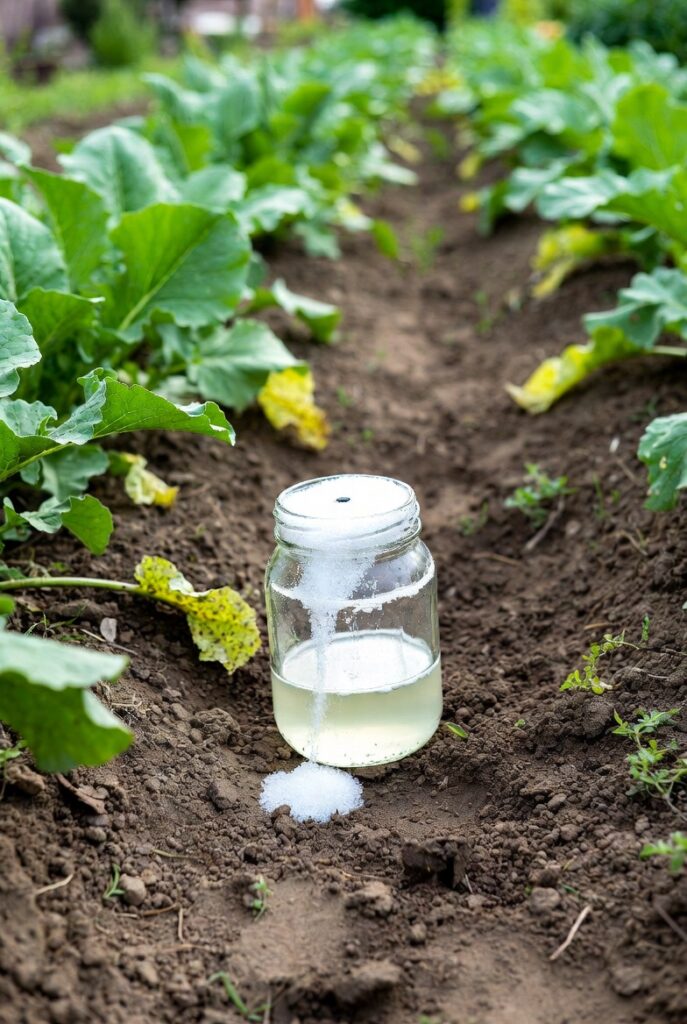
Monitoring And Maintenance
Effective vegetable garden insect control depends heavily on monitoring and maintenance. Regular checks help catch pest problems early. This prevents damage and reduces the need for harsh chemicals. Using organic insect control for vegetable gardens means staying vigilant and acting quickly. Understanding how to keep insects out of garden starts with knowing what pests are present. Learning how to keep bugs out of vegetable garden naturally involves ongoing care. Consistent pest control organic vegetable garden practices keep your plants healthy and thriving.
Regular Inspection Of Plants
Check leaves, stems, and soil every few days. Look for signs like holes, discoloration, or sticky residue. Early detection stops pests from spreading. Use a magnifying glass to spot tiny insects. Note the pest types to choose the best treatment method.
Record Keeping And Pest Identification
Keep a garden journal or use a spreadsheet. Track pest sightings, damage levels, and treatments used. This helps identify patterns and effective solutions. Here is a simple table format for recording:
| Date | Plant Affected | Pest Type | Damage Observed | Action Taken |
|---|---|---|---|---|
| June 1 | Tomato | Aphids | Yellow leaves | Sprayed neem oil |
| June 5 | Beans | Bean beetles | Holes in leaves | Handpicked beetles |
Maintaining Garden Cleanliness
Remove dead leaves and weeds regularly. These can harbor pests and diseases. Keep the soil loose and free of debris. Clean tools after use to avoid spreading insects or eggs. Proper garden hygiene supports organic insect control for vegetable gardens.
Natural Barriers And Traps
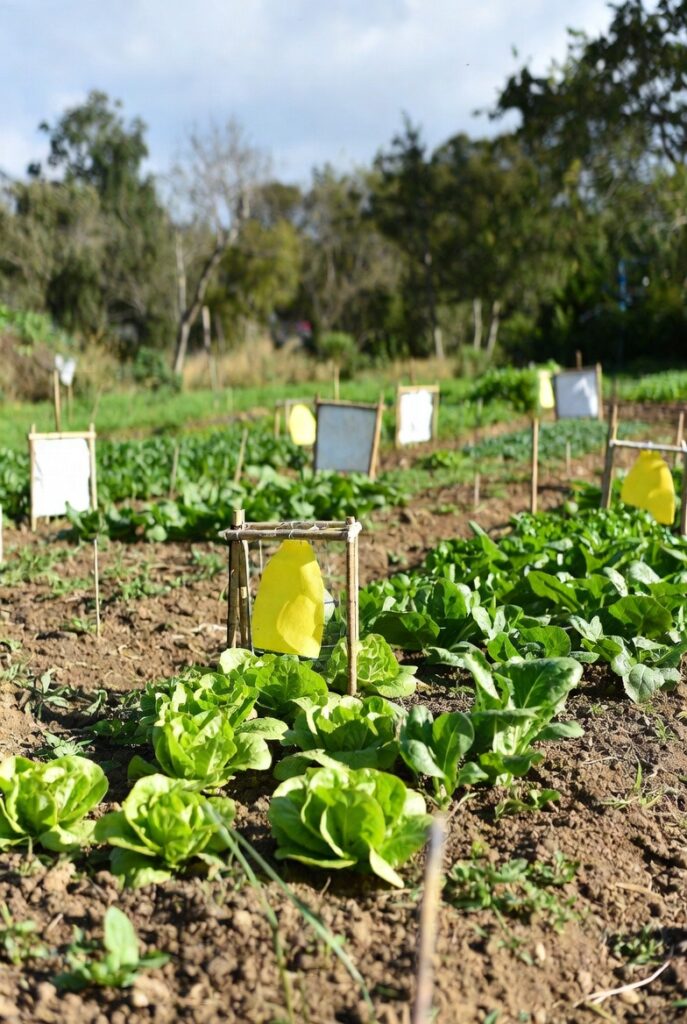
Use physical barriers like row covers or mesh to block insects. Set up traps such as yellow sticky cards near vulnerable plants. These methods reduce pest numbers without chemicals. Rotate traps and barriers to maintain effectiveness.
Watering And Plant Health
Water plants early in the day to avoid excess moisture at night. Healthy plants resist pests better. Avoid overwatering, which attracts bugs like slugs and fungus gnats. Use mulch to retain moisture and keep weeds down. Strong plants are part of how to keep bugs out of vegetable garden naturally.
Frequently Asked Questions
What Are The Best Natural Insect Controls For Vegetable Gardens?
Natural insect controls include neem oil, insecticidal soap, and diatomaceous earth. These options are safe for plants and helpful in reducing pests. They avoid harmful chemicals and protect beneficial insects.
How Can I Identify Common Vegetable Garden Pests?
Look for holes in leaves, sticky residue, or small bugs on plants. Aphids, caterpillars, and beetles are common pests. Early spotting helps prevent serious damage
Which Plants Help Repel Insects In Vegetable Gardens?
Marigolds, basil, and garlic are great at repelling insects. Planting these near vegetables can reduce pest problems. They act as natural insect deterrents.
How Often Should I Apply Insect Control Treatments?
Apply treatments every 7 to 14 days or after rain. Regular checks ensure pests stay under control. Follow product instructions for best timing.
Can Beneficial Insects Help Control Garden Pests?
Yes, ladybugs, lacewings, and praying mantises eat harmful insects. Encouraging these bugs helps keep pest numbers low. They provide natural pest control.
What Signs Show My Vegetable Plants Are Stressed By Insects?
Wilting leaves, yellow spots, or stunted growth often indicate insect damage. Check plants closely for pests or eggs. Early action saves your harvest.
Is Crop Rotation Useful For Insect Control In Gardens?
Crop rotation breaks pest life cycles and reduces insect buildup. Changing plant families yearly confuses pests. It’s a simple, effective garden practice.
Conclusion
Controlling insects in your vegetable garden keeps plants healthy and strong. Use natural methods to protect crops without harming the environment. Regular checks help catch pests early and stop damage. Mix different plants to confuse bugs and reduce attacks. Healthy soil grows healthy plants that resist insects better.
Small actions make a big difference over time. Enjoy fresh vegetables from a garden free of pests. Keep learning and trying new ways to keep bugs away. Your garden will thank you with a great harvest. Simple care leads to better growth and fewer problems.