
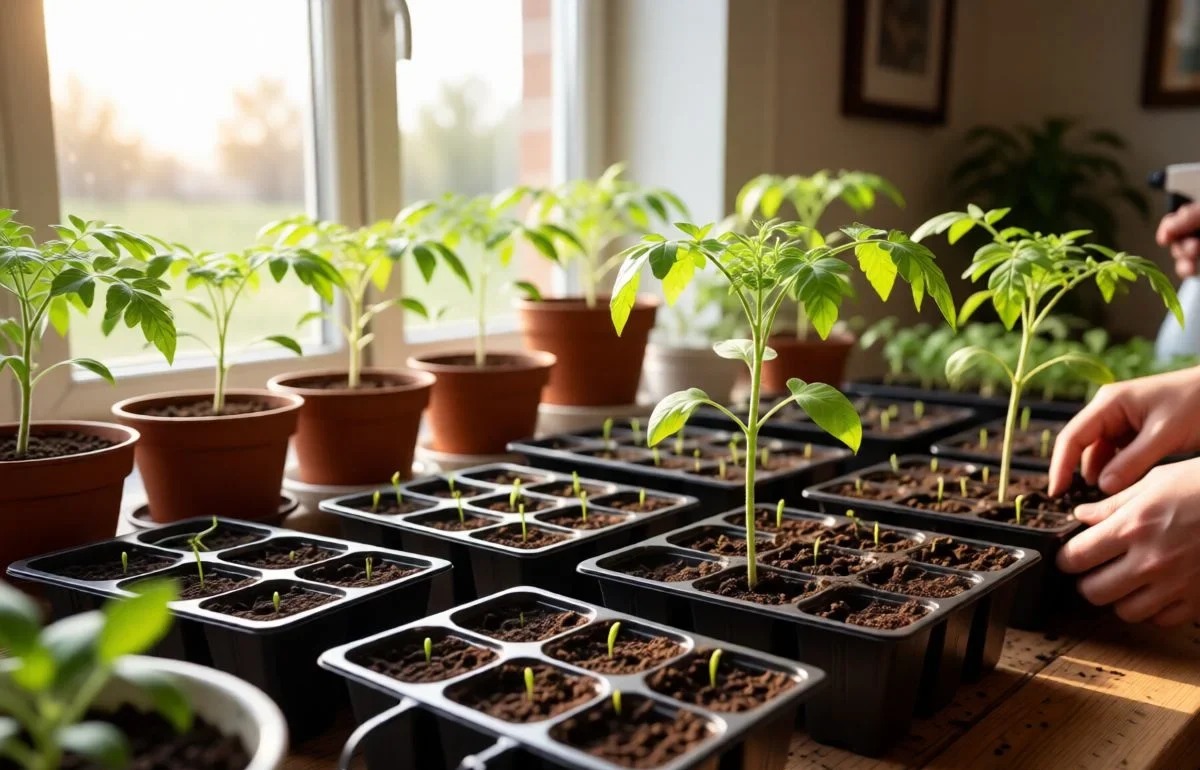

Starting onion seeds indoors can save you time and give your garden a head start. If you want fresh, homegrown onions, learning the right way to begin indoors is key.
You might wonder when to plant, what soil to use, or how to care for tiny seedlings. This guide will walk you through simple steps that anyone can follow. By the end, you’ll feel confident growing healthy onion plants ready to thrive outside.
Keep reading to unlock easy tips that will make your onion growing experience a success!
Choosing Onion Seeds
Starting onions from seed indoors is a smart way to get a jump on the growing season. Choosing the right onion seeds is the first step to success. This guide helps with picking the best seeds for your indoor garden. Knowing how to start onion seeds indoors begins with understanding seed types and your growing environment.
Types Of Onion Seeds
Onion seeds come in several types. Each type suits different climates and growing styles. Here are the main types:
- Short-day onions: Grow best in southern areas with mild winters.
- Long-day onions: Best for northern regions with long daylight hours in summer.
- Day-neutral onions: Adapt well to most areas and daylight lengths.
Choose seeds based on your local daylight hours. This helps onions bulb properly.
Open-pollinated Vs. Hybrid Seeds
Seed type affects plant growth and future seed saving.
| Seed Type | Description | Advantages | Disadvantages |
|---|---|---|---|
| Open-Pollinated | Seeds saved from parent plants, stable traits | Can save seeds, consistent results | May be less disease-resistant |
| Hybrid | Crossbred seeds for specific traits | Higher yield, disease resistance | Seeds may not produce true plants |
Seed Quality And Freshness
High-quality seeds improve germination rates. Look for fresh seeds with a recent harvest date. Seed packets usually show this information.
- Check expiration dates to avoid old seeds.
- Buy from trusted sources for better results.
- Fresh seeds germinate faster and stronger.
Choosing Seeds For Indoor Growing
Some onion varieties work better indoors. Select seeds that:
- Have a short growing time.
- Are suited for container growing.
- Are disease-resistant for indoor conditions.
This helps when learning how to start seeds indoors without grow lights. Good seed choice reduces stress on seedlings.
Table of Contents
Selecting Containers
Starting onion seeds indoors requires picking the right containers. Choosing good containers helps young plants grow strong and healthy. Containers affect water drainage, air flow, and root space. These factors matter for how to start onion seeds indoors and for other seeds like tomatoes and herbs. Even without grow lights, the right container can help seedlings survive and thrive. Knowing how early to start tomato seeds indoors or how to start herb seeds indoors also depends on container choice. This section explains how to select containers for starting seeds inside.
Selecting The Right Size
Choose containers with enough room for roots to grow. Small seed trays work for early growth but need transplanting soon. For onions, a depth of at least 2 to 3 inches is best. This gives roots space to spread. Avoid containers that are too deep or wide; they hold too much water and can cause rot.
Material Matters
- Plastic: Lightweight and cheap. Retains moisture well but may lack airflow.
- Peat pots: Biodegradable and good for transplanting. Break down in soil but dry out quickly.
- Clay pots: Heavy and porous. Help with airflow but dry out fast.
- Seed trays: Made of plastic or foam. Great for starting many seeds at once.
Pick materials based on your watering routine and transplant plan.
Drainage Is Key
Containers must have holes for water to drain. Without drainage, seeds can rot from too much water. Check your container for holes or make some using a drill or sharp tool. Place a tray underneath to catch excess water. This keeps the area clean and prevents mold.
Reusable Vs Disposable Containers
| Container Type | Pros | Cons |
|---|---|---|
| Reusable Plastic Pots | Durable, cost-effective over time, easy to clean | Can retain too much moisture, less eco-friendly |
| Biodegradable Pots | Eco-friendly, no transplant shock, breaks down in soil | Can dry out quickly, fragile |
| Seed Trays | Start many seeds at once, space-saving | Requires transplanting soon, less root space |
Cleaning And Preparing Containers
- Wash containers with warm, soapy water.
- Rinse well to remove soap residue.
- Disinfect with a mild bleach solution (1 part bleach to 9 parts water).
- Let containers dry completely before use.
Clean containers prevent diseases and pests from harming seedlings.
Preparing The Soil
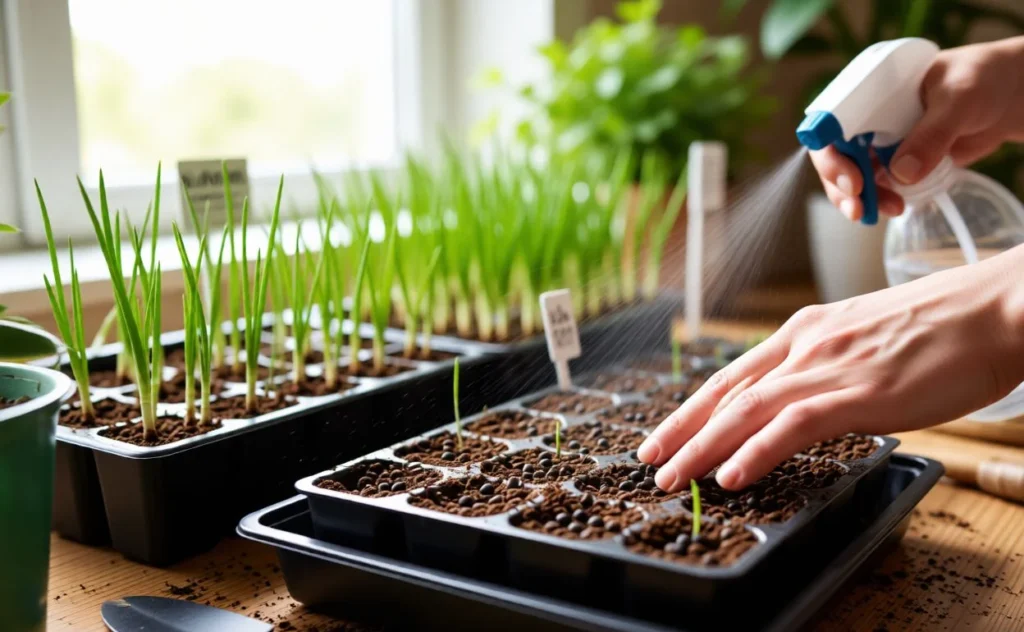
Starting onion seeds indoors requires good soil preparation to help seedlings grow strong. Preparing the soil ensures seeds get the right nutrients and moisture. This step is important for how to start onion seeds indoors successfully. The soil must be loose, rich, and well-drained for young roots to spread easily. It also helps when learning how to start seeds indoors without grow lights, as healthy soil supports growth even with less light. Knowing how early to start tomato seeds indoors shares some soil tips useful for onions and herbs. Preparing soil well is key for how to start onions from seed indoors or how to start herb seeds indoors.
Choosing The Right Soil Mix
Pick a light, fluffy soil mix to help onion seeds sprout easily. Avoid heavy garden soil that can hold too much water.
- Use seed-starting mix: It is sterile and drains well.
- Mix components: Combine peat moss, vermiculite, and perlite for good texture.
- Check pH level: Aim for slightly acidic to neutral soil (pH 6.0 to 7.0).
Preparing The Soil For Planting
Before planting, moisten the soil mix evenly. It should be damp but not soggy.
- Fill seed trays or containers with the soil mix.
- Press the soil gently to remove air pockets.
- Water the soil lightly to settle it.
- Let excess water drain out to avoid waterlogging.
Adding Nutrients And Amendments
Onion seeds need nutrients for healthy growth. Add slow-release fertilizer or organic compost.
| Amendment | Purpose | How to Use |
|---|---|---|
| Compost | Improves soil fertility | Mix 1 part compost with 3 parts seed mix |
| Slow-release fertilizer | Feeds seedlings over time | Follow package instructions for amount |
| Perlite | Increases drainage and aeration | Mix in 10-20% by volume |
Ensuring Proper Drainage
Drainage prevents root rot and keeps seedlings healthy.
- Use containers with drainage holes.
- Place a layer of gravel or small stones at the bottom if needed.
- Check that water drains quickly after watering.
Planting The Seeds
Starting onion seeds indoors is a smart way to get a head start on your garden. Knowing how to start onion seeds indoors helps you grow strong, healthy plants ready for transplant. This method also works well for learning how to start herb seeds indoors or even how to start seeds indoors without grow lights. You can control the environment and timing better. Understanding how early to start tomato seeds indoors ties into this, as early planting boosts growth. Let’s dive into the step-by-step process of how to start onions from seed indoors by focusing on planting the seeds properly.
Choosing The Right Containers
Select containers with good drainage. Seed trays, peat pots, or small plastic containers work well. Avoid deep pots because onion seeds need shallow soil to sprout.
- Use containers about 2-3 inches deep
- Ensure drainage holes are at the bottom
- Sanitize containers to prevent disease
Preparing The Soil Mix
Use a light, well-draining seed-starting mix. Avoid heavy garden soil that holds too much water.
| Component | Purpose |
|---|---|
| Peat moss or coco coir | Retains moisture without waterlogging |
| Perlite or vermiculite | Improves aeration and drainage |
| Compost (optional) | Provides nutrients for seedlings |
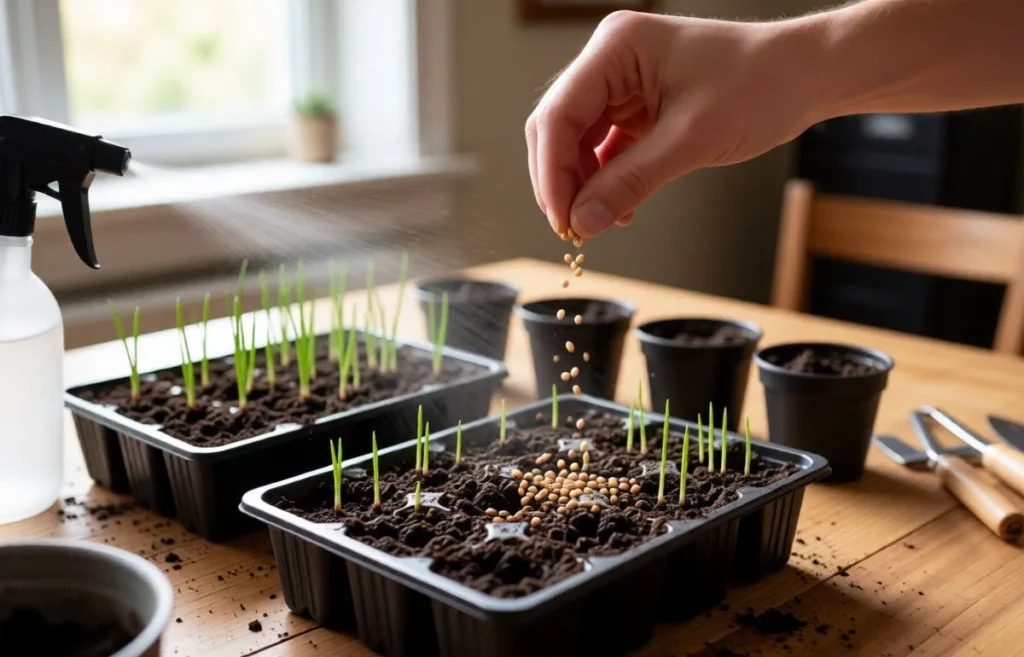
Place the seeds on the surface of the soil. Do not bury them too deep. Onion seeds need light to sprout well.
- Scatter seeds evenly over the soil
- Press seeds gently into the soil
- Cover seeds lightly with 1/4 inch of soil or vermiculite
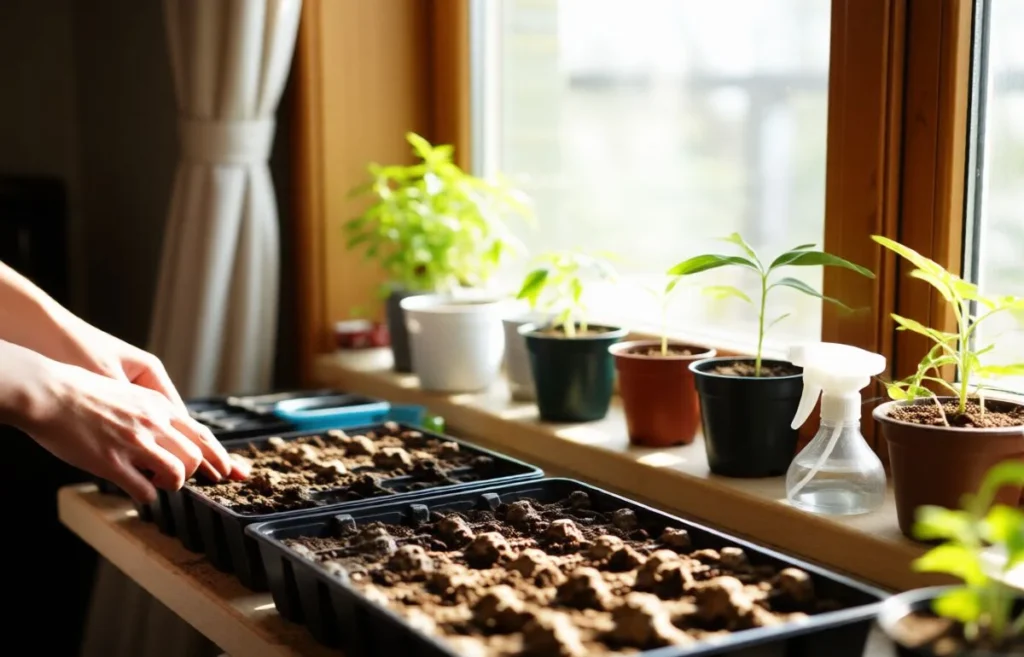
- Water gently using a spray bottle to avoid washing seeds away
Setting The Right Temperature
Keep the soil temperature around 65-75°F (18-24°C) for best germination. Use a heating mat if needed. This helps mimic natural spring warmth and speeds up sprouting.
Watering And Light Tips
- Keep soil moist but not soggy
- Water from the bottom or use a spray bottle
- Place containers near a sunny window or under fluorescent lights
- No need for grow lights if you have bright window light
Providing Proper Light
Providing proper light is essential when learning how to start onion seeds indoors. Light helps seedlings grow strong and healthy. Without enough light, onion seeds and other plants like tomatoes and herbs become weak and leggy. For those wondering how to start seeds indoors without grow lights, understanding natural light needs is key. Light quality and duration affect how early to start tomato seeds indoors and how to start onions from seed indoors successfully. Proper light sets the foundation for thriving seedlings.
Amount Of Light Needed For Onion Seedlings
Onion seeds need about 12 to 16 hours of light daily. This long period mimics spring and summer daylight. Without enough light, seedlings stretch thin and fall over.
- Use a south-facing window for natural light
- Supplement with grow lights if natural light is weak
- Rotate seedlings daily for even light exposure
Choosing The Right Grow Light
Grow lights help when natural light is not enough. For how to start herb seeds indoors or onions, LED or fluorescent lights work well.
| Type | Pros | Cons |
|---|---|---|
| LED Lights | Energy efficient, long-lasting | Higher initial cost |
| Fluorescent Lights | Affordable, good light spectrum | Shorter lifespan |
Positioning Lights For Best Results
- Place lights 2 to 4 inches above seedlings
- Adjust height as plants grow
- Keep lights on for 12-16 hours daily
- Use a timer for consistent light cycles
Signs Of Too Little Or Too Much Light
Watch seedlings for these signs:
- Too little light: Tall, thin, and pale leaves
- Too much light: Leaf burn or dry edges
Adjust light amount or distance to keep seedlings healthy and strong.
Watering And Temperature
Starting onion seeds indoors requires careful attention to watering and temperature. Both factors play a key role in seed germination and healthy seedling growth. Whether you are learning how to start onion seeds indoors or exploring how to start seeds indoors without grow lights, managing these conditions will improve your success. This advice also applies to other seedlings like tomatoes and herbs, helping you understand how early to start tomato seeds indoors and how to start herb seeds indoors.
Watering Tips For Onion Seeds
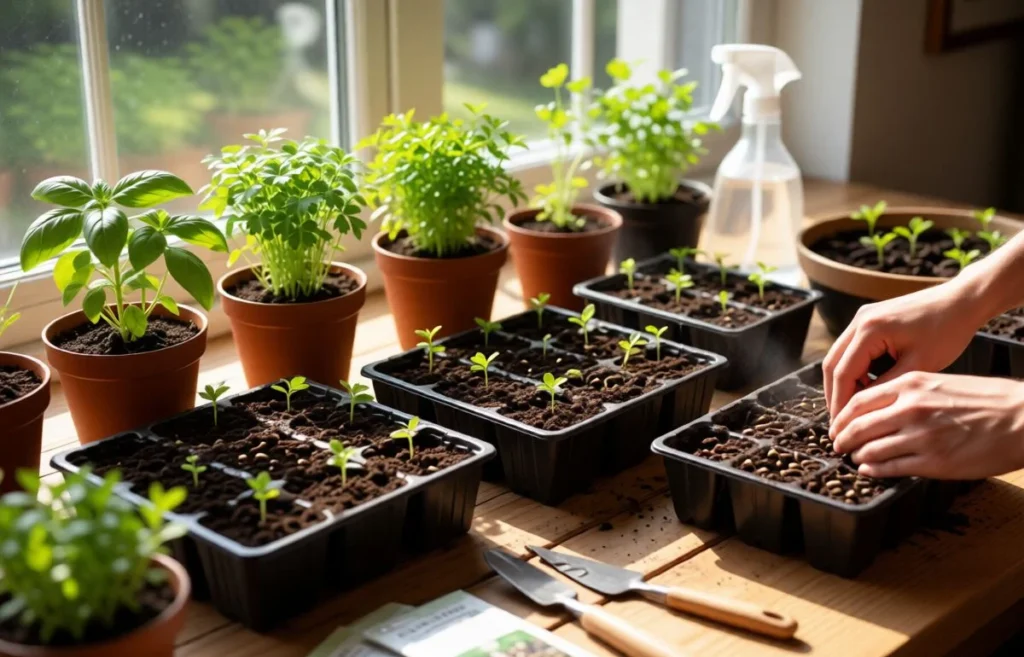
Watering onion seeds correctly is crucial. Keep the soil consistently moist but not soggy. Overwatering can cause seeds to rot, while underwatering delays germination.
- Use a spray bottle to mist the soil gently.
- Check soil moisture daily by touching the surface.
- Water lightly when the top inch feels dry.
Good drainage in your seed tray or container prevents water buildup. Avoid letting water sit at the bottom, which can damage seeds.
Ideal Temperature For Germination
Onion seeds germinate best in warm temperatures. The ideal range is between 65°F and 75°F (18°C to 24°C). Temperatures outside this range slow growth or stop germination.
| Stage | Temperature Range | Effect |
|---|---|---|
| Germination | 65°F – 75°F | Fast and healthy sprouting |
| Below 60°F | Below 60°F | Slow or no germination |
| Above 80°F | Above 80°F | Seeds may dry out or die |
Keep your seeds in a warm place, like on top of a refrigerator or a heat mat. Maintaining warmth helps seedling roots develop well.
Combining Water And Temperature For Best Results
Balance watering and temperature for the best start. Warm soil encourages water uptake by seeds. Moisture helps soften seed coats and trigger growth.
- Set the container in a warm spot (65°F to 75°F).
- Water soil lightly but regularly to keep it damp.
- Avoid drying out or overwatering the soil.
This simple care routine supports strong seedlings. It works for onion seeds and also helps with how to start onions from seed indoors or how to start herb seeds indoors.
Transplanting Seedlings
Transplanting seedlings is a key step after learning how to start onion seeds indoors. This process moves your young plants from small seed trays to larger pots or the garden. It helps onions grow stronger and prepares them for outdoor conditions. Knowing when and how to transplant onion seedlings is crucial for success. This stage also applies to gardeners learning how to start seeds indoors without grow lights or how early to start tomato seeds indoors. The same care helps with how to start onions from seed indoors and even how to start herb seeds indoors.
When To Transplant Onion Seedlings
Onion seedlings need transplanting when they have at least two sets of true leaves. True leaves are the second set of leaves that look like onion blades.
- Check seedling size: Seedlings should be 3 to 4 inches tall.
- Root system: Roots should fill the seed tray cell but not be crowded.
- Timing: Usually 6 to 8 weeks after planting seeds indoors.
How To Transplant Onion Seedlings
- Prepare larger pots or garden beds with loose, well-draining soil.
- Water seedlings a few hours before transplanting to reduce stress.
- Handle seedlings gently by the leaves, not the stems.
- Dig a hole large enough for the roots without bending them.
- Place the seedling in the hole and cover roots with soil.
- Press soil gently around the base of the seedling to remove air pockets.
- Water the seedlings immediately after transplanting.
Tips For Successful Transplanting
| Tip | Reason |
|---|---|
| Harden off seedlings | Expose seedlings to outdoor conditions gradually over 7 days |
| Choose a cloudy day or transplant in the evening | Reduces heat stress on young plants |
| Space seedlings 4 inches apart | Gives each plant room to grow strong bulbs |
| Use fertilizer after transplanting | Supports healthy growth and root development |
Frequently Asked Questions
How Long Does It Take For Onion Seeds To Sprout Indoors?
Onion seeds usually sprout in 7 to 14 days indoors. Keep the soil moist and warm for best results.
What Soil Type Is Best For Starting Onion Seeds?
Light, well-draining soil with good nutrients works best. Avoid heavy or clay soils to prevent waterlogging.
How Deep Should Onion Seeds Be Planted Indoors?
Plant onion seeds about 1/4 inch deep in the soil. Too deep planting can delay germination.
How Much Light Do Onion Seedlings Need Inside?
Onion seedlings need 12 to 16 hours of bright light daily. A sunny window or grow light helps.
When Should I Start Onion Seeds Indoors For Spring Planting?
Start seeds 8 to 10 weeks before the last frost date. This timing ensures strong seedlings for transplanting.
How Often Should I Water Onion Seeds Indoors?
Water onion seeds gently to keep soil moist but not soggy. Check daily to avoid drying out.
Can I Transplant Onion Seedlings Directly From Indoors To Garden?
Transplant seedlings when they have 3-4 leaves and are about 4 inches tall. Harden them off outdoors for a week first.
Conclusion
Starting onion seeds indoors gives you a head start on planting season. It helps young plants grow strong before moving outside. Keep soil moist and light nearby for best results. Watch for sprouts and thin crowded seedlings carefully. Patience matters—onions take time to grow well.
Growing your own onions can be simple and rewarding. Just follow these easy steps, and enjoy fresh onions from your garden. Give it a try and see how your onions thrive indoors.