
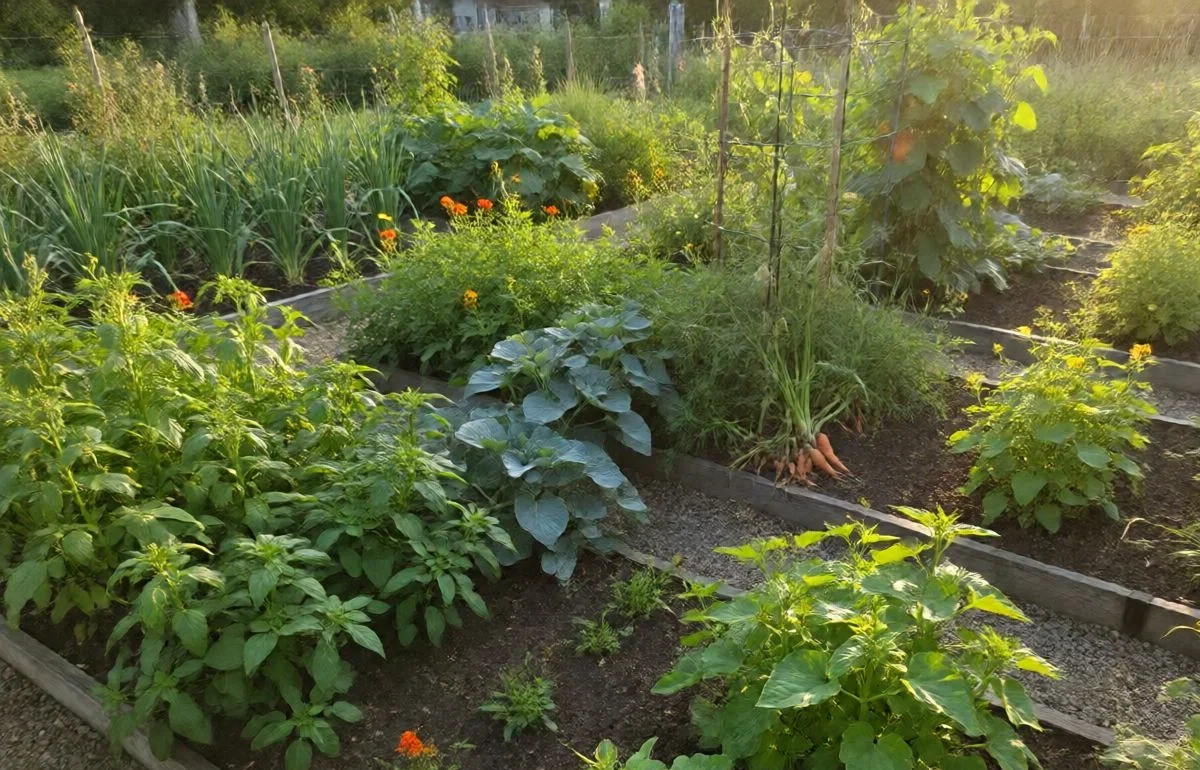

Are you looking to get the most out of your garden? A companion planting chart could be your secret weapon.
By knowing which plants grow well together, you can boost your garden’s health, keep pests away, and even improve the flavor of your fruits and veggies. You’ll discover how to use a companion planting chart to make smarter choices and create a thriving garden with less effort.
Ready to unlock the full potential of your garden? Keep reading!
Benefits Of Companion Planting
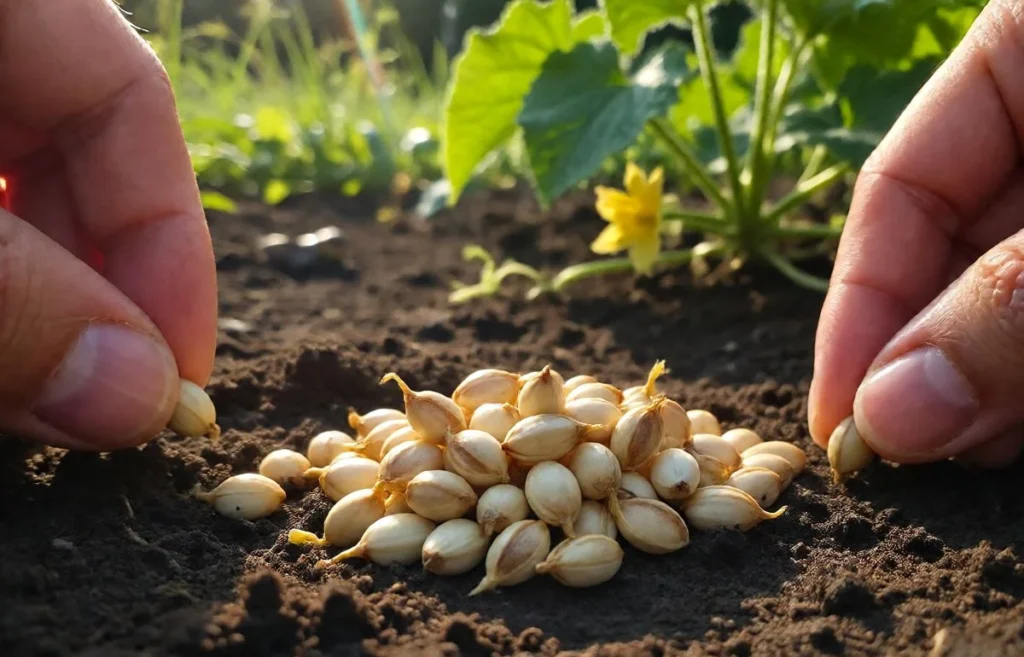
Using a companion planting chart helps gardeners grow better plants together. This method shows which plants work well side by side. It improves growth and protects plants naturally. Companion plants for tomatoes, for example, can keep pests away and boost tomato health. Many gardeners also use epsom salt for plants to enhance this effect. Growing microgreen seeds with other crops can increase space and yield. Pairing cucumber seeds with certain plants can reduce diseases and improve taste.
Improved Pest Control
Certain plants repel harmful insects. Using a companion planting chart helps identify these beneficial pairs. For example, planting basil near tomatoes keeps bugs away. This natural pest control reduces the need for chemicals. It creates a healthier garden and better harvests.
Better Soil Health
Some plants add nutrients to the soil. Legumes, like beans, fix nitrogen, enriching the earth. Companion planting mixes these with nutrient-hungry crops. Epsom salt for plants also supports strong root growth. This balance leads to richer soil and healthier plants.
Table of Contents
Increased Crop Yield
Plants grown together support each other’s growth. Companion plants for tomatoes can make tomatoes bigger and juicier. Microgreen seeds grow quickly and fill gaps, maximizing space. This method helps gardeners get more food from the same area.
Natural Weed Suppression
Some companion plants cover the ground well. They block sunlight from reaching weeds. This reduces weed growth and keeps gardens tidy. It also cuts down on the work needed to pull weeds.
Enhanced Flavor And Quality
Plants can affect each other’s taste and health. Tomatoes grown with basil often taste better. Cucumbers planted near certain herbs may have a crisper texture. Using companion planting can improve the quality of your harvest naturally.
Efficient Use Of Space
Companion planting allows different plants to share space. For instance, cucumber seeds can be planted under taller crops. This layering uses vertical space well. It helps gardeners grow more in small areas.
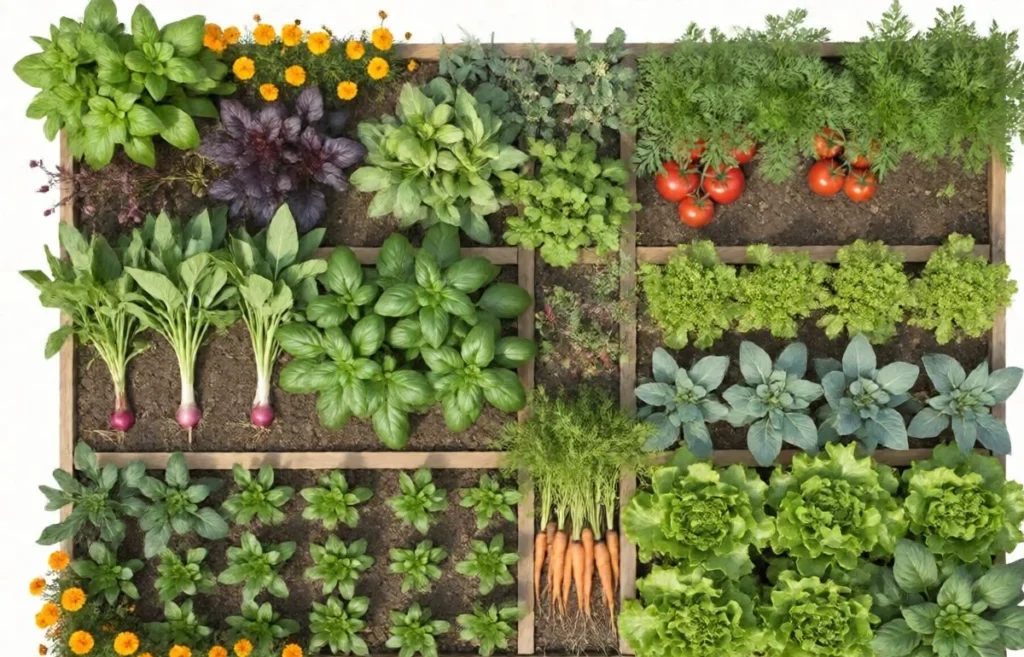
Common Plant Pairings
Using a companion planting chart helps gardeners grow healthy plants by pairing them well. Certain plants grow better together. They can protect each other from pests or help improve soil nutrients. Knowing common plant pairings makes gardening easier and more successful.
Tomatoes And Basil
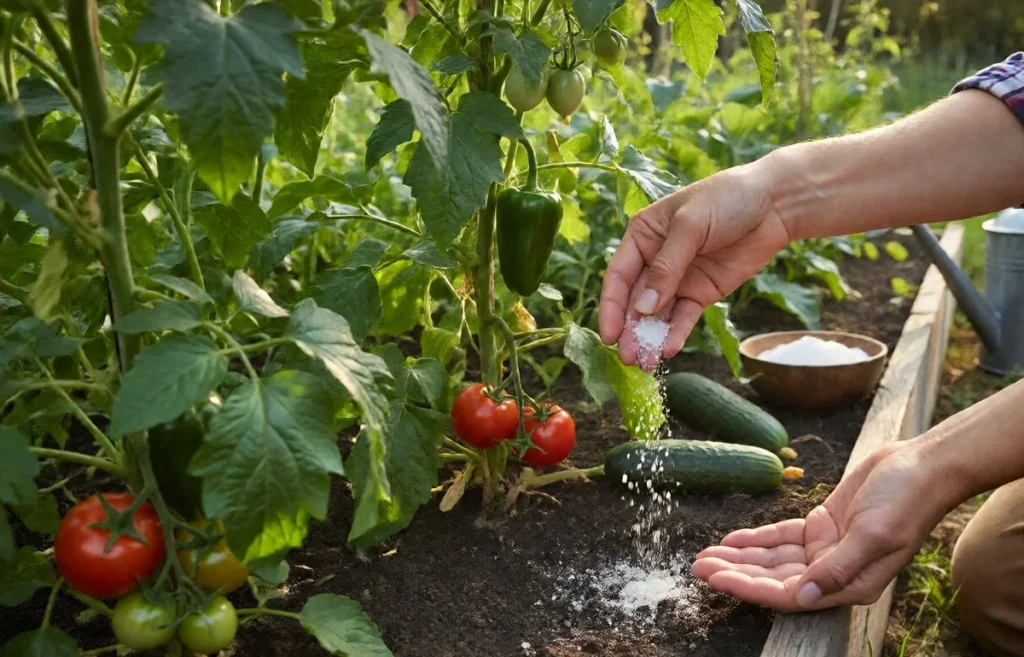
Companion plants for tomatoes like basil work well. Basil can improve tomato flavor and keep bugs away. Planting these two together helps both grow strong and healthy. Epsom salt for plants, added carefully, can also boost tomato growth by providing magnesium.
Cucumbers And Beans
Cucumber seeds grow well near beans. Beans fix nitrogen in the soil, which helps cucumbers grow faster. This pairing uses space well and supports healthy plants. Beans also help shade cucumber roots, keeping soil moist.
Carrots And Onions
Carrots and onions make a good team. Onions keep carrot flies away. Carrots, in turn, help loosen soil for onions. Planting these together reduces pests and improves the harvest.
Microgreens And Radishes
Growing microgreen seeds with radishes works well. Radishes grow fast and help break up soil for microgreens. Both plants mature quickly, giving fresh greens in a short time.
| Plant 1 | Plant 2 | Benefit |
|---|---|---|
| Tomatoes | Basil | Improves flavor, deters pests |
| Cucumbers | Beans | Adds nitrogen, shades roots |
| Carrots | Onions | Repels pests, loosens soil |
| Microgreens | Radishes | Quick growth, soil improvement |
Plants To Avoid Together
Understanding a companion planting chart helps gardeners place plants in the right spots. Some plants grow well together, while others do not. Knowing plants to avoid together prevents poor growth and pest problems. This advice saves time and effort, especially when using companion plants for tomatoes or growing microgreens from microgreen seeds. Even common seeds like cucumber seeds need careful pairing. Using tricks like epsom salt for plants works best when plants are matched properly.
Tomatoes And Potatoes
Tomatoes and potatoes look similar but do not grow well side by side. They share the same pests and diseases. This pairing can cause harmful bugs to spread quickly. Keep these plants apart to protect your garden.
Beans And Onions
Beans fix nitrogen in the soil, which helps many plants. Onions, however, give off strong smells that can harm beans. These scents may stop bean plants from growing well. Avoid planting beans near onions.
Cucumbers And Aromatic Herbs
Some herbs like sage and rosemary smell strong and repel insects. But these scents can confuse cucumber plants. Planting cucumbers near these herbs may slow their growth. Keep cucumbers away from strong-smelling herbs.
Carrots And Dill
Dill attracts pests that eat carrots. It also competes for nutrients in the soil. Planting carrots near dill can reduce carrot size and health. It is better to separate these two plants.
Leafy Greens And Fennel
Fennel releases chemicals that stop leafy greens from growing. This effect can kill or weaken plants like lettuce and spinach. Avoid planting fennel near any leafy greens.
Summary Table: Common Plant Pairings To Avoid
| Plant 1 | Plant 2 | Reason to Avoid Together |
|---|---|---|
| Tomatoes | Potatoes | Shared pests and diseases |
| Beans | Onions | Onion smell harms beans |
| Cucumbers | Sage, Rosemary (Aromatic Herbs) | Strong scents confuse cucumbers |
| Carrots | Dill | Dill attracts carrot pests |
| Leafy Greens | Fennel | Fennel chemicals stop growth |
Herbs That Boost Growth
Companion planting charts help gardeners choose the best plants to grow together. Some herbs can boost the growth of nearby plants. Using the right companion plants for tomatoes, cucumbers, and other vegetables improves health and yield. Herbs also protect plants from pests and attract helpful insects. Adding epsom salt for plants can support growth, but pairing herbs correctly makes a bigger difference. Growing microgreen seeds near herbs can also benefit the garden’s overall health.
Basil: The Tomato’s Best Friend
Basil is a top companion plant for tomatoes. It helps improve the flavor and growth of tomato plants. Basil repels pests like aphids, whiteflies, and mosquitoes. Planting basil near tomatoes can reduce the need for chemicals.
Chives: Protecting Plants Naturally
Chives produce a strong smell that keeps pests away. They work well near cucumber seeds and other vegetables. Chives attract pollinators and beneficial insects, which help plants grow better. They also improve soil health by adding nutrients.
Parsley: A Growth Booster
Parsley supports plant health by attracting helpful insects like ladybugs and hoverflies. These insects eat harmful pests, protecting your plants. Parsley pairs well with many vegetables, making it a versatile choice in a companion planting chart.
Dill: Encouraging Healthy Roots
Dill helps improve soil quality and attracts pollinators. It grows well near tomato plants and cucumber seeds. Dill’s presence can increase the yield of vegetables by encouraging healthy root systems and better nutrient uptake.
| Herb | Benefits | Best Companion Plants |
|---|---|---|
| Basil | Repels pests, improves tomato flavor and growth | Tomatoes, Peppers |
| Chives | Keeps pests away, attracts pollinators, enriches soil | Cucumbers, Carrots |
| Parsley | Attracts beneficial insects, protects plants | Tomatoes, Peppers, Onions |
| Dill | Improves soil, attracts pollinators, boosts root health | Tomatoes, Cucumbers |
Vegetable Combinations For Pest Control
Using a companion planting chart helps gardeners find the best vegetable combinations for pest control. Some plants protect others by keeping pests away. This natural method reduces the need for chemicals. It also helps plants grow strong and healthy.
Tomatoes and Basil: A Classic Combo
Companion plants for tomatoes include basil. Basil repels flies and mosquitoes that harm tomatoes. Plant basil close to tomato plants to keep pests away. This combo improves tomato flavor too.
Carrots and Onions: Working Together
Carrots and onions make a good pair. Onion smell hides carrots from carrot flies. Carrots also help break up soil near onions. This helps onions grow better and stay pest-free.
Cucumbers and Nasturtiums: Natural Pest Shield
Cucumbers attract pests like aphids and beetles. Plant nasturtiums near cucumber seeds to lure pests away. Nasturtiums act as a trap crop, protecting cucumbers naturally.
Using Epsom Salt for Plants in Pest Control
Epsom salt for plants supports healthy leaf growth. Healthy leaves resist pests better. Sprinkle epsom salt near plants that attract pests to boost their strength. This simple trick aids pest control.
Microgreen Seeds and Herbs: Small but Mighty
Microgreen seeds grow fast and can protect other plants. Some herbs grown from microgreen seeds repel pests. Plant them near vegetables to create a pest barrier. This saves space and fights bugs.
| Vegetable | Companion Plant | Pest Controlled | Benefit |
|---|---|---|---|
| Tomatoes | Basil | Tomato hornworms, flies | Repels pests, improves flavor |
| Carrots | Onions | Carrot flies | Protects roots, improves growth |
| Cucumbers | Nasturtiums | Aphids, beetles | Attracts pests away |
| Various | Microgreen herbs | General pests | Creates pest barrier |
Flower Partners For Pollination
Using a companion planting chart helps gardeners choose the best plants to grow together. It shows which plants support each other’s growth and health. One key group is flower partners for pollination. These flowers attract bees and other pollinators, helping fruits and vegetables develop better.
Adding flowers near your vegetables can boost harvests. For example, planting marigolds or nasturtiums near tomatoes improves pollination. This makes companion plants for tomatoes more productive. Flowers also bring beneficial insects that protect plants naturally.
Best Flowers To Attract Pollinators
Choose flowers that bring in bees, butterflies, and other pollinators. These flowers help plants like tomatoes, cucumbers, and peppers produce more fruit.
- Marigolds: Attract bees and repel pests.
- Lavender: Draws many pollinators with its scent.
- Sunflowers: Provide pollen and shelter for pollinators.
- Cosmos: Easy to grow and loved by bees.
- Borage: Supports bee populations and improves soil.
How Flower Partners Improve Pollination
Flowers provide nectar and pollen. These attract pollinators that visit vegetable plants. Pollinators move pollen from flower to flower. This process helps plants make fruits and seeds.
Planting flowers close to crops such as cucumbers and tomatoes ensures pollinators stay near. This increases the chance of successful pollination and a better harvest.
Adding diverse flowering plants with different blooming times keeps pollinators active throughout the season. This continuous attraction supports consistent pollination, leading to healthier plants, improved yields, and better-quality fruits and vegetables.
Companion Planting Chart For Flowers And Vegetables
| Flower | Best Companion Vegetable | Benefit |
|---|---|---|
| Marigold | Tomatoes, Cucumbers | Repels pests, attracts pollinators |
| Lavender | Peppers, Tomatoes | Attracts bees, improves pollination |
| Sunflower | Cucumber, Squash | Provides shelter, attracts pollinators |
| Cosmos | Tomatoes, Peppers | Attracts beneficial insects |
| Borage | Tomatoes, Strawberries | Improves soil, attracts bees |
Tips For Using Flower Partners
- Plant flowers near vegetable beds but not overcrowded.
- Use epsom salt for plants to help flowers and vegetables grow strong.
- Start with easy seeds like microgreen seeds and cucumber seeds for quick growth.
- Maintain soil moisture and provide sunlight for both flowers and vegetables.
Seasonal Companion Planting Tips
Using a companion planting chart helps gardeners plan the best plant combinations for each season. It guides which plants grow well together and improve each other’s health. Seasonal companion planting tips focus on pairing plants that thrive in the same weather and soil conditions. This approach reduces pests, improves soil, and boosts harvests.
Spring Companion Plants For Early Growth
Spring favors cool-weather plants and early starters. Use companion plants for tomatoes like basil and marigold in your garden. These companions protect tomatoes from pests and improve their flavor.
- Plant peas and lettuce together for nitrogen and space sharing.
- Sow microgreen seeds alongside slow-growing crops for an early harvest.
- Use epsom salt for plants like peppers and tomatoes to boost magnesium and growth.
Summer Companion Planting For Hot Weather
Summer demands heat-loving plants and water-wise care. Pair cucumber seeds with corn or beans to create natural shade and support. These companions help each other survive hot conditions.
- Plant sunflowers near cucumbers to provide partial shade.
- Use herbs such as dill and cilantro to attract beneficial insects.
- Apply epsom salt for plants to tomatoes and peppers for stronger stems.
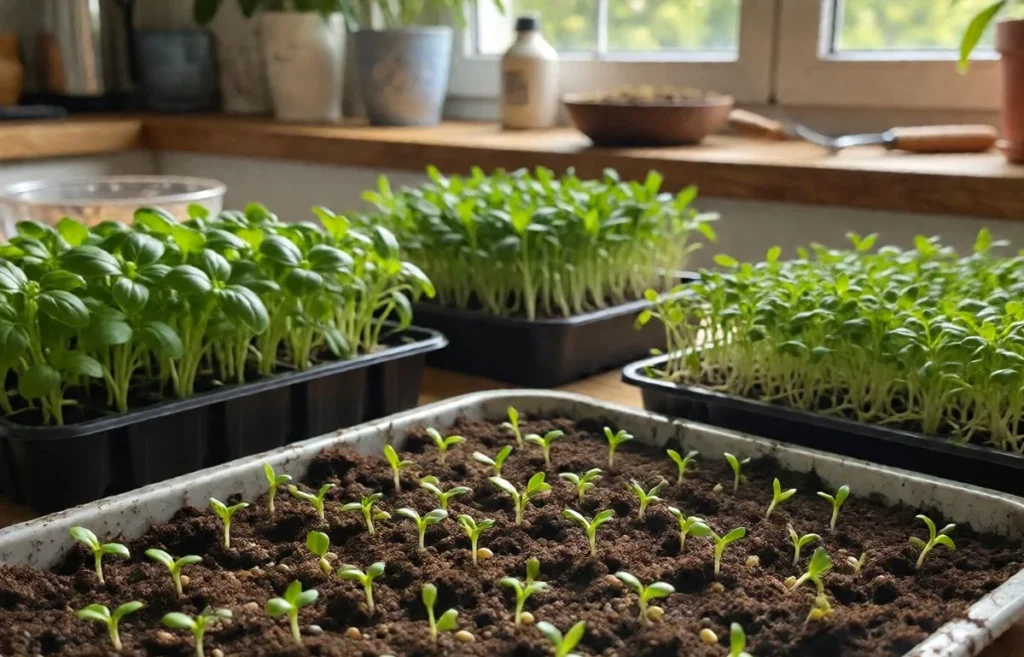
Fall Companion Planting To Prepare For Winter
Fall crops include hearty greens and root vegetables. Use a companion planting chart to find partners that improve soil health. For example, plant garlic near carrots to keep pests away.
- Sow cover crops like clover to enrich soil for the next season.
- Harvest remaining microgreen seeds for fresh greens before frost.
- Mix leafy greens with herbs to protect against cold winds.
Frequently Asked Questions
What Is A Companion Planting Chart?
A companion planting chart shows which plants grow well together. It helps gardeners plan their garden for better growth and pest control.
How Does Companion Planting Benefit My Garden?
Companion planting improves plant health and reduces pests naturally. It also helps plants grow stronger by sharing nutrients.
Which Plants Should I Avoid Planting Together?
Some plants compete for nutrients or attract pests to each other. For example, onions and beans do not grow well side by side.
Can Companion Planting Increase Vegetable Yield?
Yes, companion planting can increase vegetable yield by improving soil and reducing pests. Plants support each other for better growth.
How Do I Use A Companion Planting Chart?
Look up your plants on the chart to find good neighbors. Plant those species close to each other for best results.
Are Companion Planting Charts Useful For Small Gardens?
Yes, they help you use space wisely and grow healthy plants. Even small gardens can benefit from smart plant pairings.
Does Companion Planting Reduce The Need For Chemical Pesticides?
Companion planting can lower pest problems naturally. It encourages beneficial insects and repels harmful bugs without chemicals.
Conclusion
Companion planting helps your garden grow healthy and strong. Plants support each other by sharing nutrients and keeping pests away. Use the chart to find the best plant friends for your garden. Simple pairs can improve growth and reduce bugs naturally.
Try different combinations to see what works best for you. Happy gardening means a better harvest and less work. Start small, watch closely, and enjoy your thriving plants. Gardening becomes easier and more fun with the right plant partners.