
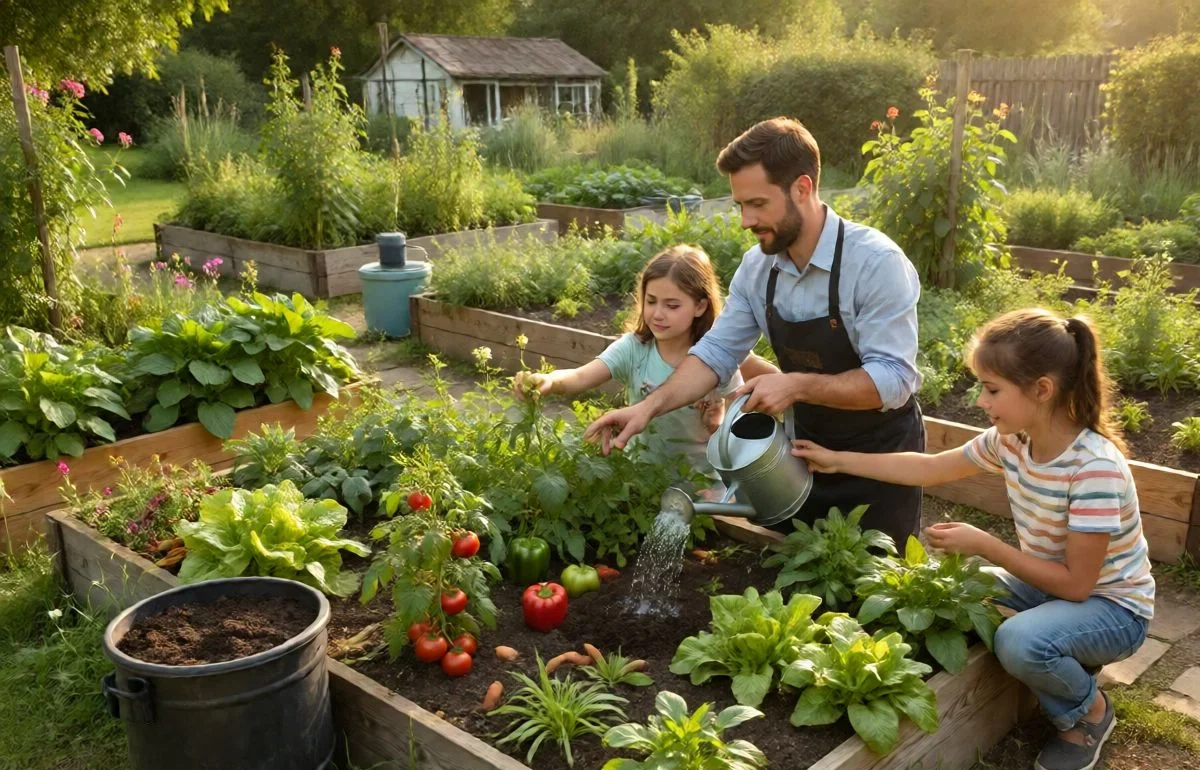

Are you looking to grow healthier plants and enjoy fresher, tastier food right from your own garden or farm? Organic gardening and farming could be the key to unlocking that.
By using natural methods, you can improve your soil, protect your plants, and avoid harmful chemicals. Imagine harvesting vibrant vegetables and fruits that are better for you and the environment. You’ll discover simple, effective ways to start or improve your organic garden or farm.
Keep reading to learn how you can make a real difference in your garden’s health—and your own.
Benefits Of Organic Gardening
Organic gardening and farming offer many benefits for the environment, health, and home gardeners. Using organic gardening methods helps maintain soil health and supports biodiversity. Following organic gardening advice can lead to a thriving organic vegetable garden full of fresh, healthy produce. Planting organic vegetables reduces exposure to harmful chemicals and promotes sustainable practices.
Environmental Benefits Of Organic Gardening
Organic gardening helps protect the environment by avoiding synthetic pesticides and fertilizers. This practice keeps the soil rich and alive with natural nutrients. It also reduces water pollution and supports wildlife like bees and earthworms.
- Improves soil structure and fertility
- Reduces harmful chemical runoff
- Supports pollinators and beneficial insects
- Enhances biodiversity in the garden
Health Benefits Of Planting Organic Vegetables
Organic vegetables grown without chemicals are safer and healthier to eat. They often contain more vitamins and antioxidants than conventionally grown produce. Eating organic vegetables lowers the risk of pesticide exposure and related health issues.
| Benefit | Details |
|---|---|
| Reduced Chemical Exposure | No synthetic pesticides or herbicides used |
| Higher Nutrient Content | More vitamins and antioxidants present |
| Better Taste | Fresher and more flavorful produce |
Cost And Sustainability Advantages
Organic gardening methods can save money over time. Using compost and natural fertilizers reduces the need for costly chemicals. Organic gardening advice often emphasizes resource recycling, which lowers waste and supports long-term garden health.
- Lower input costs with home-made compost
- Less need to buy chemical fertilizers
- Encourages sustainable practices for future growth
Table of Contents
Soil Health And Management
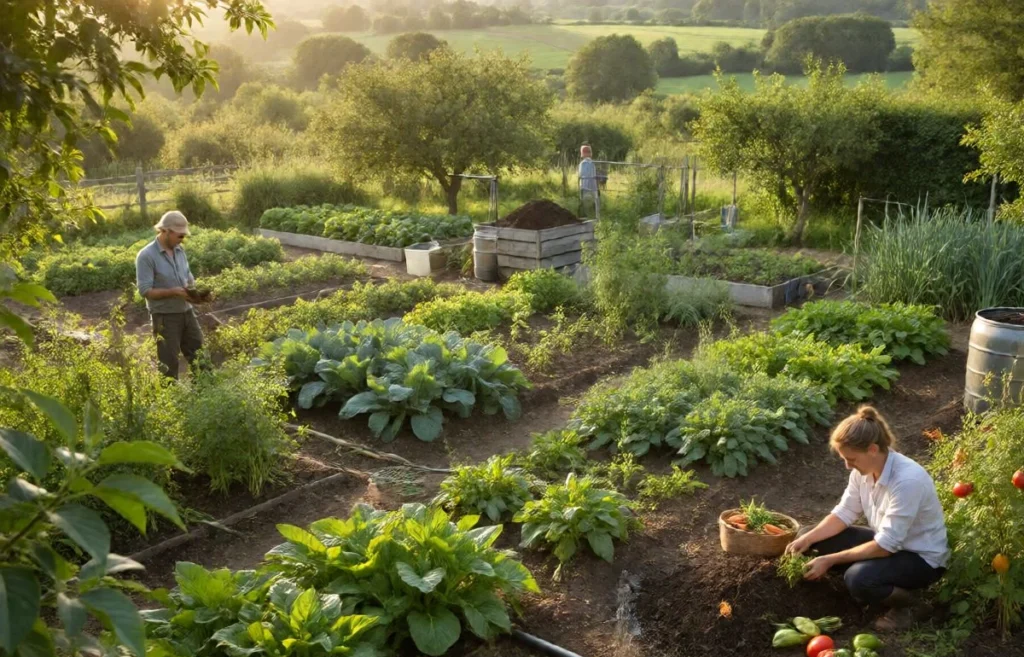
Soil health and management play a crucial role in organic gardening and farming. Good soil supports strong plants and helps grow healthy food. Using proper organic gardening methods improves soil structure and nutrient content. This ensures plants receive natural nourishment without chemicals. Understanding soil helps anyone planting organic vegetables create a thriving organic vegetable garden. Following the right organic gardening advice about soil can lead to better harvests and sustainable growth.
Understanding Soil Composition
Soil is made of minerals, organic matter, water, and air. Each part has a specific role:
- Minerals: Provide essential nutrients for plants.
- Organic Matter: Adds nutrients and improves soil texture.
- Water: Carries nutrients to plants.
- Air: Helps roots breathe and grow.
Knowing this helps in choosing the right practices for healthy soil.
Building Soil Fertility Naturally
Organic gardening methods focus on enriching soil without chemicals. Here are key steps:
- Composting: Adds rich organic matter and microbes.
- Crop Rotation: Prevents nutrient depletion and pest buildup.
- Cover Crops: Protect soil and fix nitrogen.
- Mulching: Retains moisture and reduces weeds.
These steps create a fertile base for planting organic vegetables.
Maintaining Soil Health Over Time
Soil needs care to stay healthy. Follow these tips:
- Test soil regularly to check pH and nutrients.
- Avoid over-tilling; it disrupts soil life.
- Use natural fertilizers like manure or bone meal.
- Keep soil covered to prevent erosion.
Consistent care supports a strong organic vegetable garden year after year.
Natural Pest Control Methods
Organic gardening and farming focus on growing plants without synthetic chemicals. One key part is natural pest control methods. These methods protect plants by using nature’s own ways to keep bugs away. They help maintain a healthy organic vegetable garden and support the soil’s natural balance. Following organic gardening advice can lead to stronger plants and a safer environment.
Using Beneficial Insects
Some insects eat harmful pests. Ladybugs, lacewings, and parasitic wasps are examples. They help control aphids, caterpillars, and other common garden bugs. Planting flowers like marigolds and dill attracts these helpful insects. This is a popular organic gardening method because it works naturally and safely.
Companion Planting
Companion planting means growing certain plants close to each other. Some plants repel pests or attract beneficial insects. For example:
- Basil repels mosquitoes and flies.
- Garlic keeps away aphids and beetles.
- Marigolds deter nematodes and whiteflies.
This method helps protect your organic vegetable garden without chemicals.
Natural Sprays And Repellents
Natural sprays made from plants can stop pests. Common sprays include:
| Spray Type | Main Ingredient | Pests Controlled |
|---|---|---|
| Neem Oil | Neem tree seeds | Aphids, mites, whiteflies |
| Garlic Spray | Crushed garlic cloves | Beetles, aphids |
| Soap Spray | Liquid soap and water | Soft-bodied insects like aphids |
These sprays are safe for plants and the environment. They support organic gardening and farming by avoiding harmful chemicals.
Choosing Organic Seeds And Plants
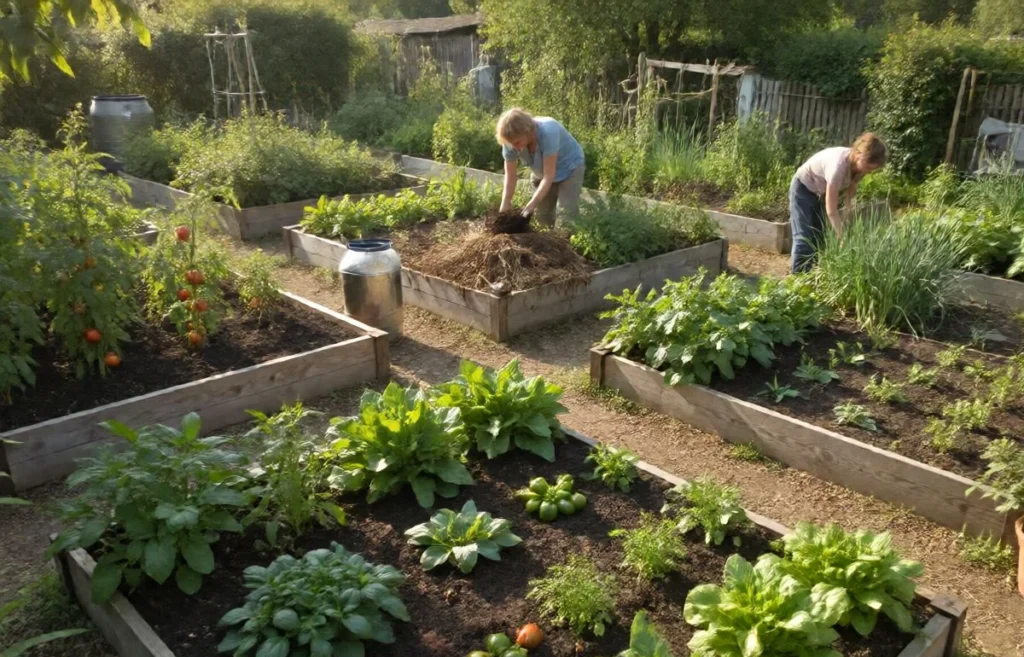
Choosing organic seeds and plants is a vital step in organic gardening and farming. Healthy seeds lead to strong plants, which help create a thriving organic vegetable garden. Using the right seeds supports organic gardening methods and avoids chemicals or genetically modified organisms (GMOs). This section offers useful organic gardening advice to pick the best seeds and plants for planting organic vegetables.
Identifying True Organic Seeds
True organic seeds come from plants grown without synthetic chemicals or pesticides. Look for seeds labeled certified organic. These seeds meet strict standards and promote healthy soil and ecosystems.
- Certified organic seed label
- Non-GMO verified
- Free from synthetic chemicals
Choosing true organic seeds ensures your garden stays chemical-free and supports sustainable farming.
Heirloom Vs Hybrid Seeds
Heirloom seeds are passed down through generations. They keep their traits and flavor. Hybrid seeds result from crossbreeding for better yield or disease resistance but may not produce true-to-type plants.
| Seed Type | Advantages | Disadvantages |
|---|---|---|
| Heirloom | Rich flavor, preserves plant history | Lower yield, less disease resistance |
| Hybrid | Higher yield, disease resistant | Seeds may not grow true |
Where To Buy Organic Seeds And Plants
Buy seeds and plants from trusted sources that follow organic gardening methods. Local nurseries, organic farms, and seed catalogs are good options.
- Local organic nurseries
- Certified organic seed catalogs
- Community seed exchanges
These sources often provide better advice for your region and promote organic gardening and farming.
Starting Plants From Seeds Vs Buying Seedlings
Starting from seeds is cost-effective and allows control over the growing process. Buying seedlings saves time but may expose plants to chemicals.
- Seeds: More variety, better control
- Seedlings: Faster start, less work
Choose based on your gardening goals and resources for planting organic vegetables.
Composting Techniques
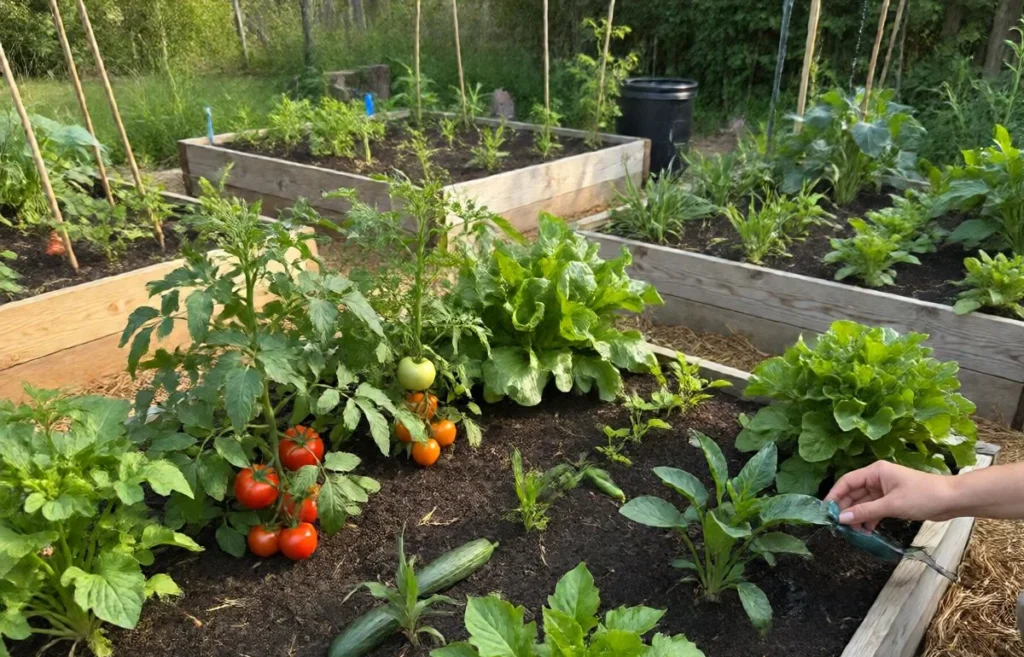
Composting techniques form a core part of organic gardening and farming. They turn kitchen scraps and garden waste into rich soil nutrients. This process supports organic gardening methods by reducing chemical use and improving soil health. Composting helps grow healthier plants in your organic vegetable garden. It also teaches valuable organic gardening advice for anyone planting organic vegetables.
What Is Composting?
Composting is a natural way to recycle organic waste. It breaks down plant material into nutrient-rich soil. This soil boosts plant growth without chemicals. Using compost keeps your garden healthy and sustainable.
Types Of Composting Methods
- Cold Composting: Slow process, takes months. Good for beginners.
- Hot Composting: Faster, needs more care. Ideal for larger gardens.
- Vermicomposting: Uses worms to break down waste. Great for small spaces.
- Trench Composting: Bury scraps in garden beds. Simple and effective.
Basic Steps For Hot Composting
- Gather green waste like vegetable scraps and grass clippings.
- Add brown materials such as dry leaves and cardboard.
- Mix the layers to balance nitrogen and carbon.
- Turn the pile every few days to add oxygen.
- Keep the pile moist but not wet.
- Wait 4 to 8 weeks for compost to form.
Materials To Include And Avoid
| Include (Green) | Include (Brown) | Avoid |
|---|---|---|
| Vegetable peels | Dry leaves | Meat and dairy |
| Grass clippings | Straw | Oils and fats |
| Coffee grounds | Cardboard | Diseased plants |
Tips For Successful Composting
- Chop large pieces to speed decomposition.
- Keep compost moist like a wrung-out sponge.
- Turn the pile often for fresh air.
- Balance green and brown materials for best results.
- Place compost bin in a shaded area to maintain temperature.
Crop Rotation And Companion Planting
Organic gardening and farming rely on natural processes to grow healthy plants. Crop rotation and companion planting are two key organic gardening methods. They help keep soil rich and plants strong without chemicals. Following these techniques is smart organic gardening advice for anyone planting organic vegetables. These methods improve the health of your organic vegetable garden and increase your harvest.
Crop Rotation: Keeping Soil Healthy
Crop rotation means changing what you plant in each area every season. This stops soil from losing nutrients. It also helps control pests and diseases. Each plant uses different nutrients, so rotating crops keeps the soil balanced.
- Legumes like beans add nitrogen to the soil.
- Leafy greens use a lot of nitrogen.
- Root vegetables help loosen the soil.
Rotate these groups in different spots each year. This prevents soil from getting tired. It also reduces the need for fertilizers.
Companion Planting: Natural Helpers
Companion planting means planting different crops close together. Some plants protect others from pests or help them grow better. This is a common organic gardening method.
| Plant | Companion | Benefit |
|---|---|---|
| Tomatoes | Basil | Repels insects and improves flavor |
| Carrots | Onions | Deters carrot flies |
| Corn | Beans | Beans fix nitrogen for corn |
Using companion plants reduces pests and boosts growth naturally. It fits perfectly with organic gardening advice for healthy crops.
Sustainable Farming Practices
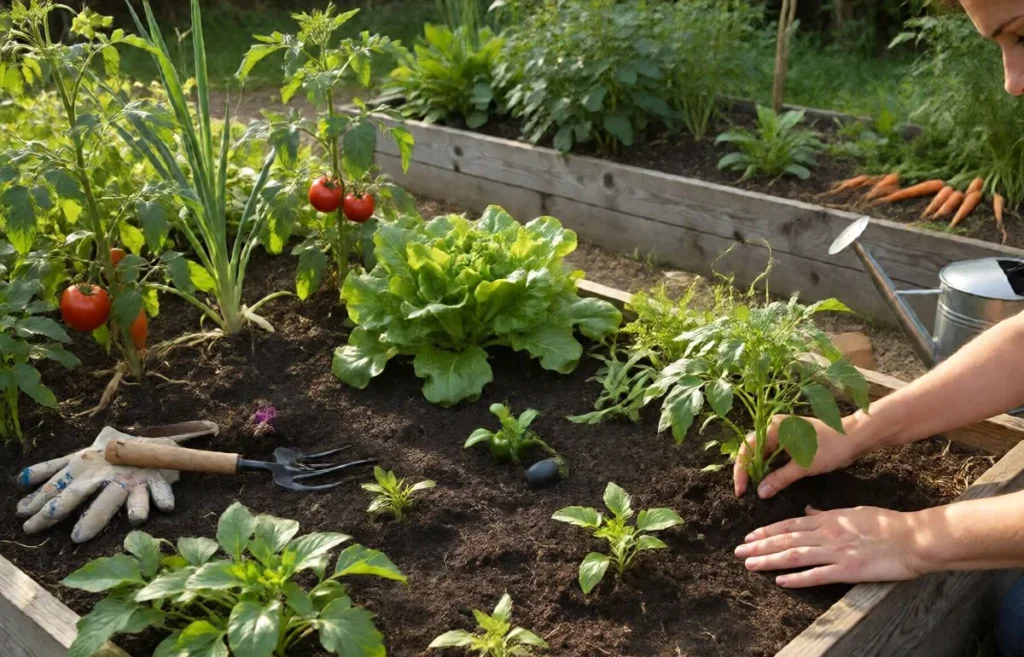
Organic gardening and farming focus on working with nature to grow healthy plants and food. Sustainable farming practices play a key role in this approach. They help keep the soil rich, save water, and protect the environment. These methods support long-term farming without harming the land. Using organic gardening methods means avoiding harmful chemicals and relying on natural ways to grow plants. This is good for farmers, plants, and people who eat the food. Following organic gardening advice helps growers plant healthy, strong crops. Planting organic vegetables in a way that respects the Earth creates a thriving organic vegetable garden year after year.
Sustainable Soil Management
Healthy soil is the foundation of organic gardening and farming. Sustainable soil management keeps the soil full of nutrients and alive with microbes. This avoids the need for chemical fertilizers. Techniques include:
- Composting kitchen scraps and plant waste
- Rotating crops to prevent soil depletion
- Adding natural mulch to hold moisture and stop weeds
These practices keep soil healthy and improve plant growth naturally.
Water Conservation Techniques
Saving water is important in organic gardening methods. Using less water helps plants survive dry periods and reduces waste. Effective water conservation includes:
- Drip irrigation to deliver water directly to roots
- Collecting rainwater for garden use
- Mulching to keep soil moist
These steps help maintain a healthy organic vegetable garden with less water.
Natural Pest And Disease Control
Organic gardening and farming avoid chemical pesticides. Instead, they use natural ways to protect plants. These methods include:
- Encouraging beneficial insects like ladybugs
- Planting companion plants that repel pests
- Using homemade sprays from garlic or neem oil
These techniques keep pests under control without harming the environment.
Crop Diversity And Rotation
Planting different types of vegetables helps keep the garden healthy. Crop diversity reduces pest problems and improves soil. Crop rotation means changing what grows in each spot every season. This stops disease build-up and keeps soil fertile. Benefits include:
| Practice | Benefit |
|---|---|
| Crop Diversity | Reduces pest pressure |
| Crop Rotation | Prevents soil nutrient loss |
Frequently Asked Questions
What Is Organic Gardening And Farming?
Organic gardening and farming avoid synthetic chemicals. They rely on natural methods to grow plants and raise animals. This helps keep soil and water healthy.
How Does Organic Farming Benefit The Environment?
Organic farming reduces pollution and protects wildlife. It improves soil quality and conserves water. It also helps reduce climate change effects.
What Are Common Organic Gardening Methods?
Composting, crop rotation, and natural pest control are common methods. These keep plants healthy without chemicals. They help maintain a balanced garden ecosystem.
Can Organic Farming Increase Crop Yield?
Organic farming can produce good yields with proper care. It may take more time to build healthy soil. Yields often improve steadily over several years.
Is Organic Gardening More Expensive Than Conventional Gardening?
Organic gardening can cost more at first due to natural inputs. Over time, costs may decrease as soil improves. It often saves money on chemicals and fertilizers.
How Do Organic Farmers Control Pests Naturally?
Farmers use beneficial insects, crop rotation, and plant diversity. These methods keep pest numbers low without harmful chemicals. Natural pest control protects the garden’s health.
What Types Of Plants Grow Best In Organic Gardens?
Most fruits, vegetables, and herbs grow well organically. Plants that need less chemical help are easier to grow. Choosing local, hardy varieties improves success.
Conclusion
Organic gardening and farming help keep soil healthy and plants strong. They avoid harmful chemicals that can damage nature. Growing food this way supports clean water and safe food. It also helps insects and birds thrive. Small changes in your garden can make a big difference.
Choose natural methods to protect the earth and your health. Enjoy fresh, tasty produce grown with care. This approach benefits everyone and the planet. Give organic gardening a try. You will see the rewards.